loading · tag
Archive
Every #modding piece
Deep Dives
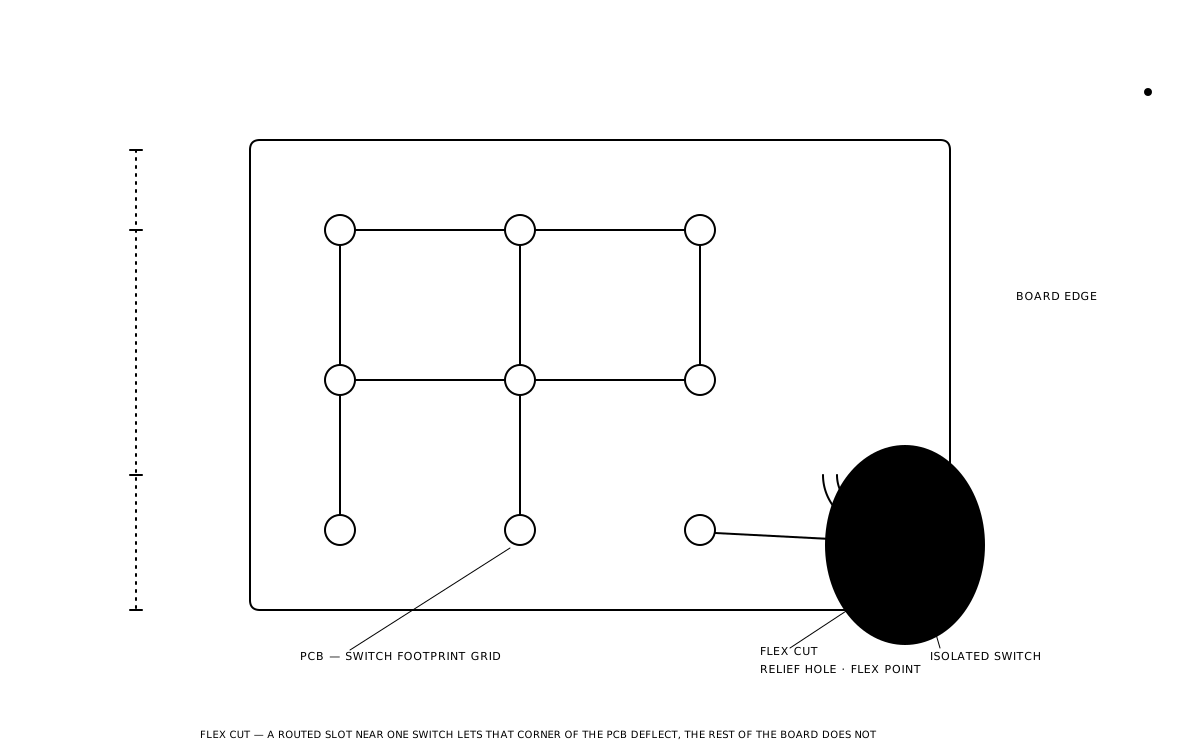
PCB flex cuts, explained: a flex budget milled straight into the board
No plate change, no gasket, no case redesign — just a slot routed through the fiberglass near a switch hole. Flex cuts are the cheapest lever a designer has for adding give to a board that otherwise has none, and the cheapness is exactly why they show up where they do.
thock10 min read
Guides
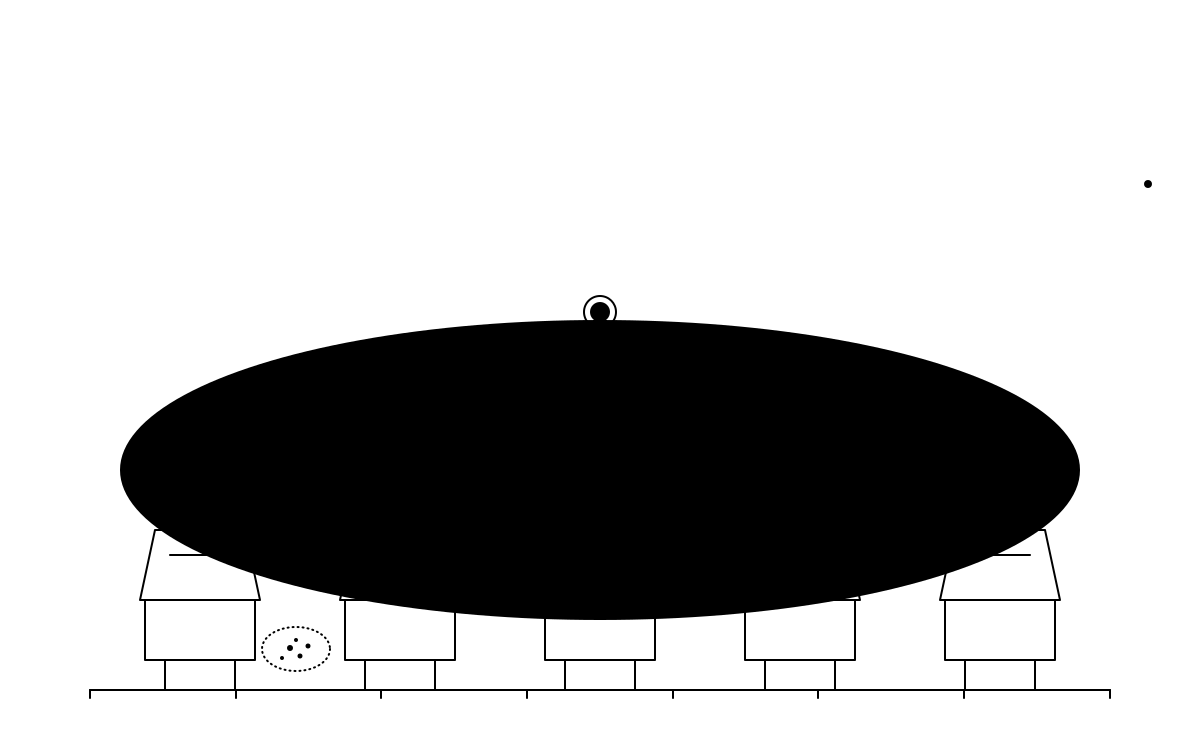
How to clean and maintain a mechanical keyboard
Dust, oil, and crumbs collect on every keyboard whether anyone notices or not. A light routine on a fixed cadence keeps a board feeling and sounding like day one — no teardown required.
thock8 min read
Deep Dives
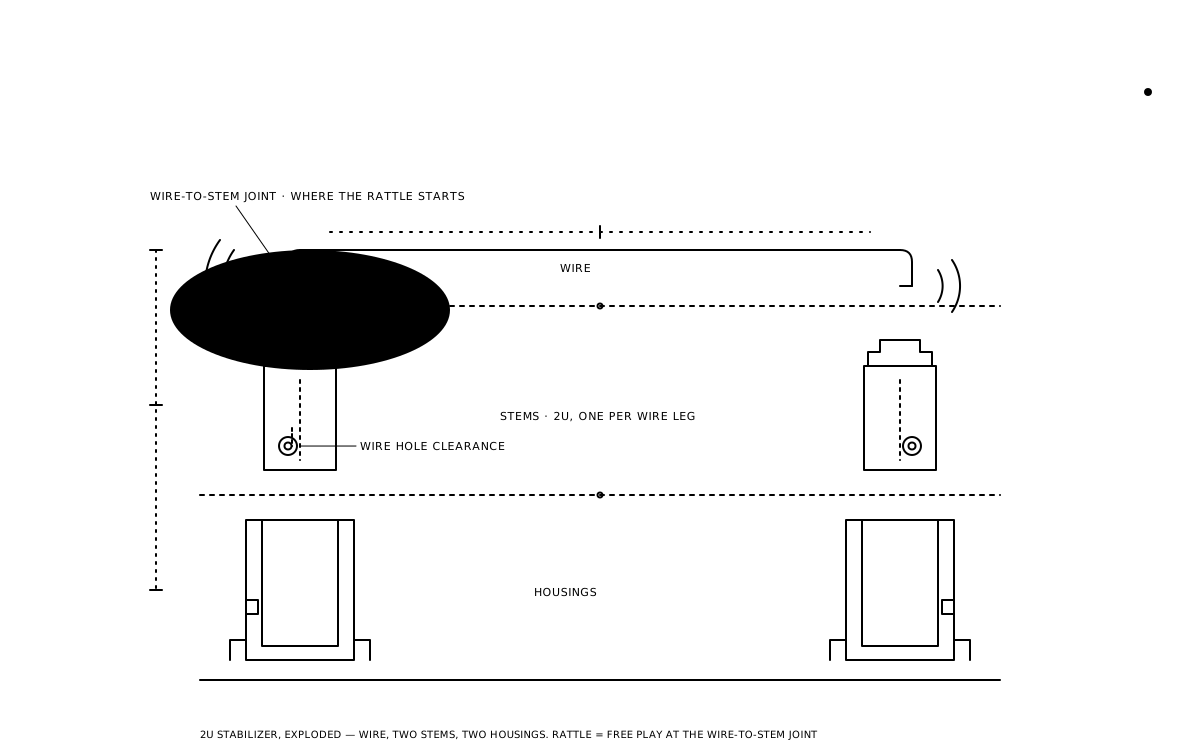
Why stabilizers rattle: the engineering behind a smooth stab
A stabilizer has to be loose enough to slide and tight enough to stay quiet, and those two requirements contradict each other at three separate interfaces. Every rattle, tick, and clunk on a spacebar is one of those interfaces losing the argument.
thock10 min read
Ideas
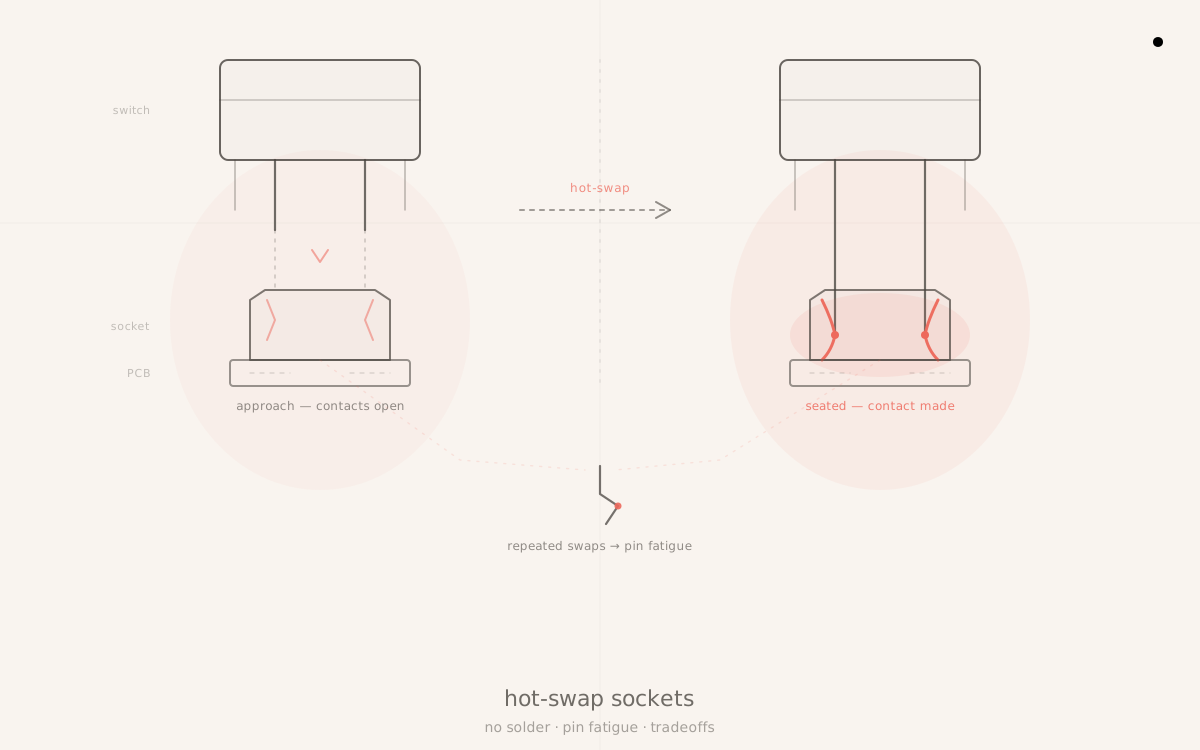
Hot-swap sockets: what you actually give up for the convenience
Tool-free switch swapping turned hot-swap PCBs into the default spec across the hobby, and the default is earned. Here is the honest, specific list of what a socket costs against a soldered joint — and the two cases where soldering is still the right call.
thock8 min read
Ideas
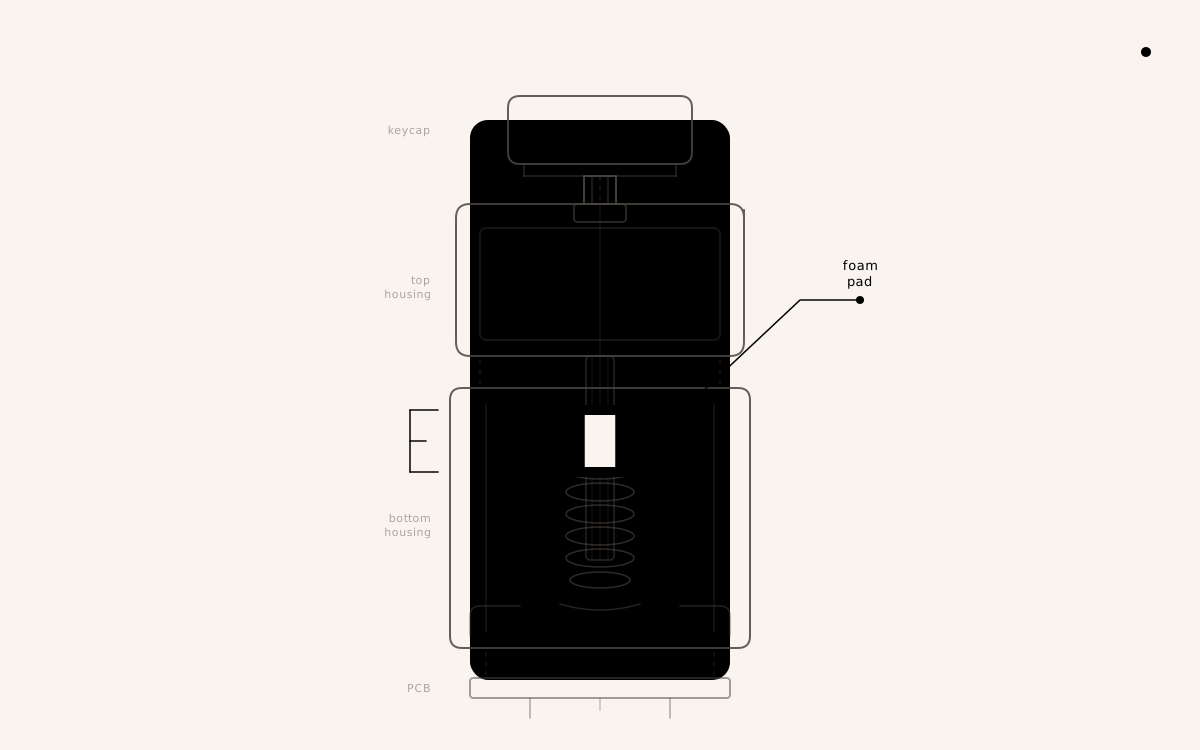
The Holee mod: what foam inside the switch actually buys you
Small pads of polyurethane foam cut and wedged inside the switch housing itself — not under the PCB, not behind it, not under the keycap. The Holee mod works at a smaller scale than every other foam mod in the hobby, and it costs proportionally more time.
thock8 min read

Deep Dives
How the 60% became the default custom-keyboard layout
Every custom-keyboard buyer's guide since the mid-2010s opens with the same four-term vocabulary — 60%, 65%, 75%, TKL — as though it always existed. It didn't. One open-source PCB out of a geekhack thread is most of the reason that taxonomy exists at all.
thock11 min read
Ideas
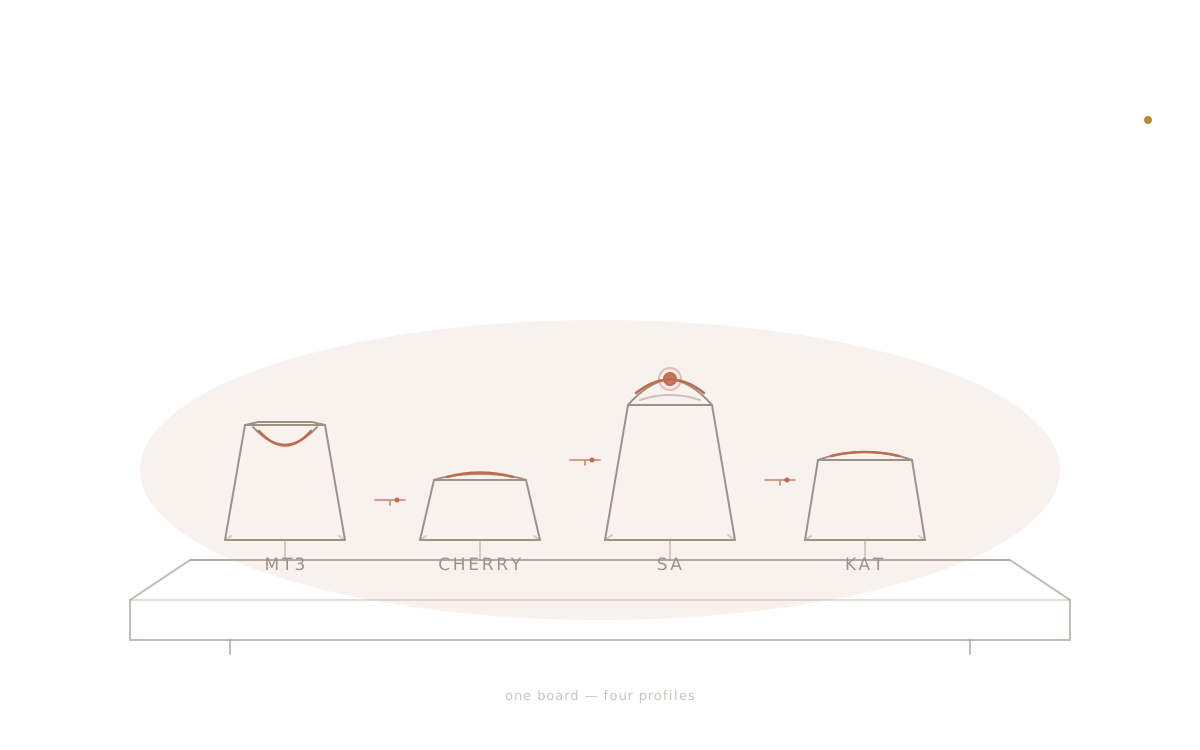
Mixing keycap profiles on one board: what actually works
Mixing profiles reads as a deliberate design choice or a rookie mistake depending entirely on where the swap lands. A handful of zones tolerate it well. The alpha block almost never does.
thock6 min read
Guides
Keyboard cables, compared: coiled, straight, and the connector that actually matters
Every builder eventually stares at a cable dropdown and has to decide whether to care. Here's what coiled versus straight actually changes, and why the keyboard-side connector — not the color of the sleeve — is the decision that follows the board for its whole life.
thock9 min read
Ideas
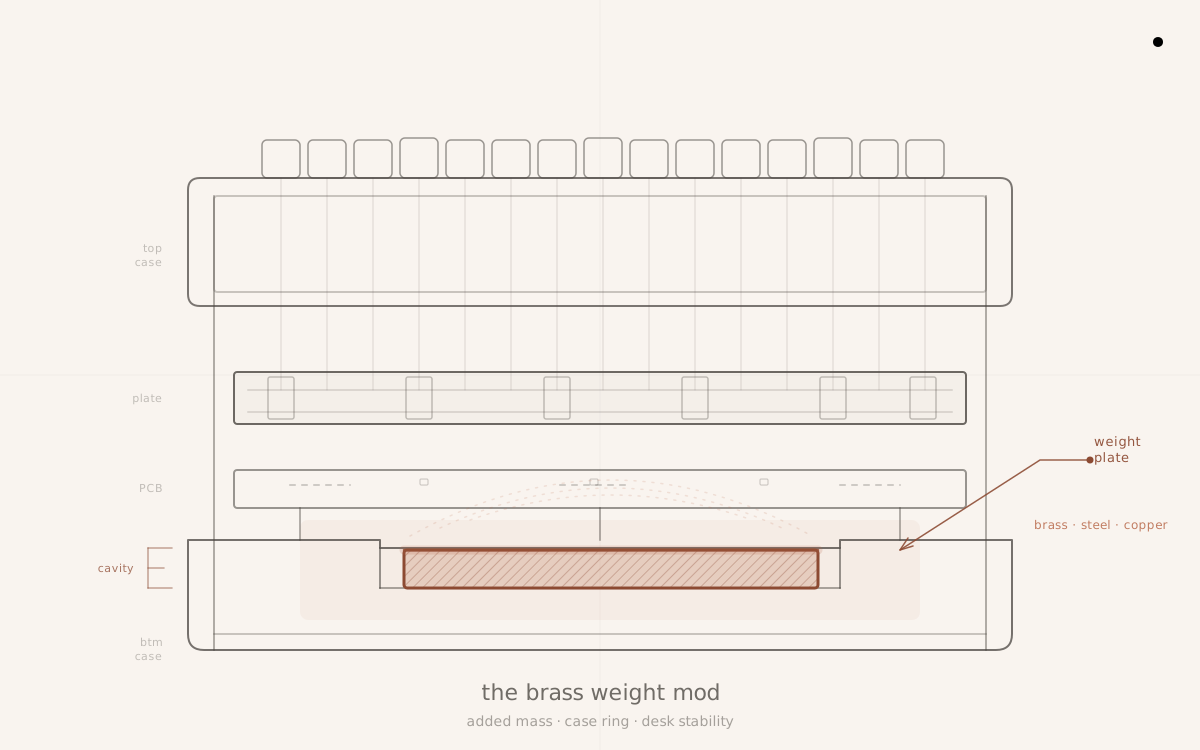
The brass weight mod: what added mass actually buys you
Bolting a half-pound of brass into the bottom of a case is one of the more expensive mods in the hobby for how little it visibly does. It changes how a board sounds and sits on a desk — just not in the ways the marketing copy implies.
thock8 min read
Ideas
Retrobrighting: what UV and peroxide actually reverse in yellowed ABS
Vintage ABS keycaps go the color of weak tea, and the hobby's fix is a jar of hair developer and a sunny windowsill. The chemistry behind that fix is real — but it reverses one specific kind of damage, and builders regularly aim it at problems it cannot touch.
thock7 min read
Ideas
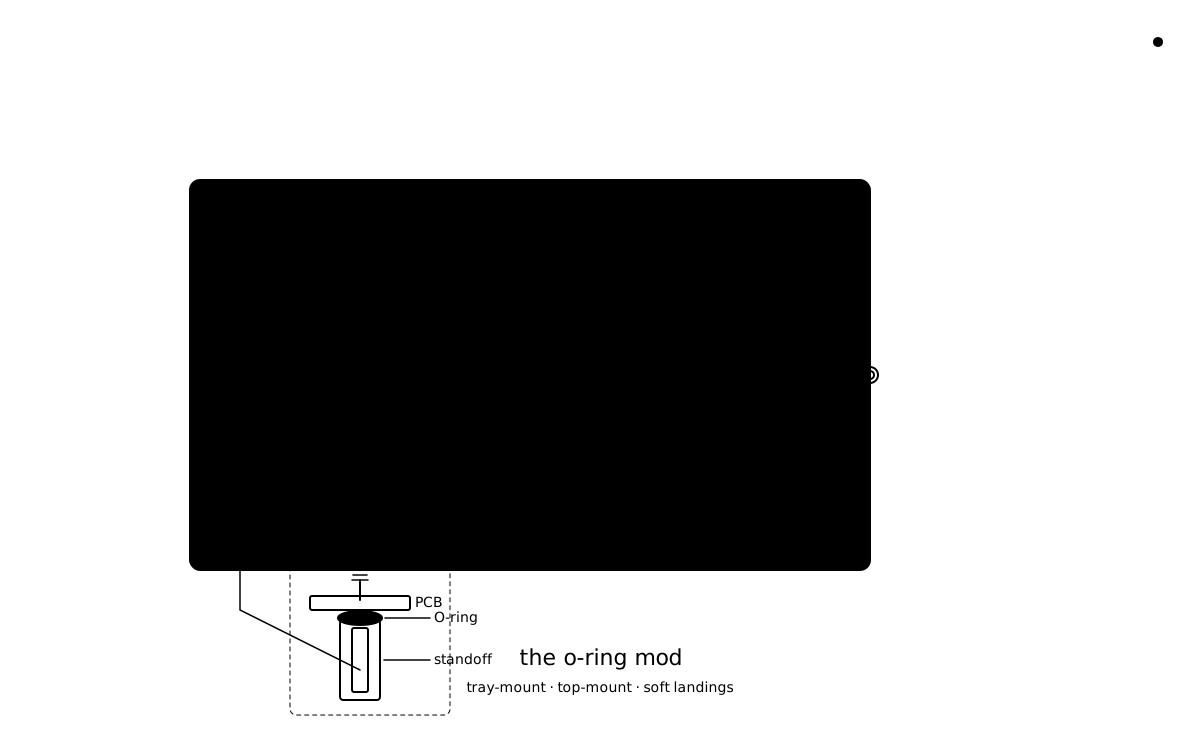
The o-ring mod: soft landings for tray-mount and top-mount boards
A $2 bag of silicone O-rings is enough to give a tray-mount board meaningfully more flex and a cleaner sound. Here is the full procedure and what to realistically expect.
thock8 min read
Ideas
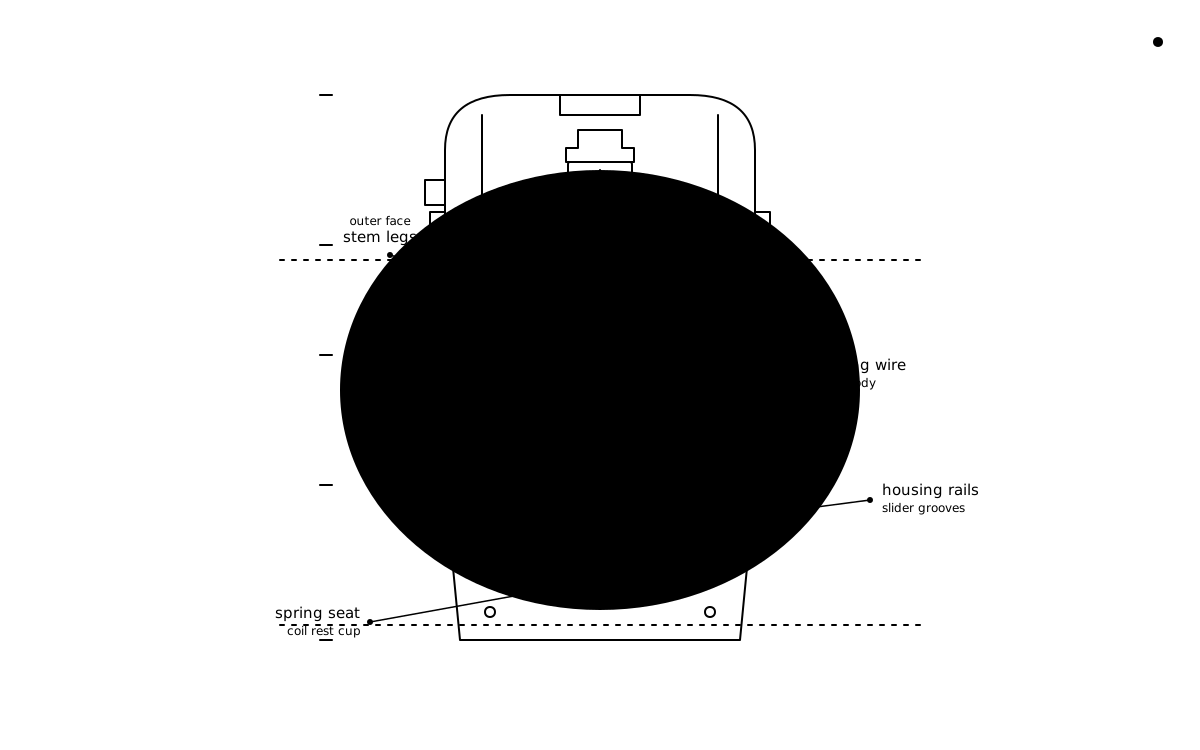
Lubing switches: what to use, how much, and what to skip
Four lubes, four application points, and one rule that prevents most mistakes: over-lubing is irreversible, under-lubing is not. Here is the practical reference.
thock10 min read
Deep Dives
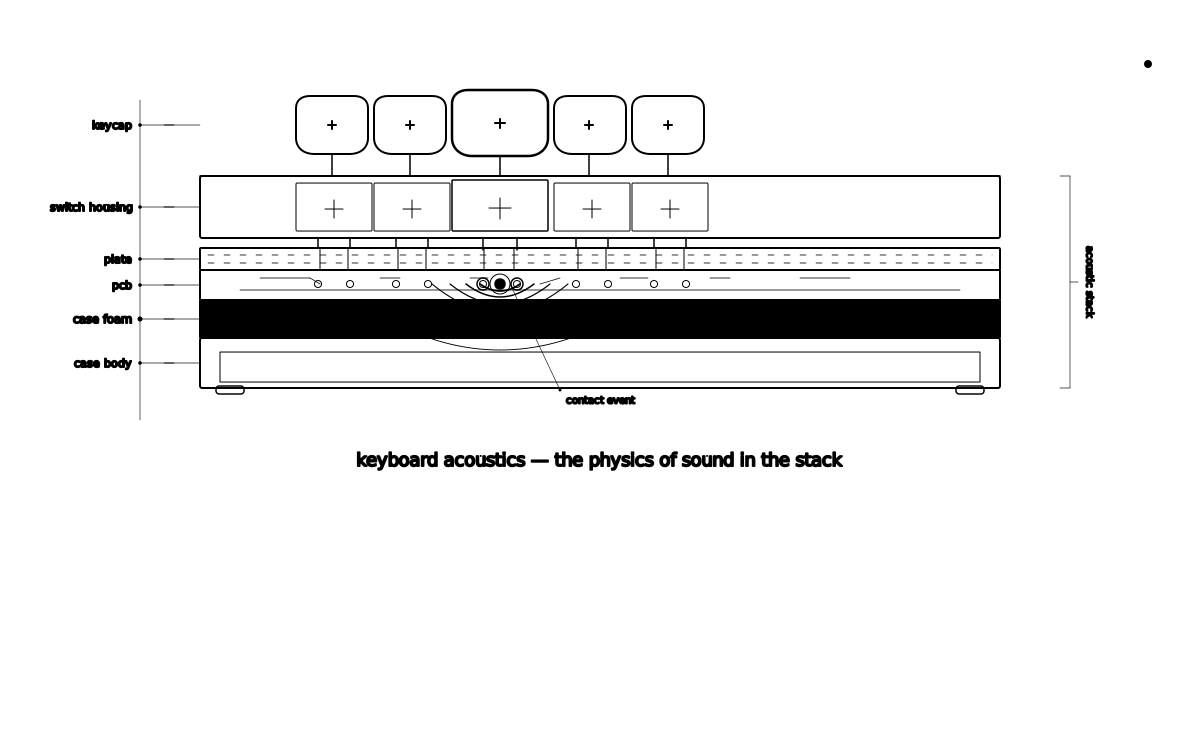
The physics of thock: how every layer shapes your keyboard's sound
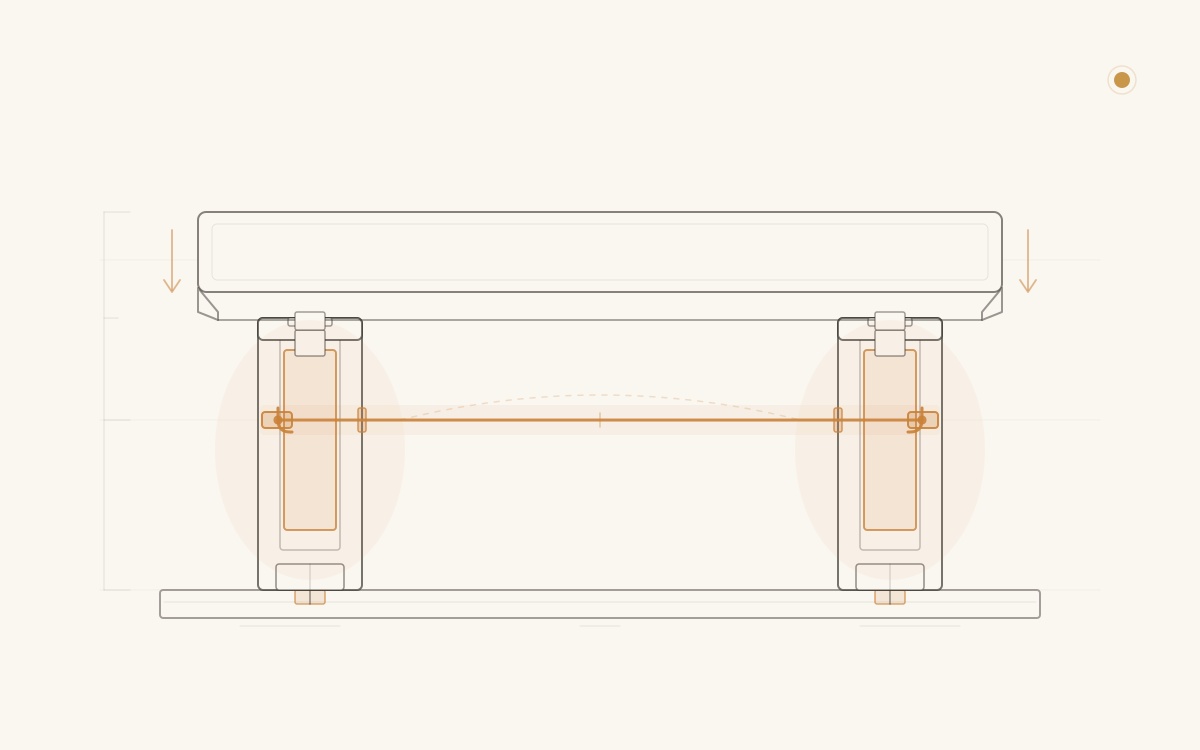
Every component between your fingertip and the desk makes a decision about your keyboard's sound — the switch, the plate, the case, the surface it sits on. Understanding what each layer adds or subtracts is the difference between chasing a sound blindly and engineering it deliberately.
thock16 min read
Guides
Stabilizers explained: from stock rattle to silent smoothness
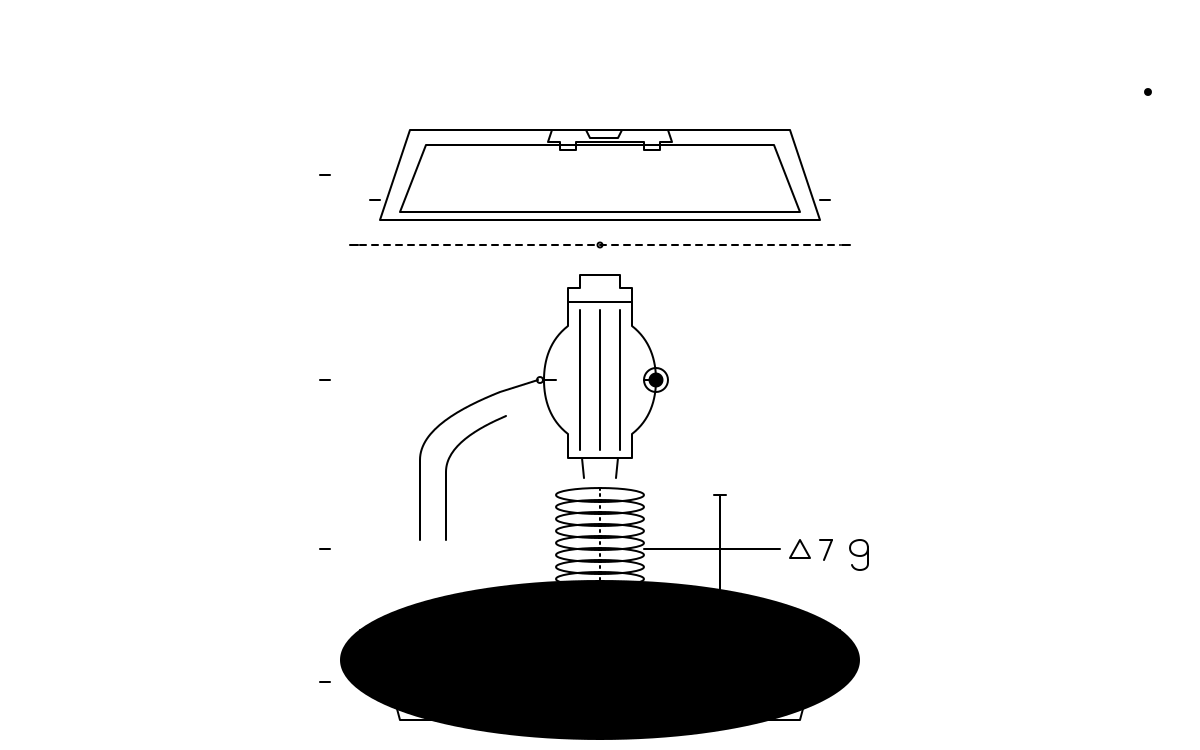
Stabilizers are the most acoustically influential component most builders treat as an afterthought. Understanding what they are and why they fail changes every build that follows.
thock12 min read
Deep Dives
Why the Drop Holy Panda X feels the way it does
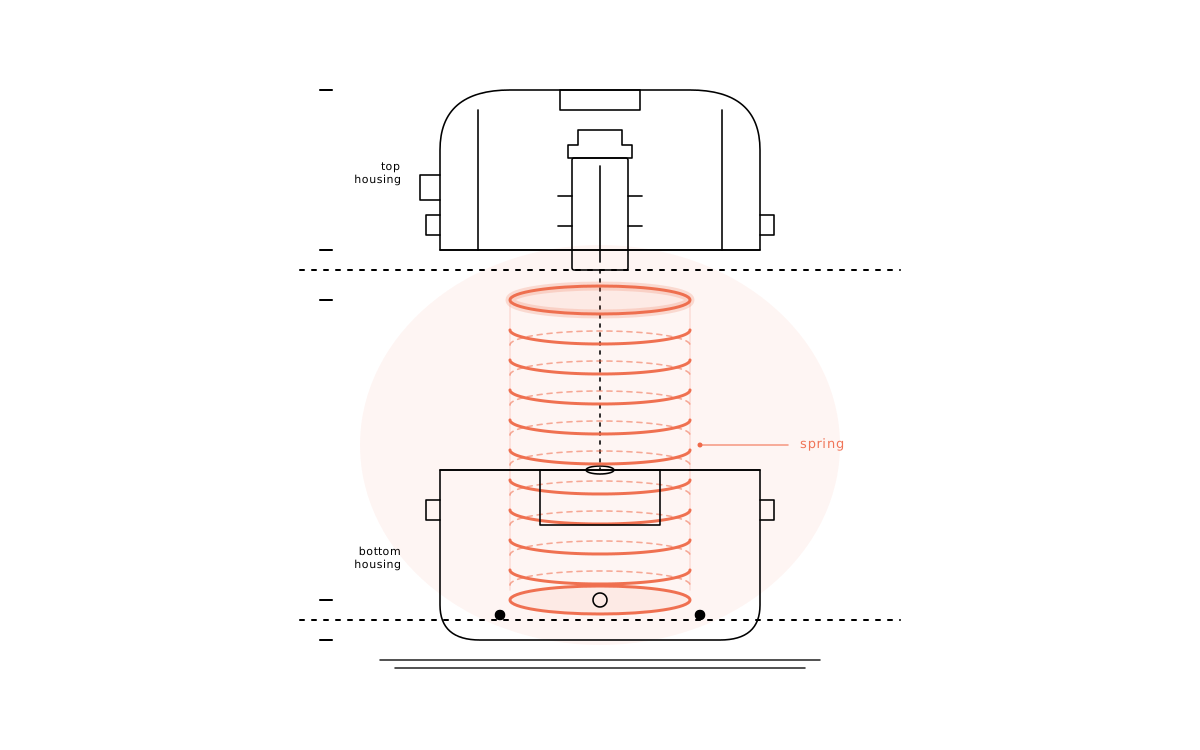
The Holy Panda was a six-month frankenswitch project for most of its life. The Drop Holy Panda X is the first version where the geometry, the spring tune, the housing pairing, and the factory lube were the spec — not the mod.
thock13 min read
Ideas
Spring swaps: what swapping the spring actually changes
Swapping the spring is the most-discussed mod that does the least of what builders expect. Here is what the spring actually controls, what it does not, and when the swap is worth the afternoon.
thock9 min read

Ideas
Why typing tests lie
Monkeytype scores reward fast and forgiving. A daily driver needs comfortable and honest. Optimizing a build for the test selects for the wrong things — and the gap shows up around hour two, not in the leaderboard.
thock7 min read
Deep Dives
Plate materials, explained: what brass, FR4, POM, and aluminium actually change
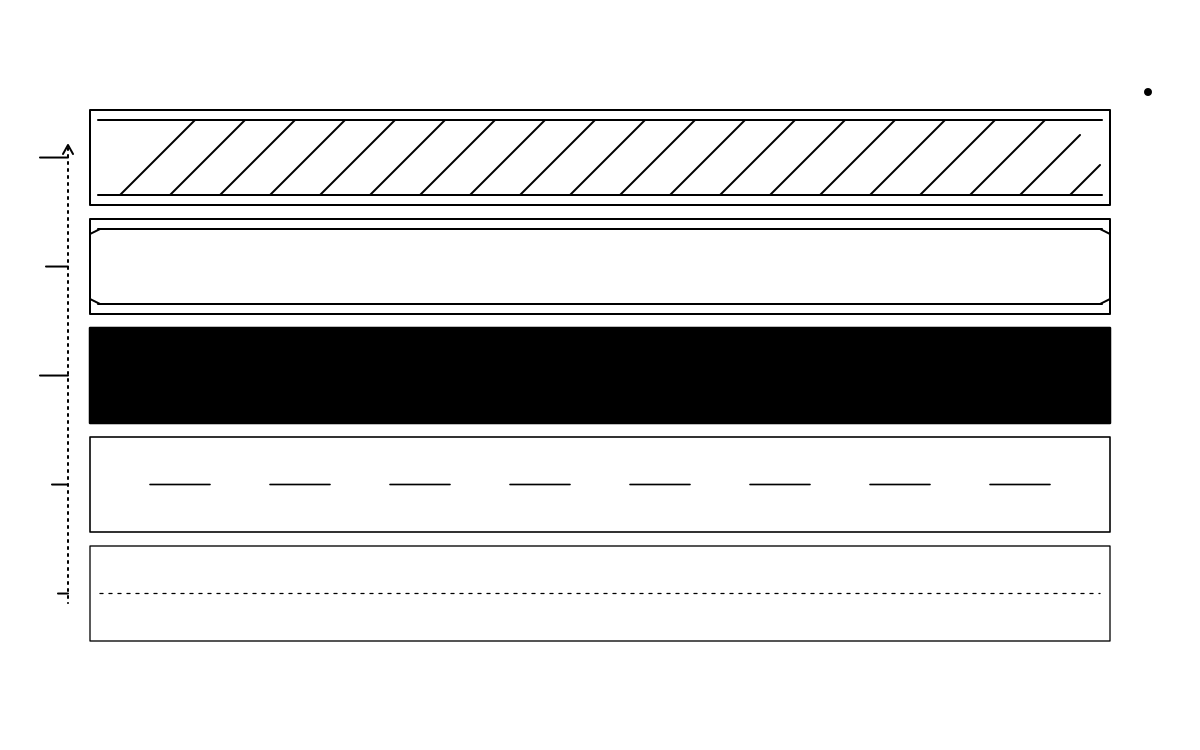
The plate is the cheapest variable in the build and the one builders argue about hardest. Most of the heat is misdirected — but a usable fraction of it is real, and the difference is worth pinning down.
thock13 min read
Trends
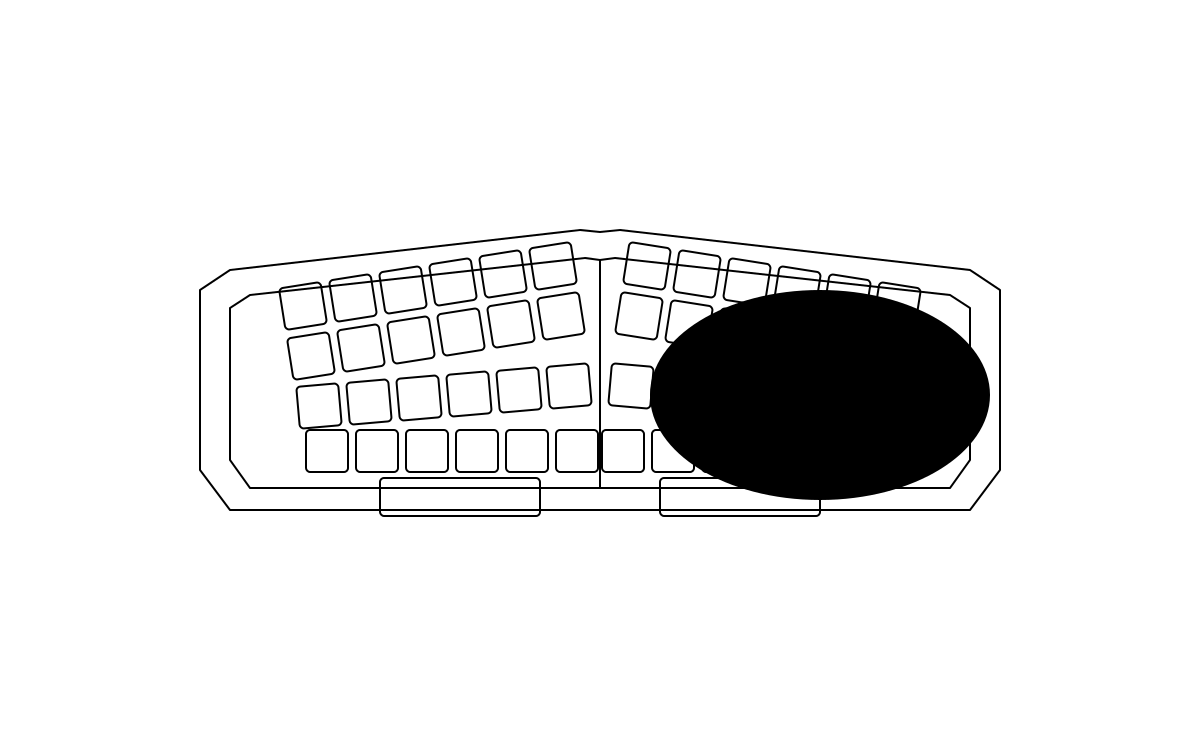
The slow fade of Alice layouts
Alice mounts had a clear moment between 2021 and 2023 — the splayed alphas, the angled bar, the promise of a typing posture that didn't twist your wrists. The thock trends snapshot for 2026-W19 pegs Alice movement at -18 and trending down. The layout still has loyal users, but the curve has bent.
thock5 min read
Ideas
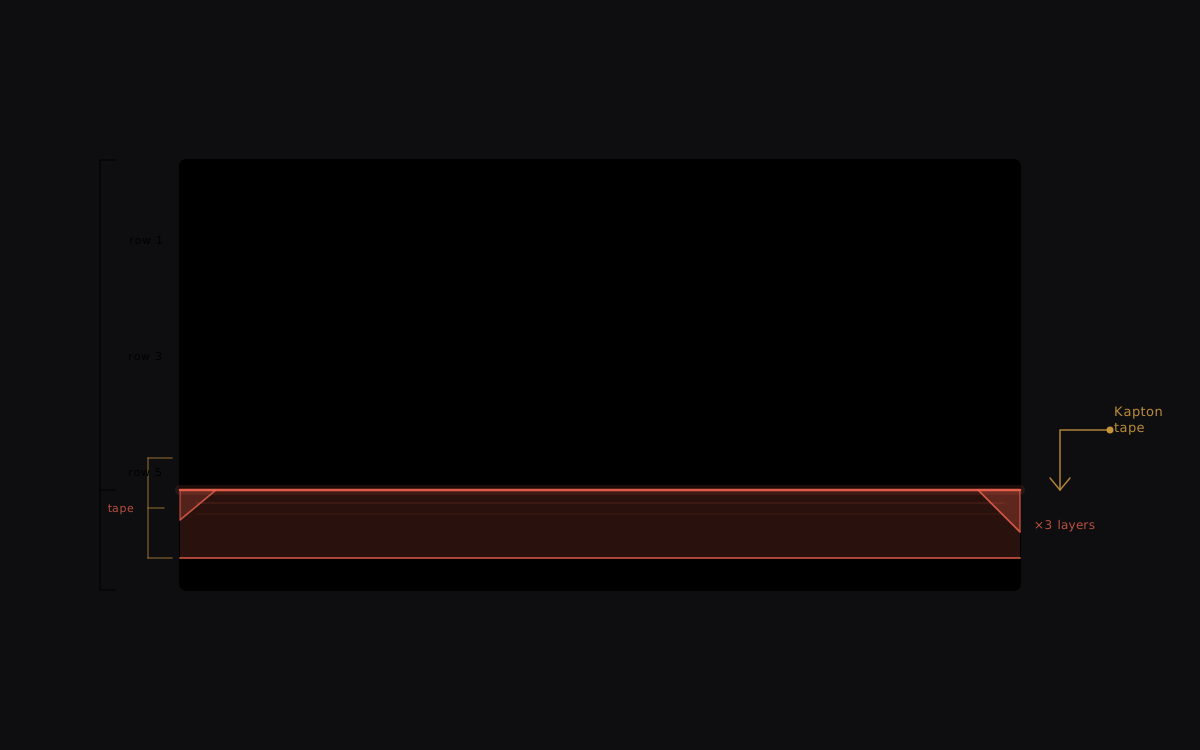
The tape mod: what one strip of Kapton actually does
Three to five strips of painter's tape on the back of your PCB — that's the whole mod. The acoustic effect is real. Its magnitude depends almost entirely on the board underneath it.
thock10 min read
Guides
Lubing 101: what matters, what doesn't, and where to stop
Lube moves the sound and feel of a switch in ways nothing else in the build can. It also chews up a Saturday and ruins switches when applied with the enthusiasm the rabbit-hole crowd recommends. Here is the version that earns its keep.
thock9 min read
Guides
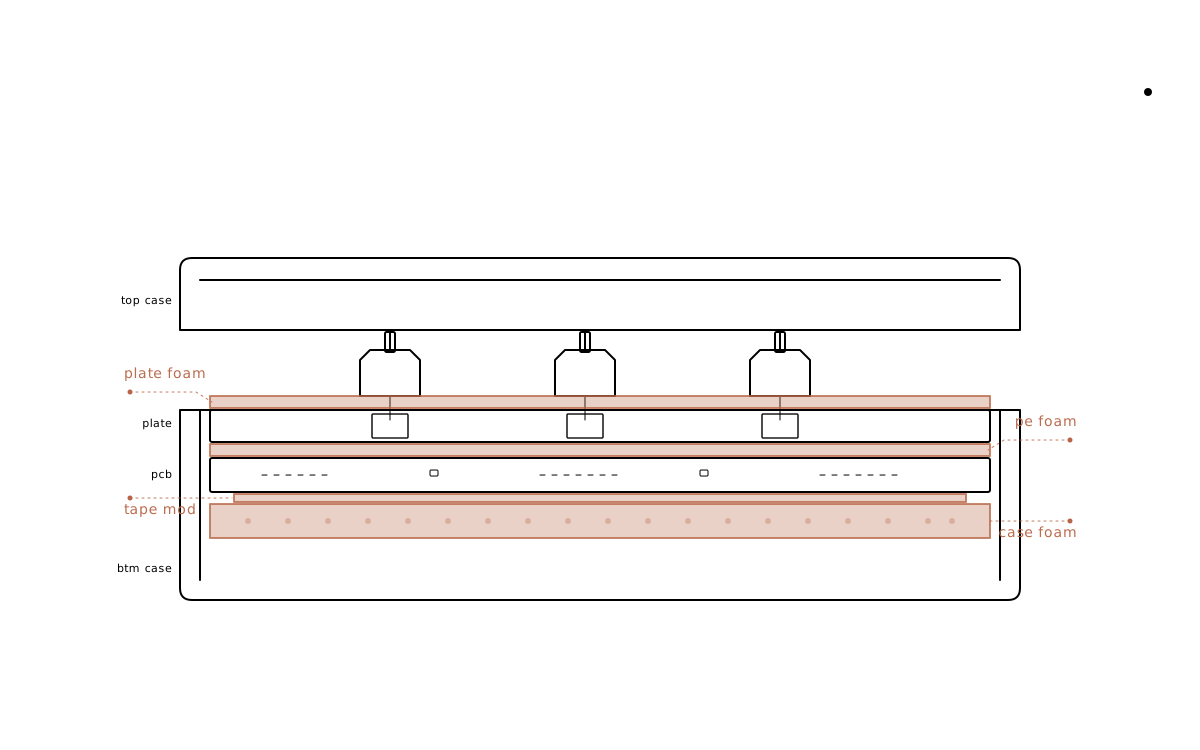
Sound dampening, compared: case foam, plate foam, PE foam, and the tape mod
Four layers, four very different jobs. Here is what each sound mod actually changes, where it sits in the build stack, and the order to stack them in if you only have time for one or two.
thock9 min read
Trends
How 'thock' became an acoustic spec, not an accident
A decade ago a thocky board was the win condition of a $300 custom — the payoff for the right switches, the right lube job, the right patience. In 2026 the same sound is table-stakes for a $150 prebuilt: factory-lubed switches, silicone dampening, gasket-mounted plates, PBT doubleshot. The stack that used to be enthusiast-only is now what mid-tier vendors design toward from day one.
thock8 min read
Guides
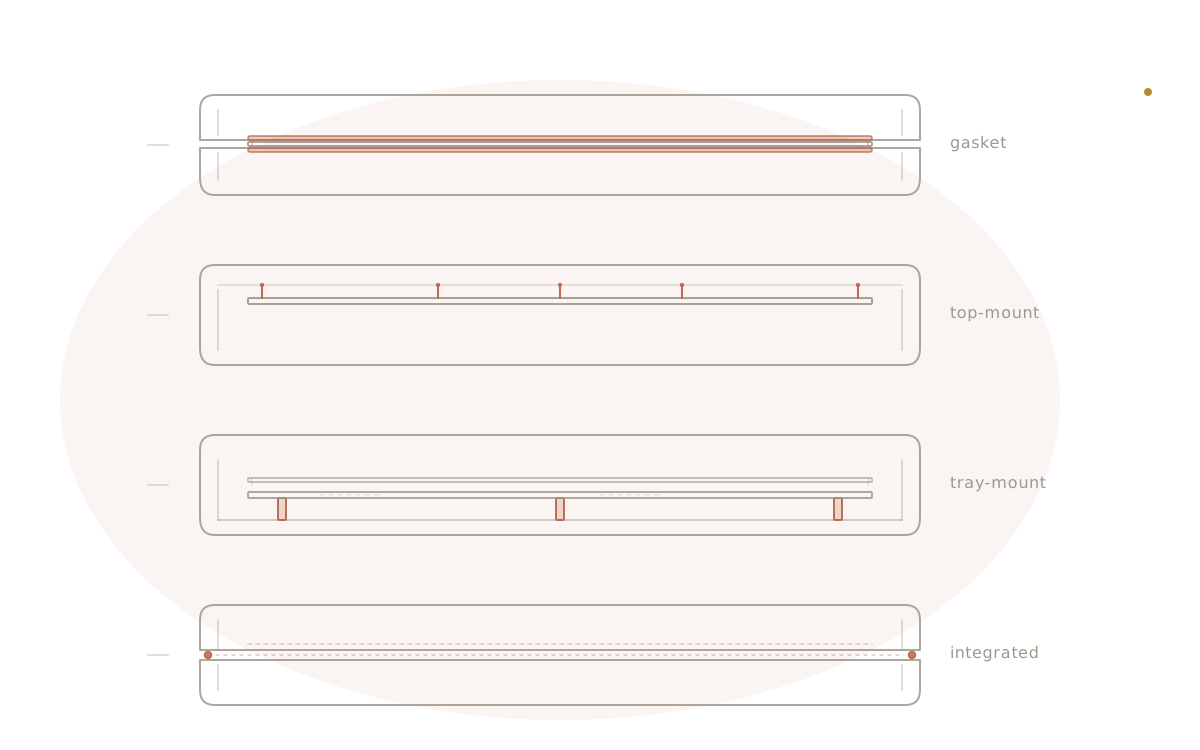
Mounting styles, compared: gasket, top-mount, tray, and integrated plate
A builder who has lubed switches and tuned stabilizers and chosen a keycap profile and still cannot place why their next board feels different from their last one is usually meeting the mount style. The plate's relationship to the case is the half of the typing feel that nobody discusses on a sound test.
thock13 min read
Ideas
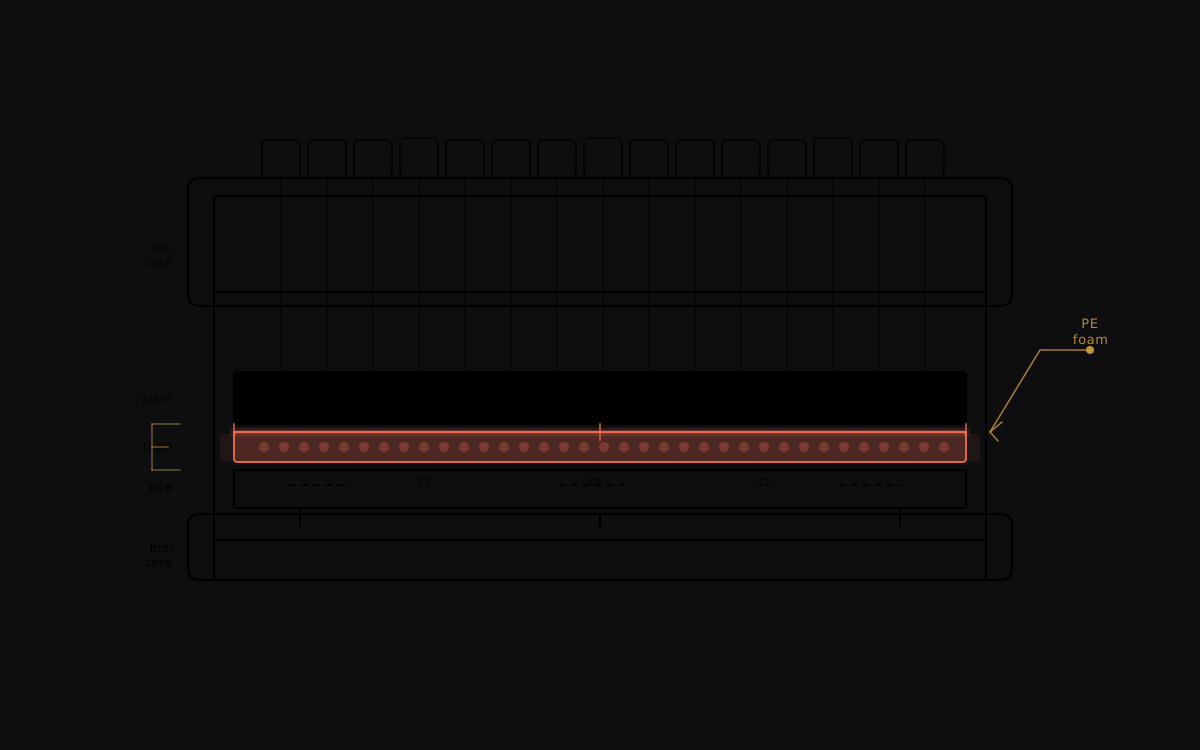
The PE foam mod: the two-dollar upgrade that actually works
PE foam is one of the most accessible mods in the hobby — a $2 sheet between your PCB and case can noticeably reduce hollow resonance. Here is what it actually does, when to use it, and when to skip it.
thock10 min read
Ideas
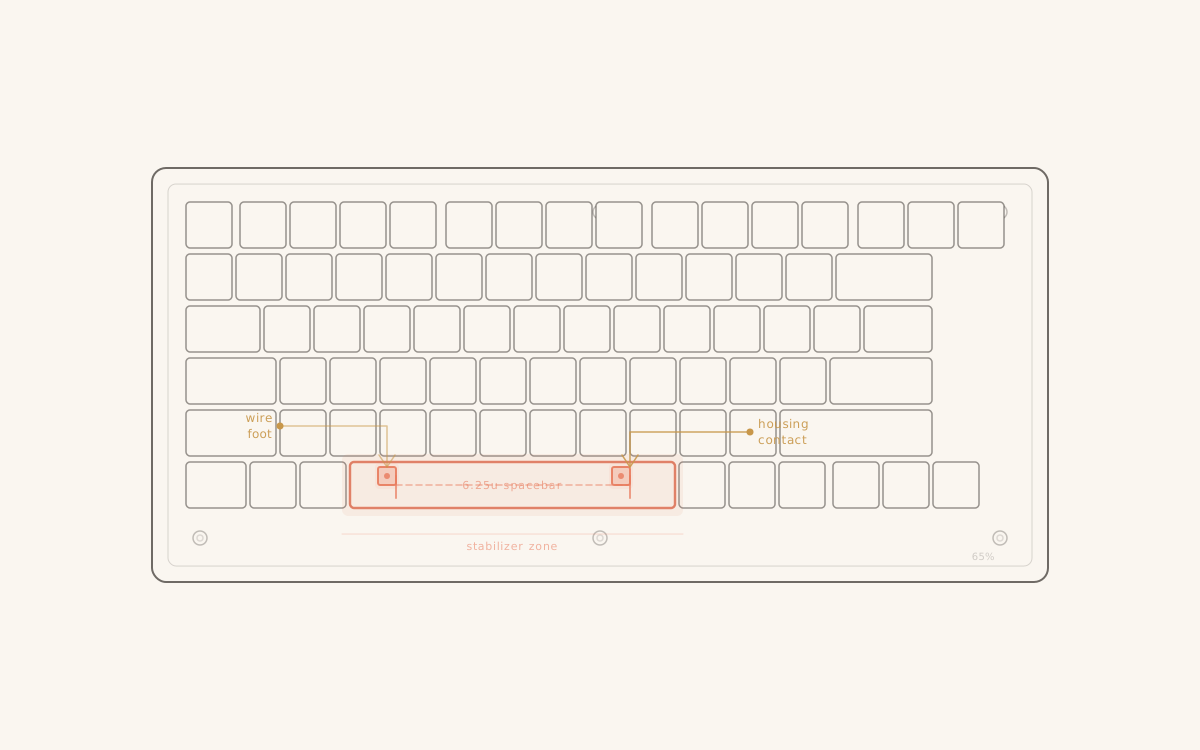
Stabilizer servicing: the one step most builders skip
Most builders lube their switches meticulously and treat stabilizers as an afterthought. The rattle that survives a full stab lube job almost always traces back to one overlooked contact point.
thock11 min read
Ideas
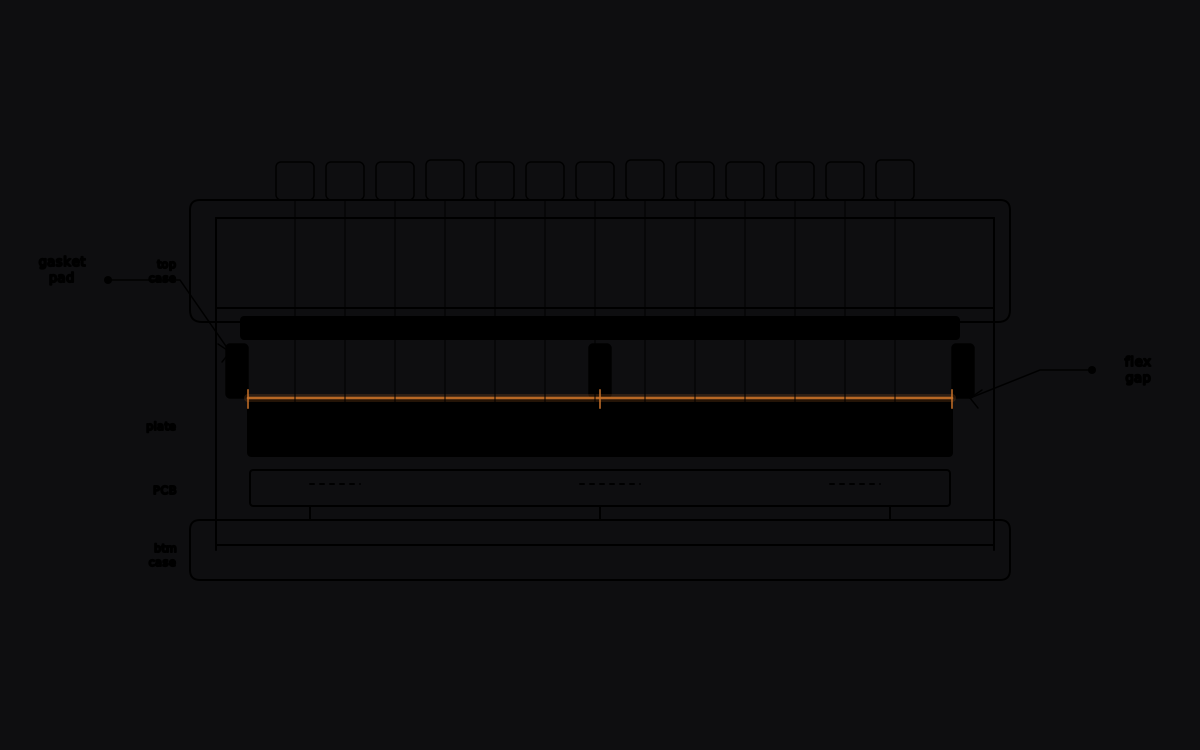
What gasket mount actually delivers (and what it doesn't)
The label appears on keyboards at every price point, from $90 prebuilts to $350 group-buy customs, but two boards with identical spec-sheet language can sound nothing alike. Here is what the term actually tells you, and what it doesn't.
thock9 min read
Ideas
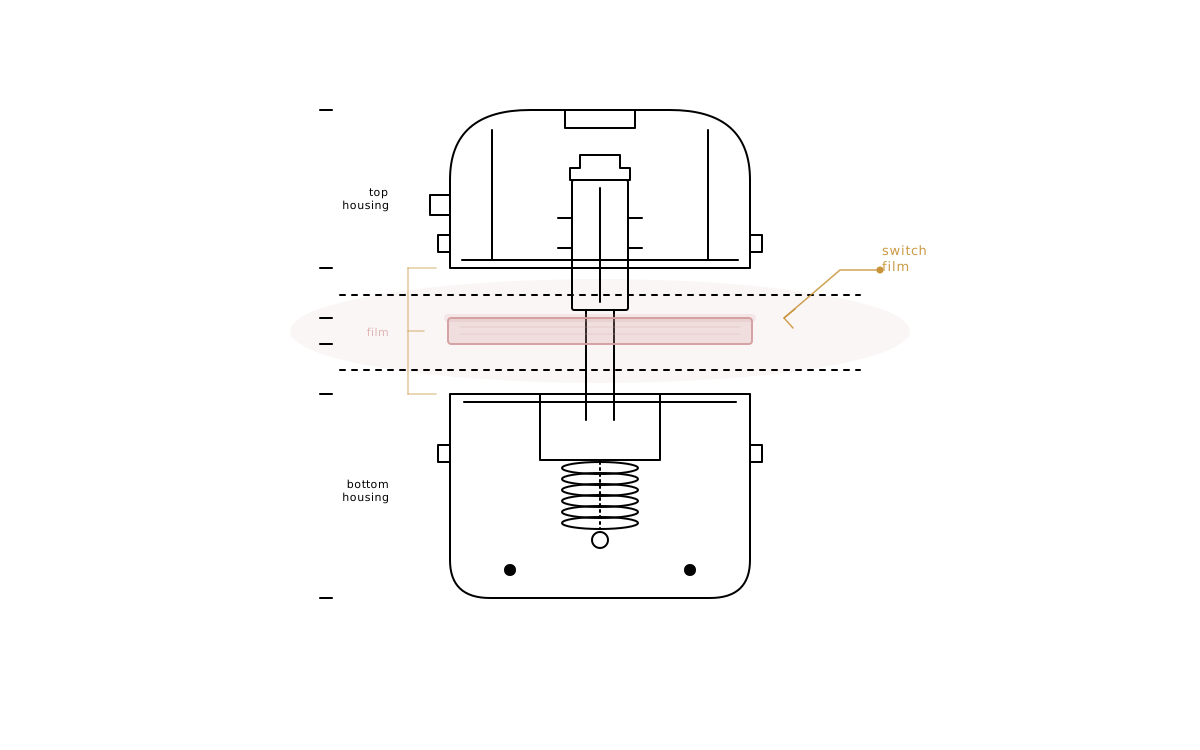
Switch films: do they actually do anything?
Thin POM shims between your switch housings cost five dollars and promise a tighter, better-sounding switch. The mechanism is real. Whether it matters on your specific switches is a separate question.
thock8 min read