loading · pillar
pillar · ideas
Ideas
Builds, mods, and the half-formed ideas that turn into hobbies. Hands-on, opinionated, photo-rich.
Build of the week · Week 40
The build we keep coming back to
Ideas
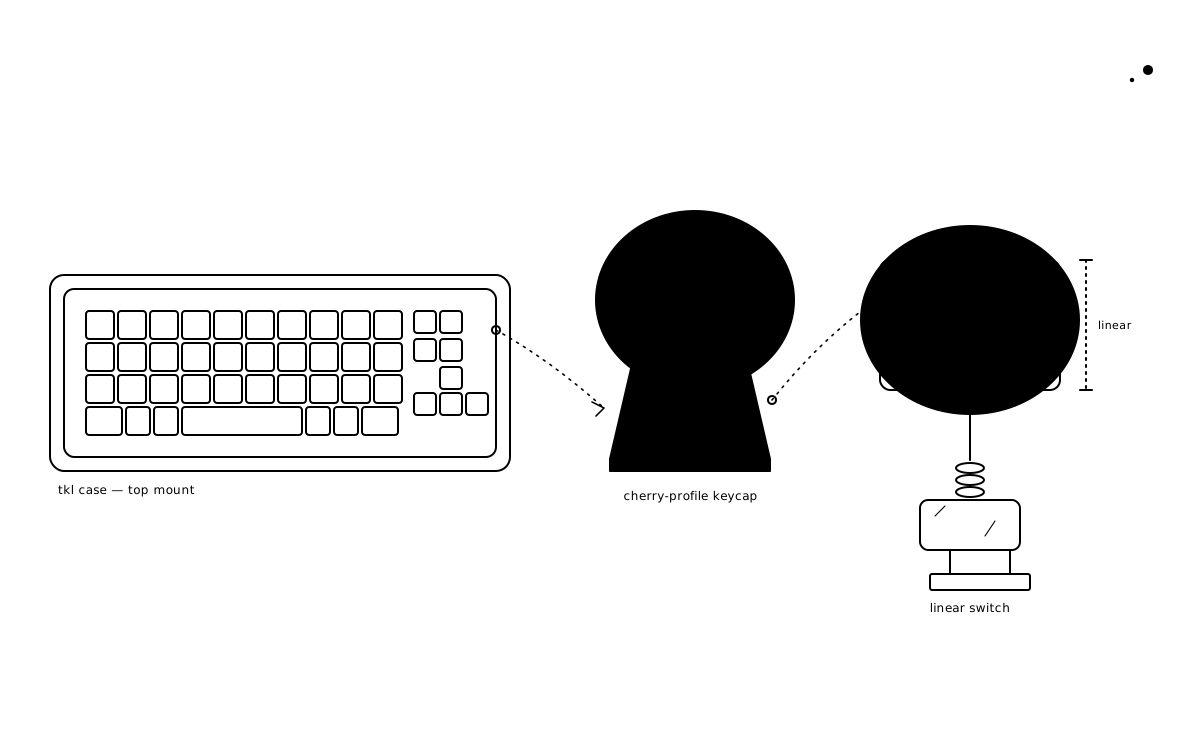
Build of the week: the Drop CTRL goes synthwave under GMK Laser and Ink V2 Yellow
A board tuned for directness, a switch tuned for speed, and a keycap set tuned for attention — the gap between the first two and the third is the entire reason this build works.
thock7 min read
Latest
Newest from the workbench
Ideas
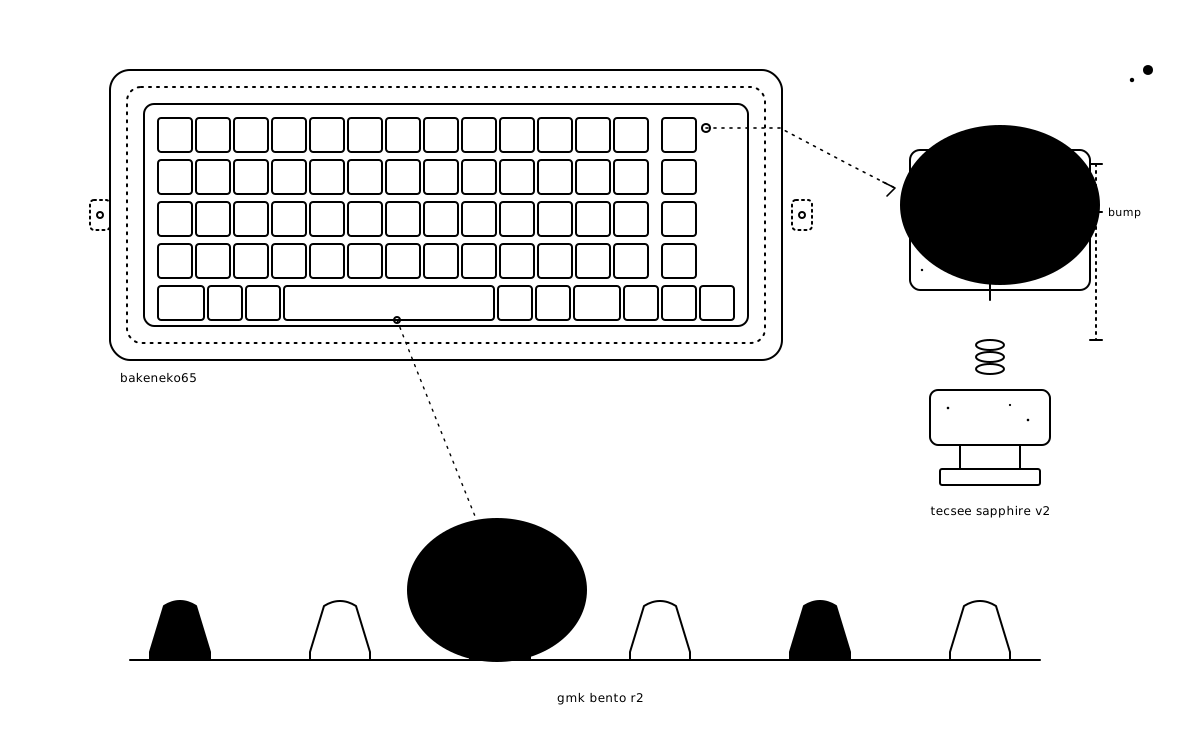
Build of the week: the Bakeneko65 stops being a budget board under GMK Bentō R2 and Tecsee Sapphire V2
A $150 evergreen hotswap board, a sold-out doubleshot ABS set, and a sparkly polycarbonate tactile aren't a mismatch — the cheap part of this build is the entry price, not the result.
thock7 min read
Archive
More Ideas pieces
Ideas
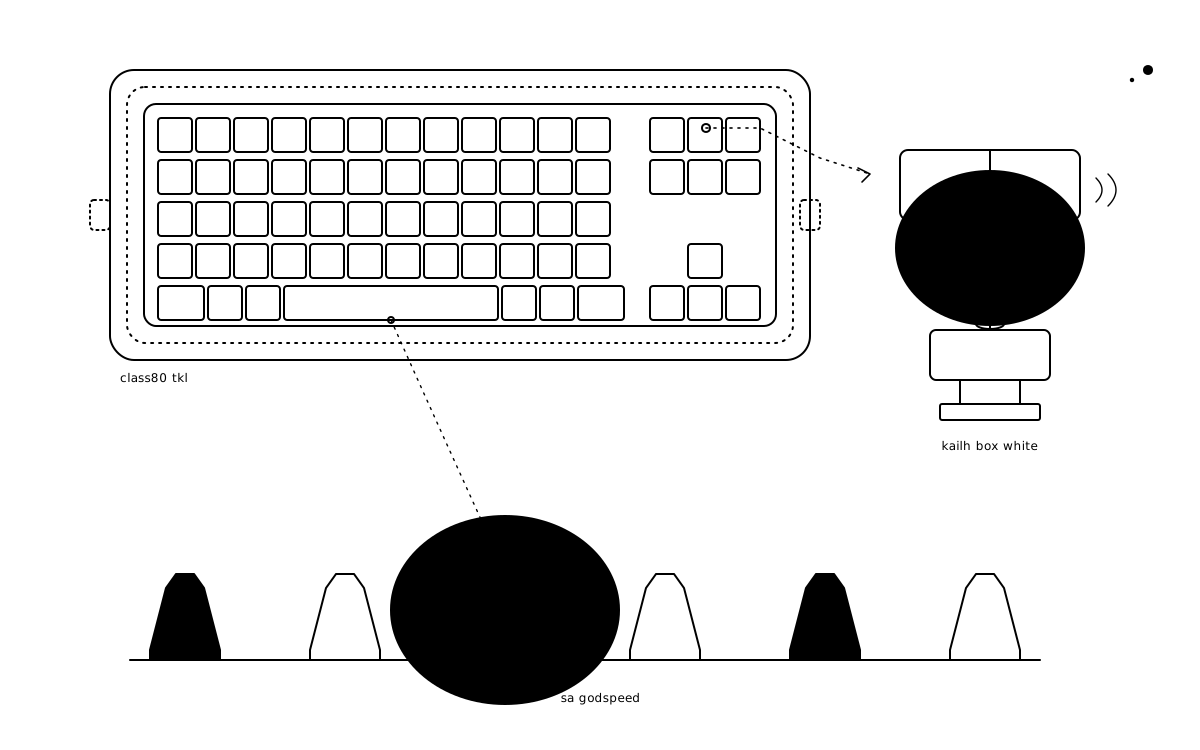
Build of the week: the mission control desk, in Class80, Godspeed, and Box White
A retro TKL, a steel-blue-and-cream SA set, and a clicky box-stem switch aren't three separate purchases here — they're one decision, made three times, that only works because each part solves a problem the other two create.
thock7 min read

Ideas
Parts pairing for a split build: two independent halves, two independent decisions
A split board is two keyboards that happen to share a keymap. Most builders still buy parts for it like it's one — matching switches, ordering a single sculpted keycap set, and never touching the left half's tuning differently from the right's.
thock9 min read
Ideas
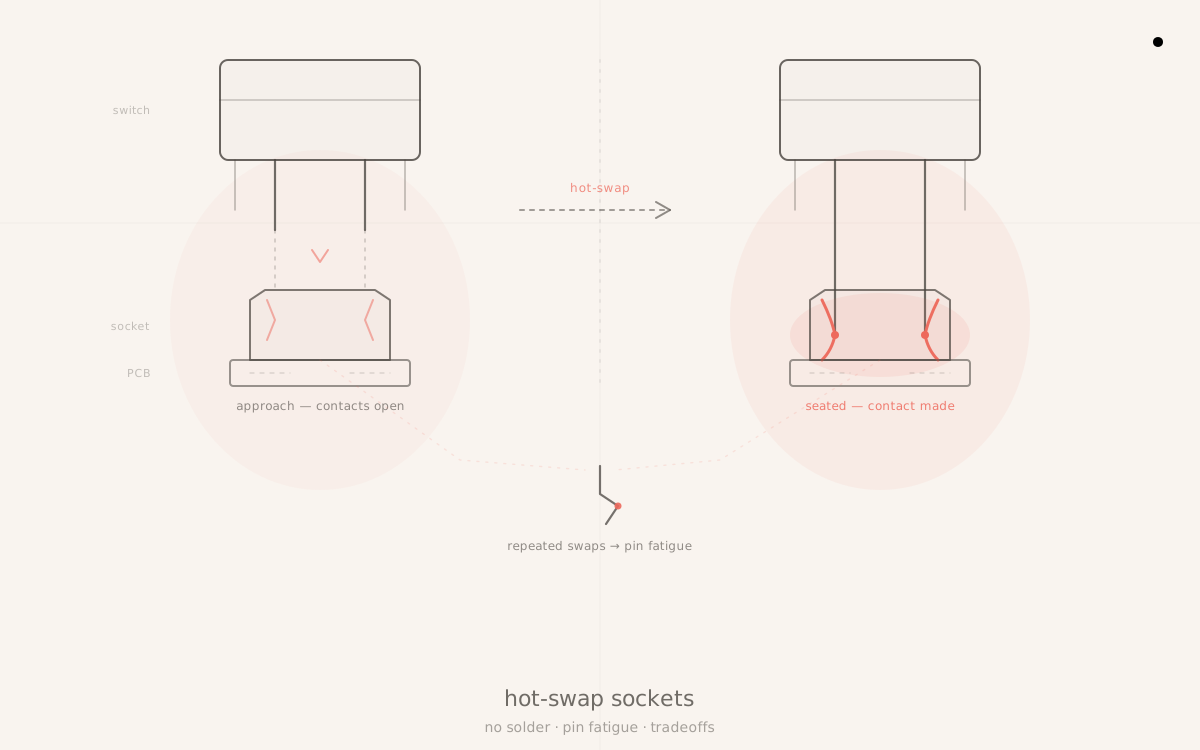
Hot-swap sockets: what you actually give up for the convenience
Tool-free switch swapping turned hot-swap PCBs into the default spec across the hobby, and the default is earned. Here is the honest, specific list of what a socket costs against a soldered joint — and the two cases where soldering is still the right call.
thock8 min read
Ideas
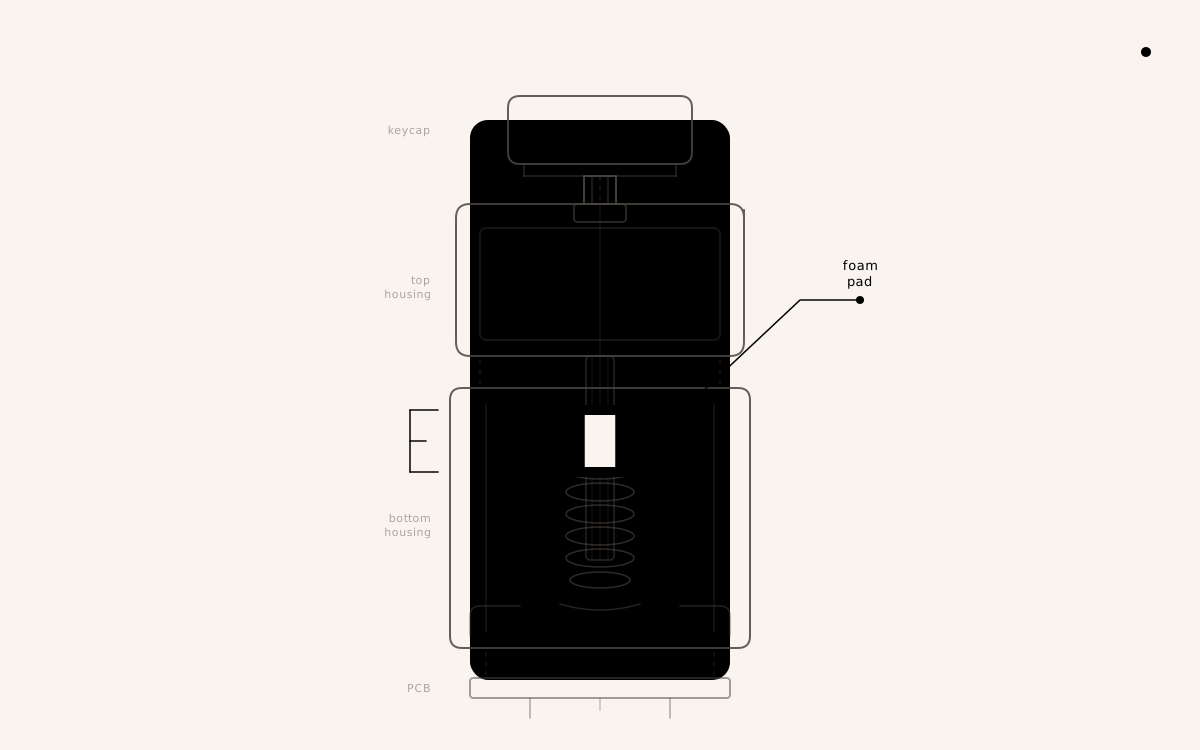
The Holee mod: what foam inside the switch actually buys you
Small pads of polyurethane foam cut and wedged inside the switch housing itself — not under the PCB, not behind it, not under the keycap. The Holee mod works at a smaller scale than every other foam mod in the hobby, and it costs proportionally more time.
thock8 min read
Ideas
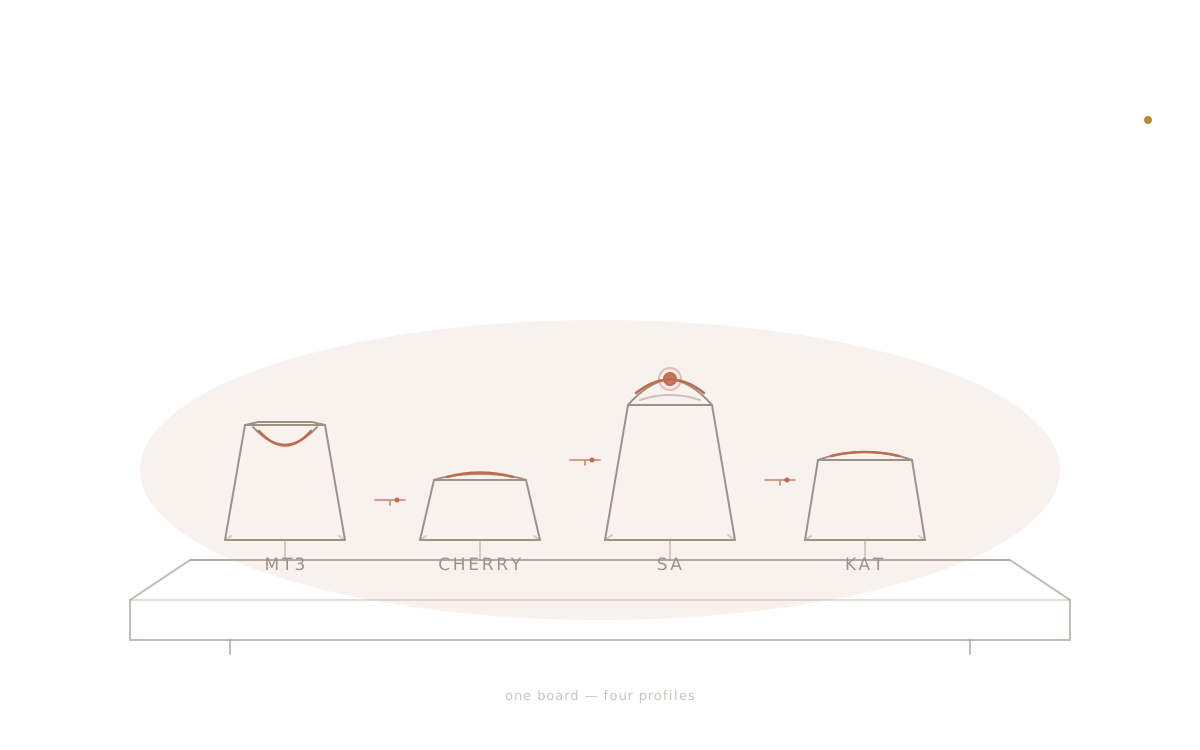
Mixing keycap profiles on one board: what actually works
Mixing profiles reads as a deliberate design choice or a rookie mistake depending entirely on where the swap lands. A handful of zones tolerate it well. The alpha block almost never does.
thock6 min read
Ideas
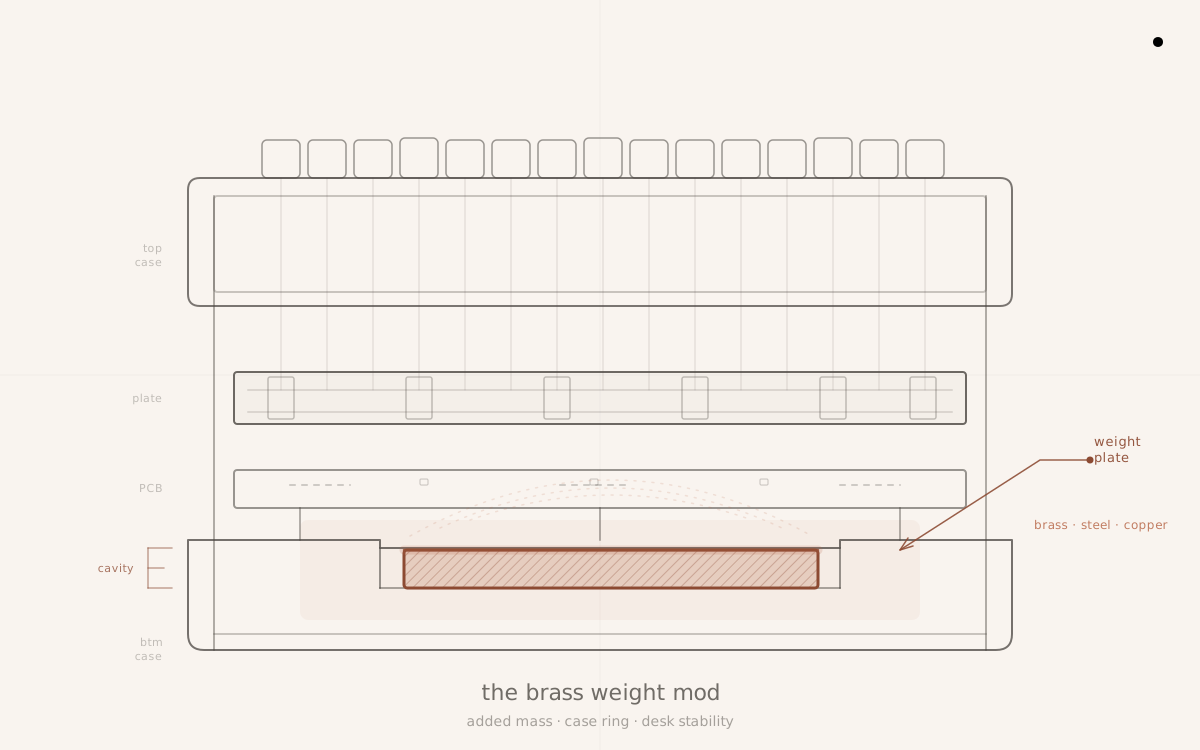
The brass weight mod: what added mass actually buys you
Bolting a half-pound of brass into the bottom of a case is one of the more expensive mods in the hobby for how little it visibly does. It changes how a board sounds and sits on a desk — just not in the ways the marketing copy implies.
thock8 min read
Ideas
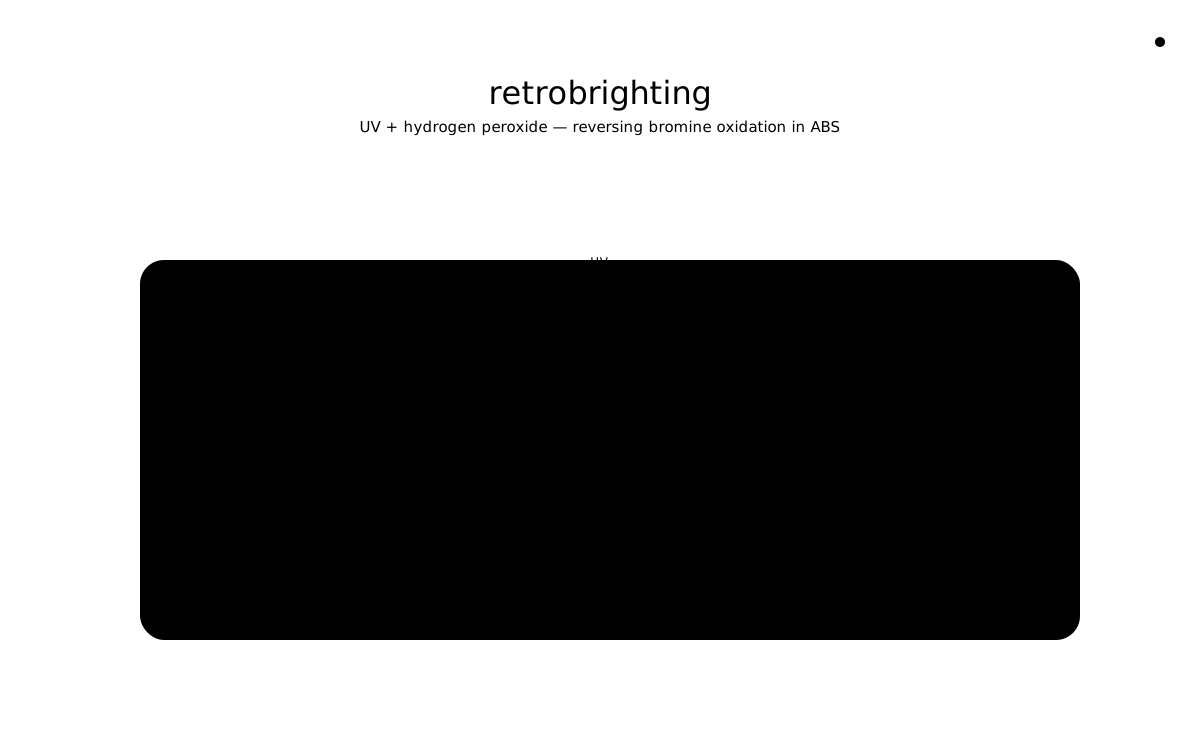
Retrobrighting: what UV and peroxide actually reverse in yellowed ABS
Vintage ABS keycaps go the color of weak tea, and the hobby's fix is a jar of hair developer and a sunny windowsill. The chemistry behind that fix is real — but it reverses one specific kind of damage, and builders regularly aim it at problems it cannot touch.
thock7 min read
Ideas
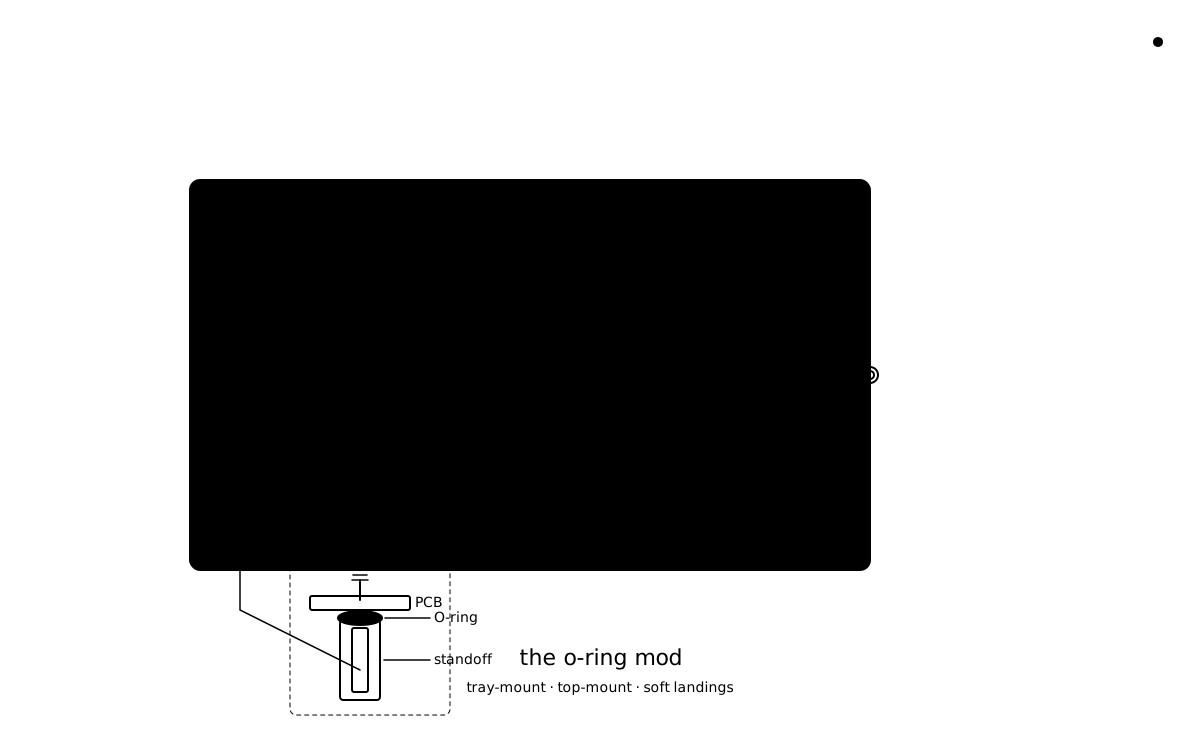
The o-ring mod: soft landings for tray-mount and top-mount boards
A $2 bag of silicone O-rings is enough to give a tray-mount board meaningfully more flex and a cleaner sound. Here is the full procedure and what to realistically expect.
thock8 min read
Ideas
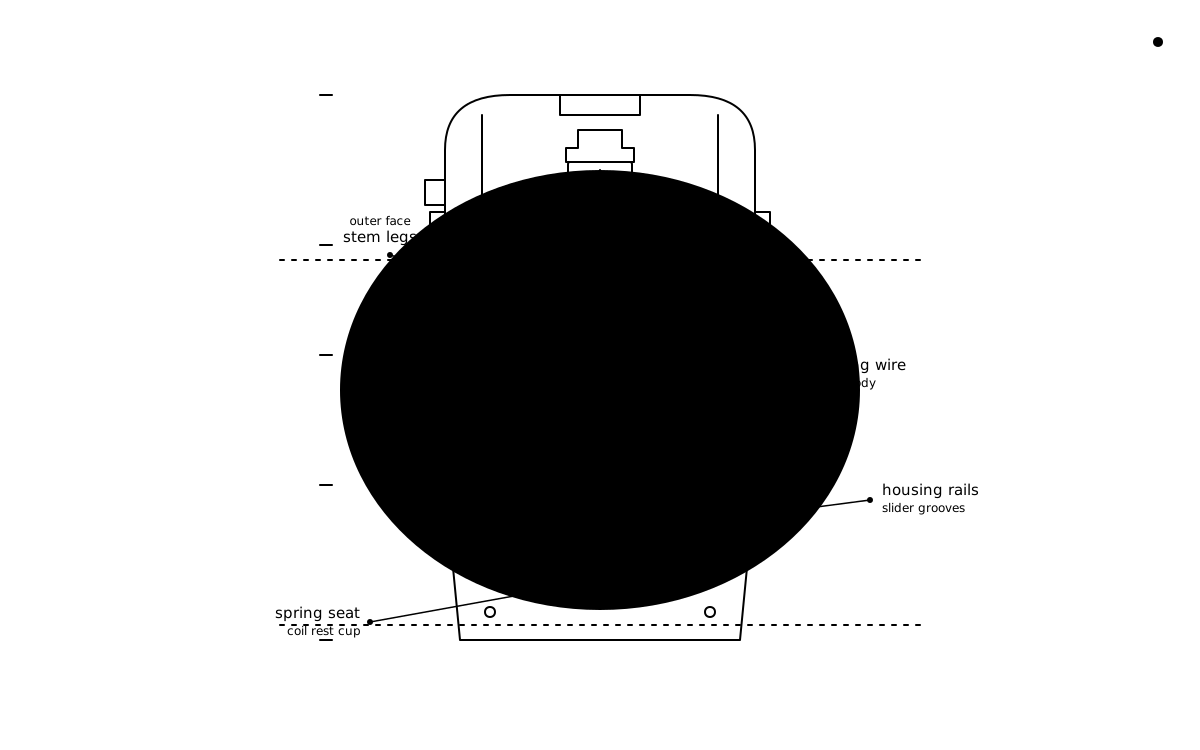
Lubing switches: what to use, how much, and what to skip
Four lubes, four application points, and one rule that prevents most mistakes: over-lubing is irreversible, under-lubing is not. Here is the practical reference.
thock10 min read
Ideas
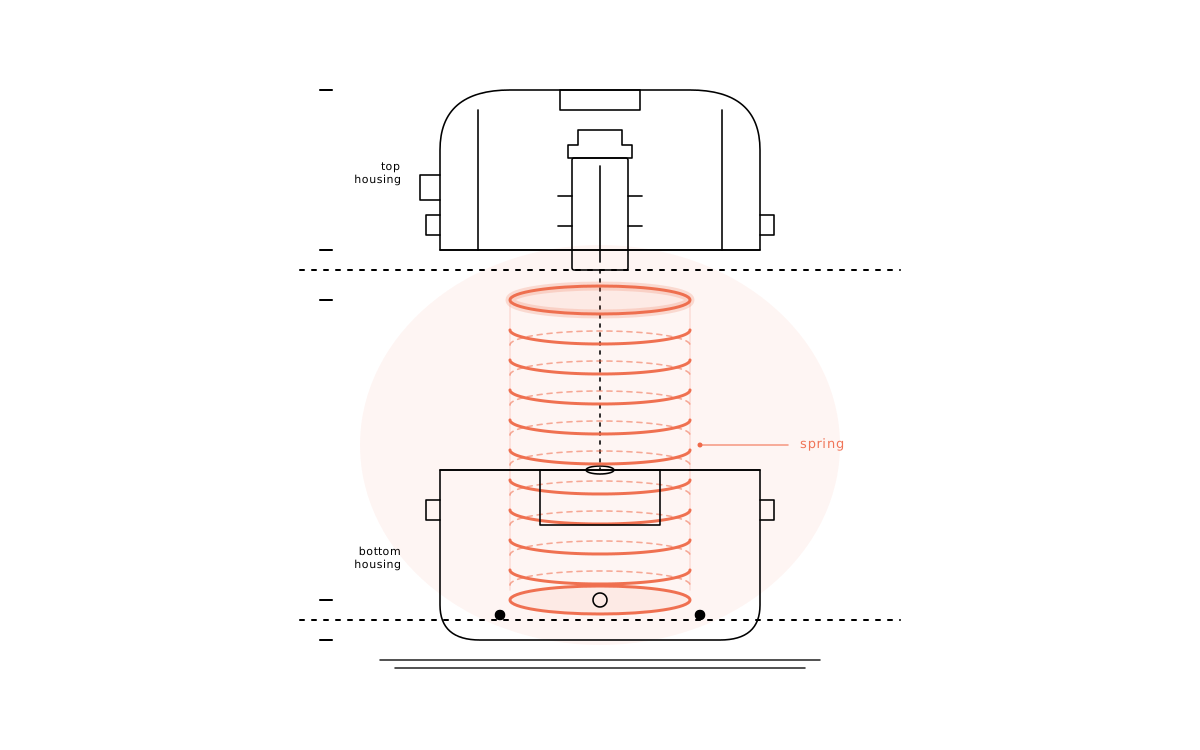
Spring swaps: what swapping the spring actually changes
Swapping the spring is the most-discussed mod that does the least of what builders expect. Here is what the spring actually controls, what it does not, and when the swap is worth the afternoon.
thock9 min read
Ideas
Why typing tests lie
Monkeytype scores reward fast and forgiving. A daily driver needs comfortable and honest. Optimizing a build for the test selects for the wrong things — and the gap shows up around hour two, not in the leaderboard.
thock7 min read
Ideas
Pairing Oil Kings with the Mode Sonnet
This pairing has been on the bench for months, and a free Sunday finally made it happen. The Sonnet is a soft 75 with a block mount, and Oil Kings are a heavy factory-lubed linear — together they hit a register worth coming back to.
thock5 min read
Ideas
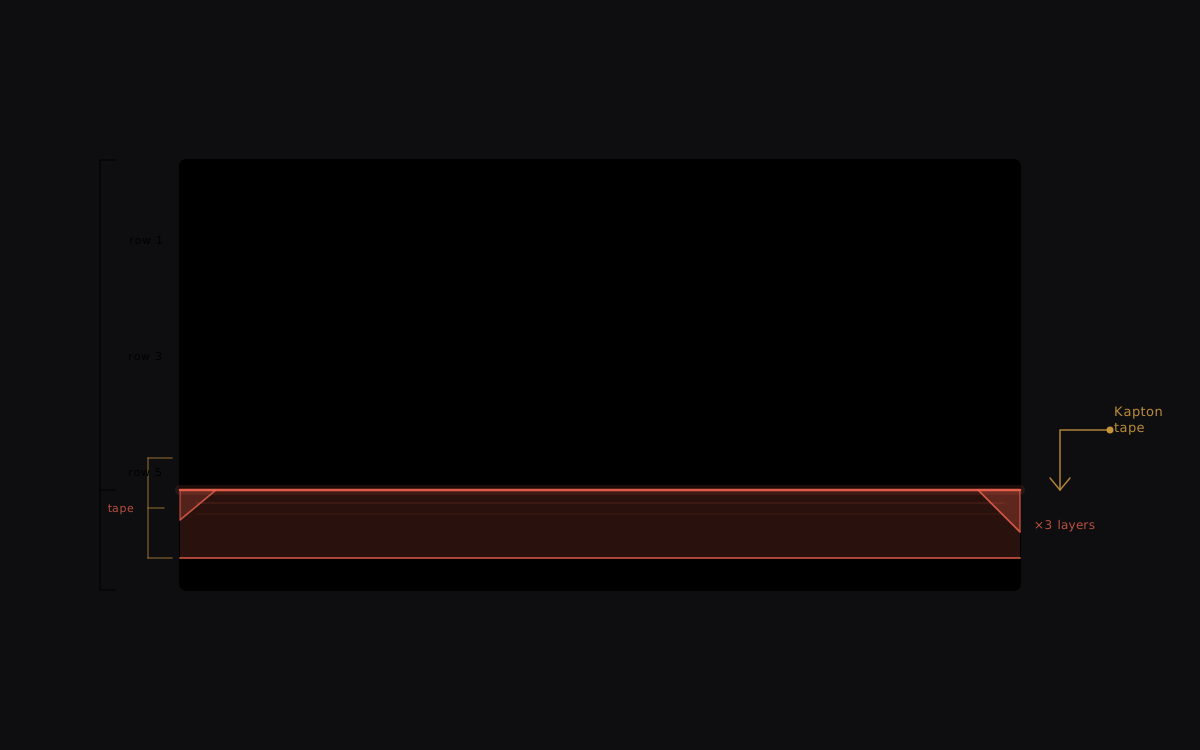
The tape mod: what one strip of Kapton actually does
Three to five strips of painter's tape on the back of your PCB — that's the whole mod. The acoustic effect is real. Its magnitude depends almost entirely on the board underneath it.
thock10 min read
Ideas
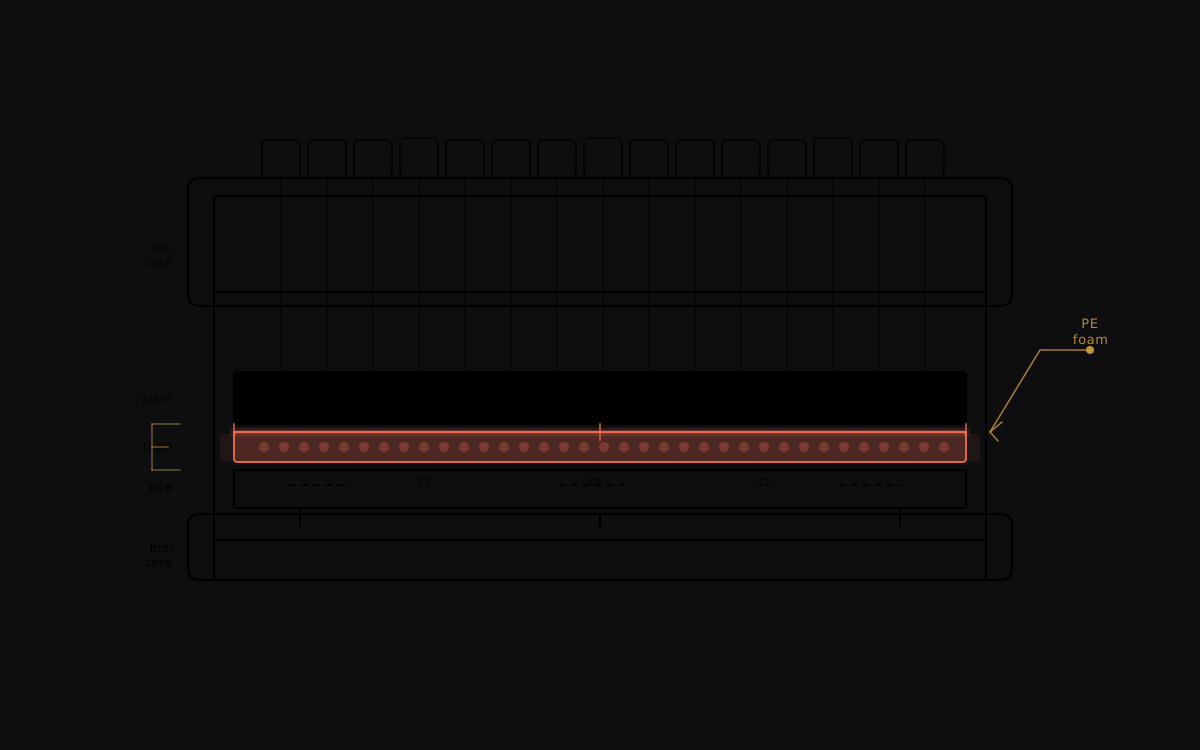
The PE foam mod: the two-dollar upgrade that actually works
PE foam is one of the most accessible mods in the hobby — a $2 sheet between your PCB and case can noticeably reduce hollow resonance. Here is what it actually does, when to use it, and when to skip it.
thock10 min read
Ideas
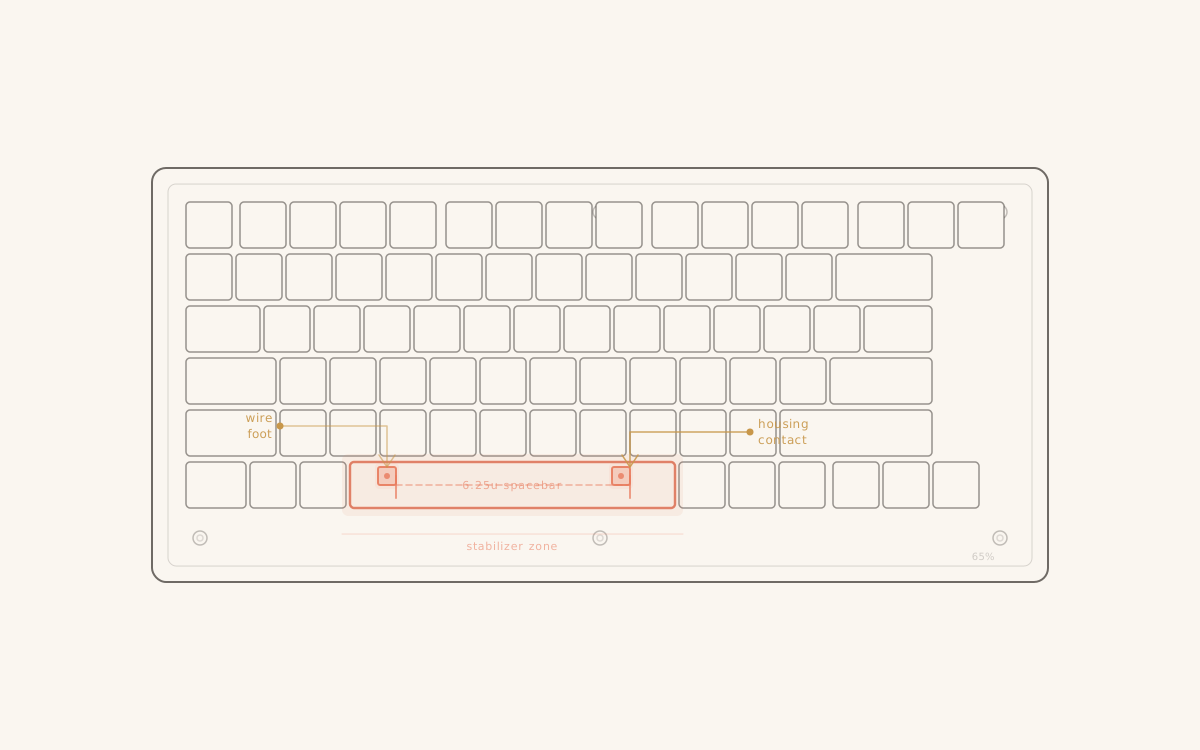
Stabilizer servicing: the one step most builders skip
Most builders lube their switches meticulously and treat stabilizers as an afterthought. The rattle that survives a full stab lube job almost always traces back to one overlooked contact point.
thock11 min read
Ideas
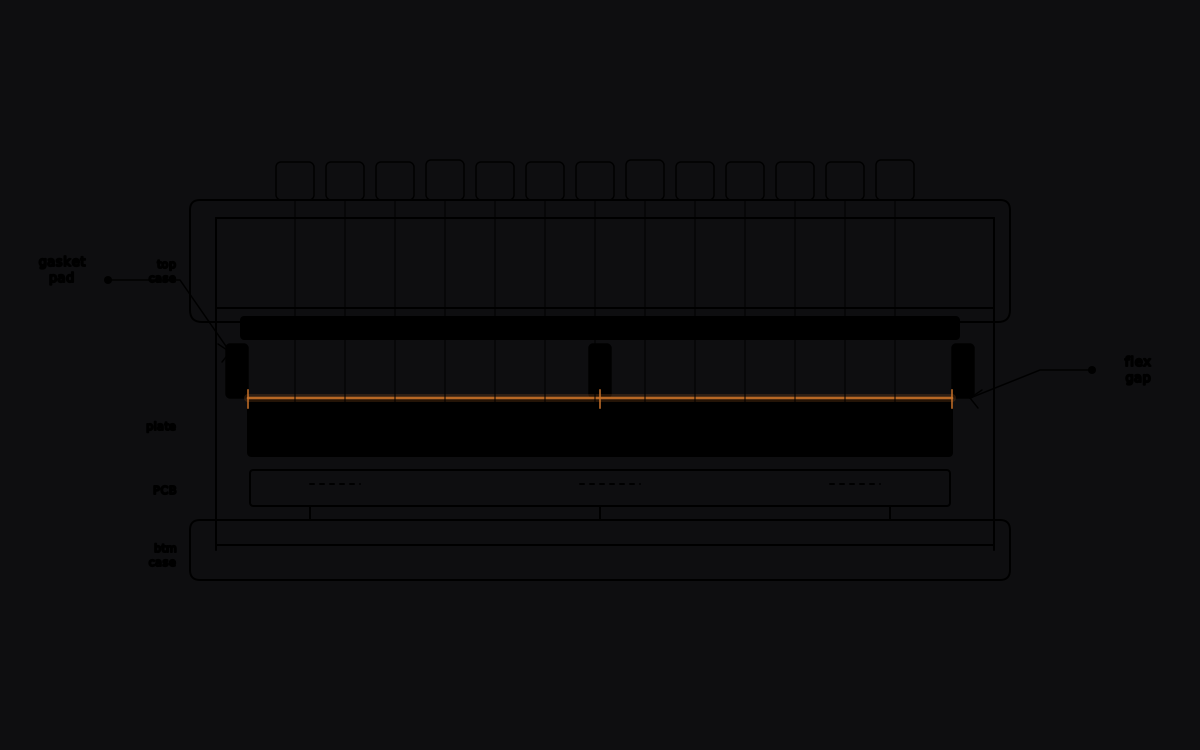
What gasket mount actually delivers (and what it doesn't)
The label appears on keyboards at every price point, from $90 prebuilts to $350 group-buy customs, but two boards with identical spec-sheet language can sound nothing alike. Here is what the term actually tells you, and what it doesn't.
thock9 min read
Ideas
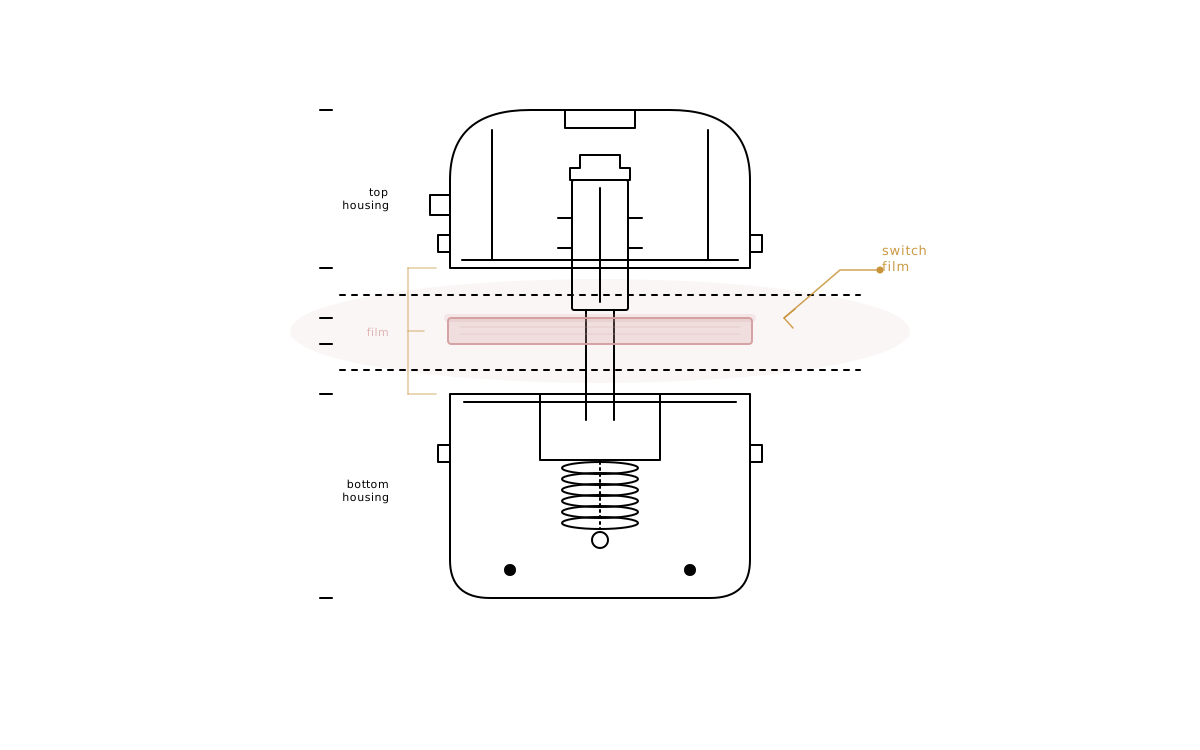
Switch films: do they actually do anything?
Thin POM shims between your switch housings cost five dollars and promise a tighter, better-sounding switch. The mechanism is real. Whether it matters on your specific switches is a separate question.
thock8 min read