loading · part
Spec sheet
- Type
- Tactile
- Top housing
- Nylon
- Bottom housing
- Nylon
- Stem
- POM
- Spring
- 62g actuation · 68g bottom-out
- Travel
- 3.2 mm
- Factory lubed
- yes
- Released
- Jun 1, 2020
Full-sound tactile counterpart to the Boba U4 — same nylon housing, same pronounced round bump near the top of the stroke, but without the stem-mounted silicone dampening pads, so the bottom-out and top-out ring freely. The longer-pole stem that lets the pads' seats go unused also shortens total travel versus the U4. The result is a tactile with a deep, full-bodied thud on each keypress. Popular for typists who want a strong round bump without sacrificing acoustic character. Lubed at the leaf and spring bottom; slide rails ship dry, and spring-rattling on the upstroke is common and addressed with a thin oil on the spring.
Mentioned in 12 articles

Ideas
Parts pairing for a split build: two independent halves, two independent decisions
A split board is two keyboards that happen to share a keymap. Most builders still buy parts for it like it's one — matching switches, ordering a single sculpted keycap set, and never touching the left half's tuning differently from the right's.
thock9 min read
Deep Dives
What a silent switch actually silences — and what it can't
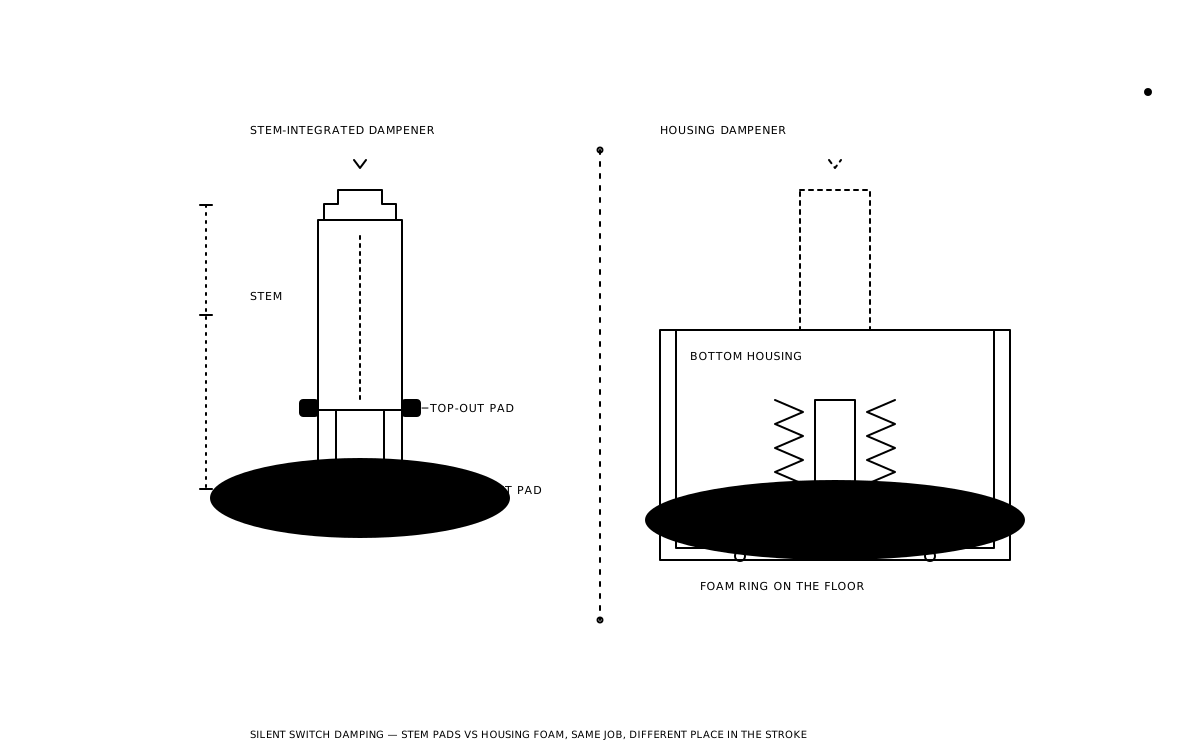
Every keystroke lands twice — once on the floor, once on the ceiling. Cherry molds an elastomer pad onto the stem to catch both; Gazzew fits a silicone one. The undamped Boba U4T shows what either approach is buying — about 14 dB on one tester's meter — and what it costs in travel, rebound, and a bump with nowhere left to go.
thock10 min read
Deep Dives
The Boba Family: One Housing Blend, Five Switches, and the Sound thock Is Named For
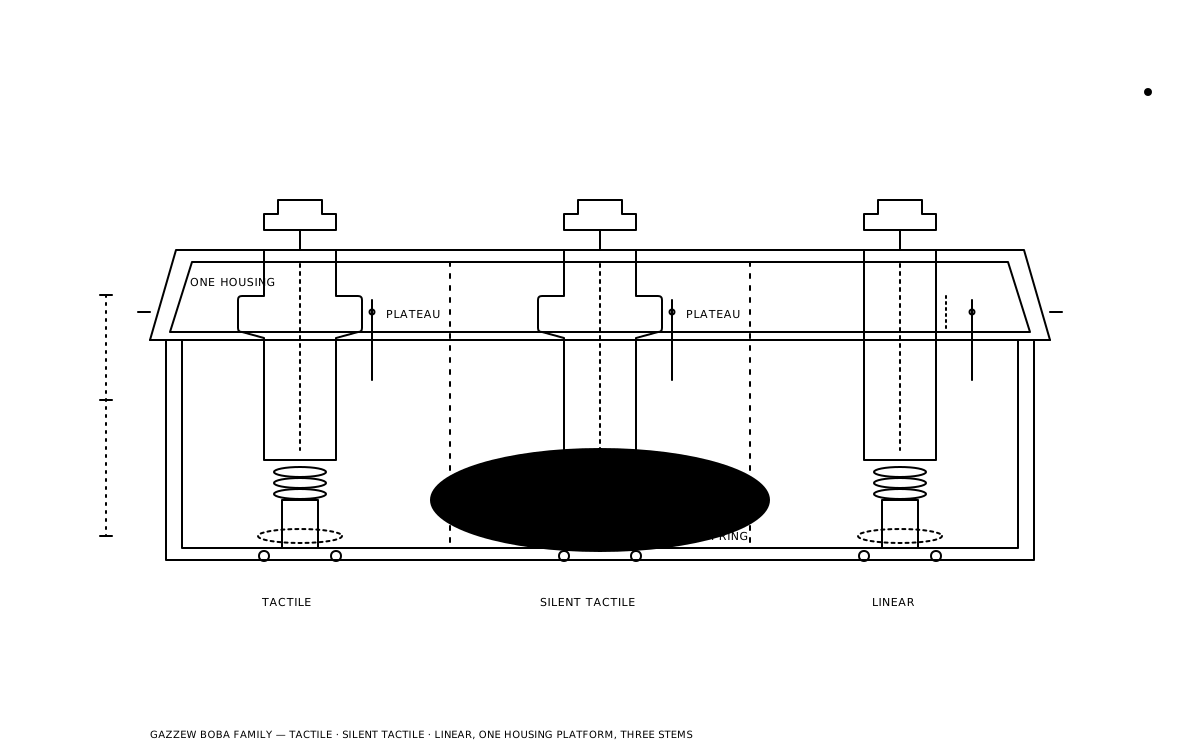
Gazzew designs, Outemu molds, and a plastic softer than nylon does the rest. Every Boba is the same chamber with something deliberately left out — and the pattern of subtractions is the whole family tree.
thock10 min read
Deep Dives
How buckling-spring switches actually work
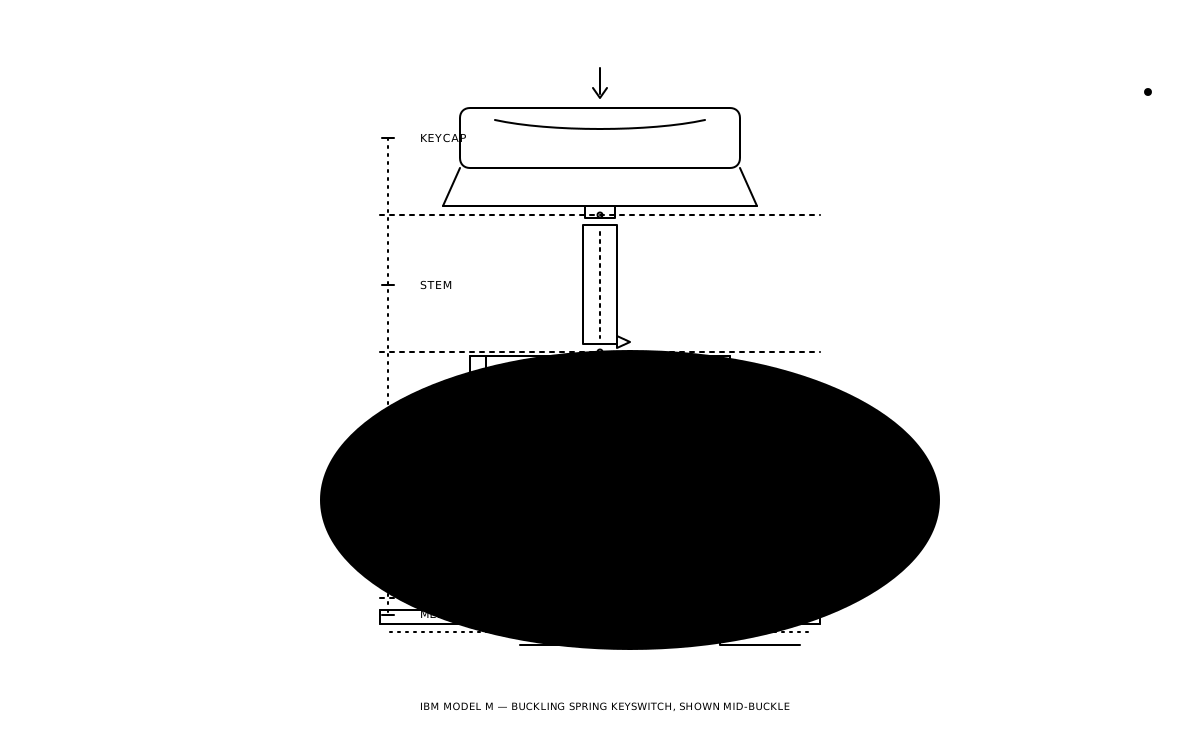
thock has already reached for the buckling-spring snap twice — once to describe a Topre dome, once to describe a click-bar's sharpness — without ever explaining what a buckling spring actually is. The mechanism predates both, and it is stranger and more mechanically honest than either.
thock10 min read
Deep Dives
Why the Durock T1's Bump Feels the Way It Does
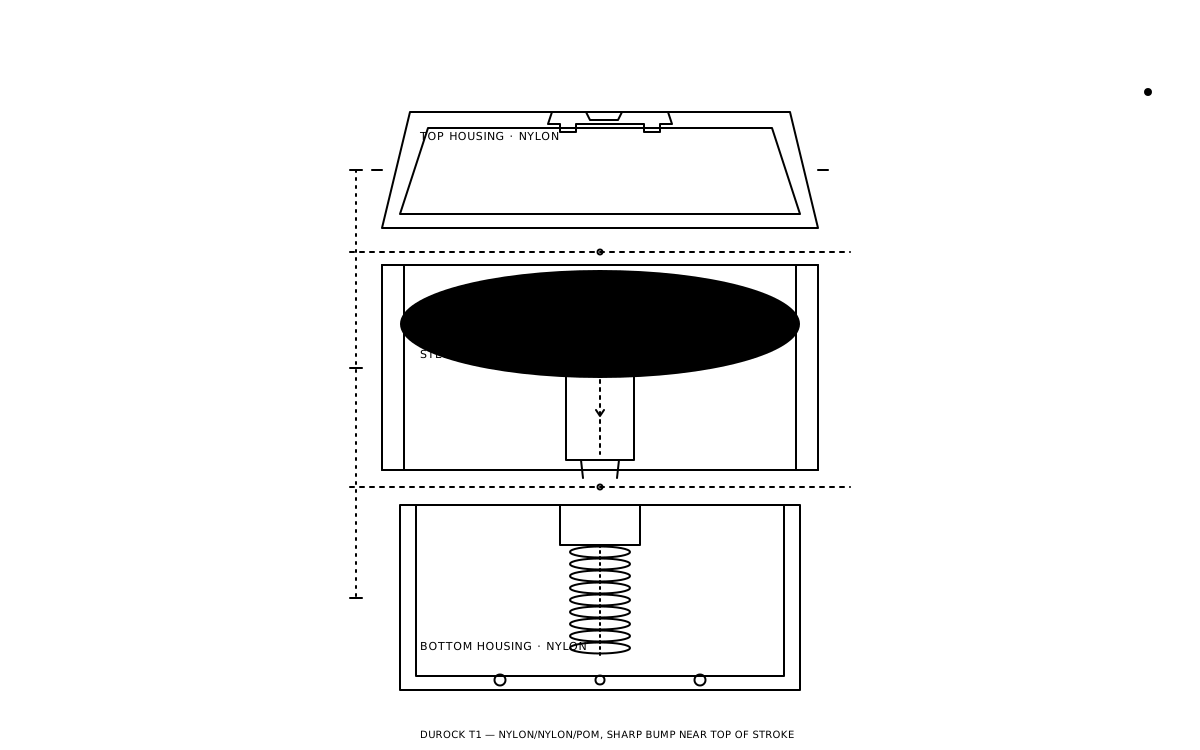
The Durock T1 keeps turning up as the comparison point in other switches' deep-dives — the reference a reviewer reaches for when a bump needs to read as heavy and serious. It has never had its own.
thock10 min read
Deep Dives
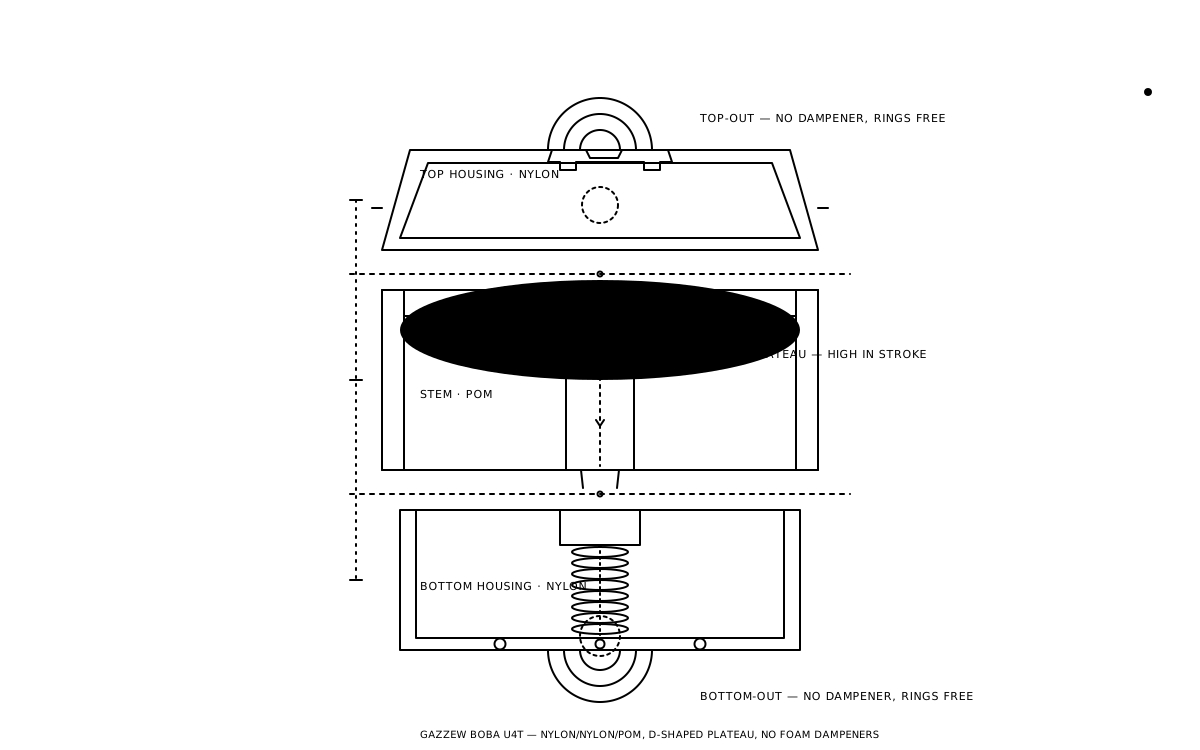
Why the Gazzew Boba U4T Rings Where the Boba U4 Stays Quiet
Same housing, same bump position — the U4T's whole personality comes down to what Gazzew left out. Pull the dampening pads from a Boba U4 and the bottom-out stops being polite.
thock11 min read
Deep Dives
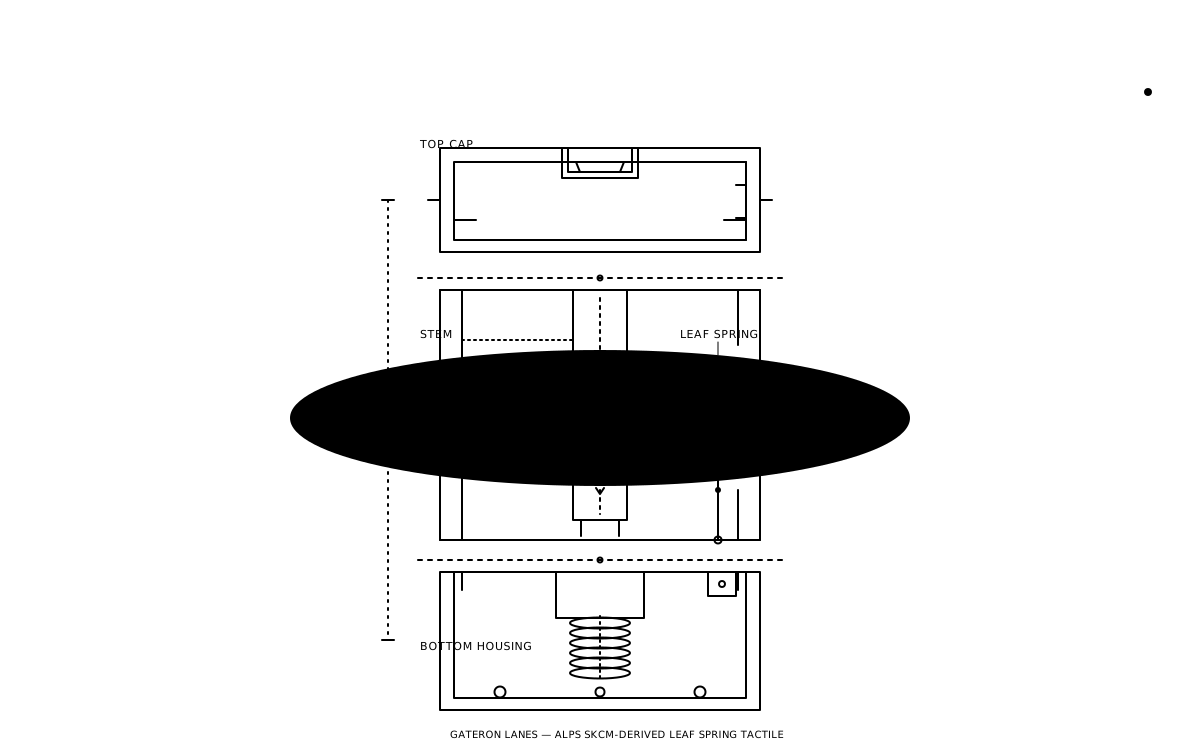
Gateron Lanes: The Alps-Inspired Tactile Taking Over the Mid-Range
Gateron's Lanes draws its DNA from the Alps SKCM Orange — one of the most loved tactile mechanisms of the 1980s — and arrived in June 2026 with enough community conviction to sell out on first drop.
thock12 min read
Deep Dives
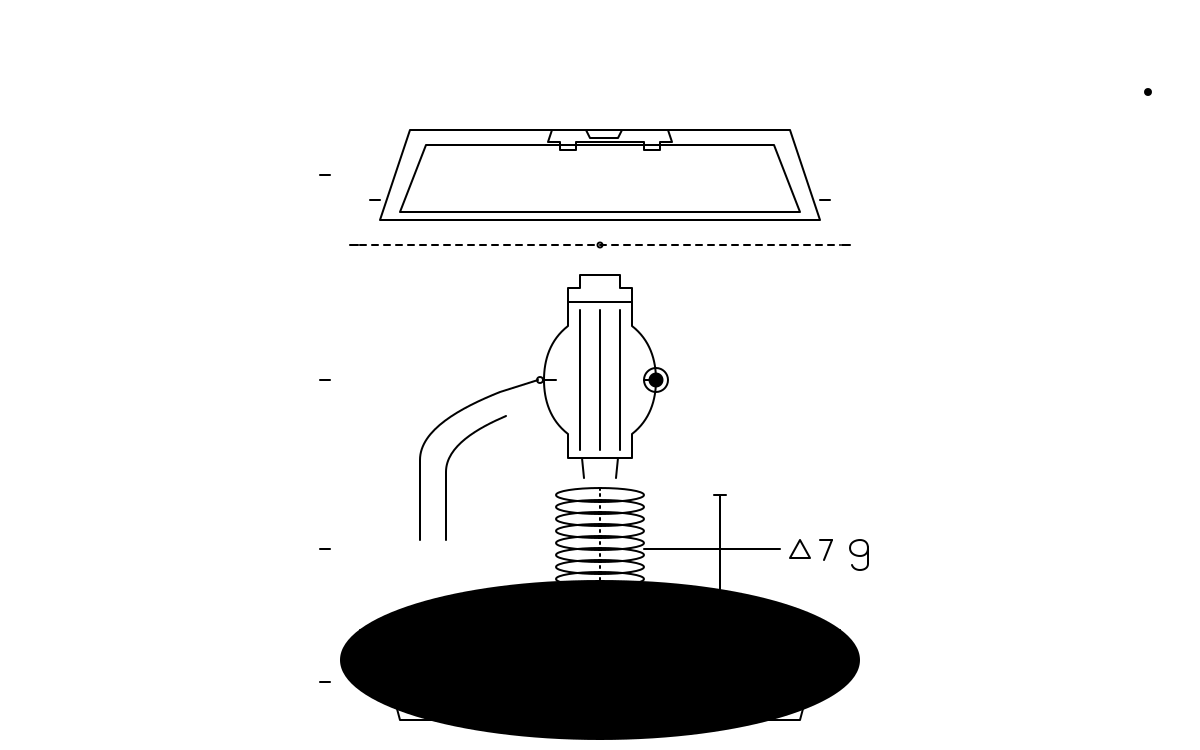
Why the Drop Holy Panda X feels the way it does
The Holy Panda was a six-month frankenswitch project for most of its life. The Drop Holy Panda X is the first version where the geometry, the spring tune, the housing pairing, and the factory lube were the spec — not the mod.
thock13 min read
Guides
A beginner's guide to picking your first switch
Switches are the single biggest factor in how a keyboard feels and sounds, and the catalog has grown overwhelming. This guide narrows the entire market into three families, explains who each one is for, and gives a three-step path from curiosity to a confident first purchase. By the end, the reader can pick a category without second-guessing.
thock8 min read
Deep Dives
Why clicky switches still have a constituency
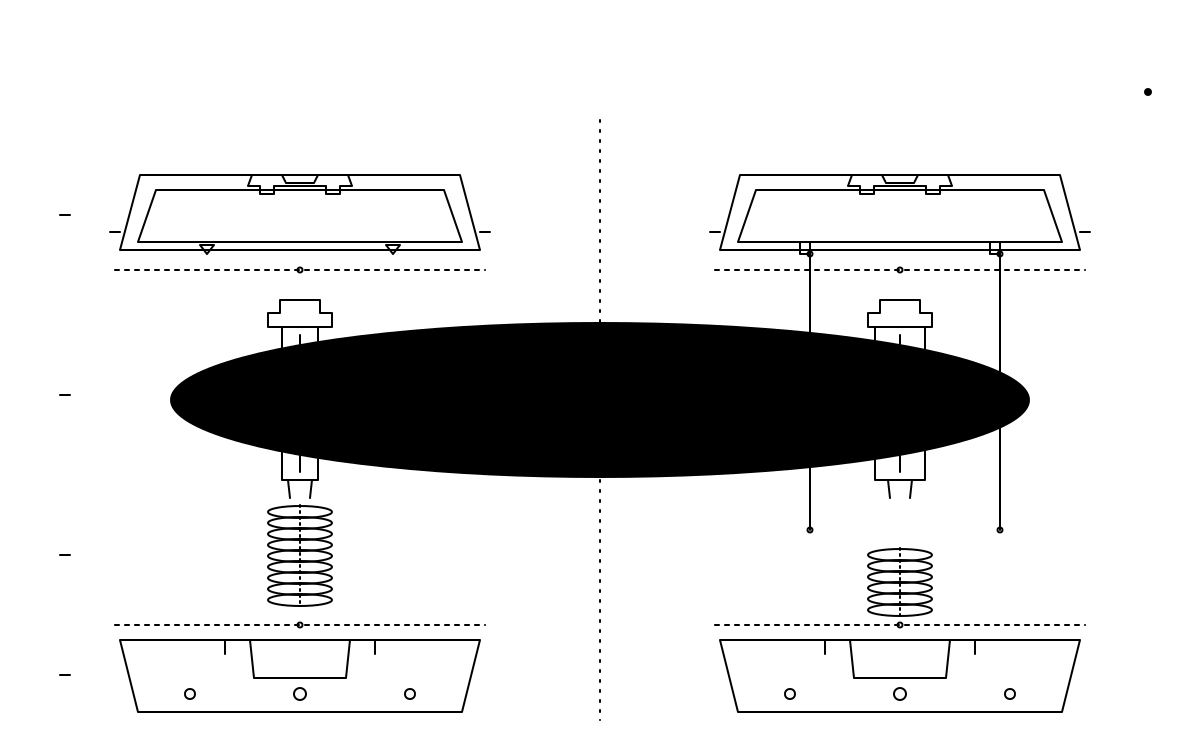
Linears and tactiles dominate the modern build conversation, and clickies barely appear in it. The reason is not that clicky switches have aged out — it is that the people who want them really want them, and the manufacturers know it.
thock10 min read
Deep Dives
How Topre's electrocapacitive switches actually work
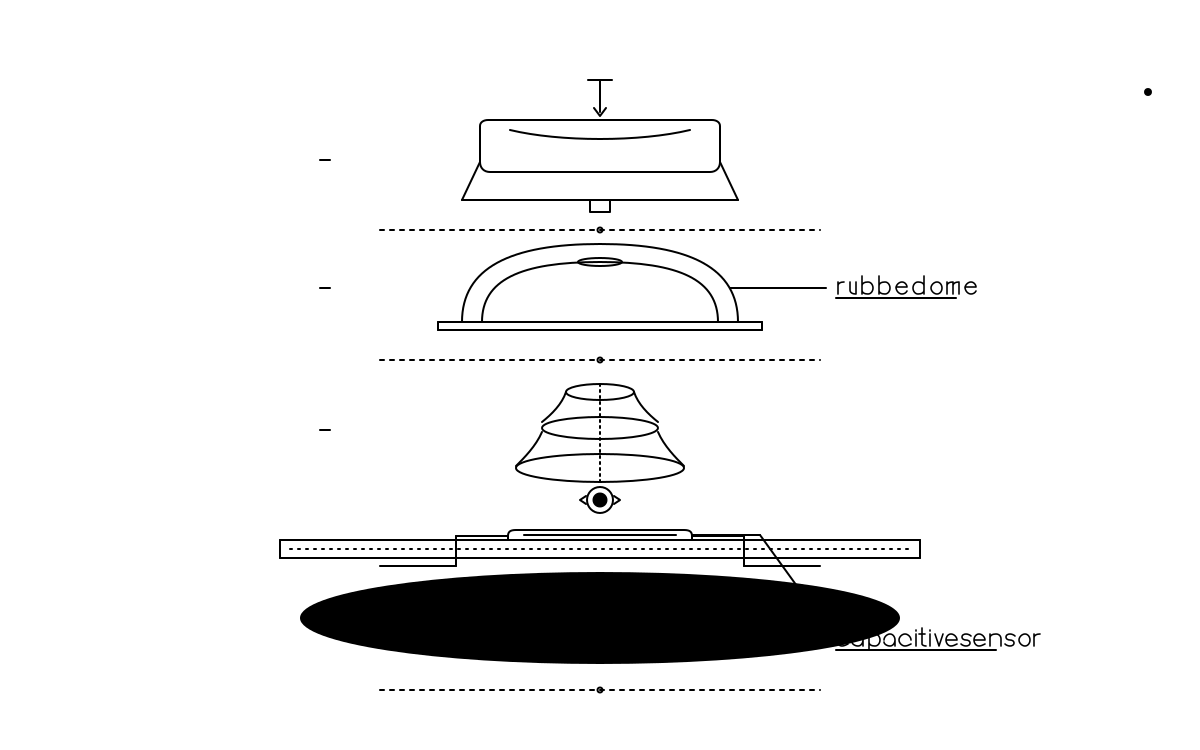
Topre is not just another switch — it is a third sensing lineage, parallel to the MX-style contact switches and the Hall-effect newcomers. Understanding why HHKB and Realforce typists pay what they pay starts with the fact that a Topre keypress does not close a circuit at all.
thock12 min read
Ideas
Switch films: do they actually do anything?
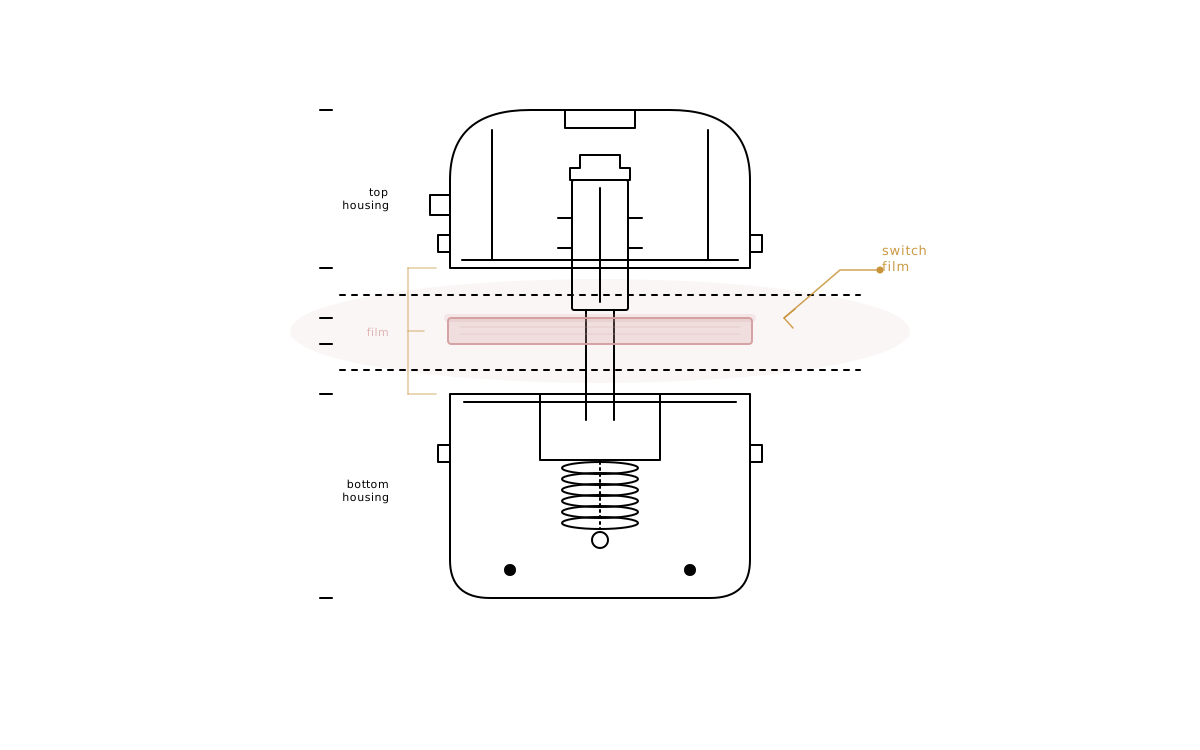
Thin POM shims between your switch housings cost five dollars and promise a tighter, better-sounding switch. The mechanism is real. Whether it matters on your specific switches is a separate question.
thock8 min read
Gazzew Boba U4T appears in editor-curated build sheets.