loading · tag
Archive
Every #switches piece
Deep Dives
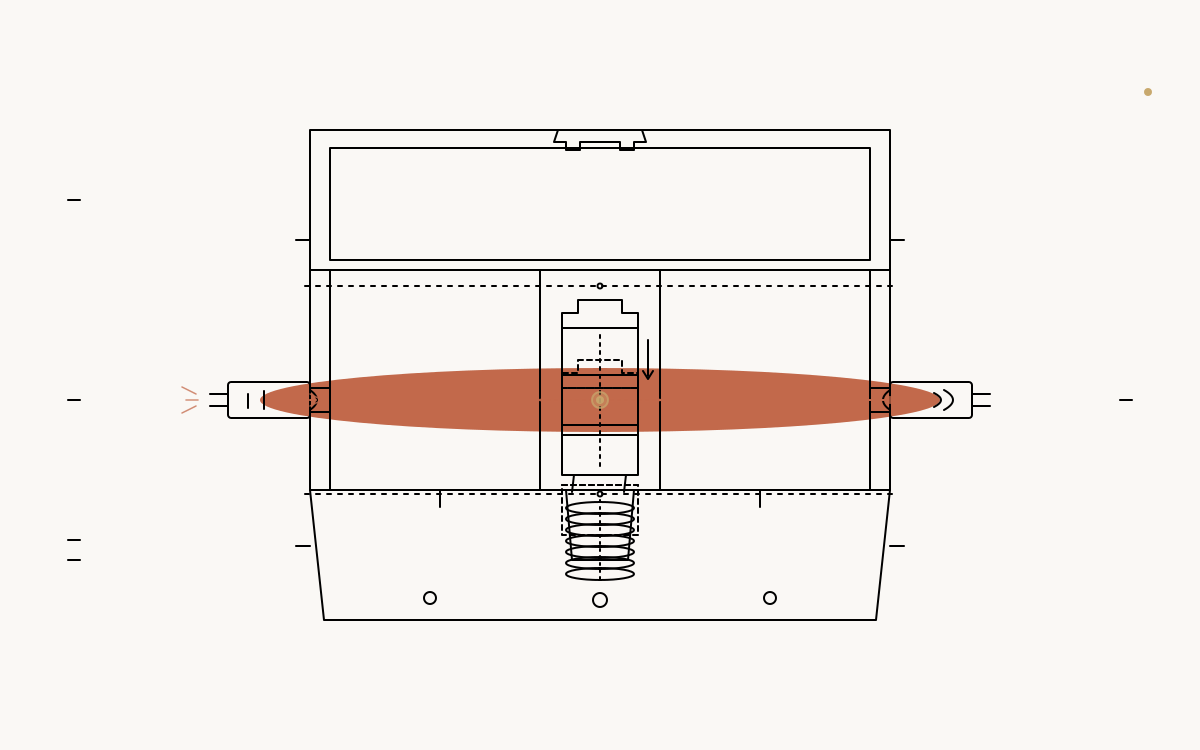
How optical switches actually sense a keypress
An optical switch replaces the metal contact with a beam of light. That one change eliminates contact bounce entirely, reshapes the latency math, and is why some optical boards can offer per-key actuation at 0.1mm granularity. The mechanism is simpler than the marketing makes it sound.
thock12 min read
Ideas
Lubing switches: what to use, how much, and what to skip
Four lubes, four application points, and one rule that prevents most mistakes: over-lubing is irreversible, under-lubing is not. Here is the practical reference.
thock10 min read
Deep Dives
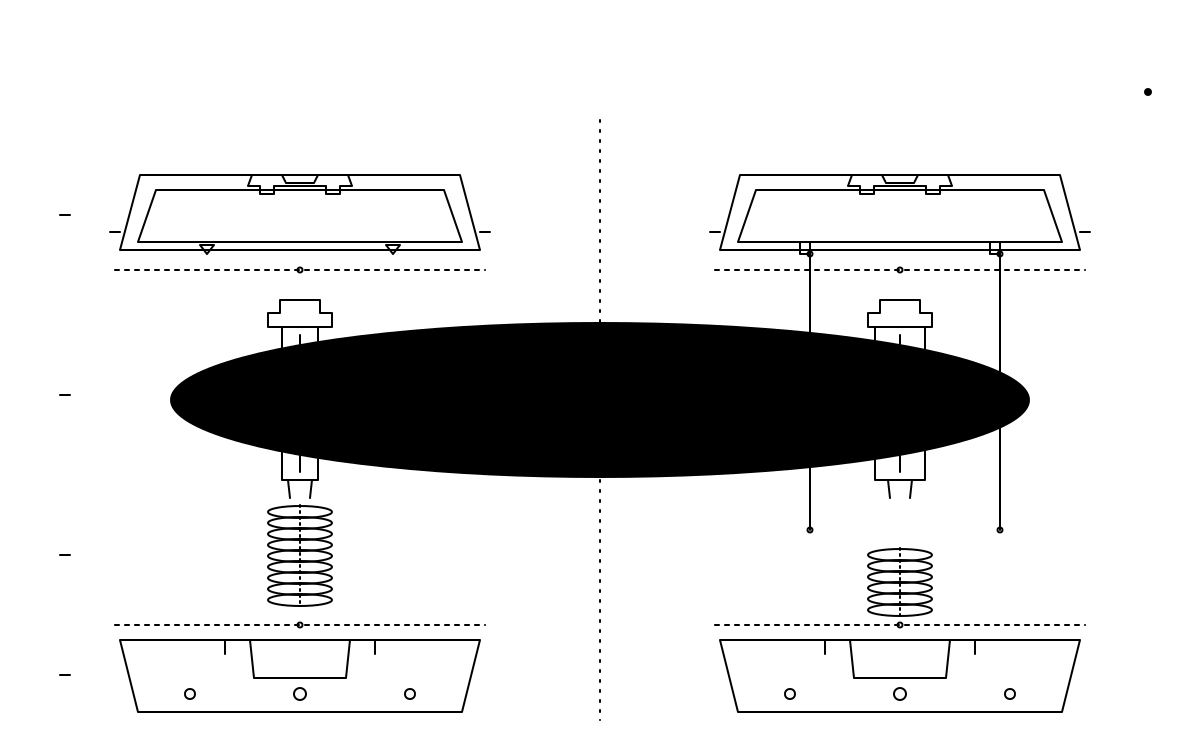
Why clicky switches still have a constituency
Linears and tactiles dominate the modern build conversation, and clickies barely appear in it. The reason is not that clicky switches have aged out — it is that the people who want them really want them, and the manufacturers know it.
thock10 min read
Deep Dives
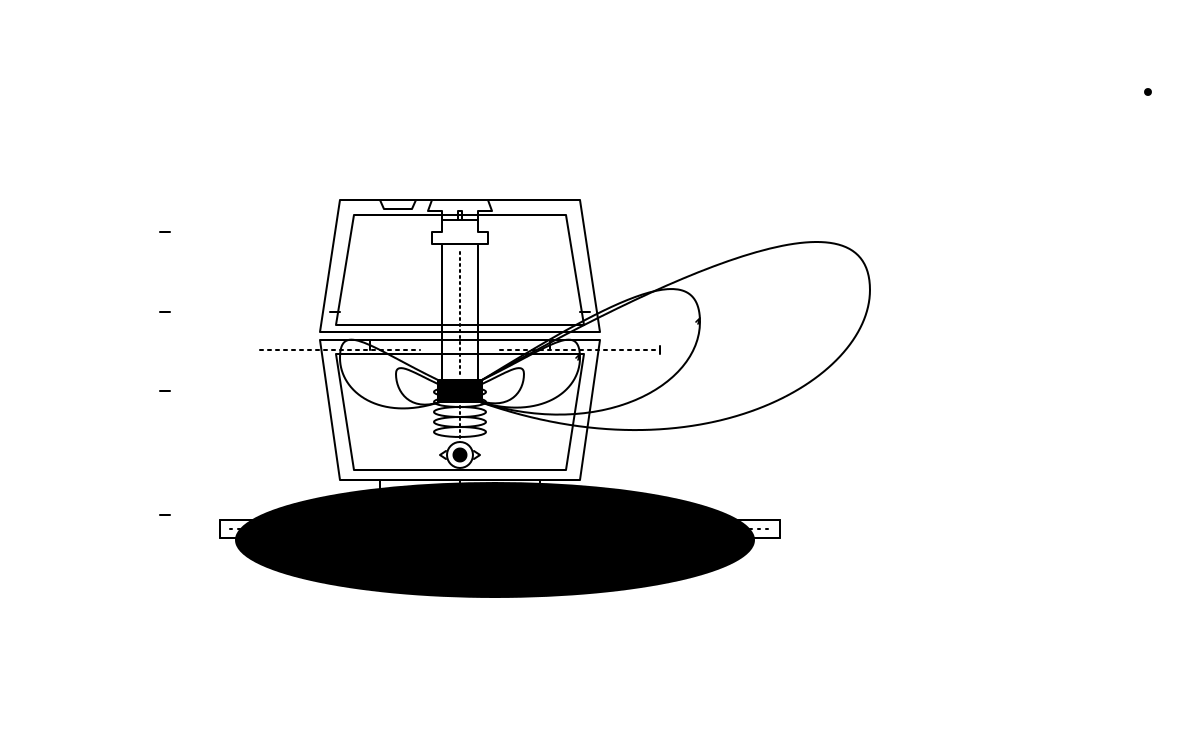
How Hall-effect switches actually sense a keypress
A Hall-effect switch is not a faster MX switch. It is a different sensing lineage — a magnet in the stem, a sensor on the PCB, and an analog voltage where contact closure used to be. The features the marketing pages lead with all unwind from that one architectural fact.
thock13 min read
Deep Dives
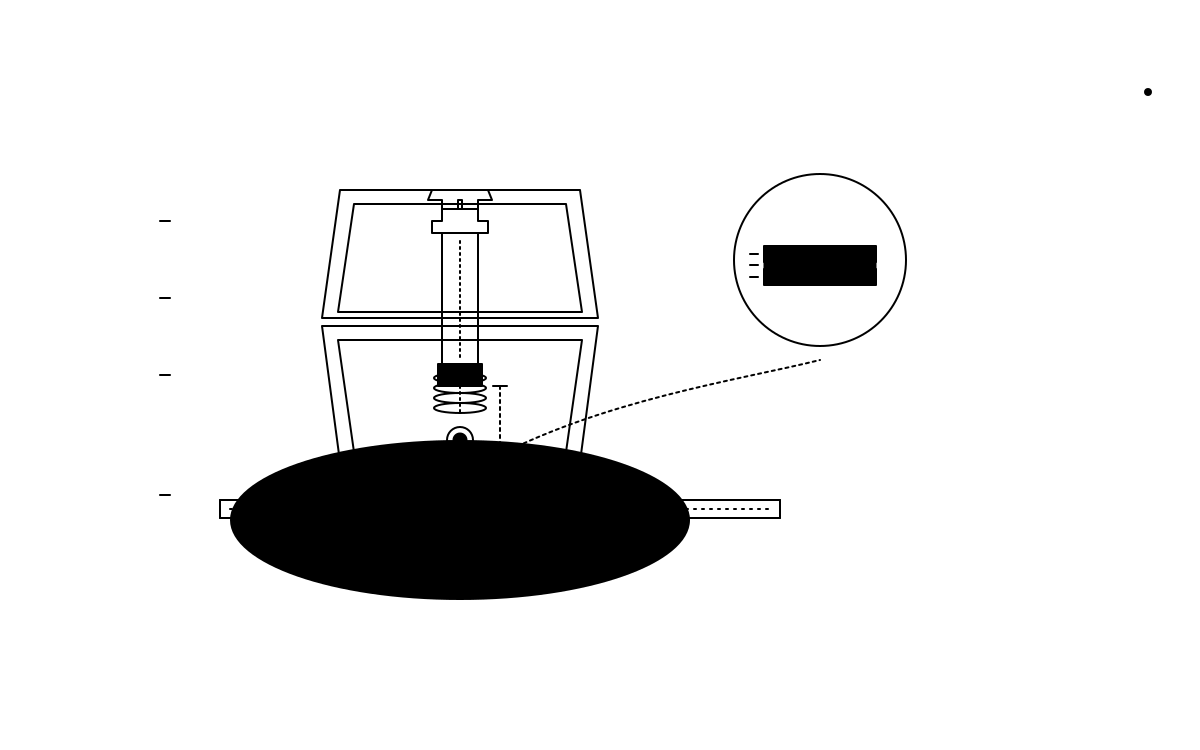
What a TMR sensor is actually measuring under a magnetic switch
Keychron's Q16 HE 8K and Cherry's XTRFY TMR boards get covered as a new switch generation. The real change sits a few millimeters below the magnet — a tunnel junction reading field strength through resistance instead of voltage, with a noise floor low enough to matter at the shallow end of the stroke.
thock11 min read
Ideas
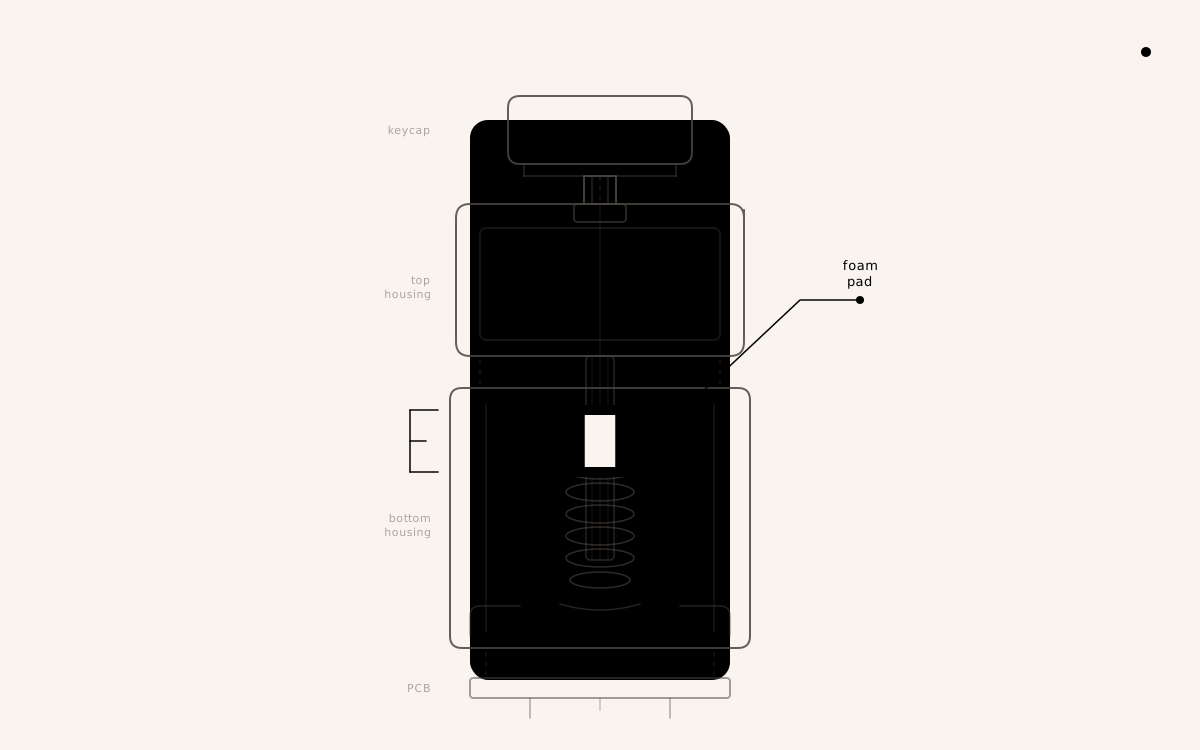
The Holee mod: what foam inside the switch actually buys you
Small pads of polyurethane foam cut and wedged inside the switch housing itself — not under the PCB, not behind it, not under the keycap. The Holee mod works at a smaller scale than every other foam mod in the hobby, and it costs proportionally more time.
thock8 min read
Deep Dives
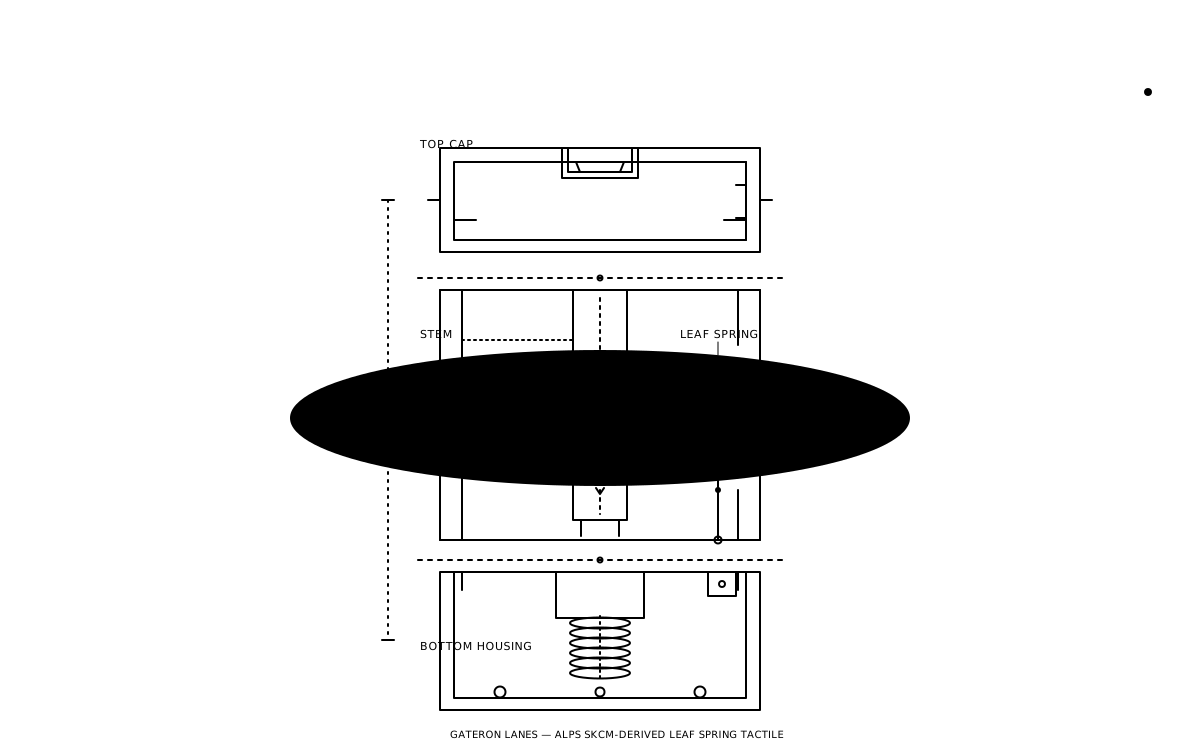
Gateron Lanes: The Alps-Inspired Tactile Taking Over the Mid-Range
Gateron's Lanes draws its DNA from the Alps SKCM Orange — one of the most loved tactile mechanisms of the 1980s — and arrived in June 2026 with enough community conviction to sell out on first drop.
thock12 min read
Trends
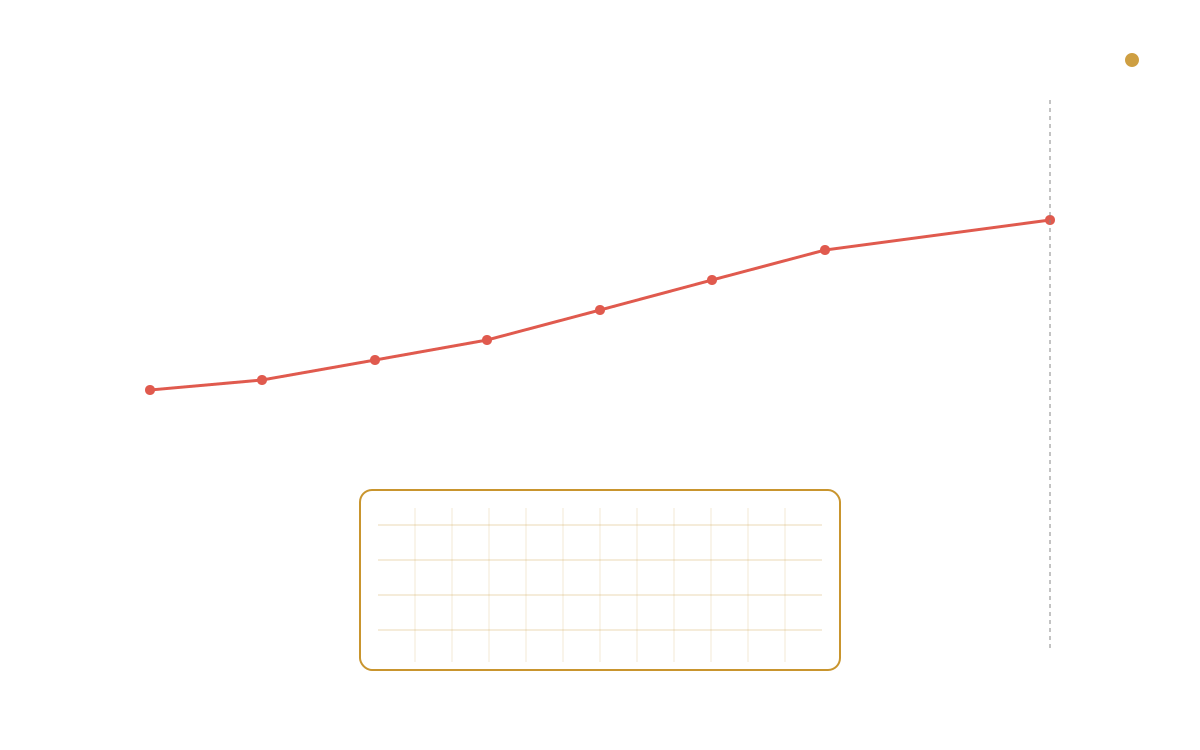
Gaming Boards Are Winning the Spec War, and Enthusiasts Are Paying Attention
Hall-effect sensors and Rapid Trigger have done what RGB lighting and polling-rate marketing never could: closed the spec gap between gaming keyboards and enthusiast builds at the hardware layer. The divide persists in culture and community, but at the switch and firmware level, the lines are dissolving.
thock8 min read
Deep Dives
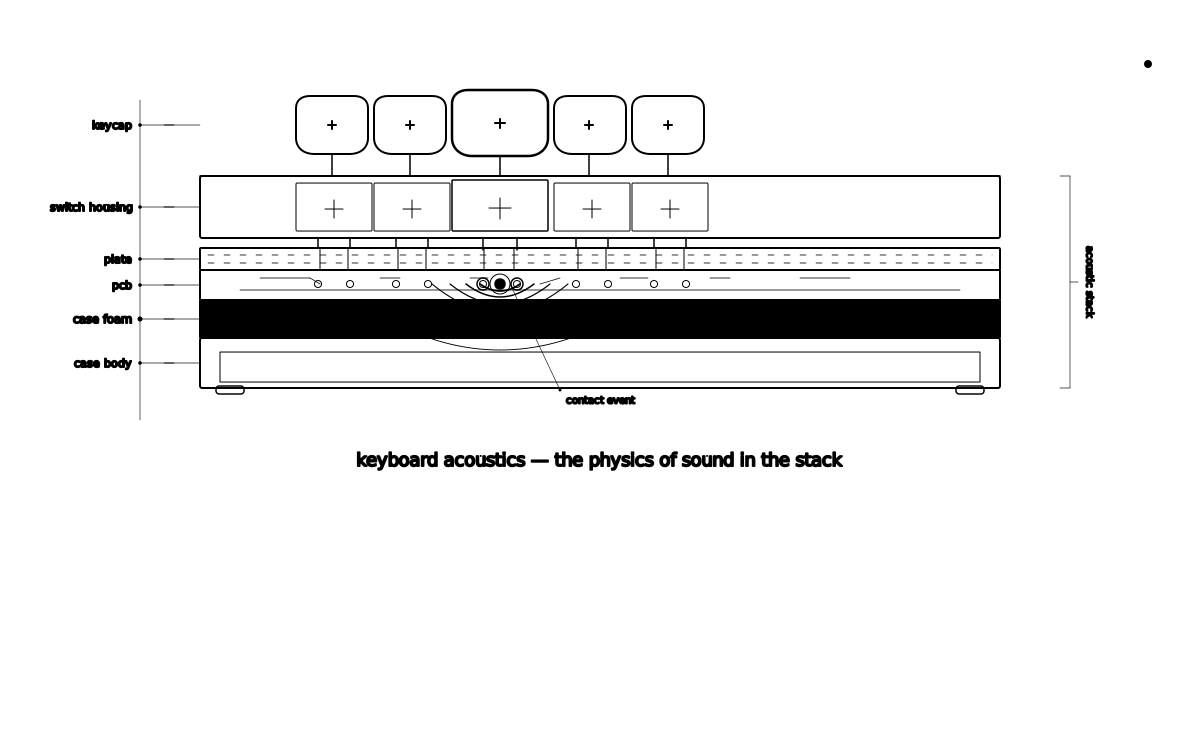
The physics of thock: how every layer shapes your keyboard's sound
Every component between your fingertip and the desk makes a decision about your keyboard's sound — the switch, the plate, the case, the surface it sits on. Understanding what each layer adds or subtracts is the difference between chasing a sound blindly and engineering it deliberately.
thock16 min read
Guides
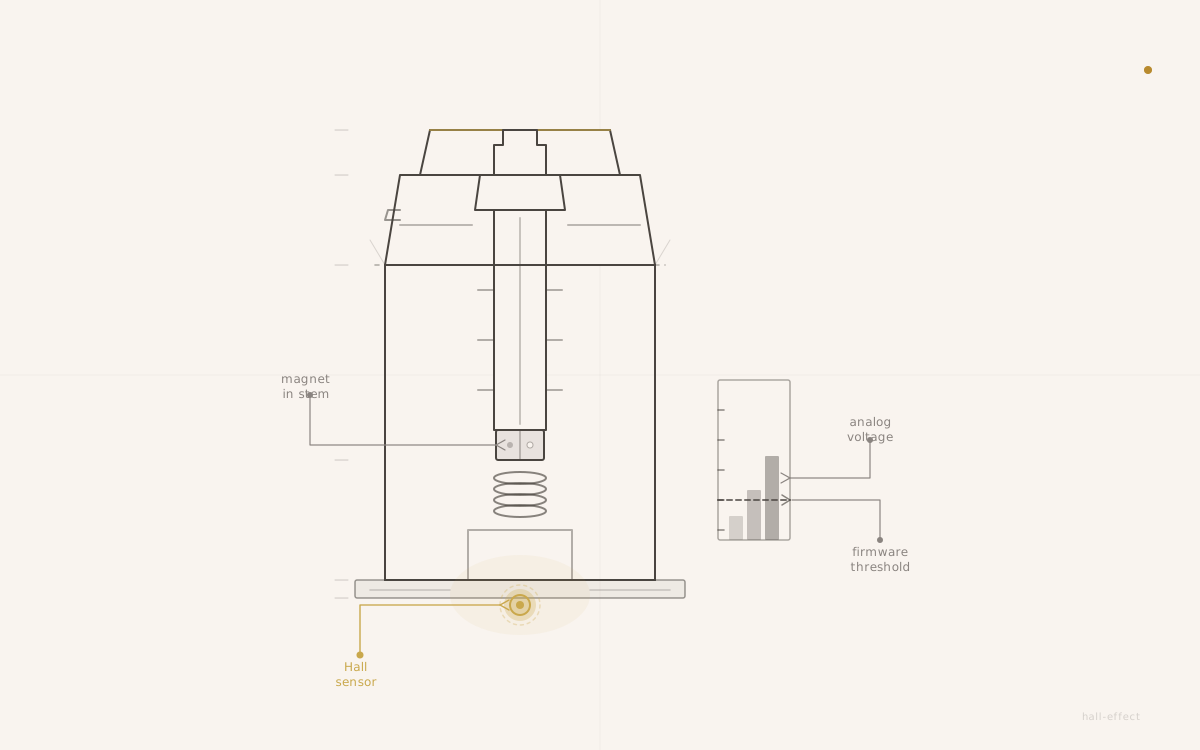
Hall-effect keyboards: a practical buyer's guide
Rapid trigger, per-key actuation depth, analog axis output — Hall-effect keyboards deliver all three, but only if the firmware matches the hardware. Here is what to look for, what to pay, and who should skip the category entirely.
thock10 min read
News
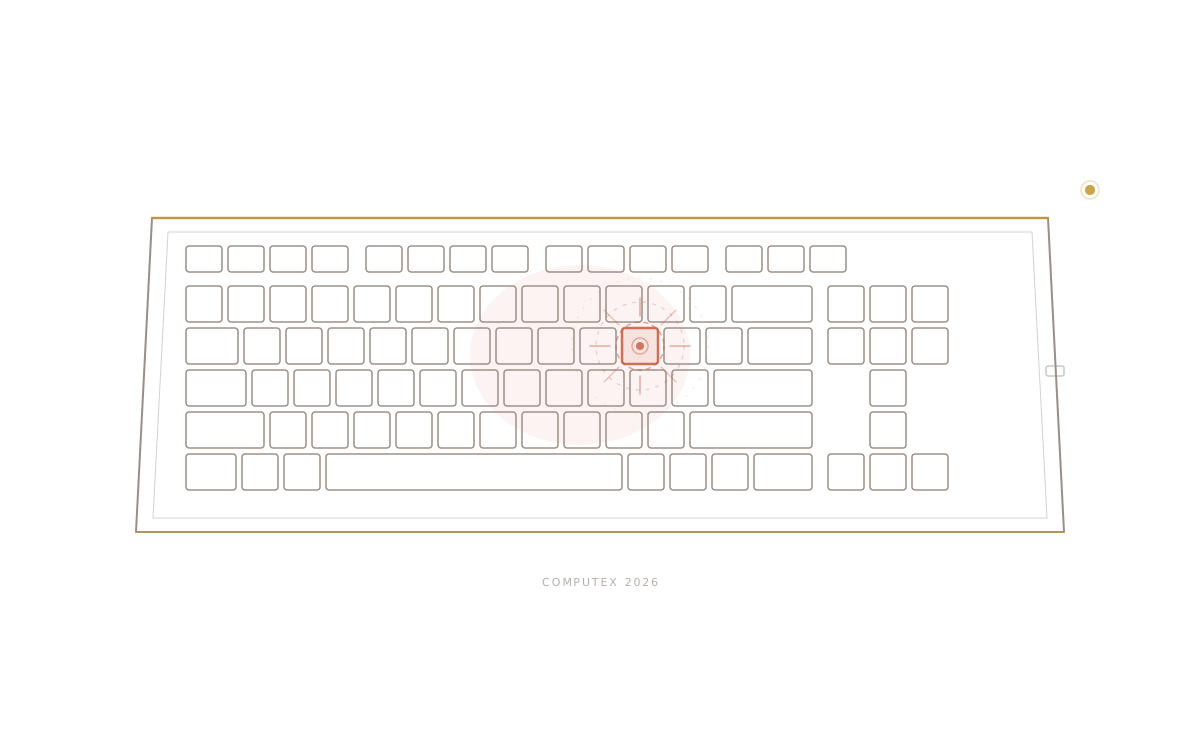
Computex 2026: hall-effect keyboards enter the enthusiast conversation
Computex 2026 (May 20–24) was the week hall-effect stopped being a gaming-peripheral curiosity and walked into the same room as enthusiast-grade chassis. Two boards made that argument concrete.
thock8 min read
Ideas
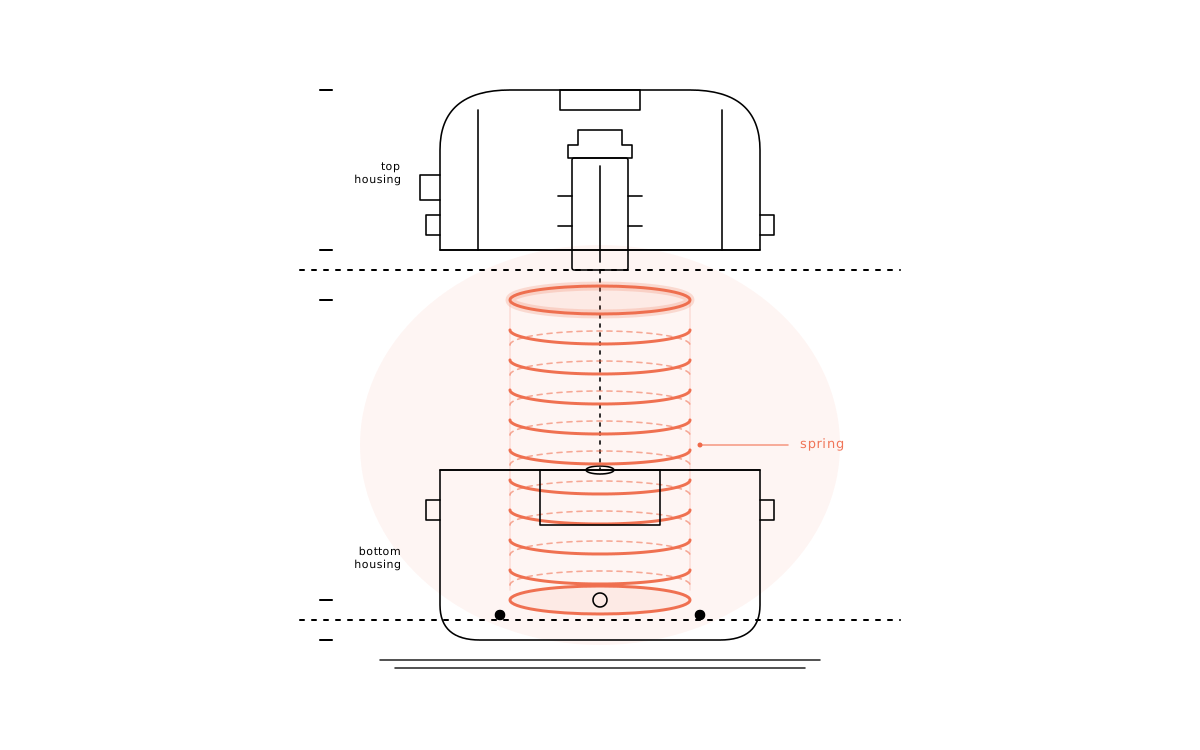
Spring swaps: what swapping the spring actually changes
Swapping the spring is the most-discussed mod that does the least of what builders expect. Here is what the spring actually controls, what it does not, and when the swap is worth the afternoon.
thock9 min read
Deep Dives
What Cherry's MX2A revision actually changed
Cherry's MX2A landed in 2023 with a real engineering update — factory lube, tighter tolerances, the same 100M-press lifespan. The reason the discourse cooled isn't that the switch failed; it's that the enthusiast slot it aimed at was already claimed by the time it arrived.
thock8 min read
Deep Dives
How HMX took over the mid-tier linear slot
Two years ago HMX was a name on a vendor page nobody pronounced confidently. In W19, the Cloud sat second among switches on our tracker and landed in half the $120 prebuilts the scene argues about. The rise wasn't an accident.
thock13 min read
Ideas
Why typing tests lie
Monkeytype scores reward fast and forgiving. A daily driver needs comfortable and honest. Optimizing a build for the test selects for the wrong things — and the gap shows up around hour two, not in the leaderboard.
thock7 min read
Guides
Lubing 101: what matters, what doesn't, and where to stop
Lube moves the sound and feel of a switch in ways nothing else in the build can. It also chews up a Saturday and ruins switches when applied with the enthusiasm the rabbit-hole crowd recommends. Here is the version that earns its keep.
thock9 min read
Trends
How Hall-effect quietly became the new mid-premium default
The polling-rate hype is loud and easy to wave off — 8K, 32K, numbers chasing each other up the spec sheet. The quieter story is that the magnetic-switch tier has stopped being a Wooting-shaped niche and has settled into the $100–$230 prebuilt slot the scene actually buys from. The volume has moved, not just the marketing.
thock7 min read
Guides
Switch housings, compared: nylon, polycarbonate, POM, and the rest
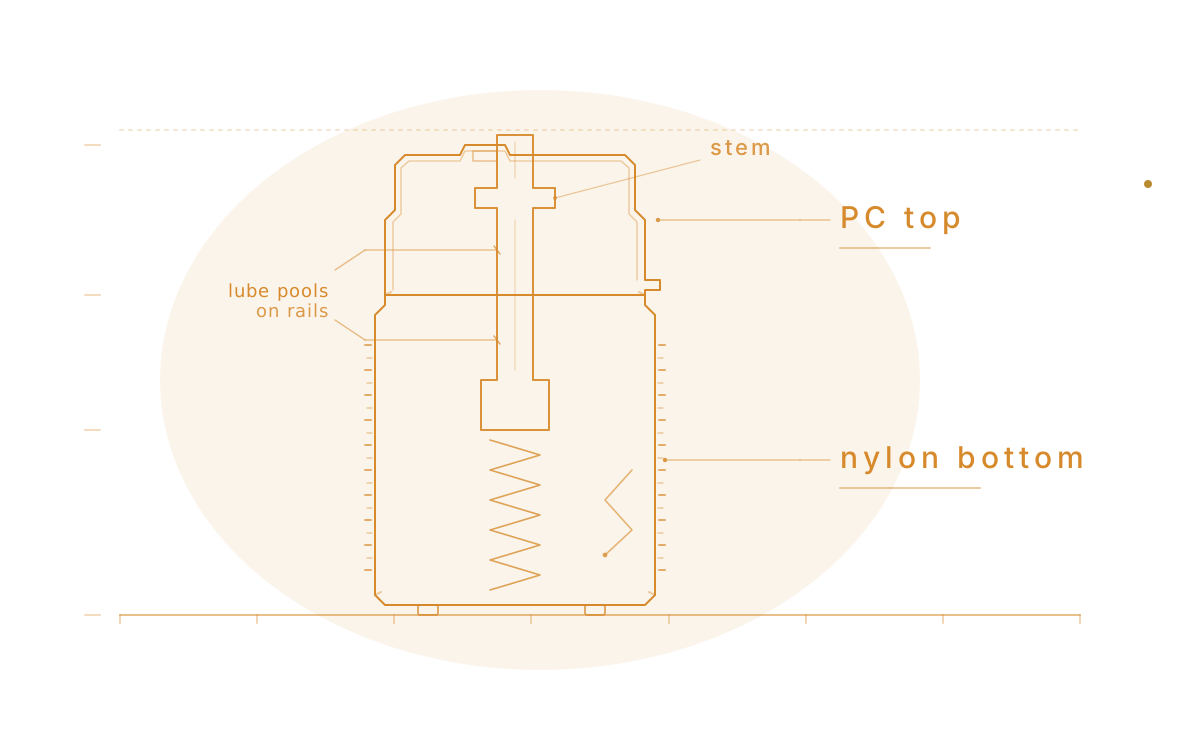
The housing line on a switch spec sheet is the second-most-important thing about a switch, after the type, and most buyers skim past it. Material decides how the switch rings, how the stem rails feel under a finger, and how much grace it gives a bad lube job. A 'PC top, nylon bottom' tag is doing more work than its three words suggest.
thock10 min read
Ideas
Switch films: do they actually do anything?
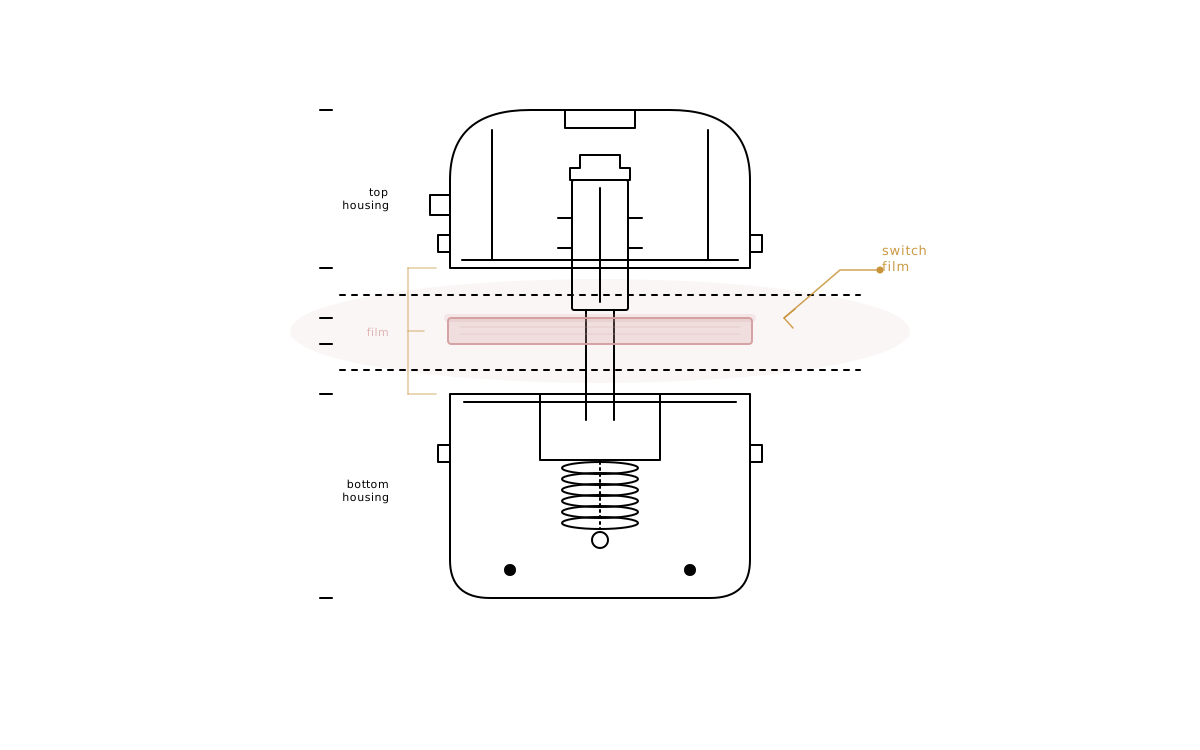
Thin POM shims between your switch housings cost five dollars and promise a tighter, better-sounding switch. The mechanism is real. Whether it matters on your specific switches is a separate question.
thock8 min read