loading · part
Spec sheet
- Type
- Silent tactile
- Top housing
- Nylon
- Bottom housing
- Nylon
- Stem
- POM
- Spring
- 62g actuation · 68g bottom-out
- Travel
- 4 mm
- Factory lubed
- yes
- Released
- Jun 1, 2020
Silent tactile with a round, pronounced bump at the top of the stroke and removable silicone dampening pads seated on the stem at both top-out and bottom-out. The nylon housing produces a muted thud rather than a clack; popular in office environments. Comes lubed at the leaf and spring bottom; slide rails ship dry. Builders often rattle-mod the spring for a cleaner sound.
Mentioned in 6 articles
Deep Dives
What a silent switch actually silences — and what it can't
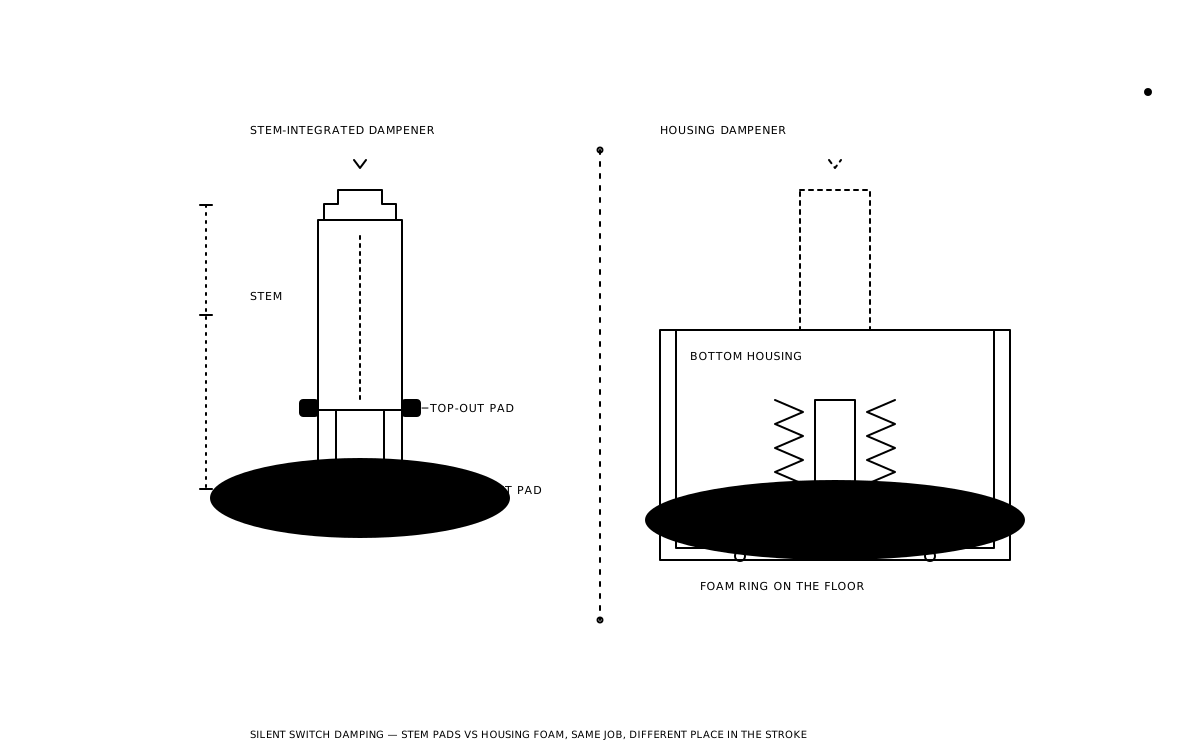
Every keystroke lands twice — once on the floor, once on the ceiling. Cherry molds an elastomer pad onto the stem to catch both; Gazzew fits a silicone one. The undamped Boba U4T shows what either approach is buying — about 14 dB on one tester's meter — and what it costs in travel, rebound, and a bump with nowhere left to go.
thock10 min read
Deep Dives
The Boba Family: One Housing Blend, Five Switches, and the Sound thock Is Named For
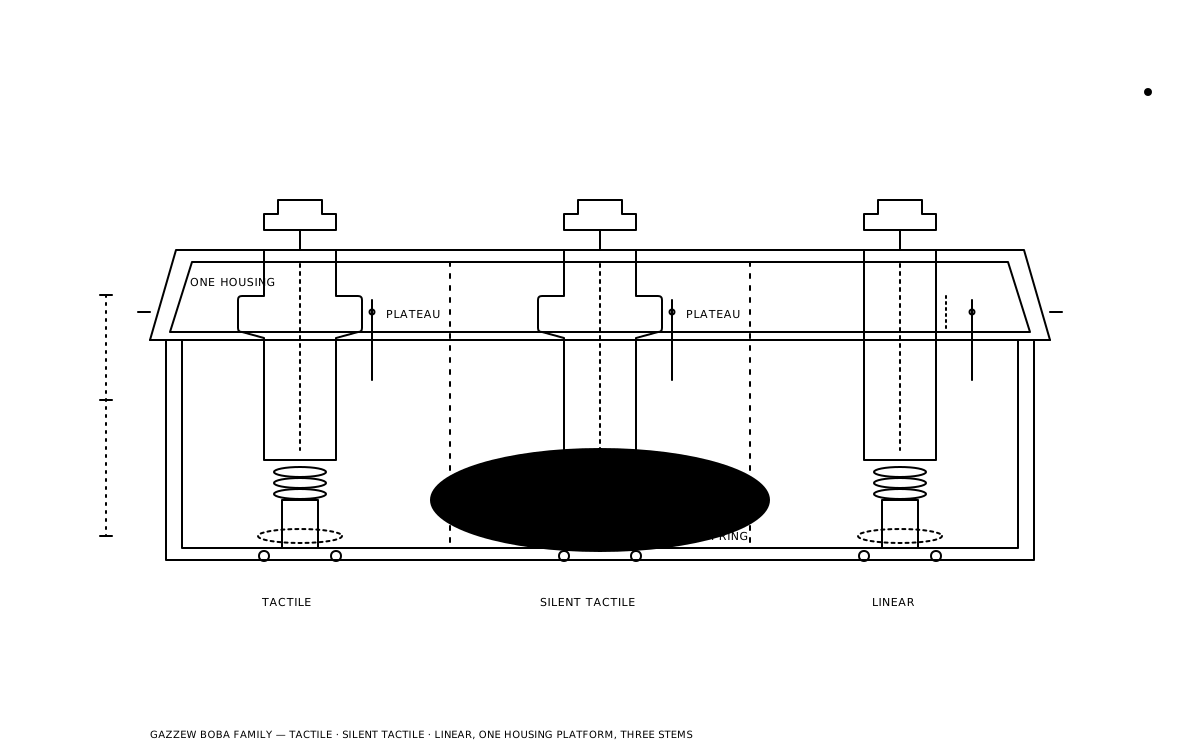
Gazzew designs, Outemu molds, and a plastic softer than nylon does the rest. Every Boba is the same chamber with something deliberately left out — and the pattern of subtractions is the whole family tree.
thock10 min read
Deep Dives
Why the Gazzew Boba U4T Rings Where the Boba U4 Stays Quiet
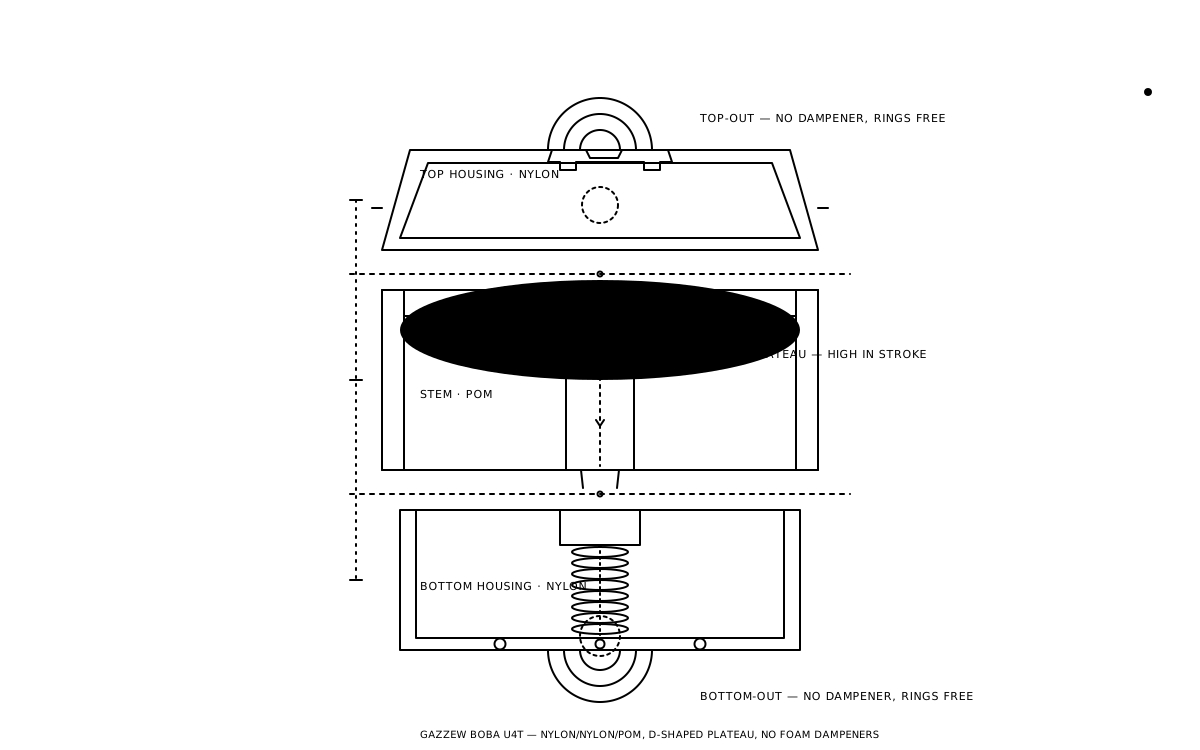
Same housing, same bump position — the U4T's whole personality comes down to what Gazzew left out. Pull the dampening pads from a Boba U4 and the bottom-out stops being polite.
thock11 min read
Ideas
Lubing switches: what to use, how much, and what to skip
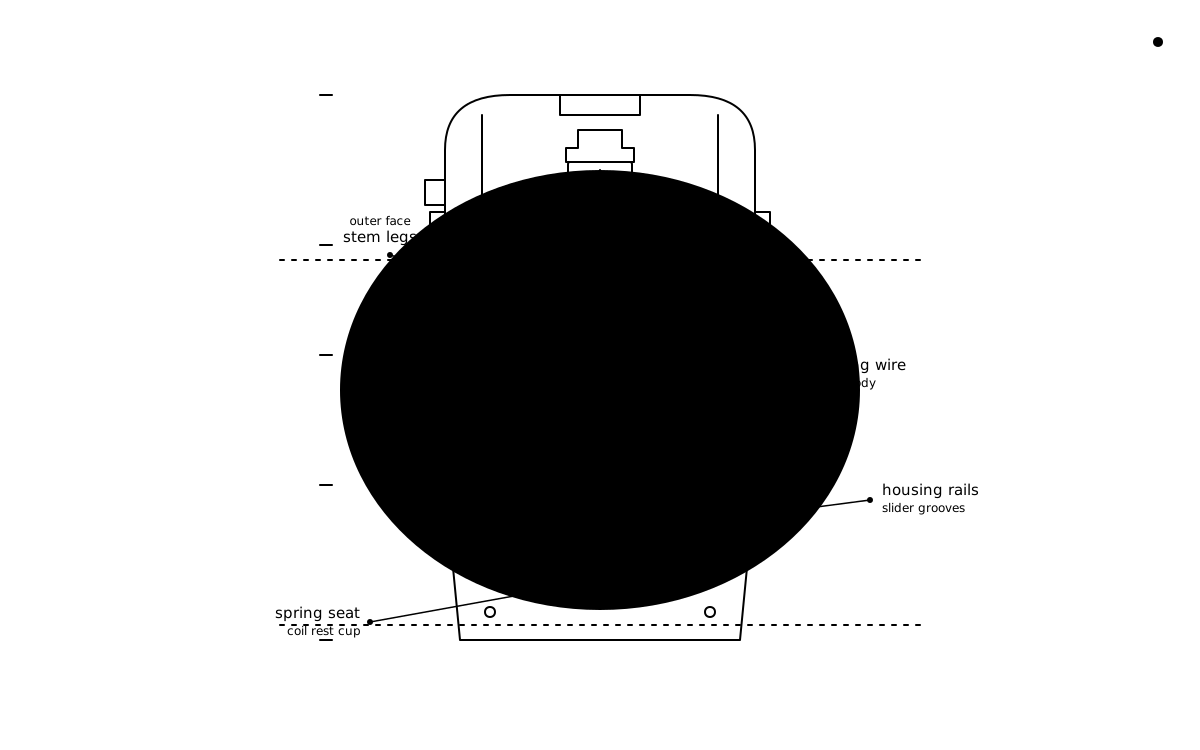
Four lubes, four application points, and one rule that prevents most mistakes: over-lubing is irreversible, under-lubing is not. Here is the practical reference.
thock10 min read
Deep Dives
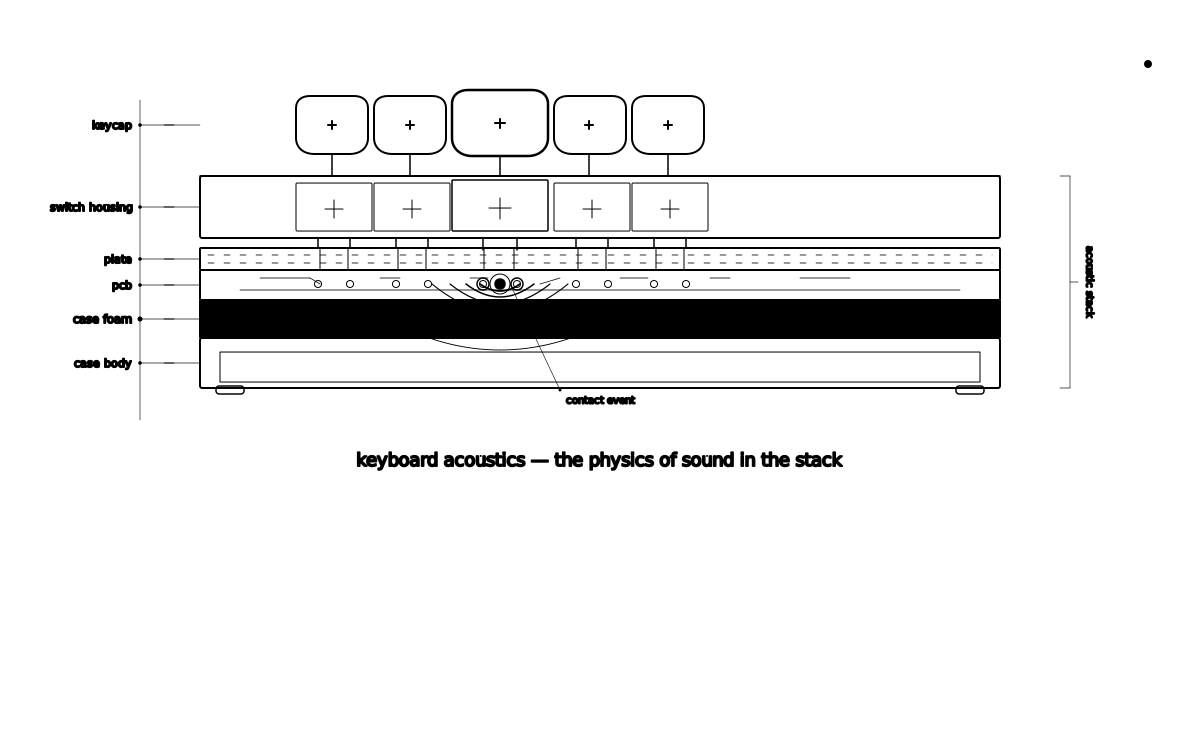
The physics of thock: how every layer shapes your keyboard's sound
Every component between your fingertip and the desk makes a decision about your keyboard's sound — the switch, the plate, the case, the surface it sits on. Understanding what each layer adds or subtracts is the difference between chasing a sound blindly and engineering it deliberately.
thock16 min read
Guides
A beginner's guide to picking your first switch
Switches are the single biggest factor in how a keyboard feels and sounds, and the catalog has grown overwhelming. This guide narrows the entire market into three families, explains who each one is for, and gives a three-step path from curiosity to a confident first purchase. By the end, the reader can pick a category without second-guessing.
thock8 min read
Gazzew Boba U4 appears in editor-curated build sheets.