loading · part
Spec sheet
- Type
- Tactile
- Top housing
- PC
- Bottom housing
- Nylon
- Stem
- POM
- Spring
- 60g actuation · 67g bottom-out
- Travel
- 3.4 mm
- Factory lubed
- yes
- Released
- Apr 1, 2022
Gateron-manufactured tactile with a rounded bump and short 3.4 mm travel. Drop's in-house take on the Holy Panda lineage; available without modding, which is the whole point.
Mentioned in 14 articles
Deep Dives
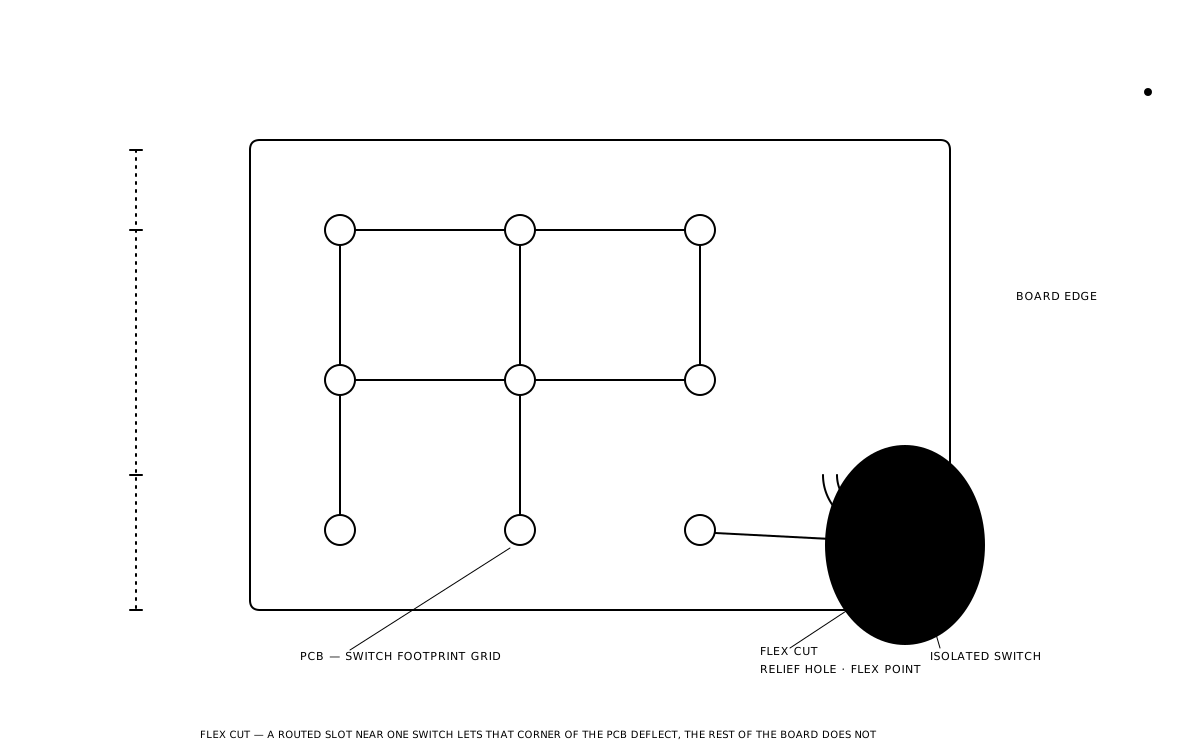
PCB flex cuts, explained: a flex budget milled straight into the board
No plate change, no gasket, no case redesign — just a slot routed through the fiberglass near a switch hole. Flex cuts are the cheapest lever a designer has for adding give to a board that otherwise has none, and the cheapness is exactly why they show up where they do.
thock10 min read

Deep Dives
How the 60% became the default custom-keyboard layout
Every custom-keyboard buyer's guide since the mid-2010s opens with the same four-term vocabulary — 60%, 65%, 75%, TKL — as though it always existed. It didn't. One open-source PCB out of a geekhack thread is most of the reason that taxonomy exists at all.
thock11 min read
Deep Dives
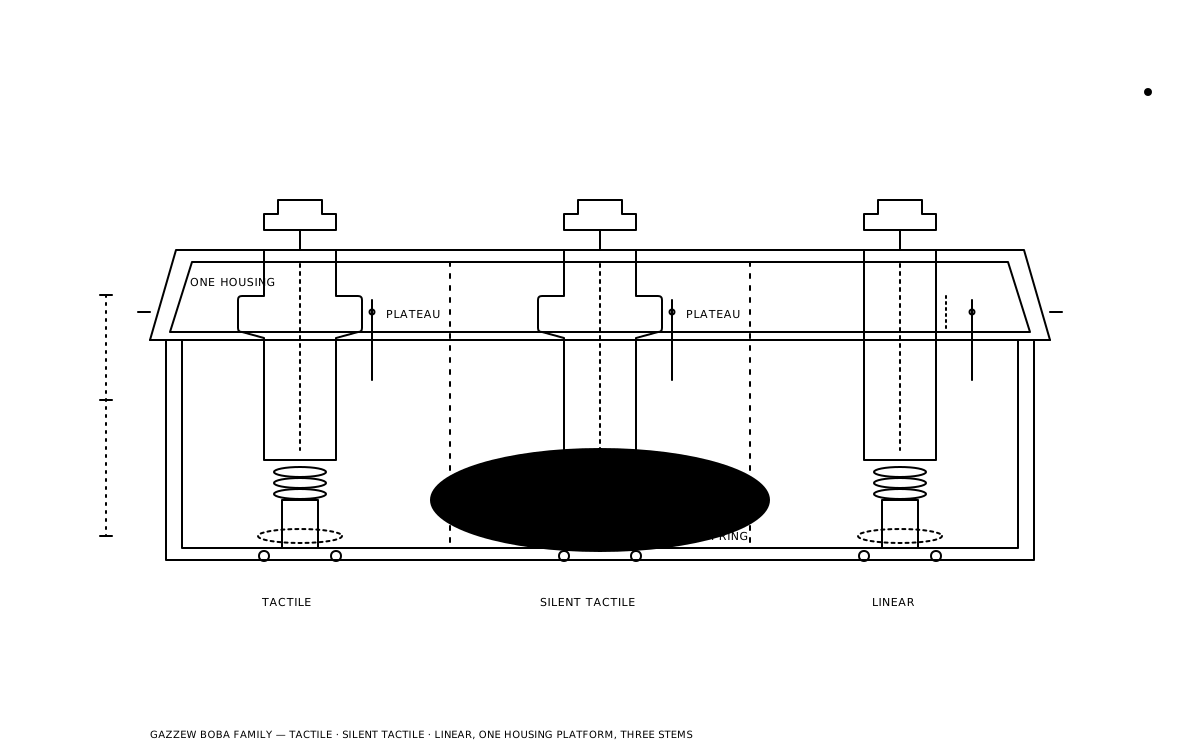
The Boba Family: One Housing Blend, Five Switches, and the Sound thock Is Named For
Gazzew designs, Outemu molds, and a plastic softer than nylon does the rest. Every Boba is the same chamber with something deliberately left out — and the pattern of subtractions is the whole family tree.
thock10 min read
Deep Dives
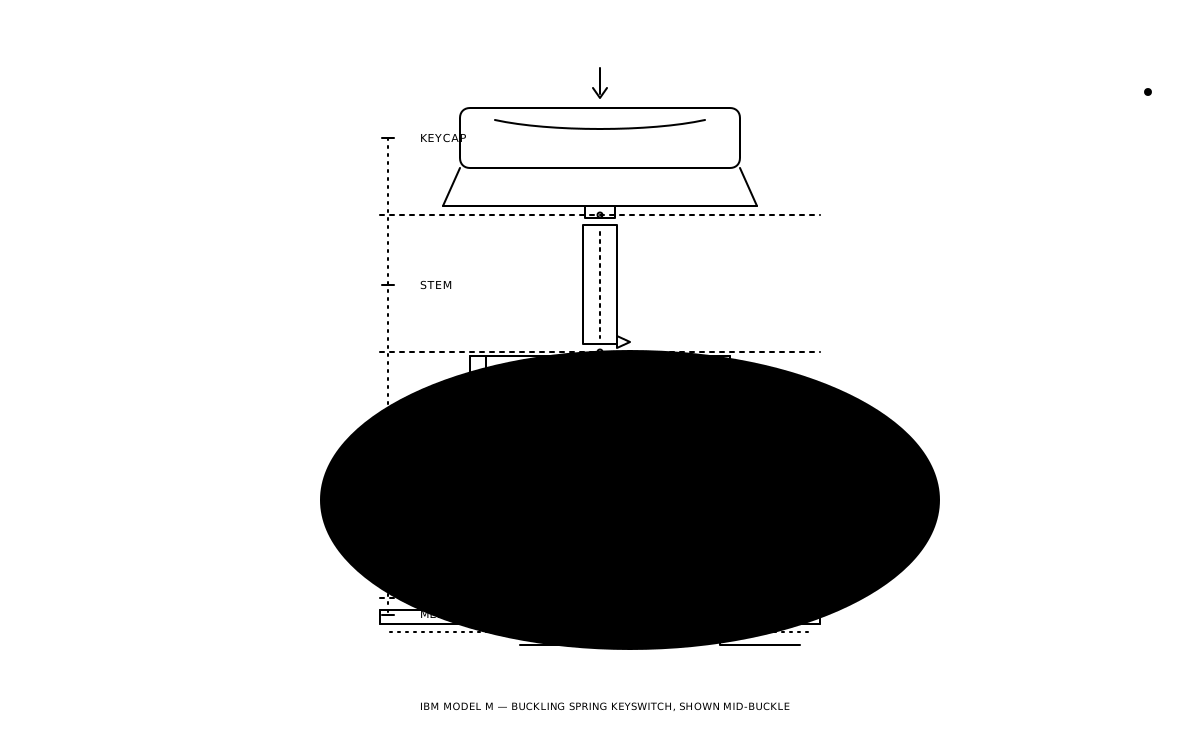
How buckling-spring switches actually work
thock has already reached for the buckling-spring snap twice — once to describe a Topre dome, once to describe a click-bar's sharpness — without ever explaining what a buckling spring actually is. The mechanism predates both, and it is stranger and more mechanically honest than either.
thock10 min read
Deep Dives
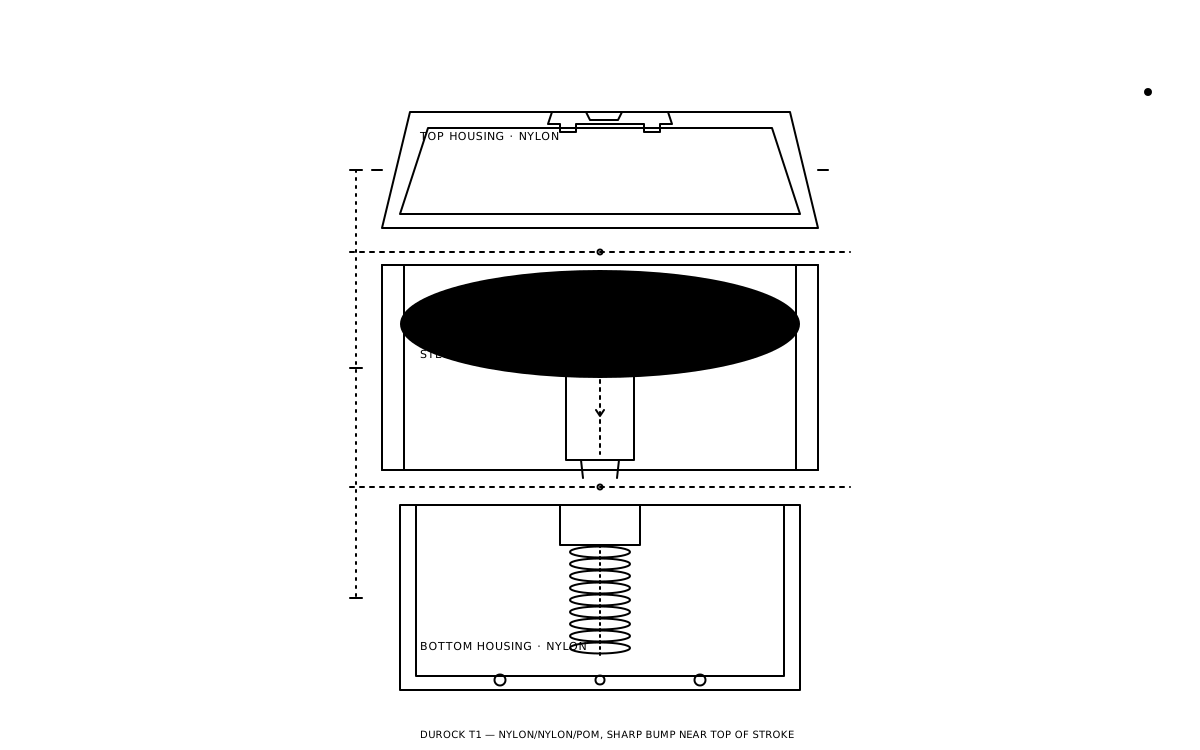
Why the Durock T1's Bump Feels the Way It Does
The Durock T1 keeps turning up as the comparison point in other switches' deep-dives — the reference a reviewer reaches for when a bump needs to read as heavy and serious. It has never had its own.
thock10 min read
Deep Dives
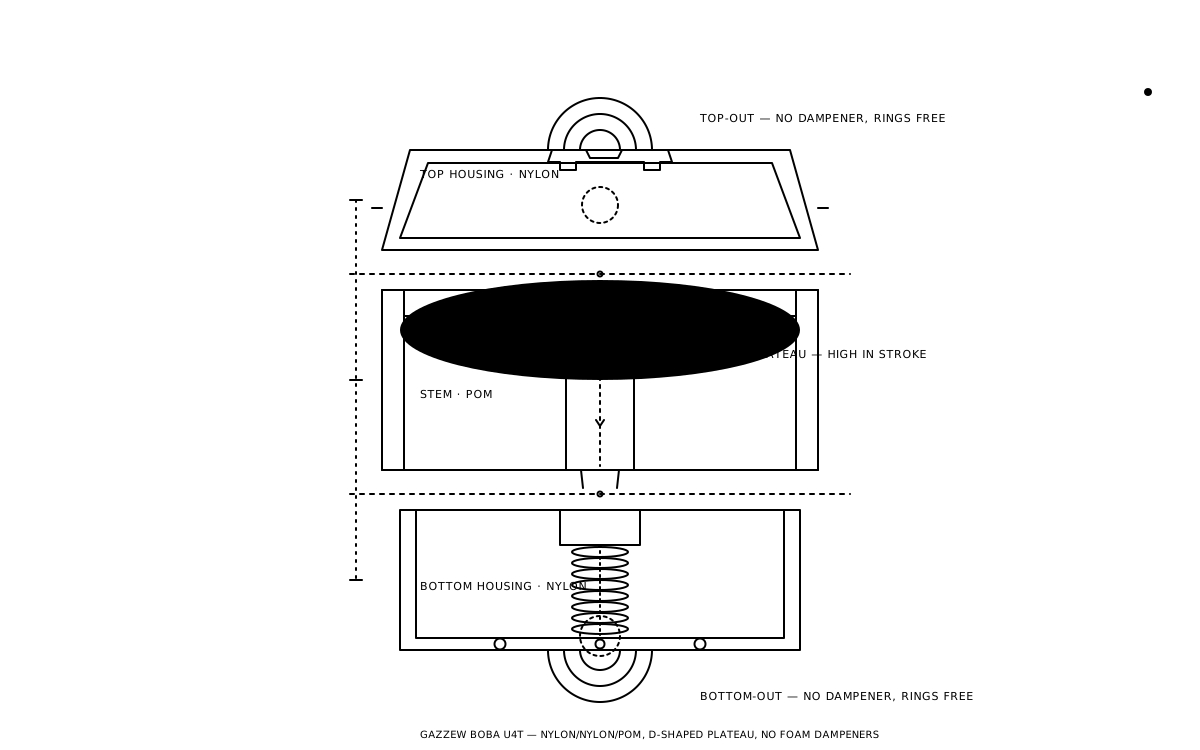
Why the Gazzew Boba U4T Rings Where the Boba U4 Stays Quiet
Same housing, same bump position — the U4T's whole personality comes down to what Gazzew left out. Pull the dampening pads from a Boba U4 and the bottom-out stops being polite.
thock11 min read
Deep Dives
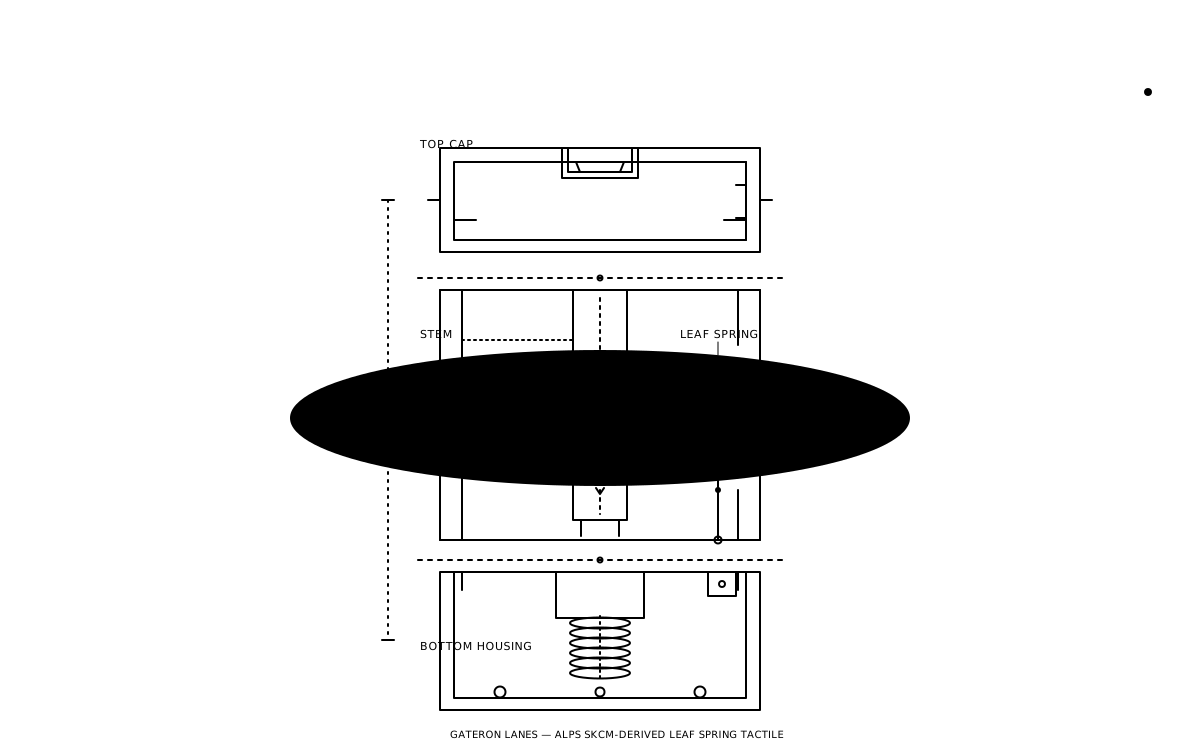
Gateron Lanes: The Alps-Inspired Tactile Taking Over the Mid-Range
Gateron's Lanes draws its DNA from the Alps SKCM Orange — one of the most loved tactile mechanisms of the 1980s — and arrived in June 2026 with enough community conviction to sell out on first drop.
thock12 min read
Ideas
Lubing switches: what to use, how much, and what to skip
Four lubes, four application points, and one rule that prevents most mistakes: over-lubing is irreversible, under-lubing is not. Here is the practical reference.
thock10 min read
Deep Dives
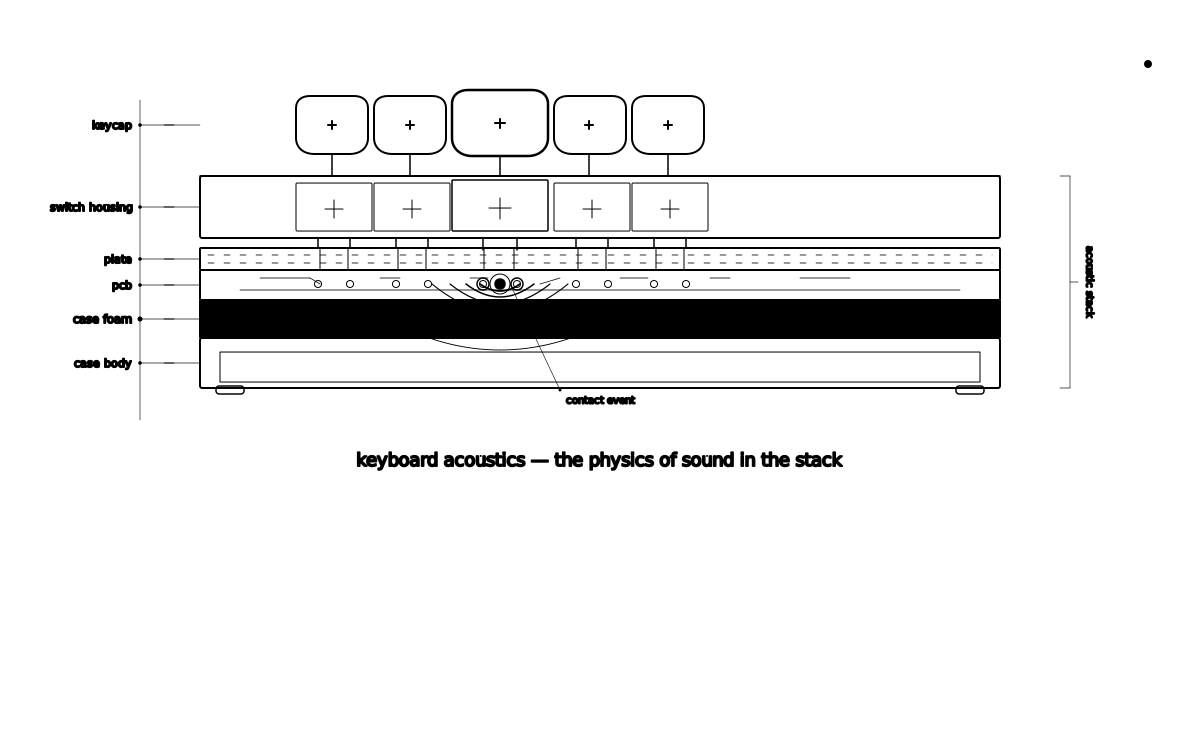
The physics of thock: how every layer shapes your keyboard's sound
Every component between your fingertip and the desk makes a decision about your keyboard's sound — the switch, the plate, the case, the surface it sits on. Understanding what each layer adds or subtracts is the difference between chasing a sound blindly and engineering it deliberately.
thock16 min read
Deep Dives
Why the Drop Holy Panda X feels the way it does
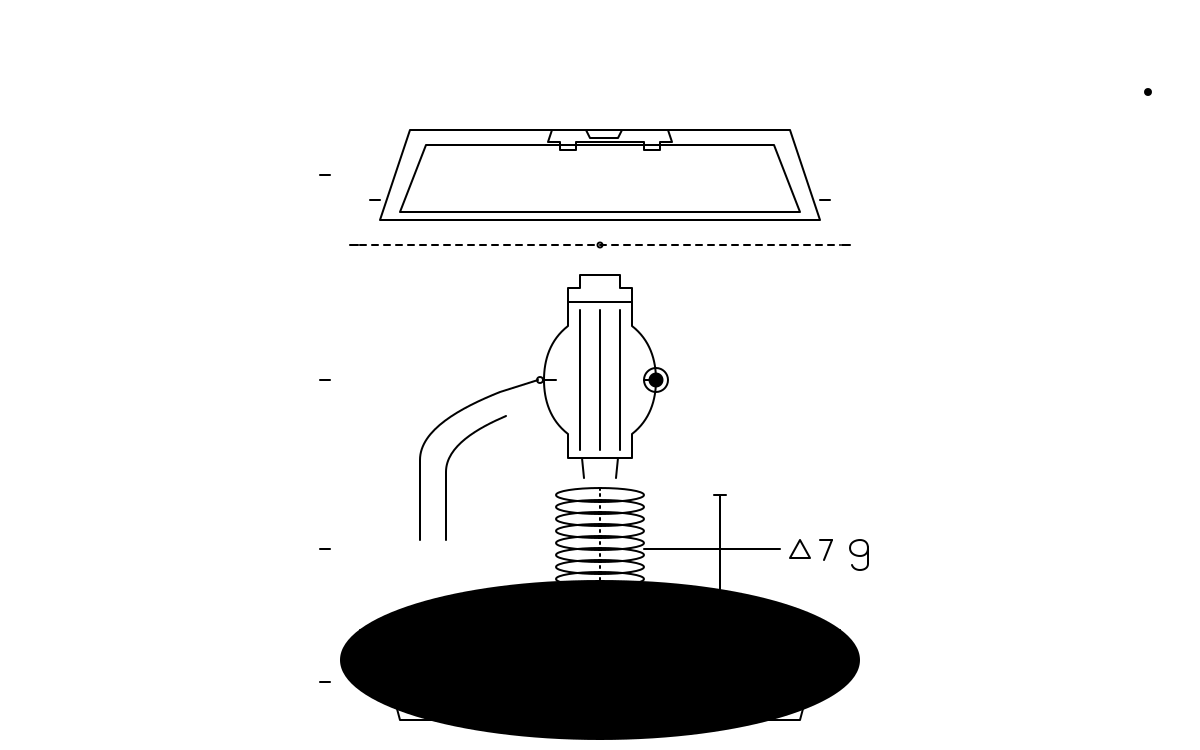
The Holy Panda was a six-month frankenswitch project for most of its life. The Drop Holy Panda X is the first version where the geometry, the spring tune, the housing pairing, and the factory lube were the spec — not the mod.
thock13 min read
Trends
The slow fade of Alice layouts
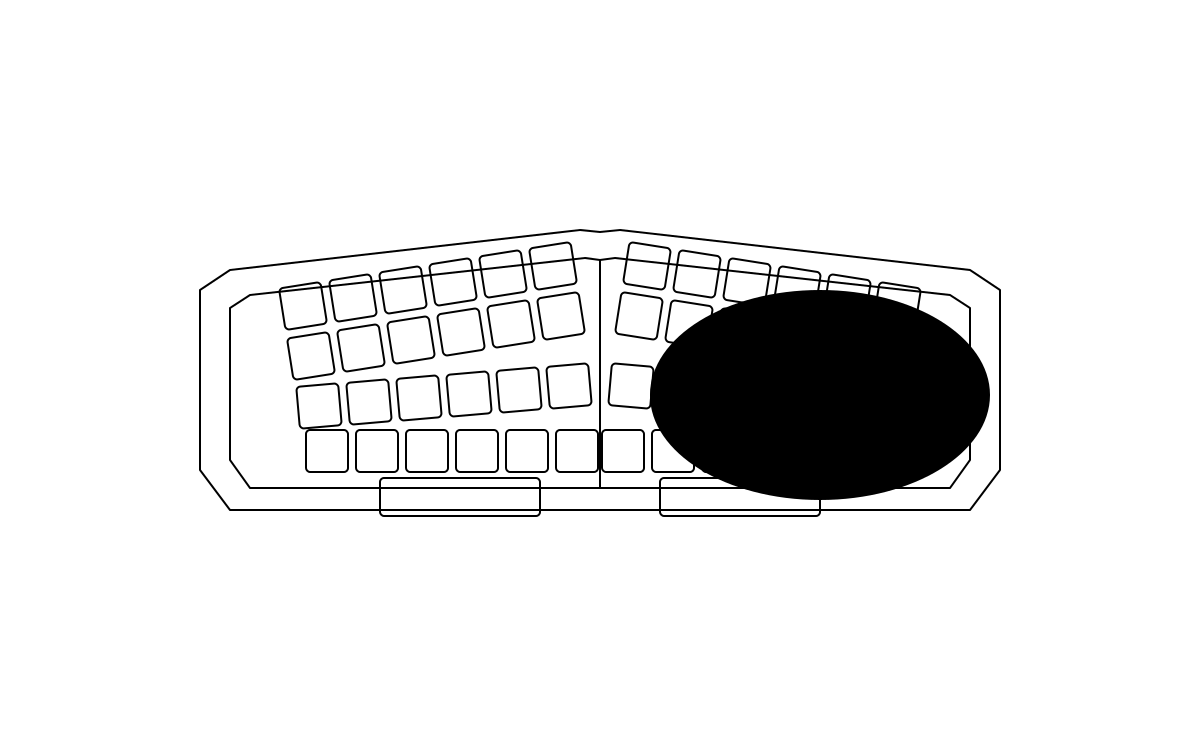
Alice mounts had a clear moment between 2021 and 2023 — the splayed alphas, the angled bar, the promise of a typing posture that didn't twist your wrists. The thock trends snapshot for 2026-W19 pegs Alice movement at -18 and trending down. The layout still has loyal users, but the curve has bent.
thock5 min read
Trends
How 'thock' became an acoustic spec, not an accident
A decade ago a thocky board was the win condition of a $300 custom — the payoff for the right switches, the right lube job, the right patience. In 2026 the same sound is table-stakes for a $150 prebuilt: factory-lubed switches, silicone dampening, gasket-mounted plates, PBT doubleshot. The stack that used to be enthusiast-only is now what mid-tier vendors design toward from day one.
thock8 min read
Deep Dives
Why clicky switches still have a constituency
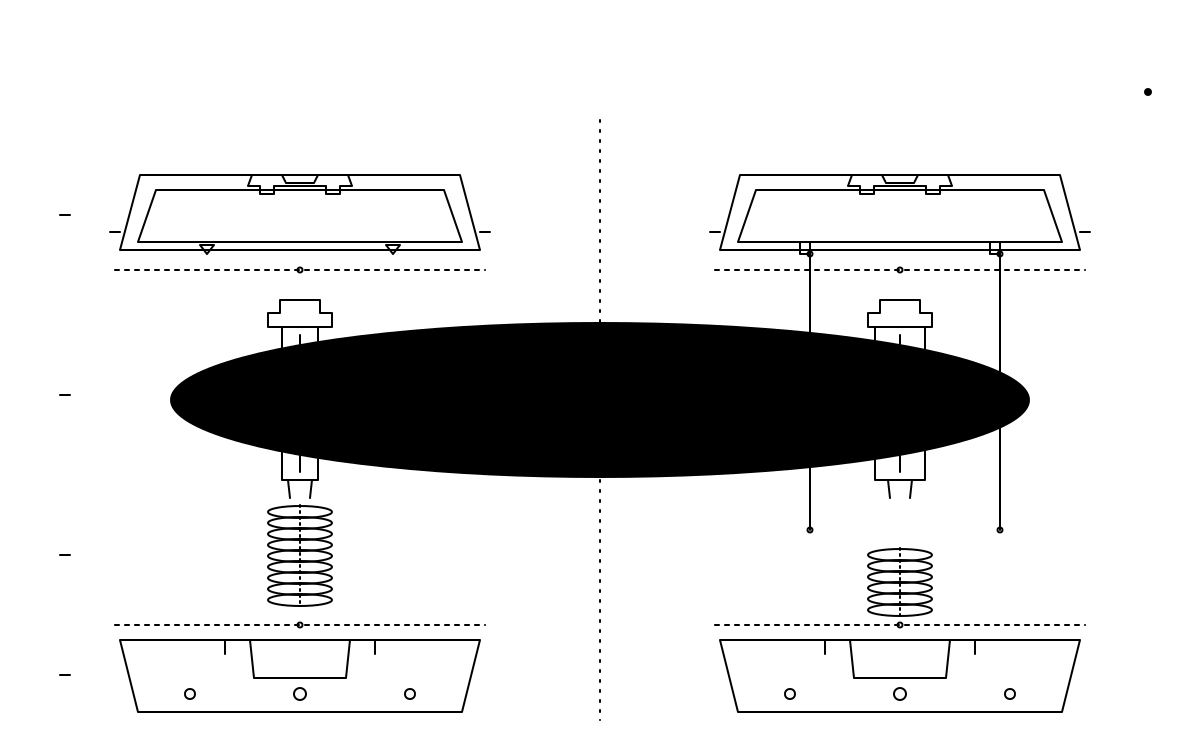
Linears and tactiles dominate the modern build conversation, and clickies barely appear in it. The reason is not that clicky switches have aged out — it is that the people who want them really want them, and the manufacturers know it.
thock10 min read
Ideas
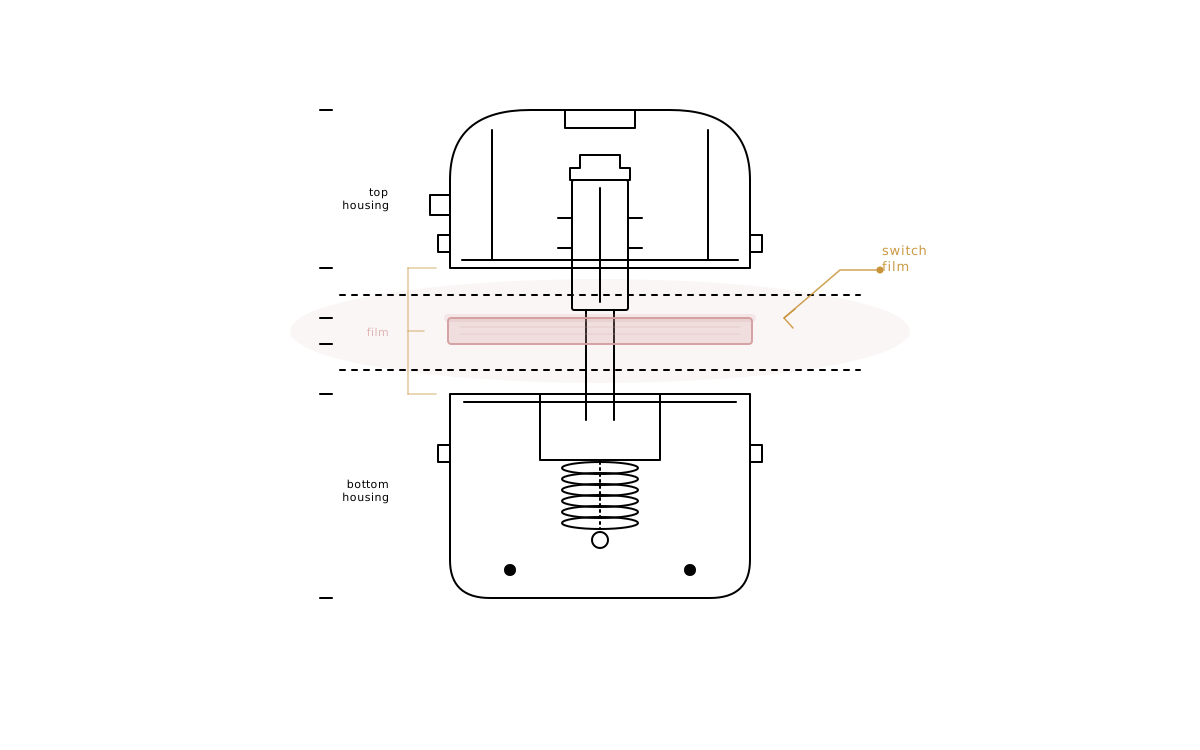
Switch films: do they actually do anything?
Thin POM shims between your switch housings cost five dollars and promise a tighter, better-sounding switch. The mechanism is real. Whether it matters on your specific switches is a separate question.
thock8 min read
Drop Holy Panda X appears in editor-curated build sheets.