loading · tag
Archive
Every #polycarbonate piece
Guides
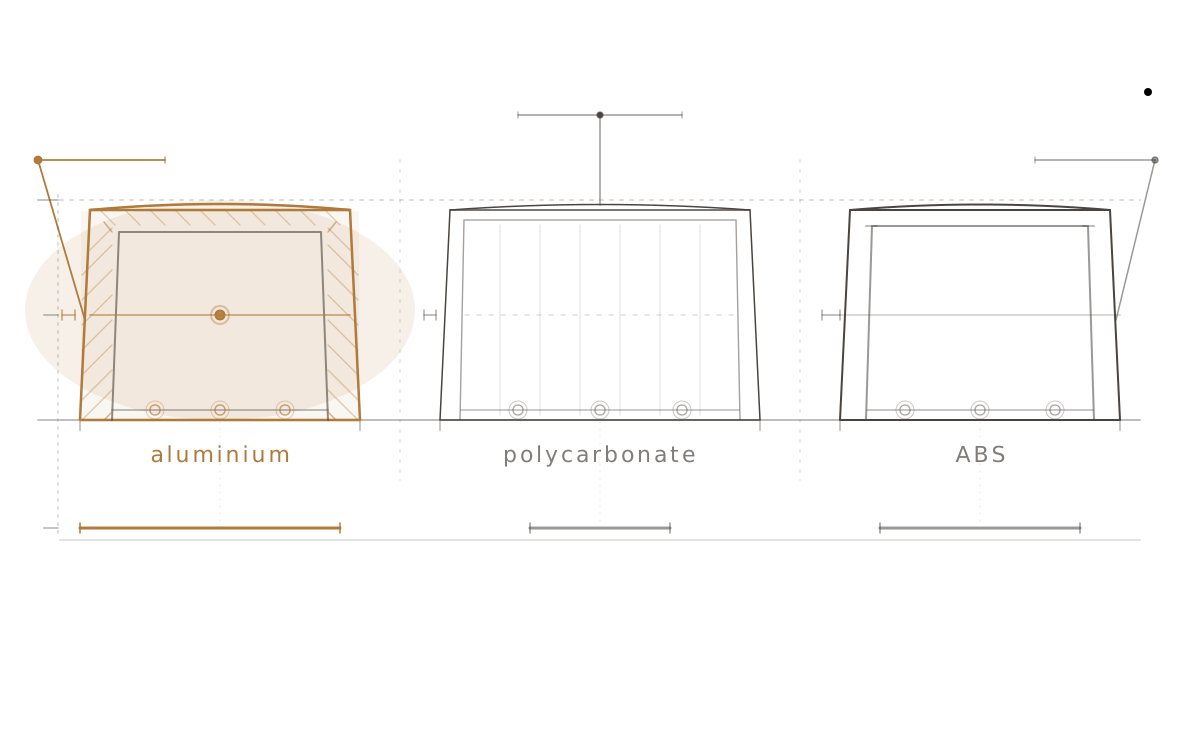
Keyboard case materials, compared: aluminium, polycarbonate, and ABS
The case is the largest resonant body in a keyboard. Aluminium, polycarbonate, and ABS each change the sound, feel, and weight profile in fundamentally different ways — here is what each material actually does.
thock11 min read
Guides
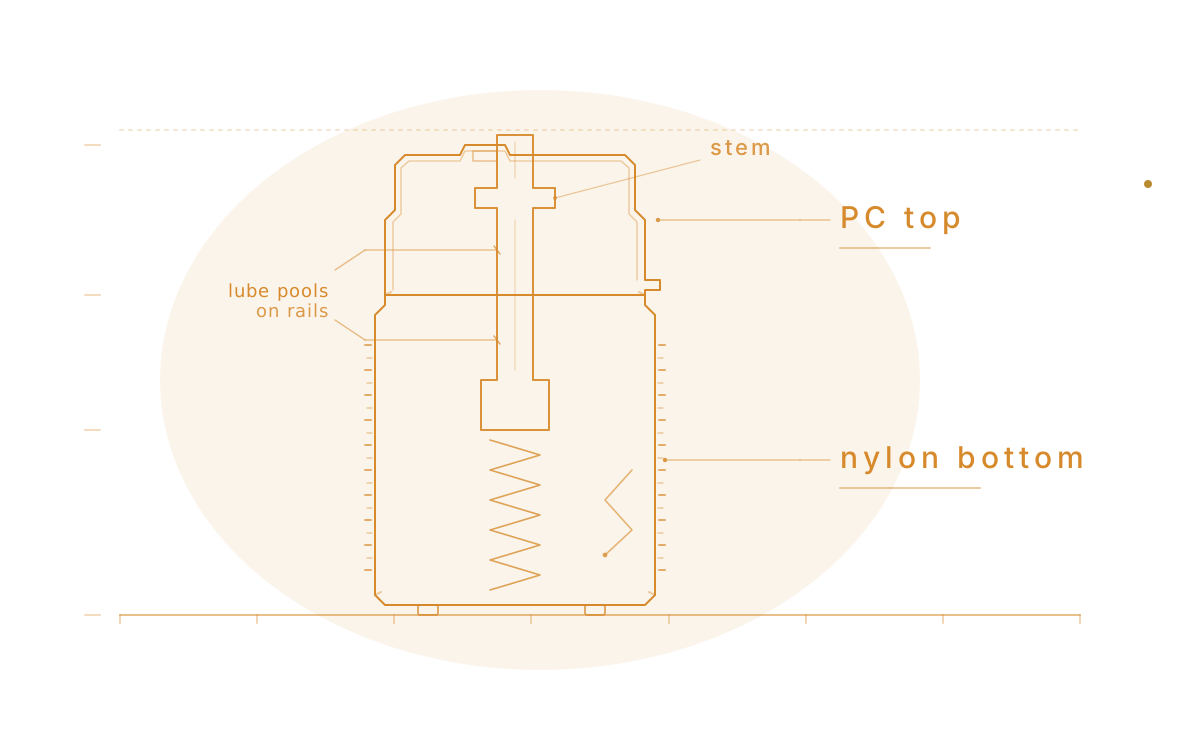
Switch housings, compared: nylon, polycarbonate, POM, and the rest
The housing line on a switch spec sheet is the second-most-important thing about a switch, after the type, and most buyers skim past it. Material decides how the switch rings, how the stem rails feel under a finger, and how much grace it gives a bad lube job. A 'PC top, nylon bottom' tag is doing more work than its three words suggest.
thock10 min read

News
Wuque Studio's summer update, and the Ikki68 Aurora holdover
A July 26 product-update post from Wuque Studio sent buyers back to the Ikki68 Aurora's listing page. Mammoth V2 and Promise V2 remain forum speculation, and no group buy has opened.
thock7 min read
Deep Dives
Plate materials, explained: what brass, FR4, POM, and aluminium actually change
The plate is the cheapest variable in the build and the one builders argue about hardest. Most of the heat is misdirected — but a usable fraction of it is real, and the difference is worth pinning down.
thock13 min read
Deep Dives
Why the Gateron Oil King sounds the way it does
Few stock linears earn the word 'creamy' on first press. The Oil King does, and the reason is not a secret stem material or a proprietary lube — it is a careful pairing of housing resins and a factory tune that other linears under thirty cents tend to skip.
thock6 min read
Guides
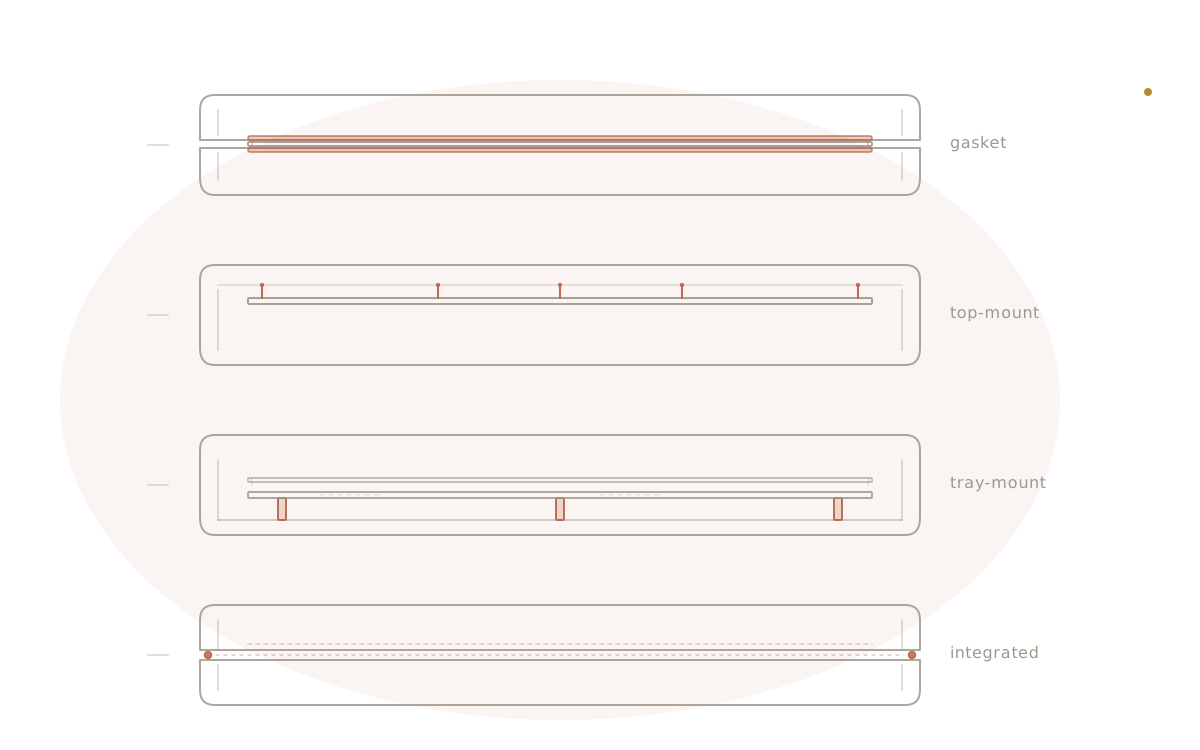
Mounting styles, compared: gasket, top-mount, tray, and integrated plate
A builder who has lubed switches and tuned stabilizers and chosen a keycap profile and still cannot place why their next board feels different from their last one is usually meeting the mount style. The plate's relationship to the case is the half of the typing feel that nobody discusses on a sound test.
thock13 min read
Ideas
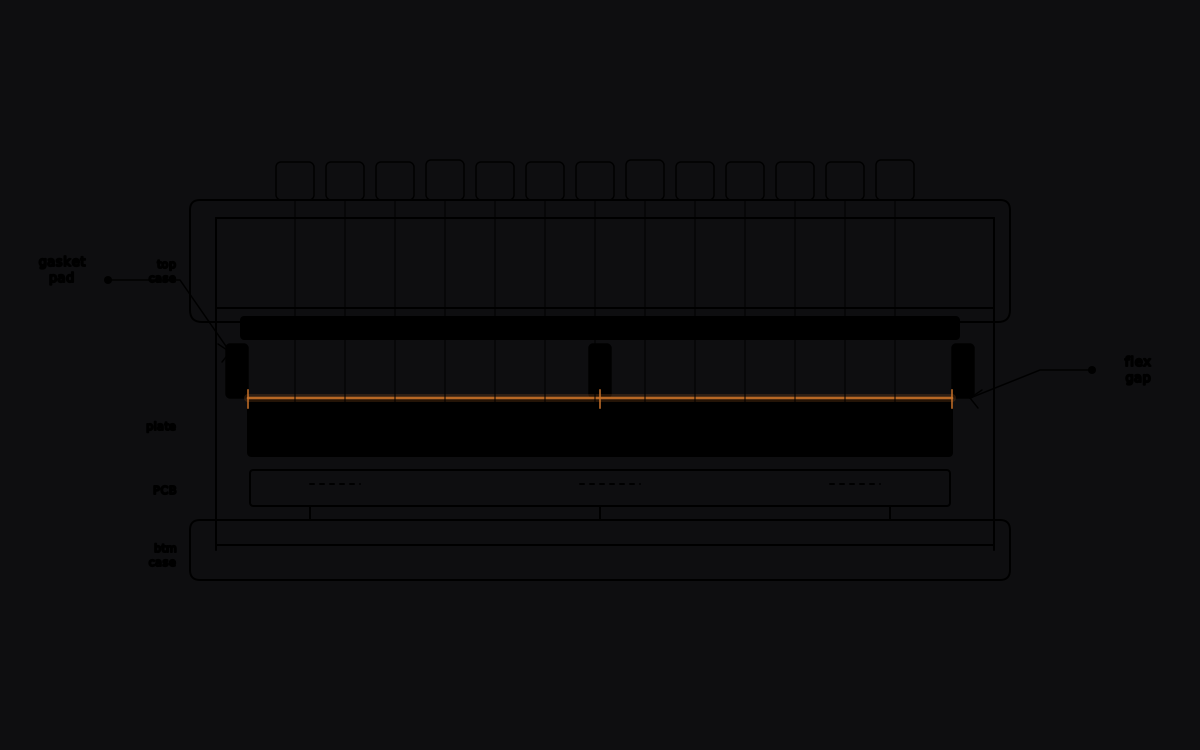
What gasket mount actually delivers (and what it doesn't)
The label appears on keyboards at every price point, from $90 prebuilts to $350 group-buy customs, but two boards with identical spec-sheet language can sound nothing alike. Here is what the term actually tells you, and what it doesn't.
thock9 min read