loading · tag
Archive
Every #hall-effect piece
Trends
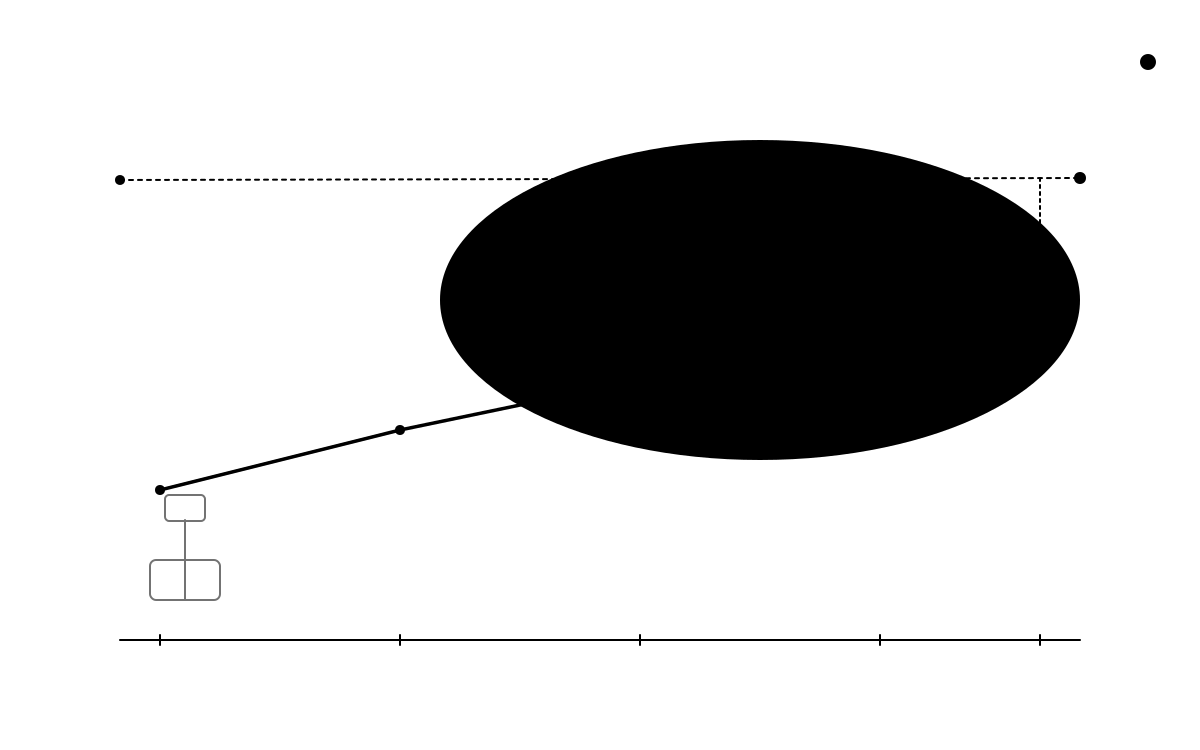
TMR is closing the gap on Hall-effect. It hasn't caught it.
TMR switches have climbed every week on thock's trend tracker from W38 through W42 — 55, 63, 71, 85, 90. That's the second-highest score on this week's board, and the gap behind Hall-effect's ceiling has gone from 42 points to 10 in five readings.
thock6 min read
Deep Dives
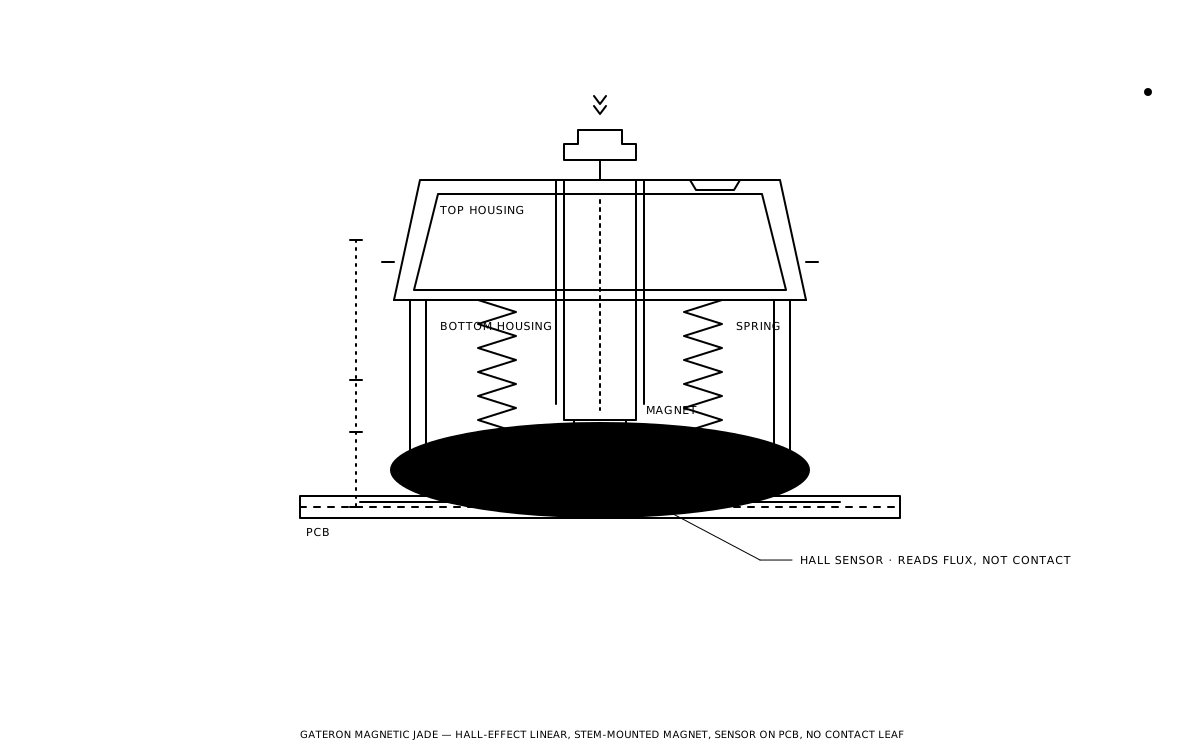
Gateron Magnetic Jade: the Hall-effect linear built to be argued about like a mechanical one
Pull a Magnetic Jade apart and the parts list reads like a mid-tier mechanical linear: polycarbonate top, nylon bottom, POM stem, factory lube. Where the leaf would be, there is a magnet. That one substitution explains the feel, the sound, and why it will not fit half the Hall-effect boards on the market.
thock11 min read
Trends
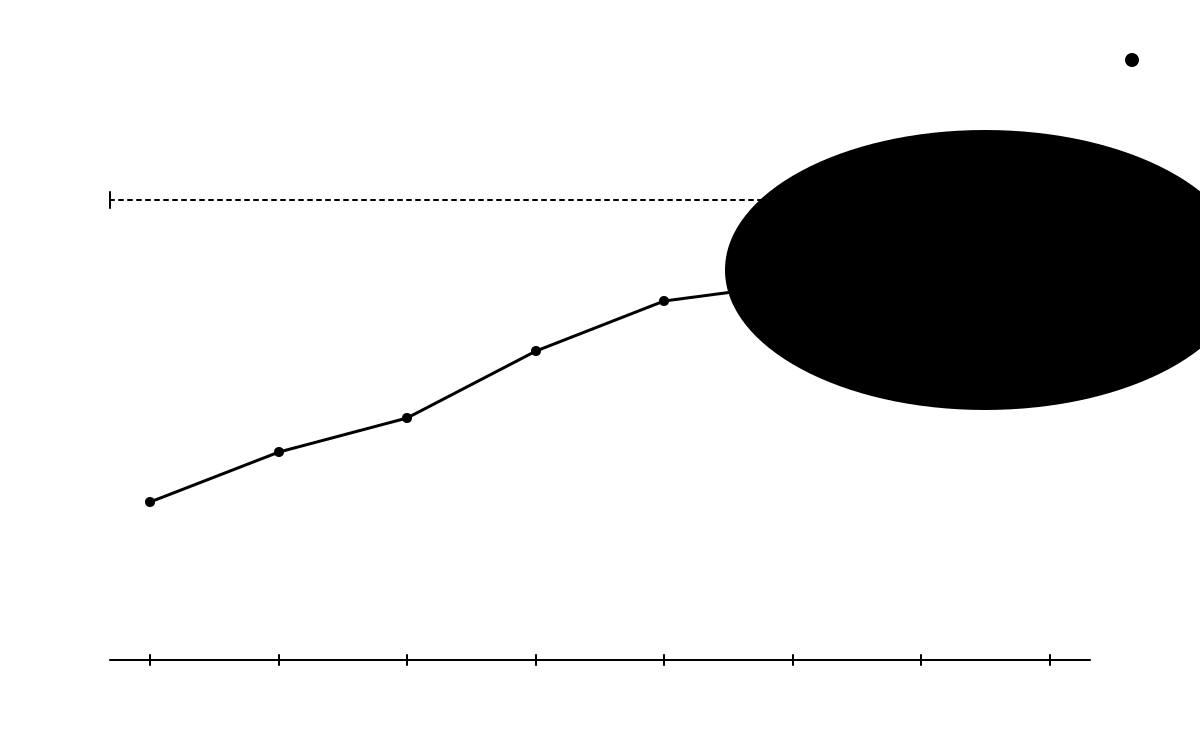
Hall-effect stopped climbing. That's not the same as cooling off.
The Hall Effect/Rapid Trigger category has held flat at 97 on thock's trends tracker for two straight weeks, after climbing from 82 in late June. A flat line at the top of the chart looks like fading interest if you're reading it as a stock ticker. Read as a market snapshot, it says something closer to the opposite.
thock6 min read
Guides
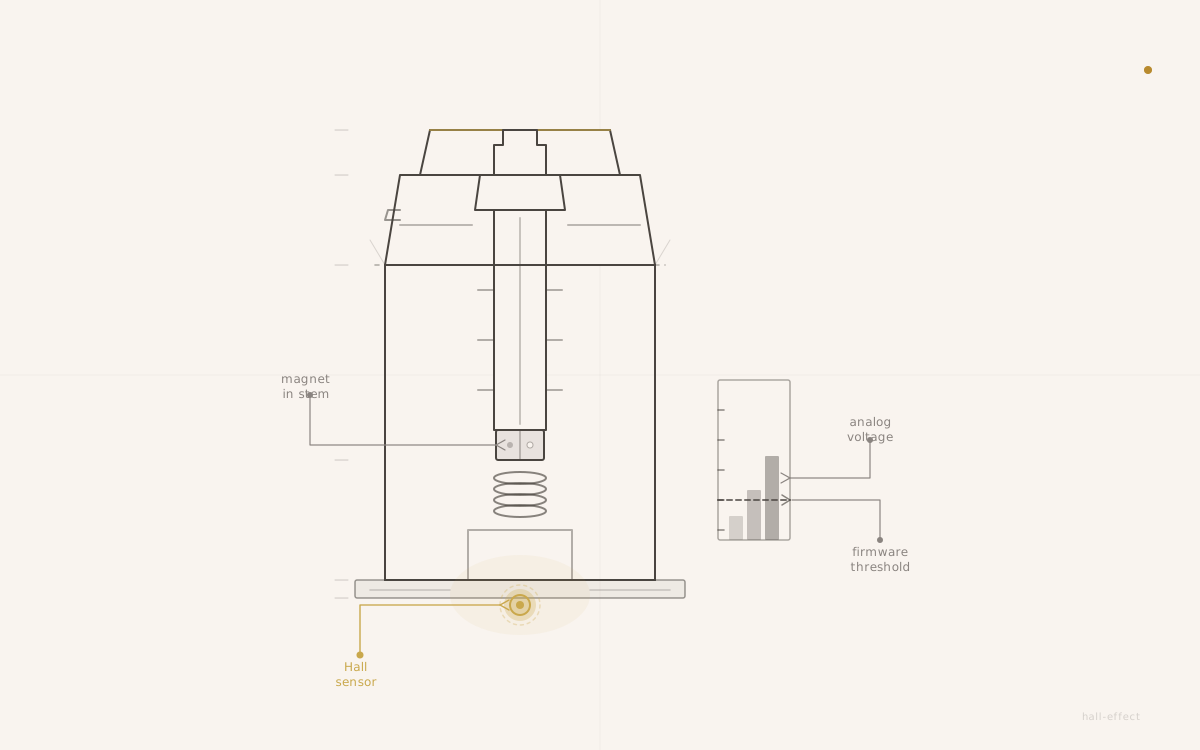
Hall-effect keyboards: a practical buyer's guide
Rapid trigger, per-key actuation depth, analog axis output — Hall-effect keyboards deliver all three, but only if the firmware matches the hardware. Here is what to look for, what to pay, and who should skip the category entirely.
thock10 min read
News
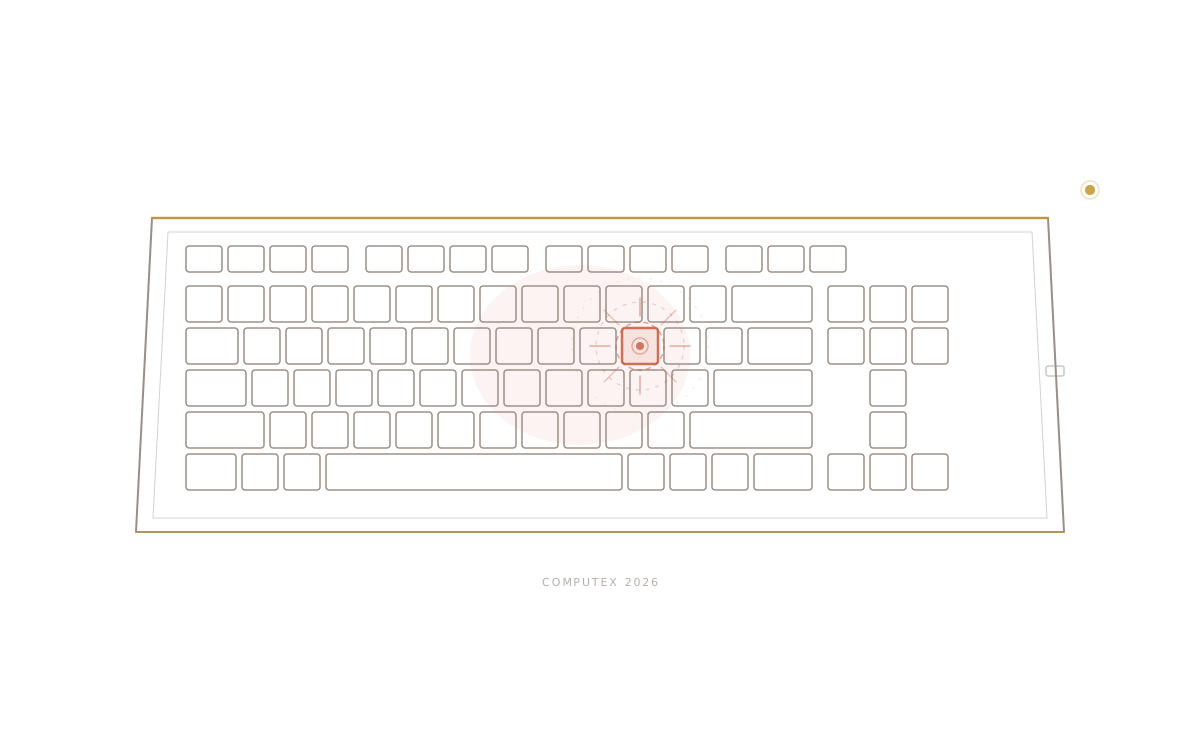
Computex 2026: hall-effect keyboards enter the enthusiast conversation
Computex 2026 (May 20–24) was the week hall-effect stopped being a gaming-peripheral curiosity and walked into the same room as enthusiast-grade chassis. Two boards made that argument concrete.
thock8 min read
Trends
How Hall-effect quietly became the new mid-premium default
The polling-rate hype is loud and easy to wave off — 8K, 32K, numbers chasing each other up the spec sheet. The quieter story is that the magnetic-switch tier has stopped being a Wooting-shaped niche and has settled into the $100–$230 prebuilt slot the scene actually buys from. The volume has moved, not just the marketing.
thock7 min read
Deep Dives
How Hall-effect switches actually sense a keypress
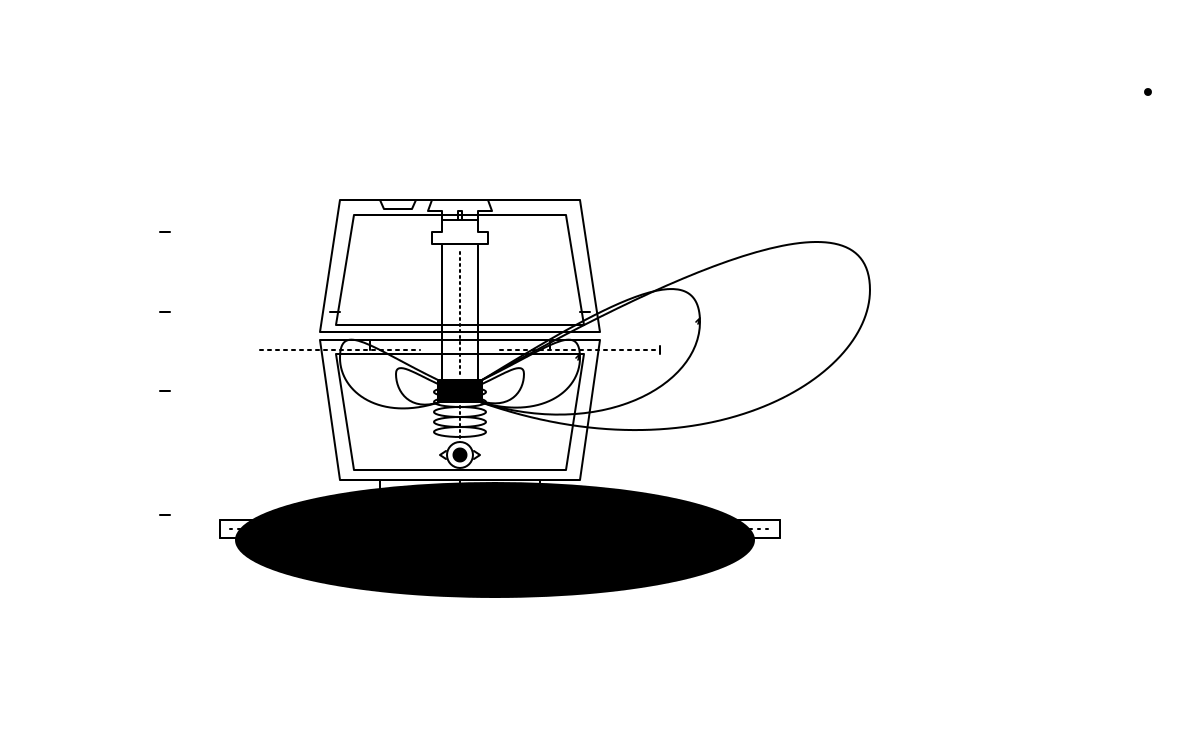
A Hall-effect switch is not a faster MX switch. It is a different sensing lineage — a magnet in the stem, a sensor on the PCB, and an analog voltage where contact closure used to be. The features the marketing pages lead with all unwind from that one architectural fact.
thock13 min read
Trends
Hardware caught up to Wooting. Firmware hasn't.
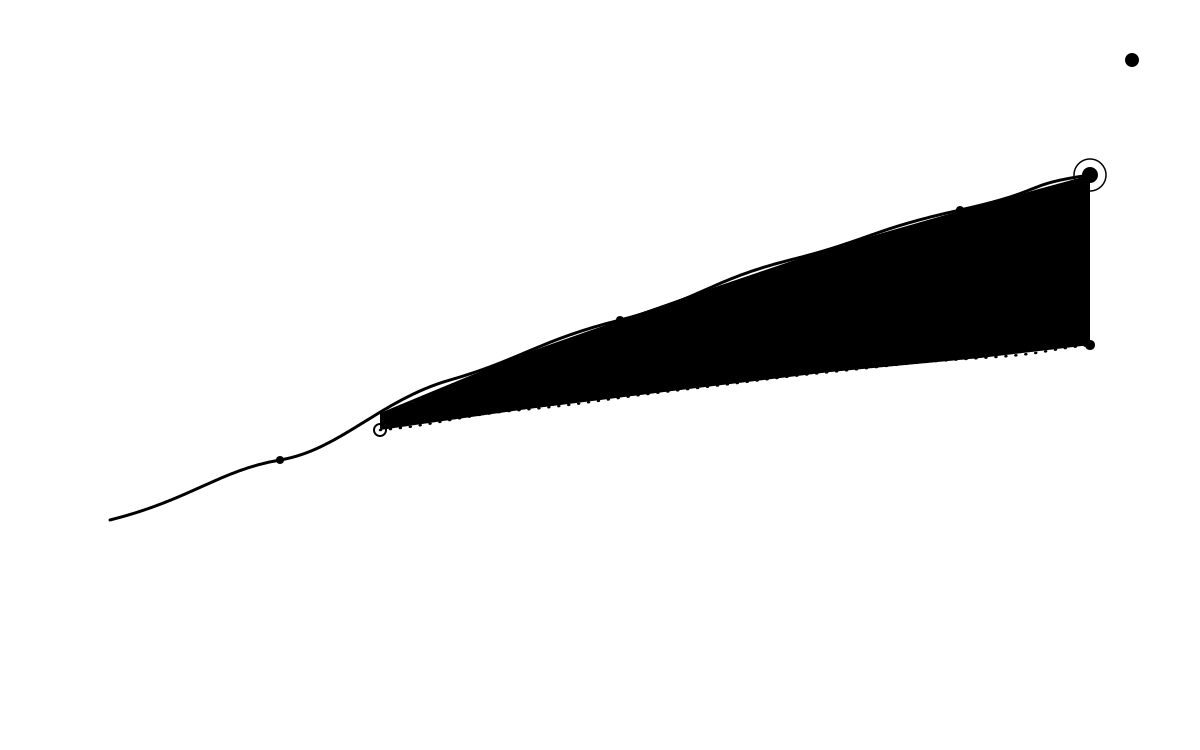
Wooting's 80HE+ preorder is the top mover on thock's 2026-W39 trends tracker, climbing from a score of 40 to 80 over eight weeks. The switch hardware behind it isn't the reason — Hall-effect sensing is table stakes across the category by September 2026. The firmware behind it still isn't matched.
thock6 min read
News
Wooting's 80HE+ preorder starts shipping in two waves this fall
Preorders for Wooting's 80HE+ opened September 17, 2026, and the first units are headed out the door in two separate waves — ABS and Module boards in late October, the zinc case and Lekker Knob Large accessory in mid-December.
thock6 min read
Deep Dives
Rapid trigger is a firmware algorithm, not a switch spec
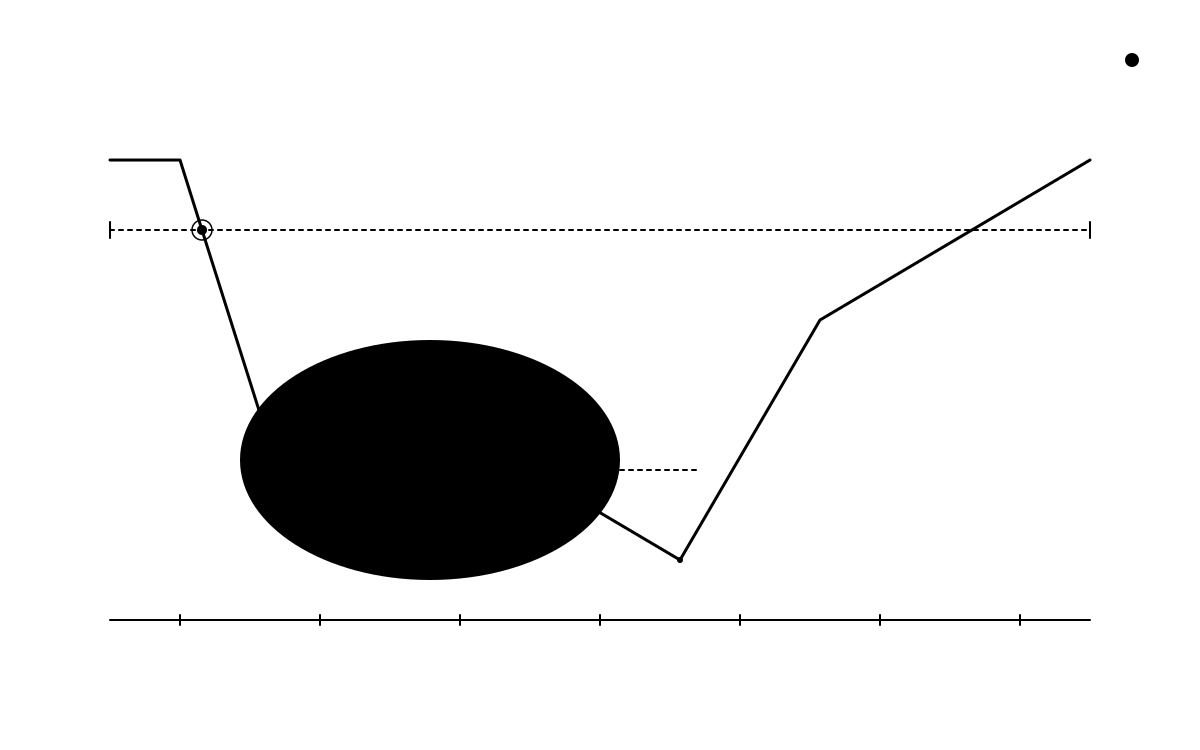
A rapid-trigger switch is not a special switch. It is an ordinary analog sensor wired to a polling loop that redraws its own actuation point every cycle — and that loop, not the sensor, is where the real engineering happens.
thock9 min read
Trends
Gaming Boards Are Winning the Spec War, and Enthusiasts Are Paying Attention
Hall-effect sensors and Rapid Trigger have done what RGB lighting and polling-rate marketing never could: closed the spec gap between gaming keyboards and enthusiast builds at the hardware layer. The divide persists in culture and community, but at the switch and firmware level, the lines are dissolving.
thock8 min read