loading · tag
Archive
Every #deep-dive piece
Deep Dives
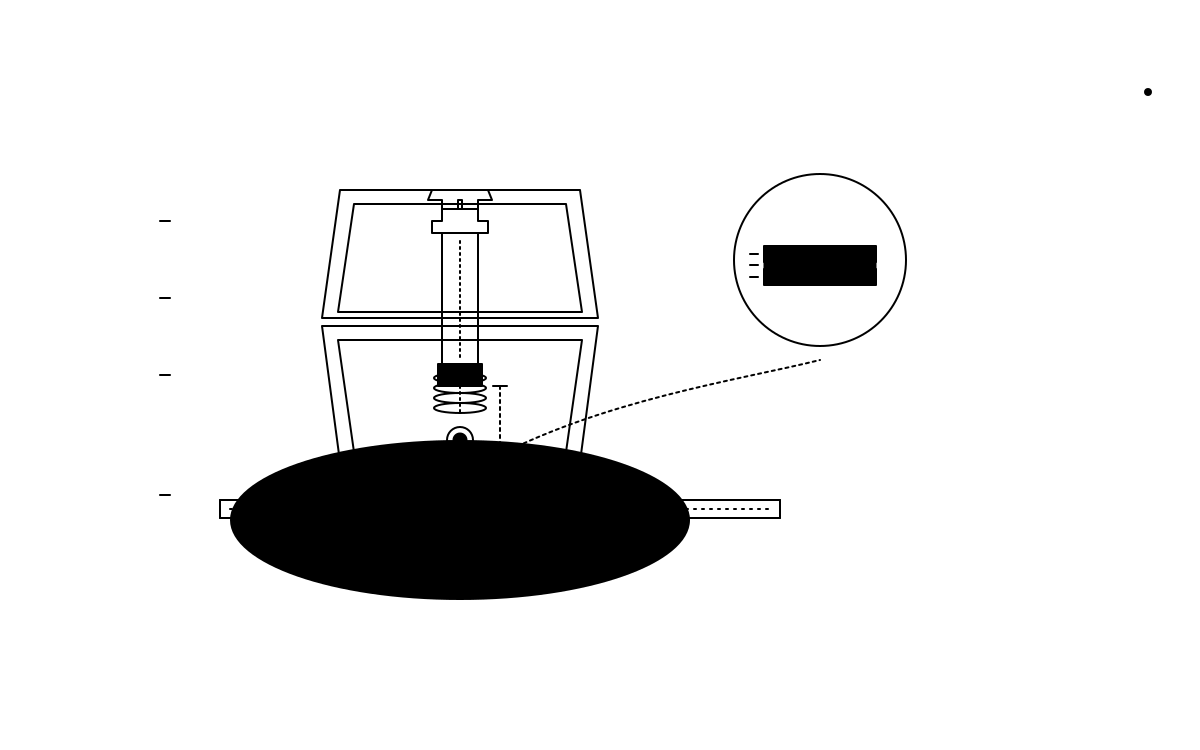
What a TMR sensor is actually measuring under a magnetic switch
Keychron's Q16 HE 8K and Cherry's XTRFY TMR boards get covered as a new switch generation. The real change sits a few millimeters below the magnet — a tunnel junction reading field strength through resistance instead of voltage, with a noise floor low enough to matter at the shallow end of the stroke.
thock11 min read
Deep Dives
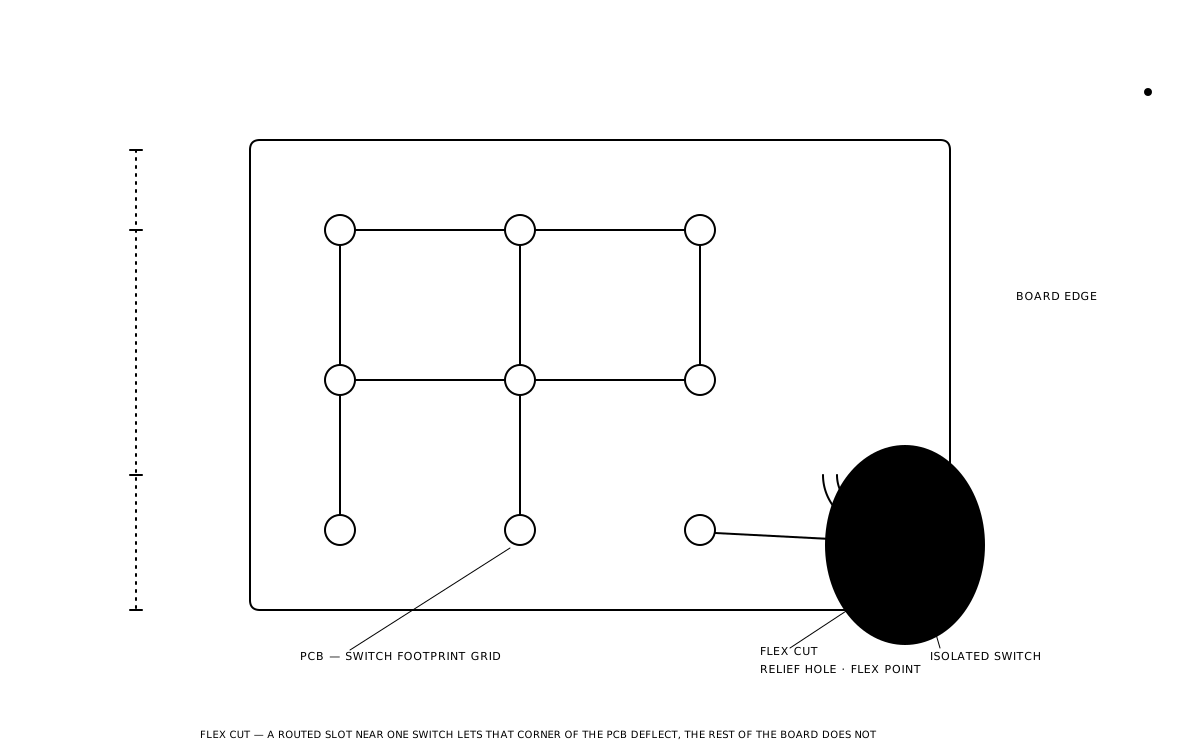
PCB flex cuts, explained: a flex budget milled straight into the board
No plate change, no gasket, no case redesign — just a slot routed through the fiberglass near a switch hole. Flex cuts are the cheapest lever a designer has for adding give to a board that otherwise has none, and the cheapness is exactly why they show up where they do.
thock10 min read
Deep Dives
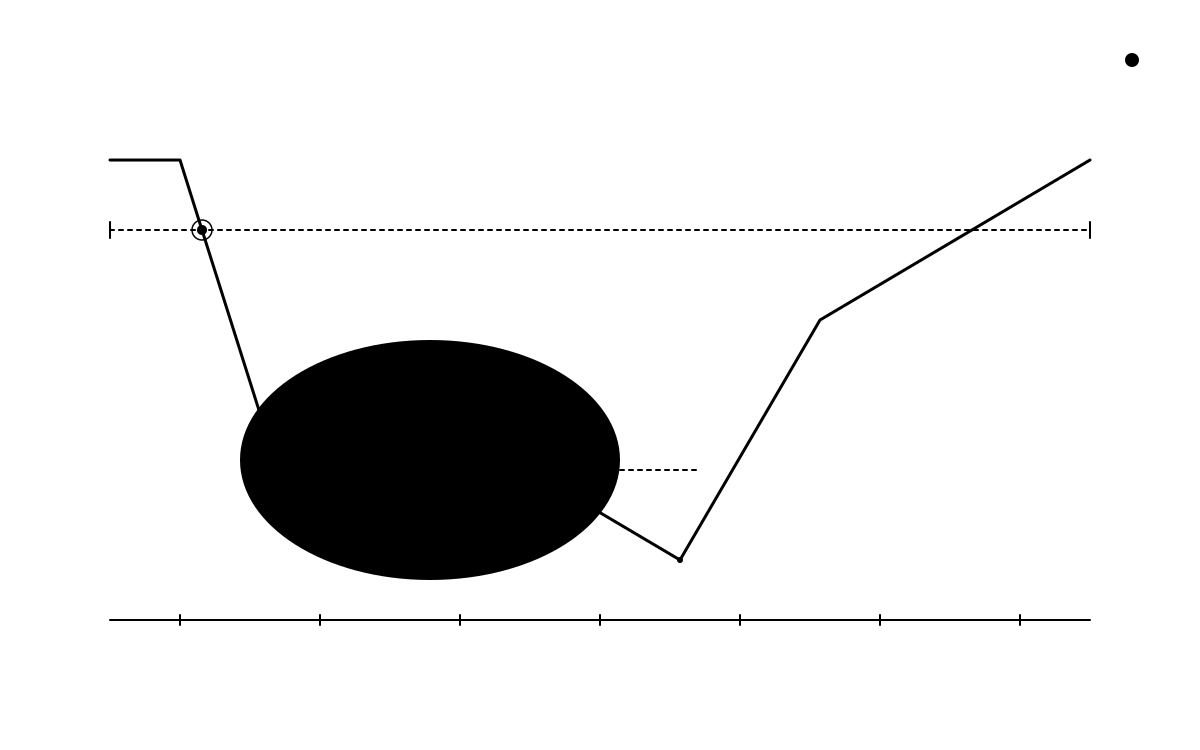
Rapid trigger is a firmware algorithm, not a switch spec
A rapid-trigger switch is not a special switch. It is an ordinary analog sensor wired to a polling loop that redraws its own actuation point every cycle — and that loop, not the sensor, is where the real engineering happens.
thock9 min read
Deep Dives
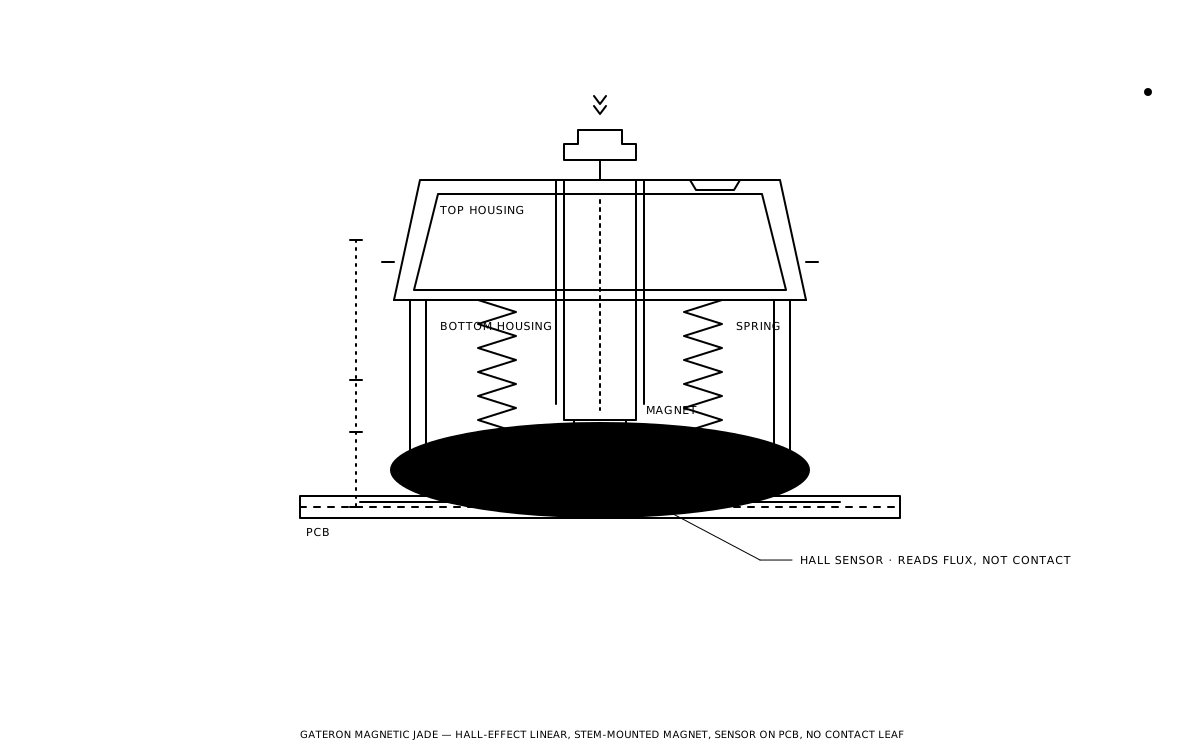
Gateron Magnetic Jade: the Hall-effect linear built to be argued about like a mechanical one
Pull a Magnetic Jade apart and the parts list reads like a mid-tier mechanical linear: polycarbonate top, nylon bottom, POM stem, factory lube. Where the leaf would be, there is a magnet. That one substitution explains the feel, the sound, and why it will not fit half the Hall-effect boards on the market.
thock11 min read
Deep Dives
What a silent switch actually silences — and what it can't
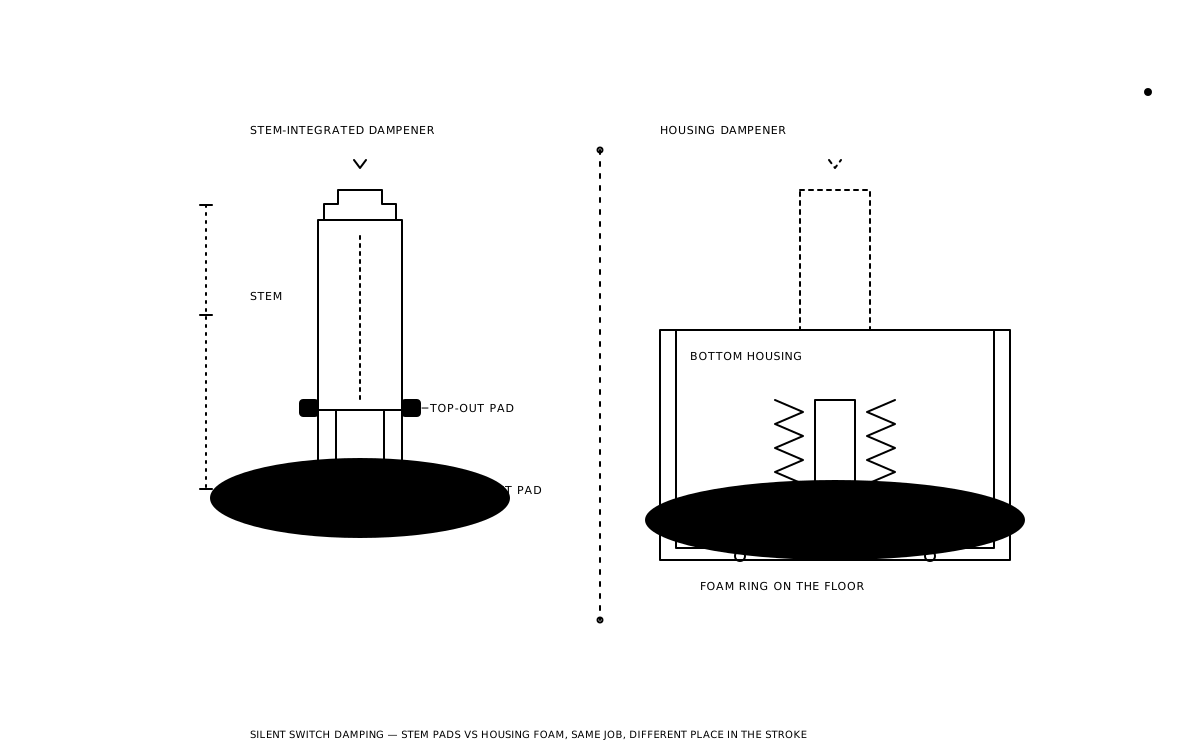
Every keystroke lands twice — once on the floor, once on the ceiling. Cherry molds an elastomer pad onto the stem to catch both; Gazzew fits a silicone one. The undamped Boba U4T shows what either approach is buying — about 14 dB on one tester's meter — and what it costs in travel, rebound, and a bump with nowhere left to go.
thock10 min read
Deep Dives
Why stabilizers rattle: the engineering behind a smooth stab
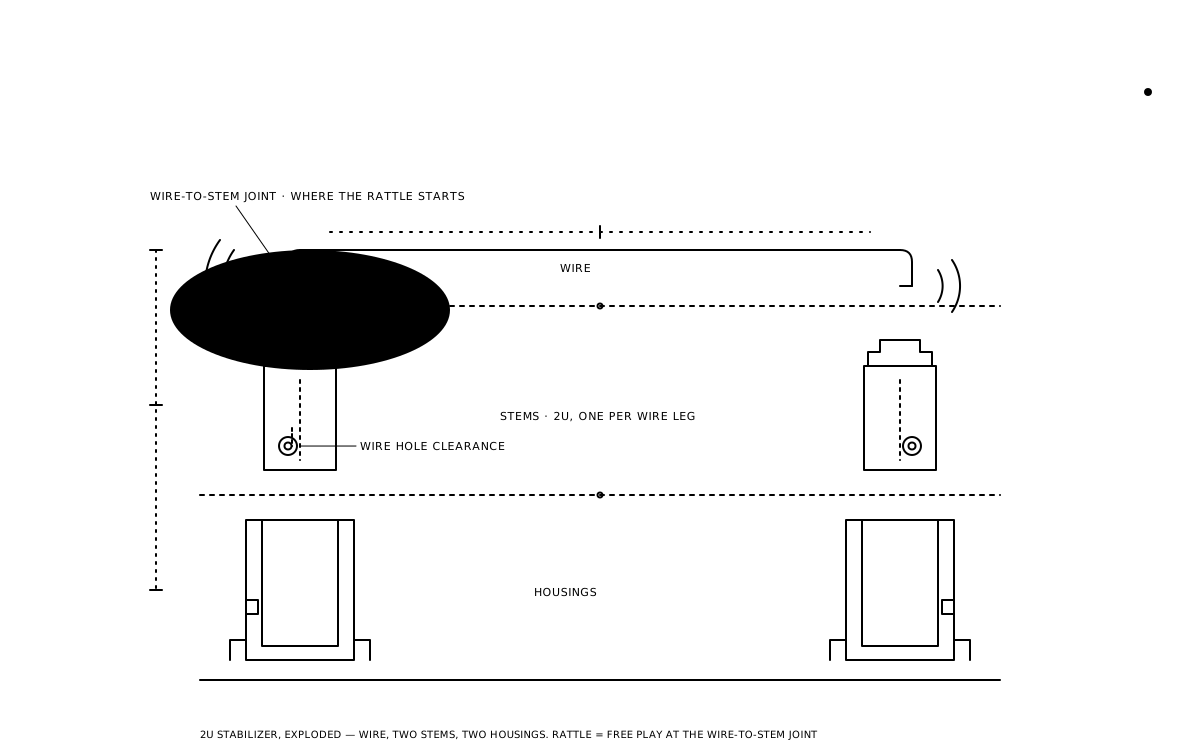
A stabilizer has to be loose enough to slide and tight enough to stay quiet, and those two requirements contradict each other at three separate interfaces. Every rattle, tick, and clunk on a spacebar is one of those interfaces losing the argument.
thock10 min read
Deep Dives
How keycaps are actually made: double-shot, dye-sub, and the processes in between
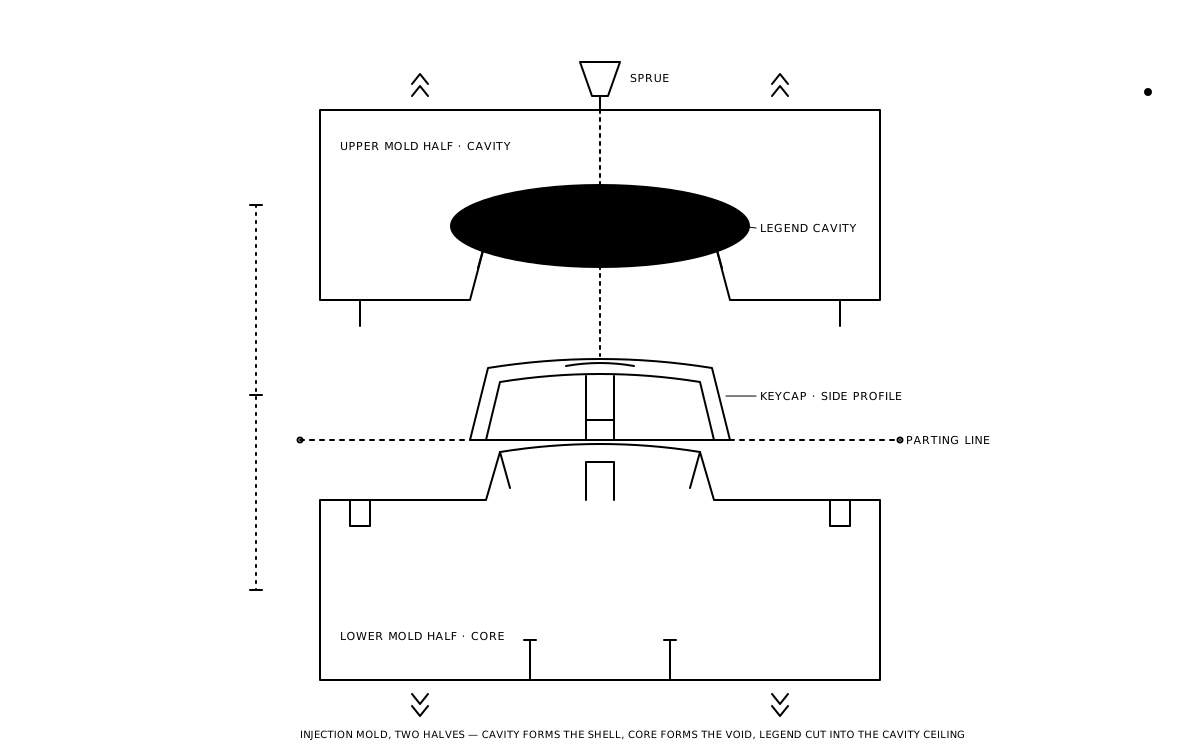
Material and profile get the attention. The mold, the second shot, the transfer press, and the shrinkage table are what set the price, the lead time, and whether the legend is still there in ten years.
thock10 min read
Deep Dives
Leaf-spring mounts, explained: what a bending metal tab does that a foam strip cannot
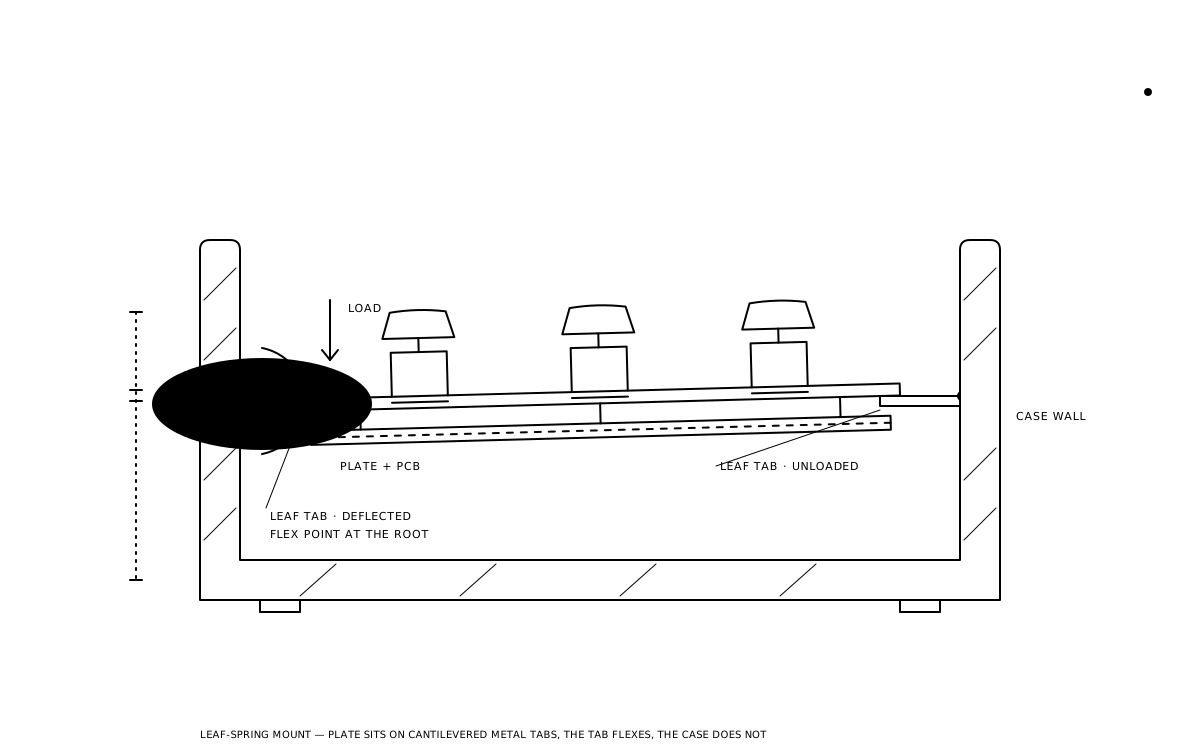
The Nyawice's spec line and Mode's plate-tab mounting blocks both lean on one old idea — let a thin tab bend instead of a foam strip squash. The physics is textbook; the keyboard implementations are not, and the name covers more than one mechanism.
thock10 min read
Deep Dives
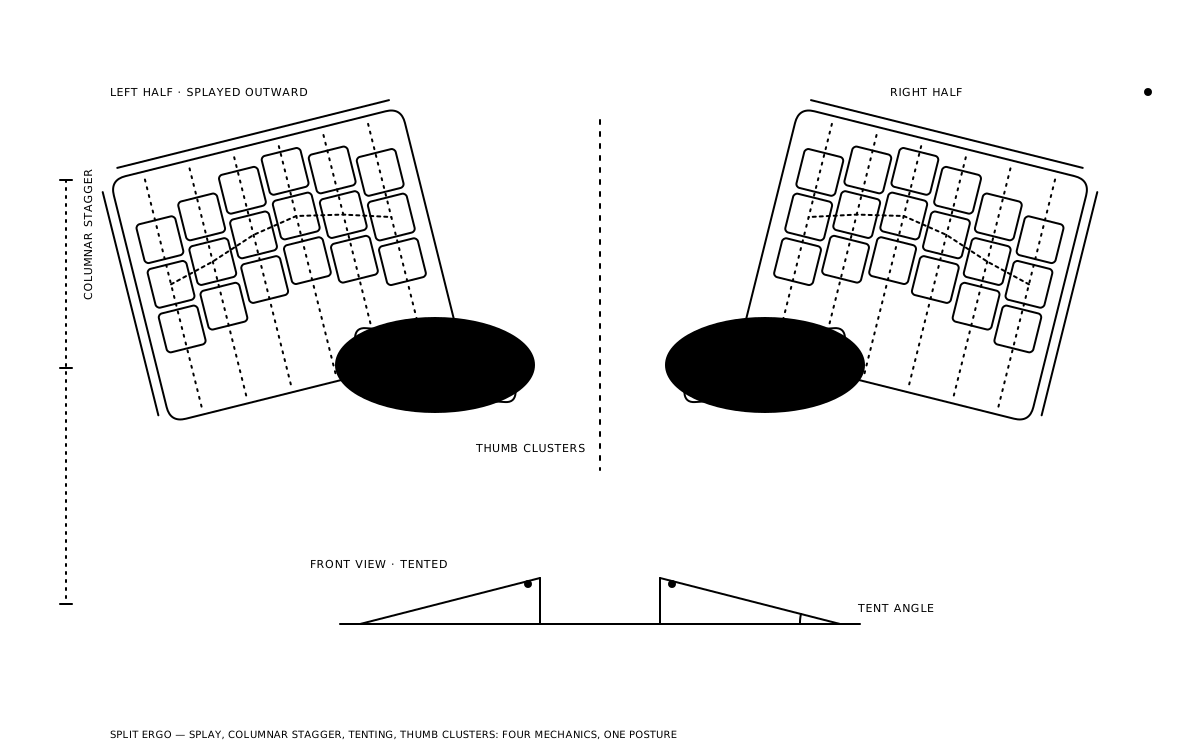
What a split keyboard actually changes: the mechanics
A conventional keyboard bends the wrist three separate ways, and every ergonomic geometry on the market is a fix for exactly one of them. Sorting out which fix does what — and which claims the research backs — is the difference between buying a posture and buying a story.
thock10 min read

Deep Dives
How the 60% became the default custom-keyboard layout
Every custom-keyboard buyer's guide since the mid-2010s opens with the same four-term vocabulary — 60%, 65%, 75%, TKL — as though it always existed. It didn't. One open-source PCB out of a geekhack thread is most of the reason that taxonomy exists at all.
thock11 min read
Deep Dives
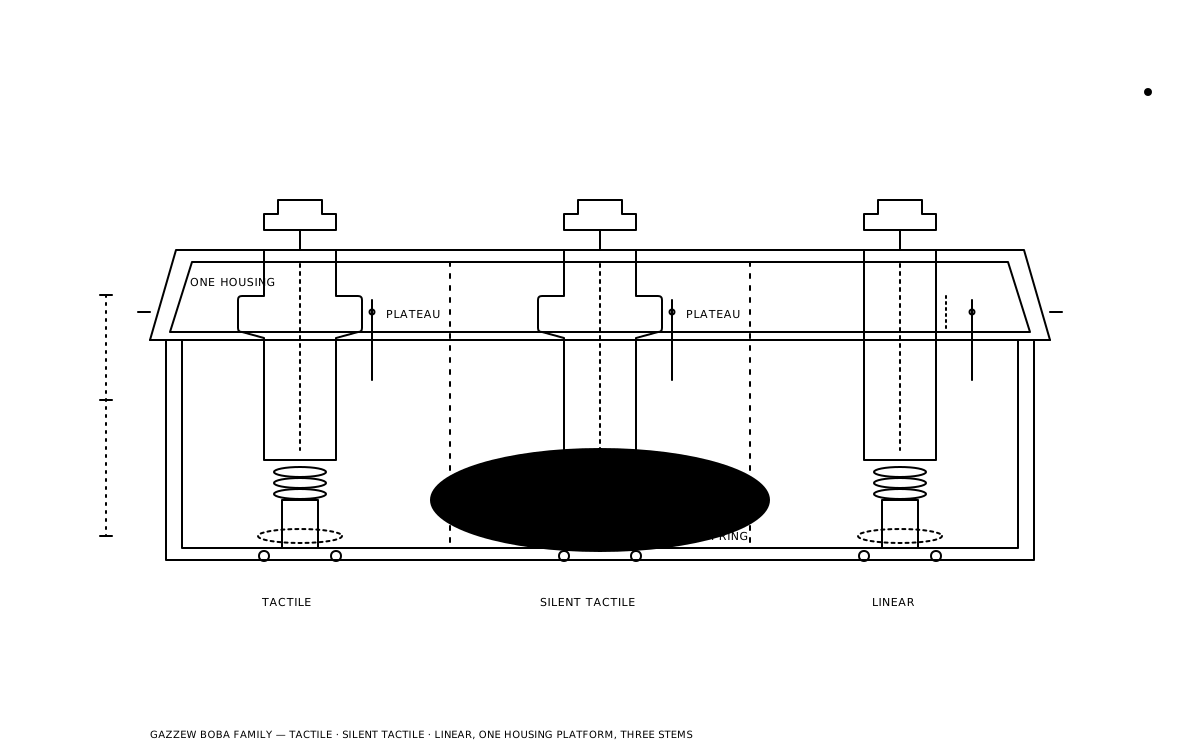
The Boba Family: One Housing Blend, Five Switches, and the Sound thock Is Named For
Gazzew designs, Outemu molds, and a plastic softer than nylon does the rest. Every Boba is the same chamber with something deliberately left out — and the pattern of subtractions is the whole family tree.
thock10 min read
Deep Dives
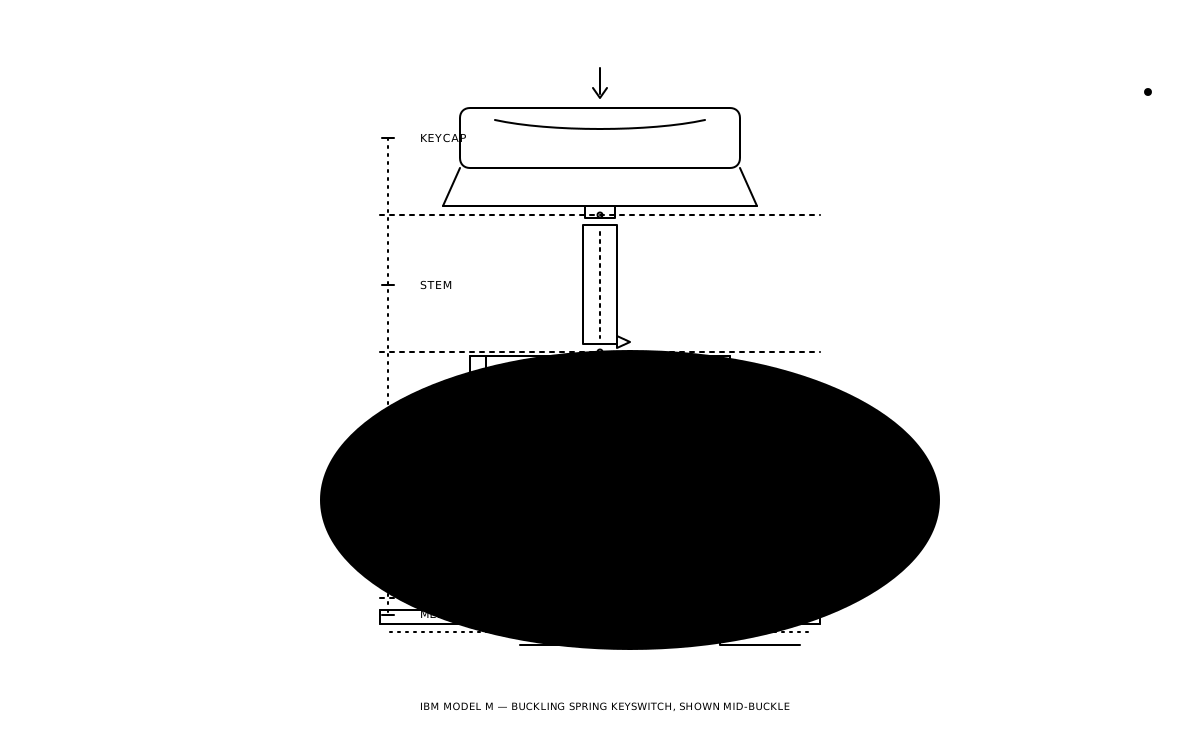
How buckling-spring switches actually work
thock has already reached for the buckling-spring snap twice — once to describe a Topre dome, once to describe a click-bar's sharpness — without ever explaining what a buckling spring actually is. The mechanism predates both, and it is stranger and more mechanically honest than either.
thock10 min read
Deep Dives
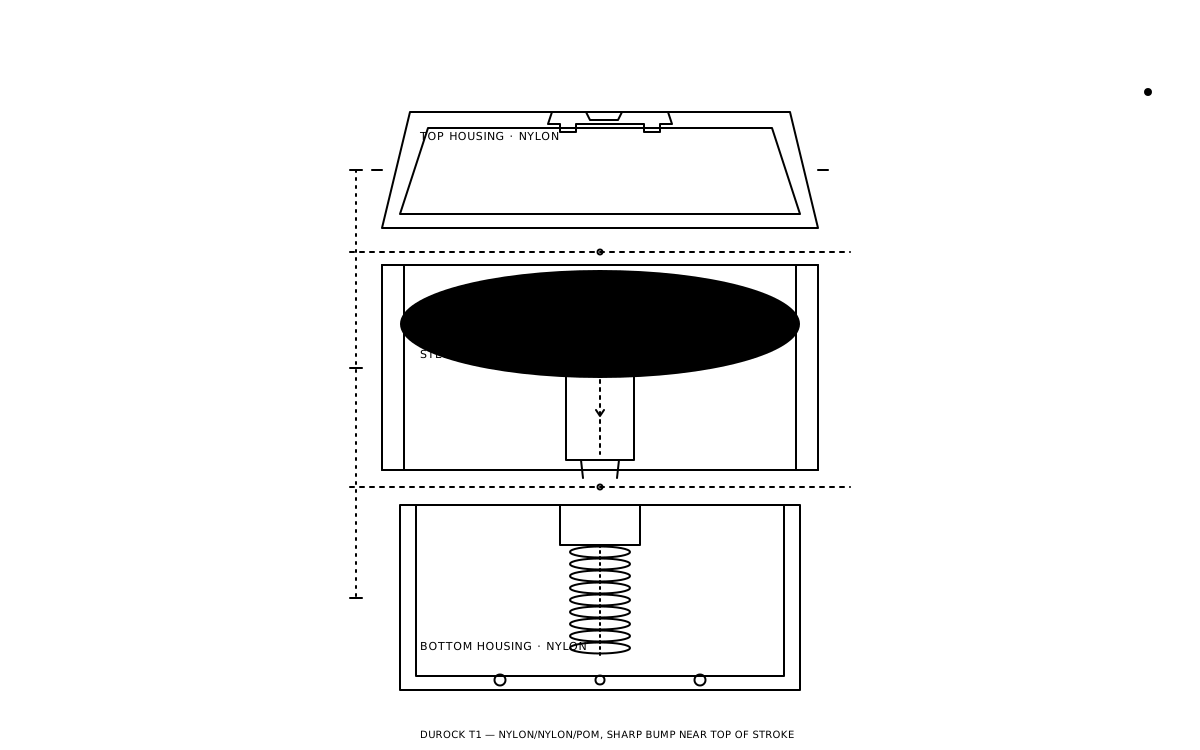
Why the Durock T1's Bump Feels the Way It Does
The Durock T1 keeps turning up as the comparison point in other switches' deep-dives — the reference a reviewer reaches for when a bump needs to read as heavy and serious. It has never had its own.
thock10 min read
Deep Dives
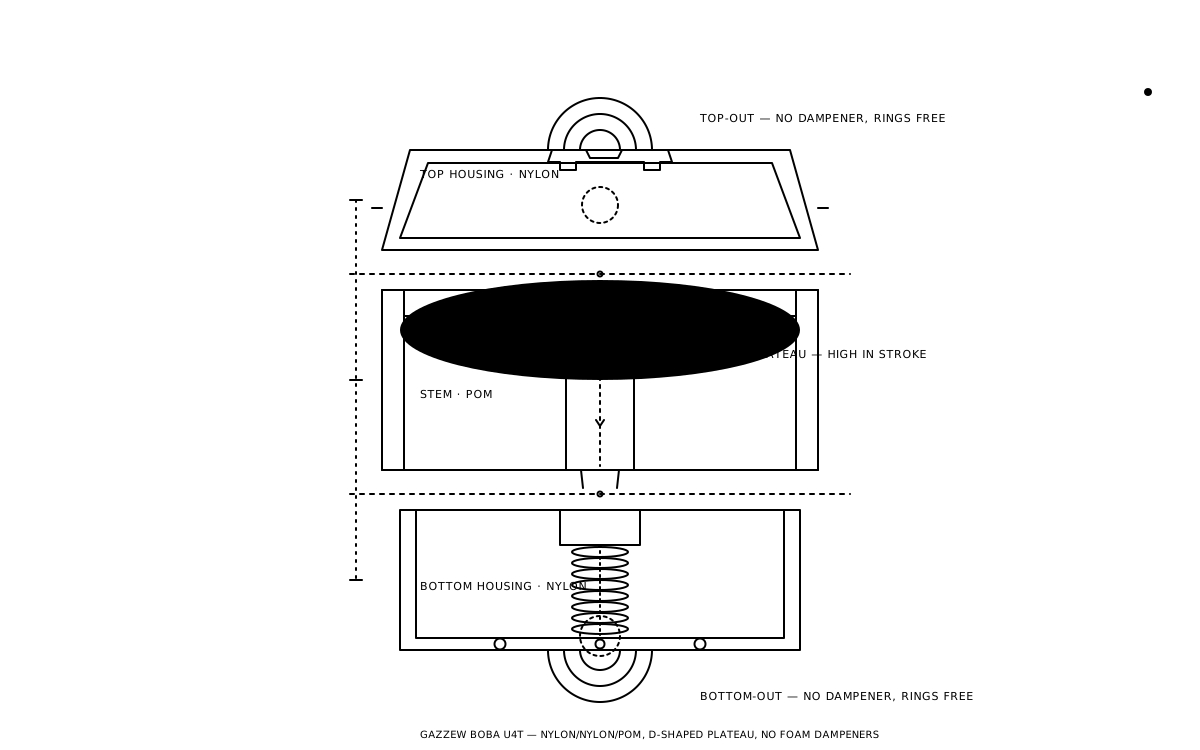
Why the Gazzew Boba U4T Rings Where the Boba U4 Stays Quiet
Same housing, same bump position — the U4T's whole personality comes down to what Gazzew left out. Pull the dampening pads from a Boba U4 and the bottom-out stops being polite.
thock11 min read
Deep Dives
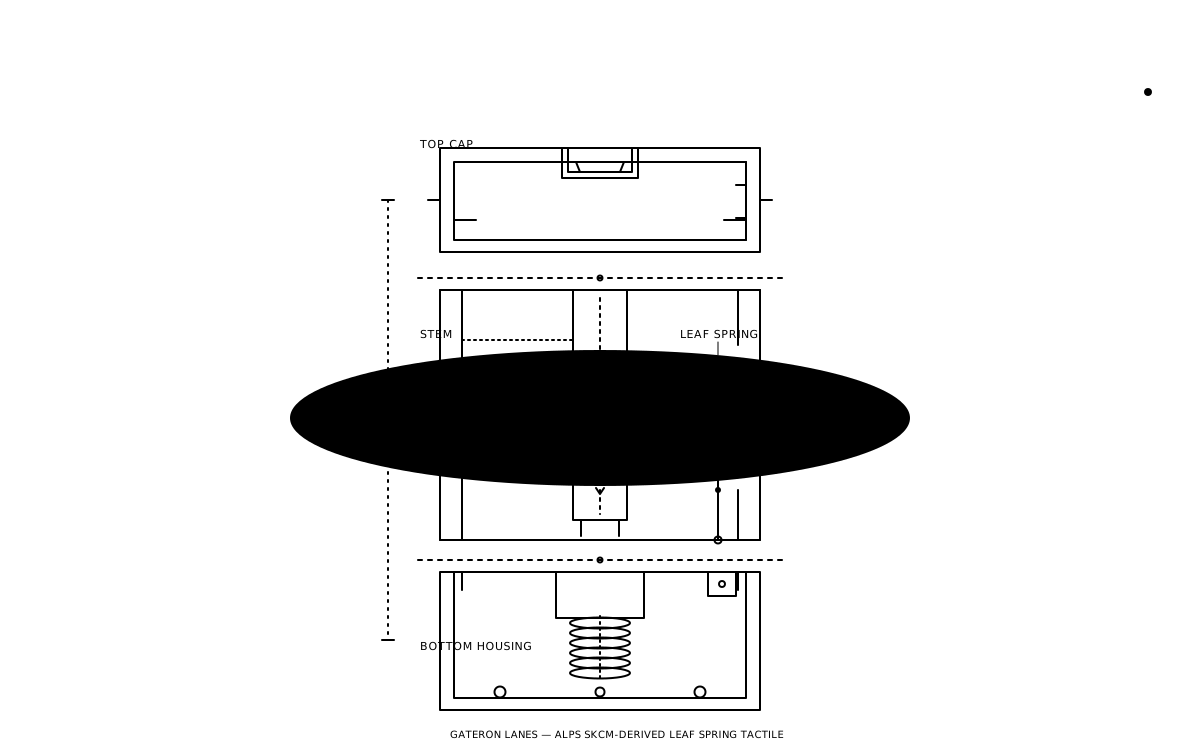
Gateron Lanes: The Alps-Inspired Tactile Taking Over the Mid-Range
Gateron's Lanes draws its DNA from the Alps SKCM Orange — one of the most loved tactile mechanisms of the 1980s — and arrived in June 2026 with enough community conviction to sell out on first drop.
thock12 min read
Deep Dives
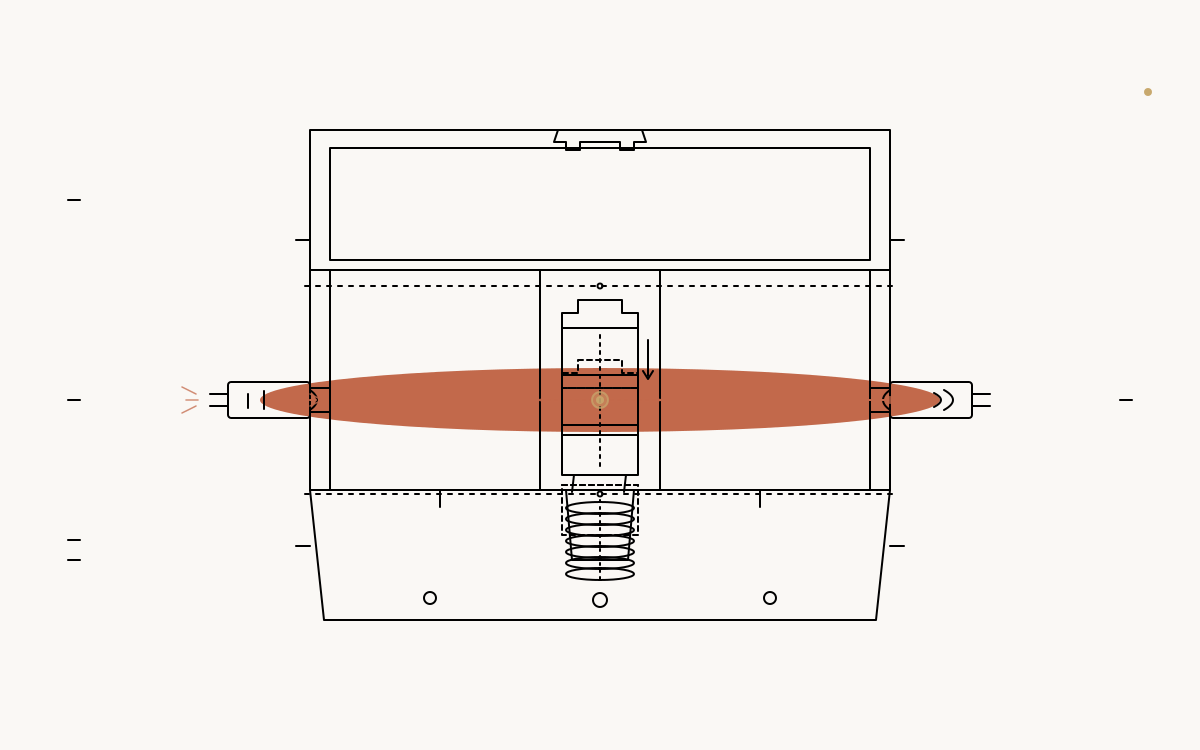
How optical switches actually sense a keypress
An optical switch replaces the metal contact with a beam of light. That one change eliminates contact bounce entirely, reshapes the latency math, and is why some optical boards can offer per-key actuation at 0.1mm granularity. The mechanism is simpler than the marketing makes it sound.
thock12 min read
Deep Dives
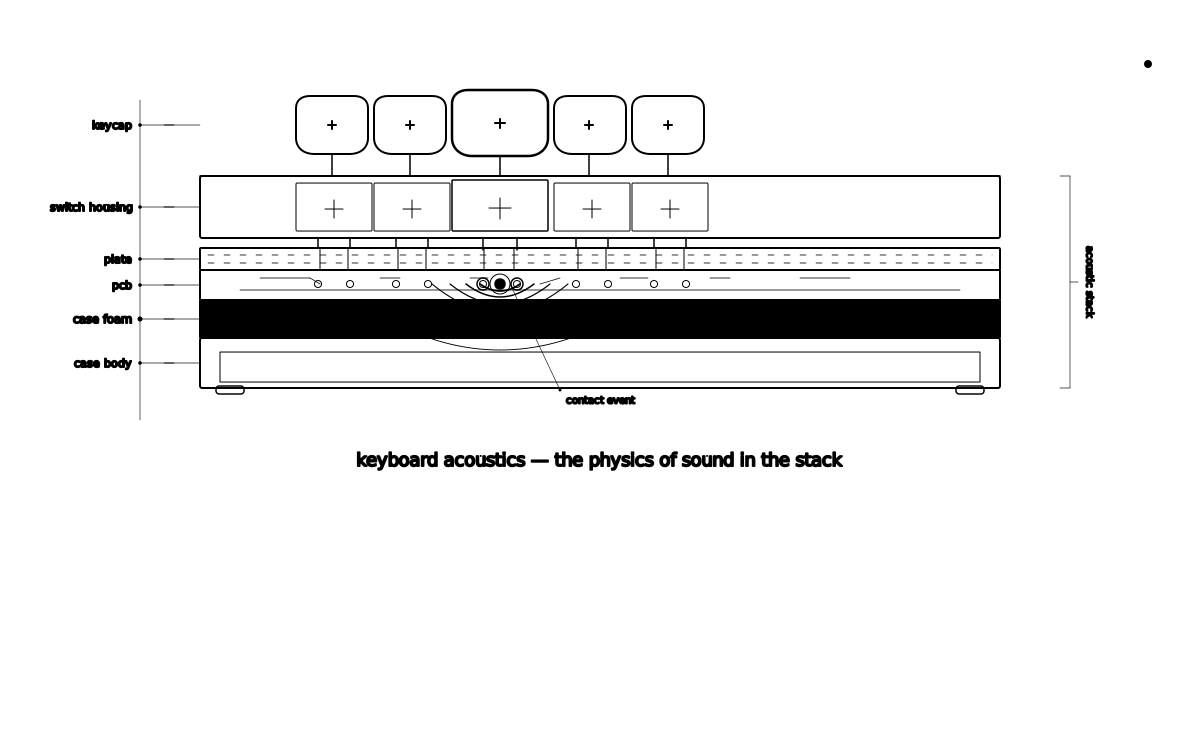
The physics of thock: how every layer shapes your keyboard's sound
Every component between your fingertip and the desk makes a decision about your keyboard's sound — the switch, the plate, the case, the surface it sits on. Understanding what each layer adds or subtracts is the difference between chasing a sound blindly and engineering it deliberately.
thock16 min read
Deep Dives
Why the Drop Holy Panda X feels the way it does
The Holy Panda was a six-month frankenswitch project for most of its life. The Drop Holy Panda X is the first version where the geometry, the spring tune, the housing pairing, and the factory lube were the spec — not the mod.
thock13 min read
Deep Dives
What Cherry's MX2A revision actually changed
Cherry's MX2A landed in 2023 with a real engineering update — factory lube, tighter tolerances, the same 100M-press lifespan. The reason the discourse cooled isn't that the switch failed; it's that the enthusiast slot it aimed at was already claimed by the time it arrived.
thock8 min read
Deep Dives
How HMX took over the mid-tier linear slot
Two years ago HMX was a name on a vendor page nobody pronounced confidently. In W19, the Cloud sat second among switches on our tracker and landed in half the $120 prebuilts the scene argues about. The rise wasn't an accident.
thock13 min read
Deep Dives
Plate materials, explained: what brass, FR4, POM, and aluminium actually change
The plate is the cheapest variable in the build and the one builders argue about hardest. Most of the heat is misdirected — but a usable fraction of it is real, and the difference is worth pinning down.
thock13 min read
Trends
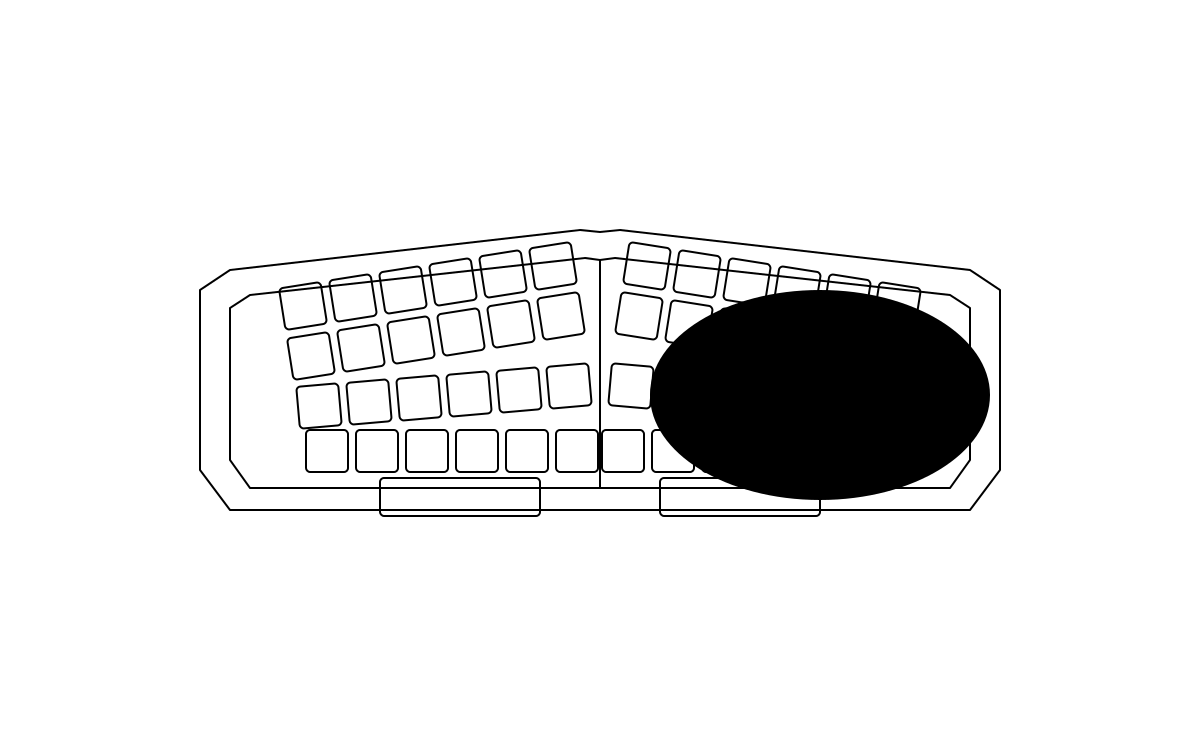
The slow fade of Alice layouts
Alice mounts had a clear moment between 2021 and 2023 — the splayed alphas, the angled bar, the promise of a typing posture that didn't twist your wrists. The thock trends snapshot for 2026-W19 pegs Alice movement at -18 and trending down. The layout still has loyal users, but the curve has bent.
thock5 min read
Deep Dives
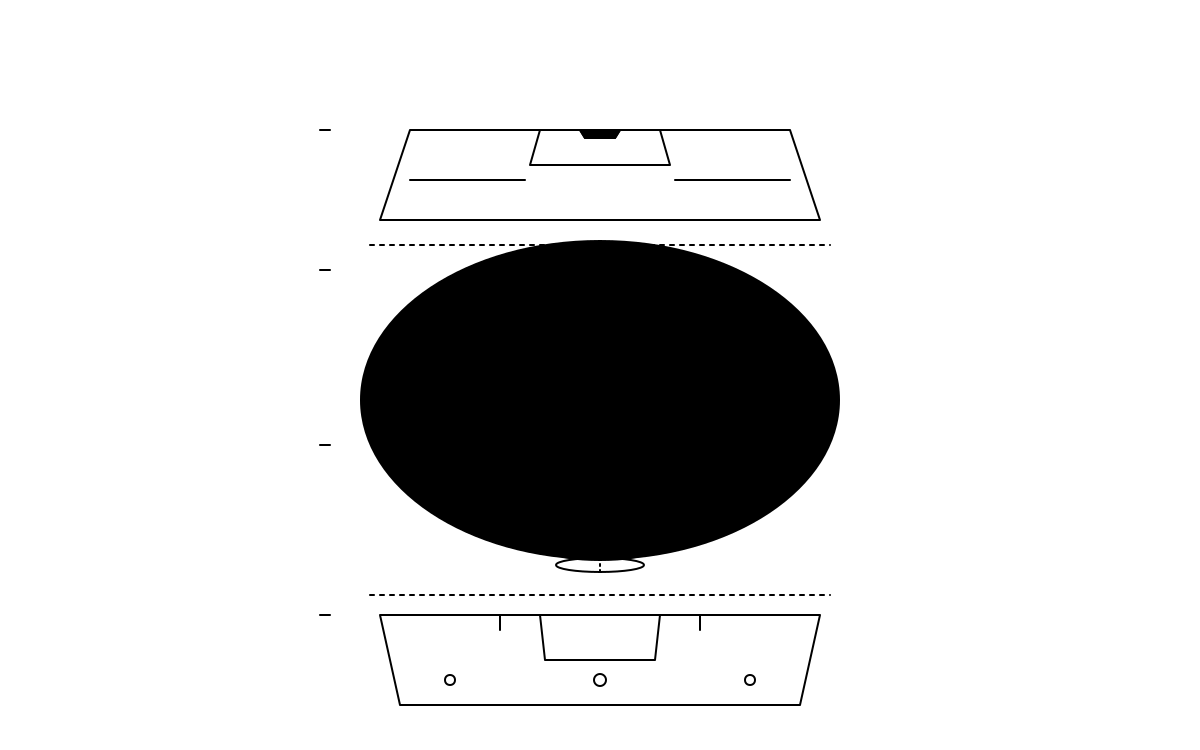
Why the Gateron Oil King sounds the way it does
Few stock linears earn the word 'creamy' on first press. The Oil King does, and the reason is not a secret stem material or a proprietary lube — it is a careful pairing of housing resins and a factory tune that other linears under thirty cents tend to skip.
thock6 min read
Deep Dives
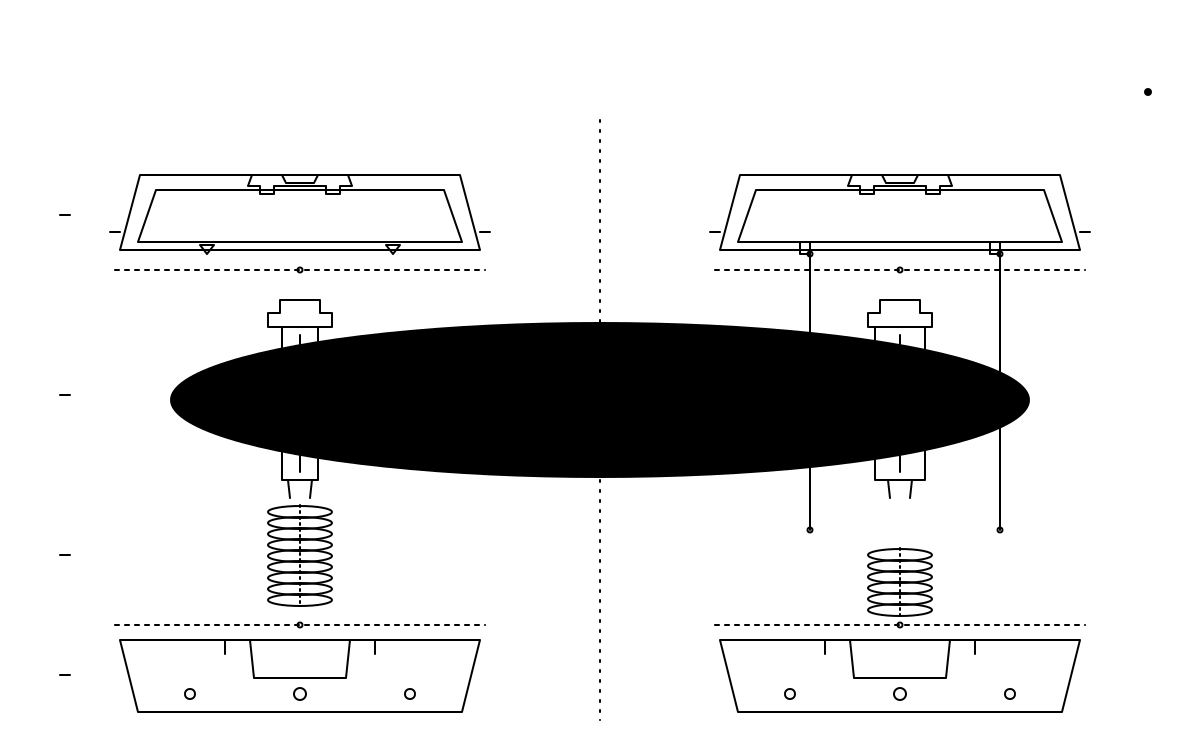
Why clicky switches still have a constituency
Linears and tactiles dominate the modern build conversation, and clickies barely appear in it. The reason is not that clicky switches have aged out — it is that the people who want them really want them, and the manufacturers know it.
thock10 min read
Deep Dives
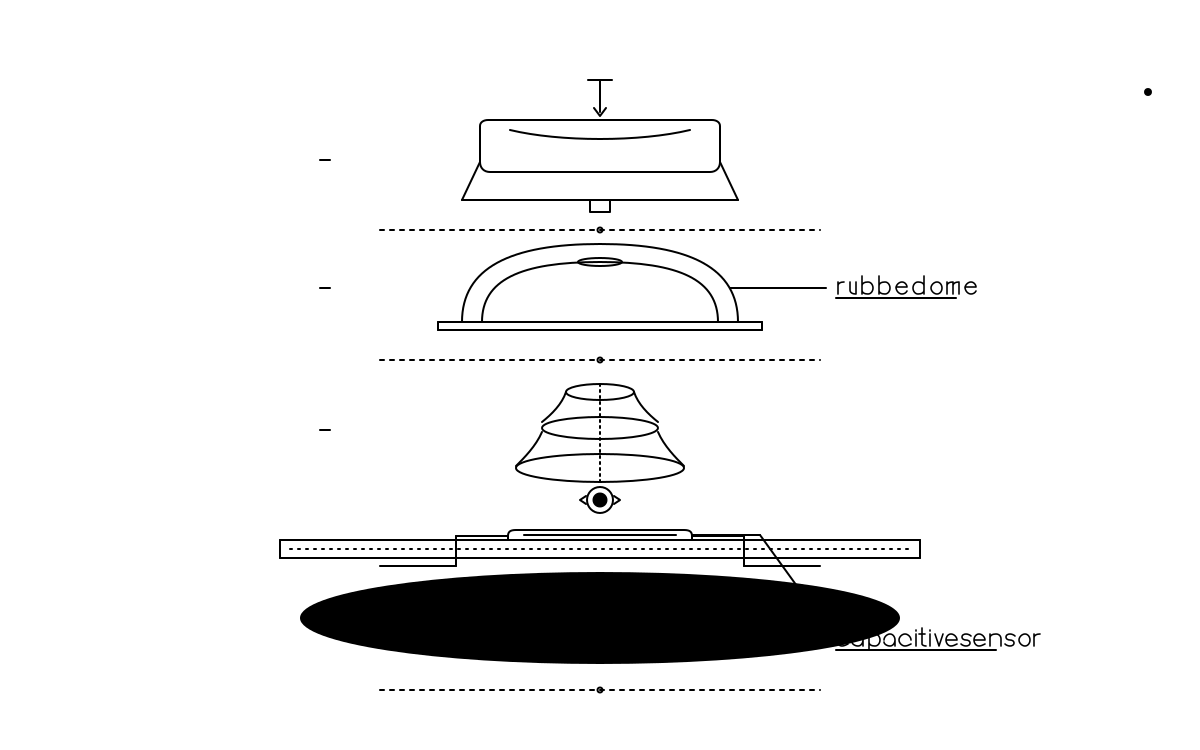
How Topre's electrocapacitive switches actually work
Topre is not just another switch — it is a third sensing lineage, parallel to the MX-style contact switches and the Hall-effect newcomers. Understanding why HHKB and Realforce typists pay what they pay starts with the fact that a Topre keypress does not close a circuit at all.
thock12 min read
Deep Dives
How Hall-effect switches actually sense a keypress
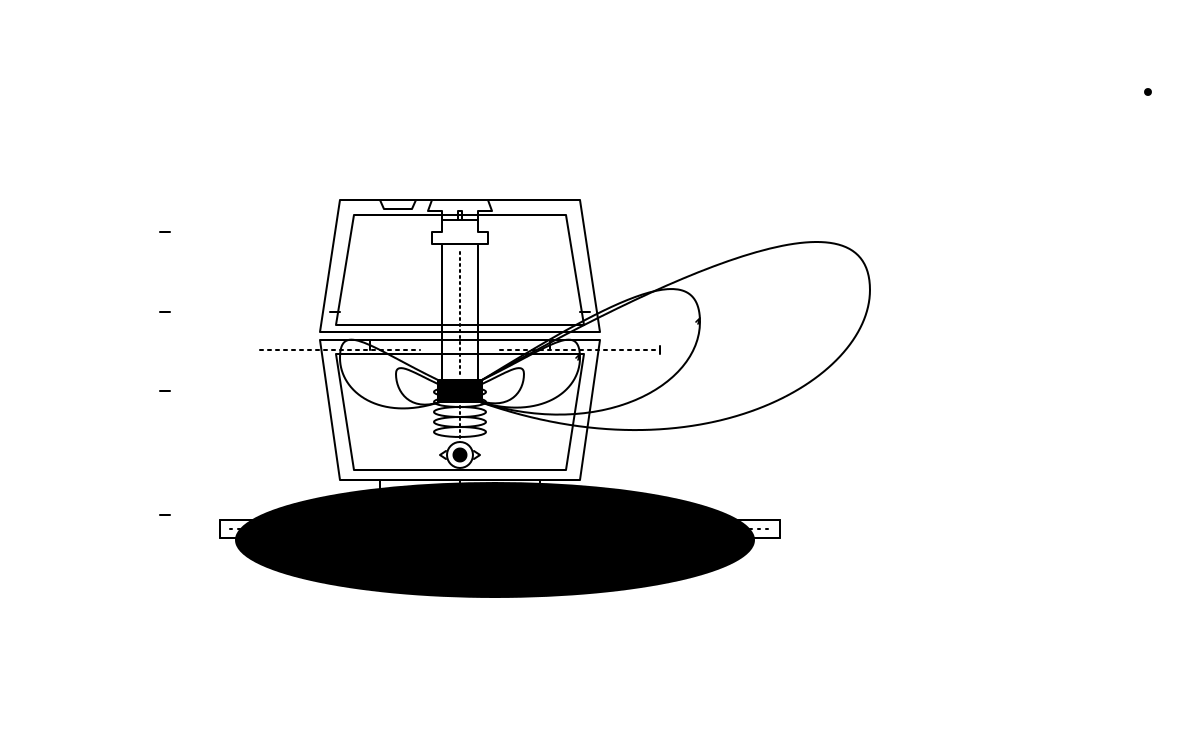
A Hall-effect switch is not a faster MX switch. It is a different sensing lineage — a magnet in the stem, a sensor on the PCB, and an analog voltage where contact closure used to be. The features the marketing pages lead with all unwind from that one architectural fact.
thock13 min read