loading · tag
Archive
Every #acoustic piece
Trends
How 'thock' became an acoustic spec, not an accident
A decade ago a thocky board was the win condition of a $300 custom — the payoff for the right switches, the right lube job, the right patience. In 2026 the same sound is table-stakes for a $150 prebuilt: factory-lubed switches, silicone dampening, gasket-mounted plates, PBT doubleshot. The stack that used to be enthusiast-only is now what mid-tier vendors design toward from day one.
thock8 min read
Deep Dives
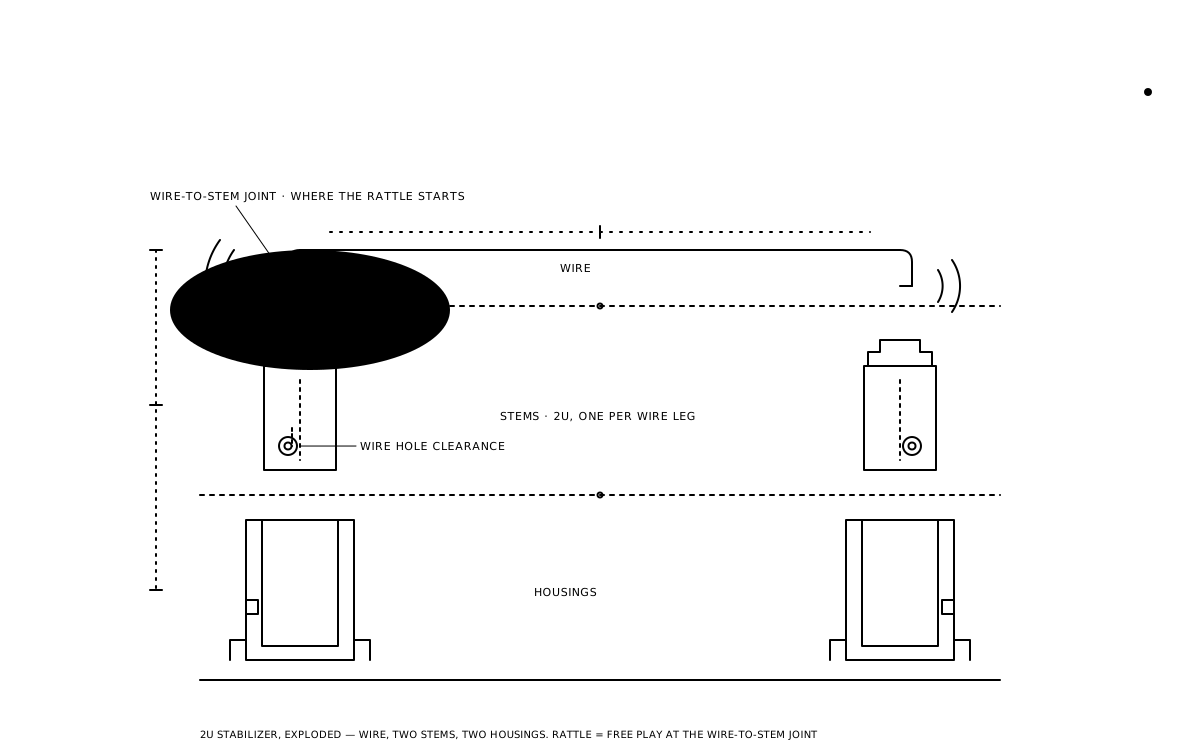
Why stabilizers rattle: the engineering behind a smooth stab
A stabilizer has to be loose enough to slide and tight enough to stay quiet, and those two requirements contradict each other at three separate interfaces. Every rattle, tick, and clunk on a spacebar is one of those interfaces losing the argument.
thock10 min read
Ideas
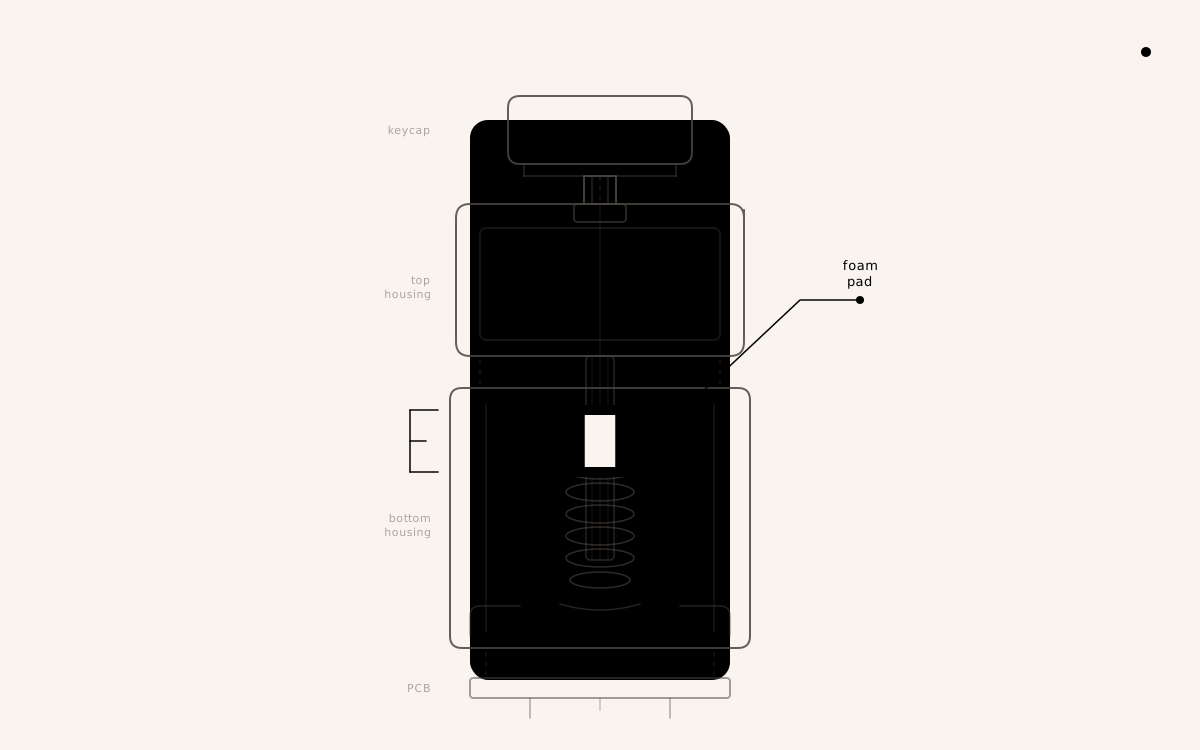
The Holee mod: what foam inside the switch actually buys you
Small pads of polyurethane foam cut and wedged inside the switch housing itself — not under the PCB, not behind it, not under the keycap. The Holee mod works at a smaller scale than every other foam mod in the hobby, and it costs proportionally more time.
thock8 min read
Ideas
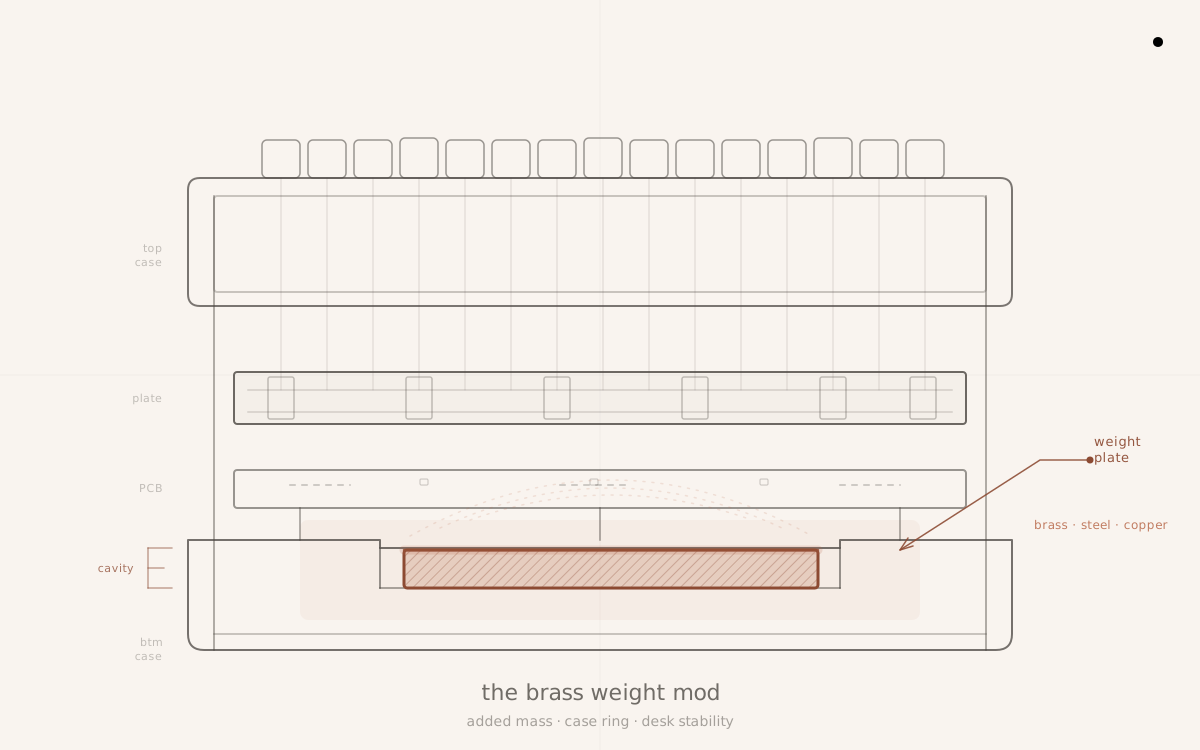
The brass weight mod: what added mass actually buys you
Bolting a half-pound of brass into the bottom of a case is one of the more expensive mods in the hobby for how little it visibly does. It changes how a board sounds and sits on a desk — just not in the ways the marketing copy implies.
thock8 min read
Ideas
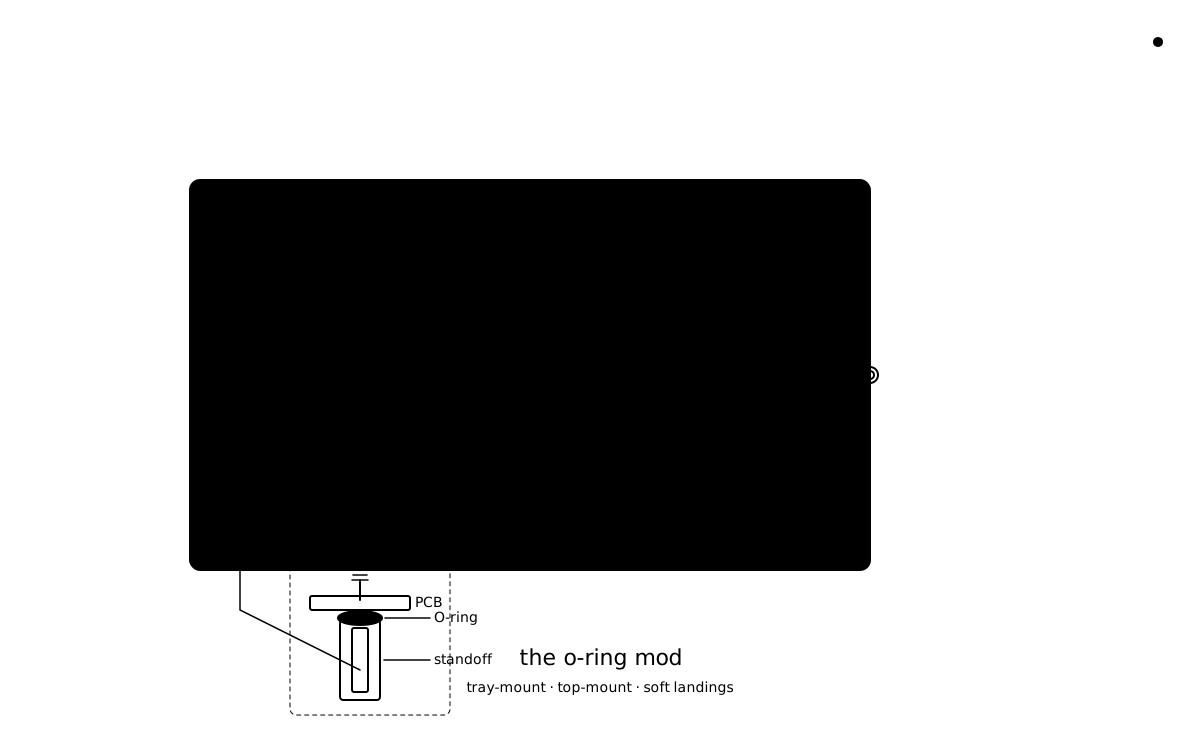
The o-ring mod: soft landings for tray-mount and top-mount boards
A $2 bag of silicone O-rings is enough to give a tray-mount board meaningfully more flex and a cleaner sound. Here is the full procedure and what to realistically expect.
thock8 min read
Deep Dives
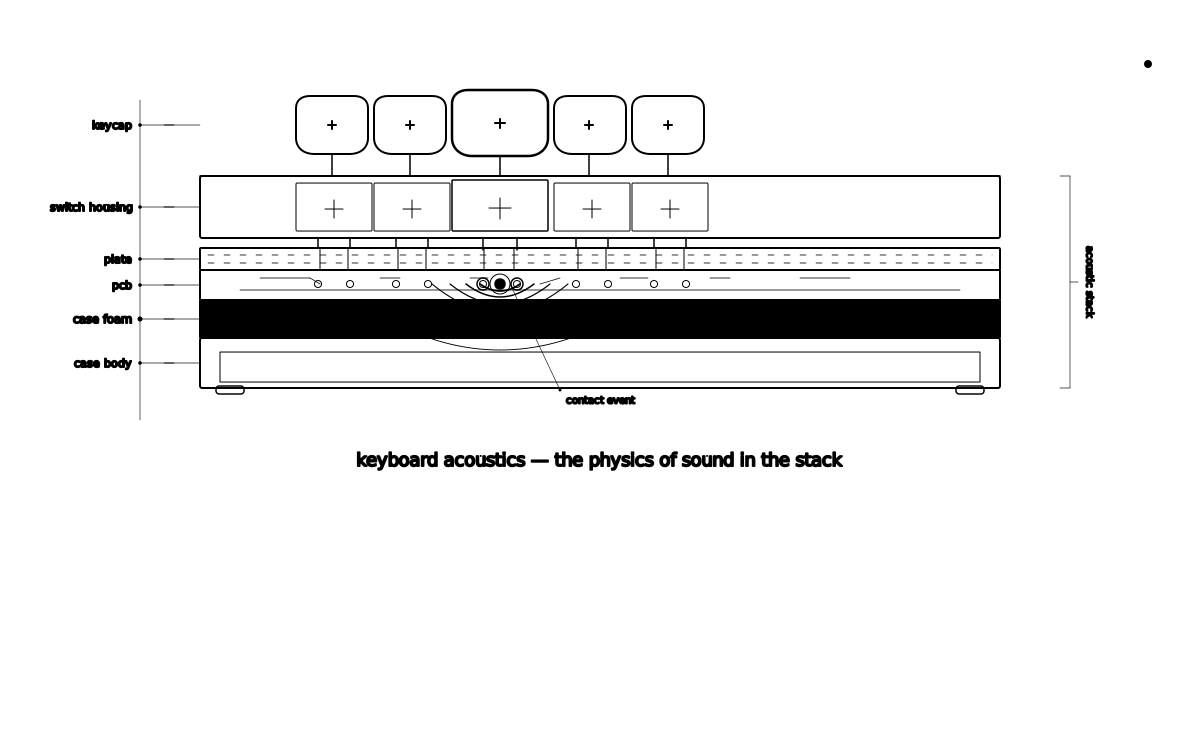
The physics of thock: how every layer shapes your keyboard's sound
Every component between your fingertip and the desk makes a decision about your keyboard's sound — the switch, the plate, the case, the surface it sits on. Understanding what each layer adds or subtracts is the difference between chasing a sound blindly and engineering it deliberately.
thock16 min read
Guides
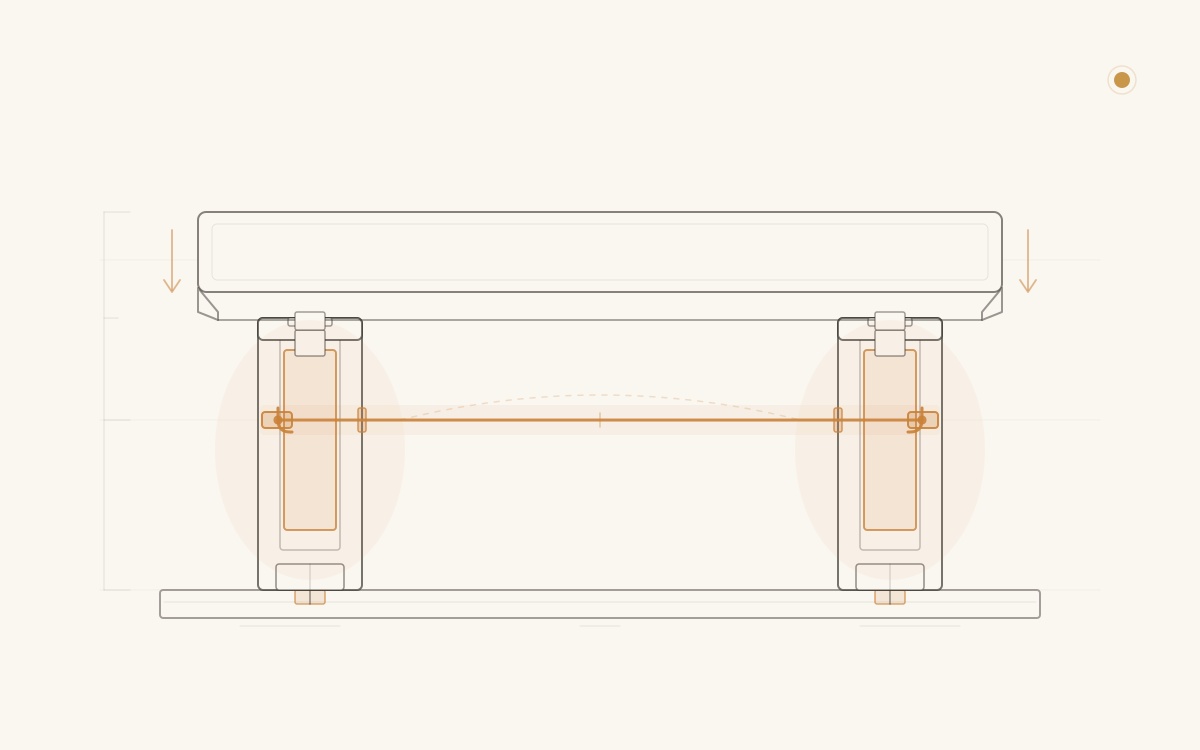
Stabilizers explained: from stock rattle to silent smoothness
Stabilizers are the most acoustically influential component most builders treat as an afterthought. Understanding what they are and why they fail changes every build that follows.
thock12 min read
Deep Dives
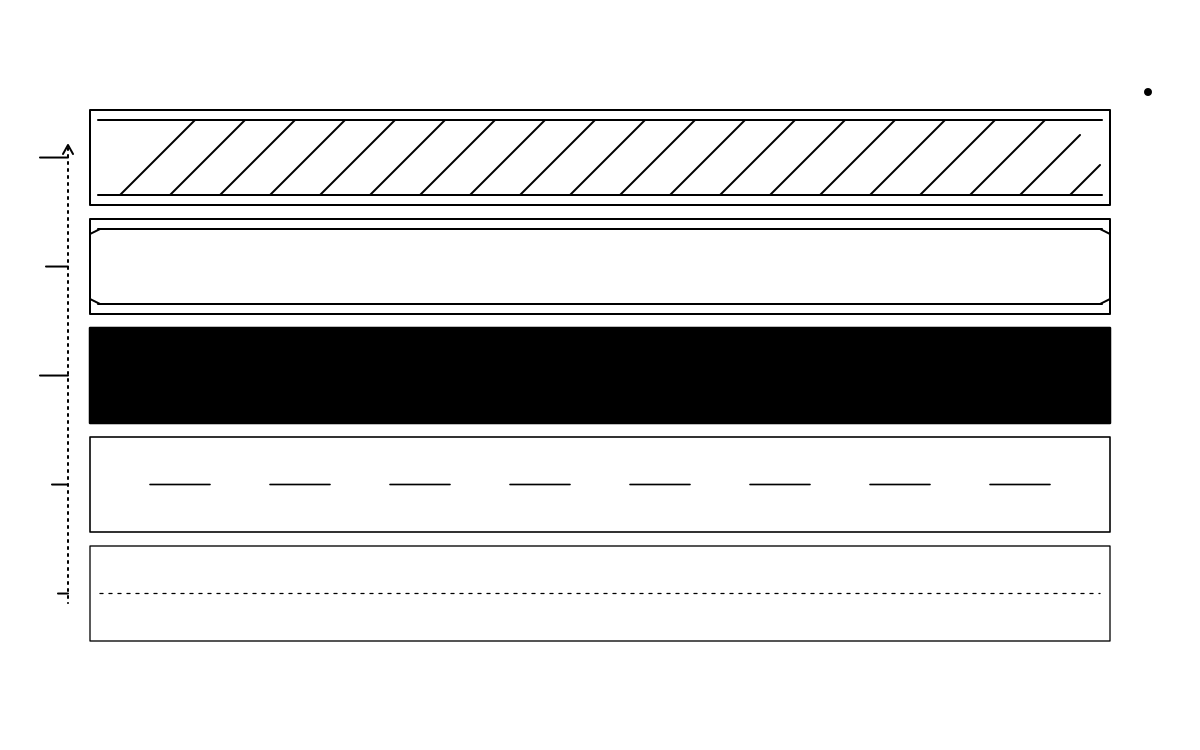
Plate materials, explained: what brass, FR4, POM, and aluminium actually change
The plate is the cheapest variable in the build and the one builders argue about hardest. Most of the heat is misdirected — but a usable fraction of it is real, and the difference is worth pinning down.
thock13 min read
Ideas
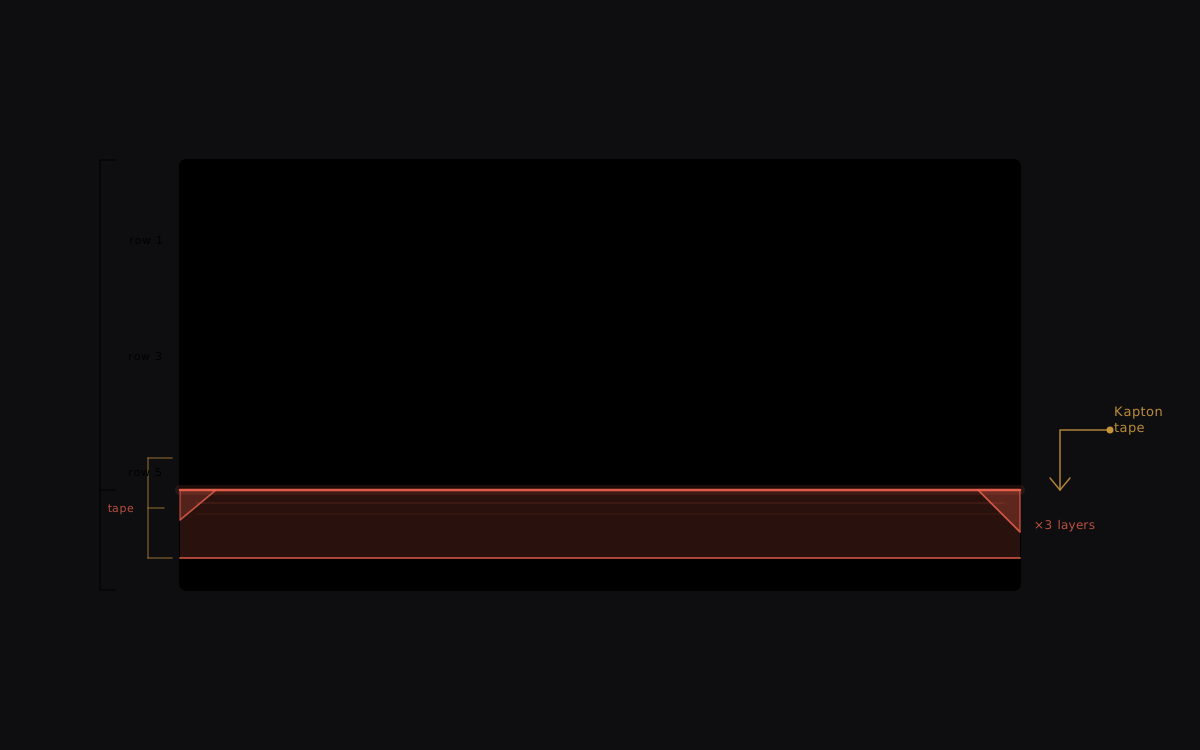
The tape mod: what one strip of Kapton actually does
Three to five strips of painter's tape on the back of your PCB — that's the whole mod. The acoustic effect is real. Its magnitude depends almost entirely on the board underneath it.
thock10 min read
Guides
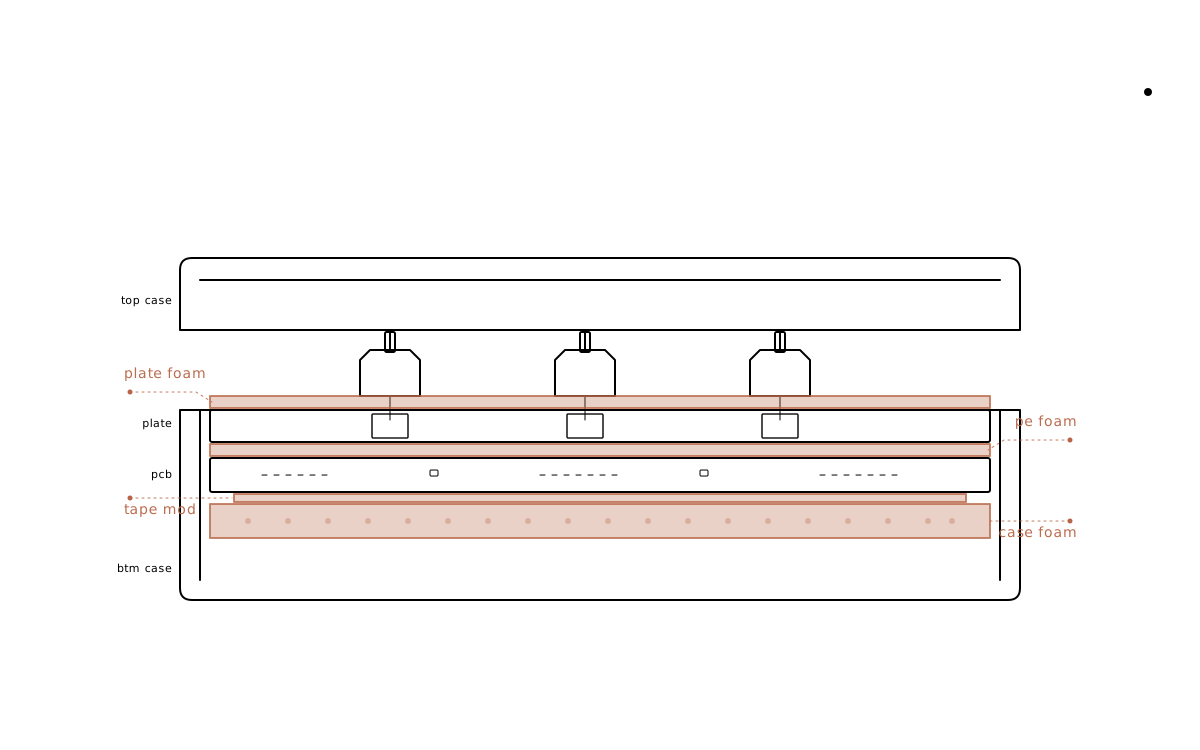
Sound dampening, compared: case foam, plate foam, PE foam, and the tape mod
Four layers, four very different jobs. Here is what each sound mod actually changes, where it sits in the build stack, and the order to stack them in if you only have time for one or two.
thock9 min read
Guides
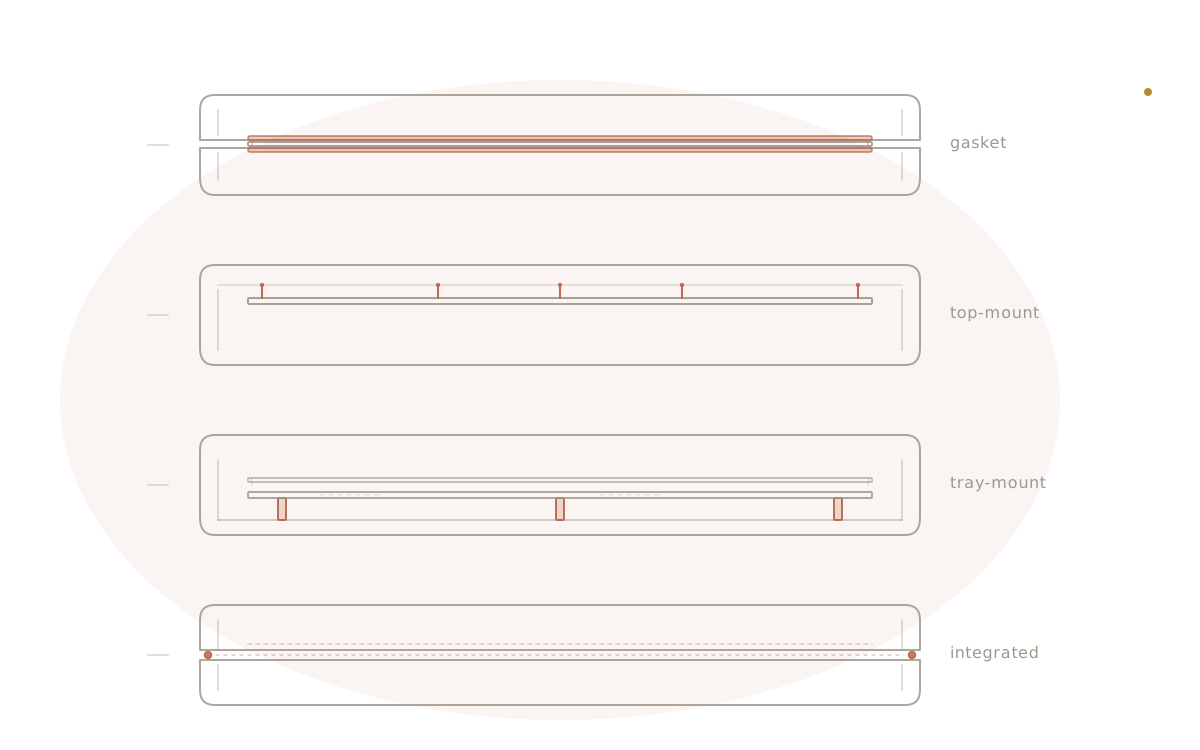
Mounting styles, compared: gasket, top-mount, tray, and integrated plate
A builder who has lubed switches and tuned stabilizers and chosen a keycap profile and still cannot place why their next board feels different from their last one is usually meeting the mount style. The plate's relationship to the case is the half of the typing feel that nobody discusses on a sound test.
thock13 min read
Ideas
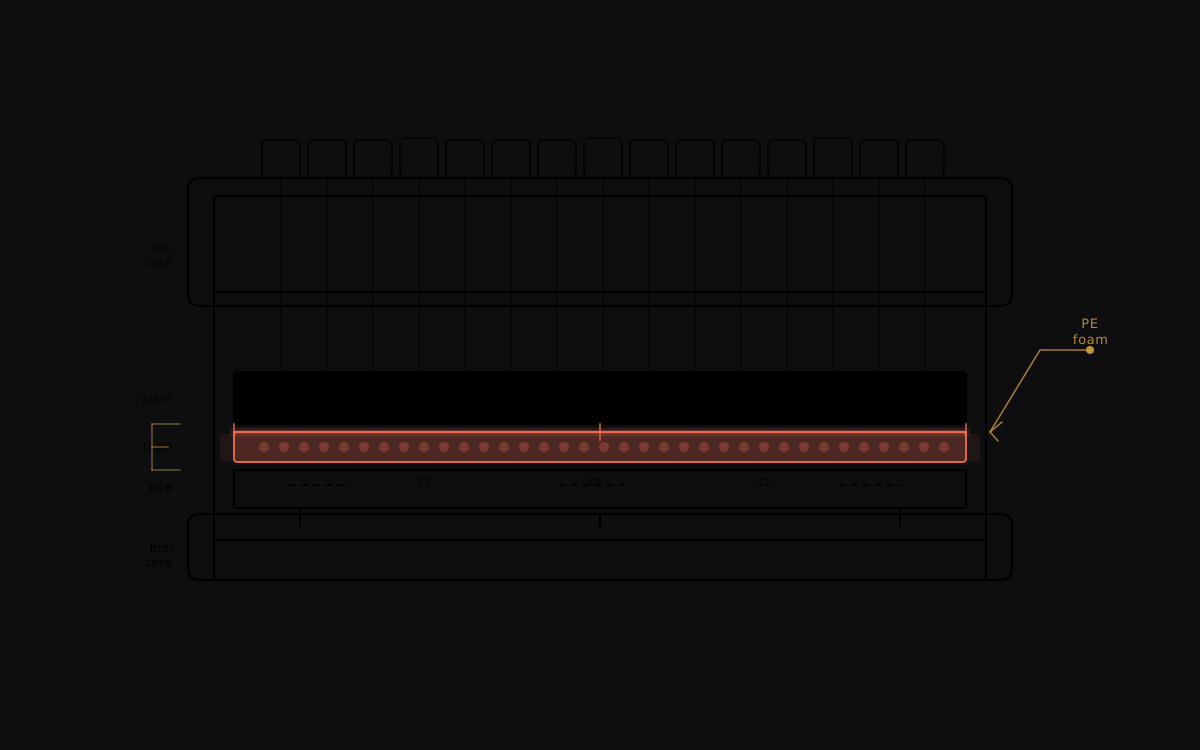
The PE foam mod: the two-dollar upgrade that actually works
PE foam is one of the most accessible mods in the hobby — a $2 sheet between your PCB and case can noticeably reduce hollow resonance. Here is what it actually does, when to use it, and when to skip it.
thock10 min read
Ideas
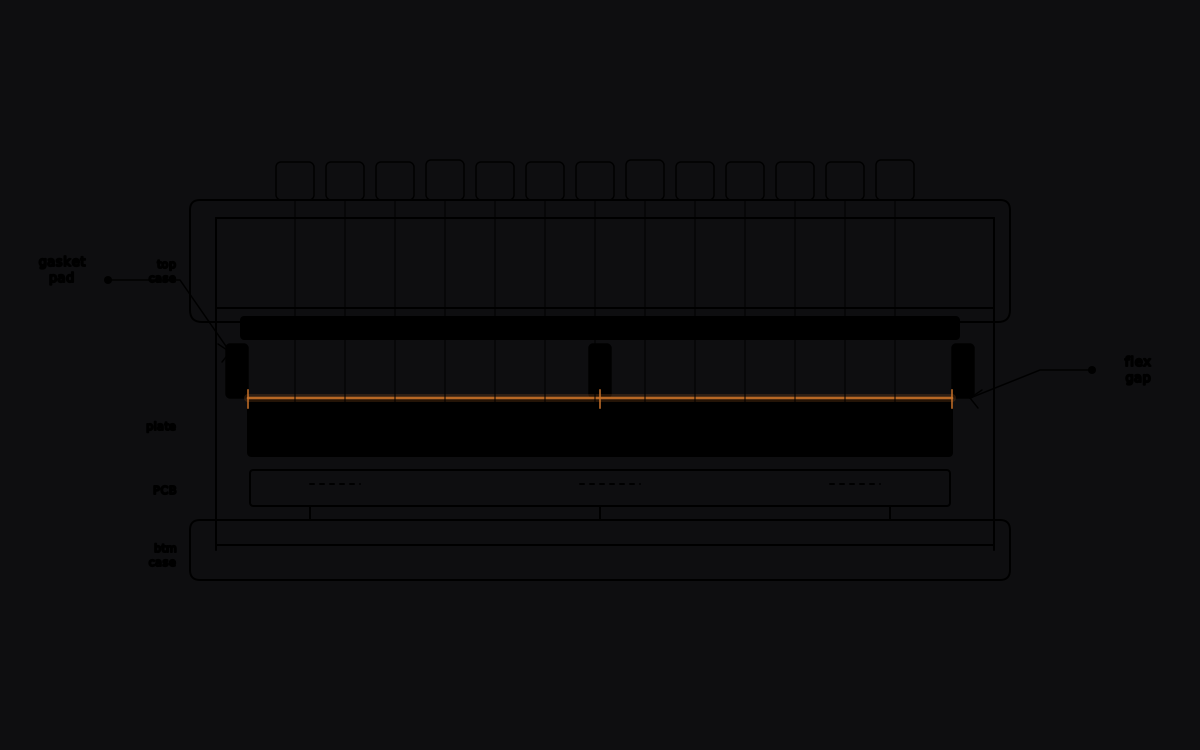
What gasket mount actually delivers (and what it doesn't)
The label appears on keyboards at every price point, from $90 prebuilts to $350 group-buy customs, but two boards with identical spec-sheet language can sound nothing alike. Here is what the term actually tells you, and what it doesn't.
thock9 min read