loading · part
Spec sheet
- Type
- Linear
- Top housing
- PC
- Bottom housing
- Nylon
- Stem
- POM
- Spring
- 55g actuation · 65g bottom-out
- Travel
- 4 mm
- Factory lubed
- yes
- Released
- Aug 1, 2022
Mid-weight linear with a heavily lubed POM stem in a polycarbonate over nylon housing. Voiced as deep and creamy out of the box; popular with builders looking for a low-effort thock without modding.
Mentioned in 28 articles

Ideas
Parts pairing for a split build: two independent halves, two independent decisions
A split board is two keyboards that happen to share a keymap. Most builders still buy parts for it like it's one — matching switches, ordering a single sculpted keycap set, and never touching the left half's tuning differently from the right's.
thock9 min read
Deep Dives
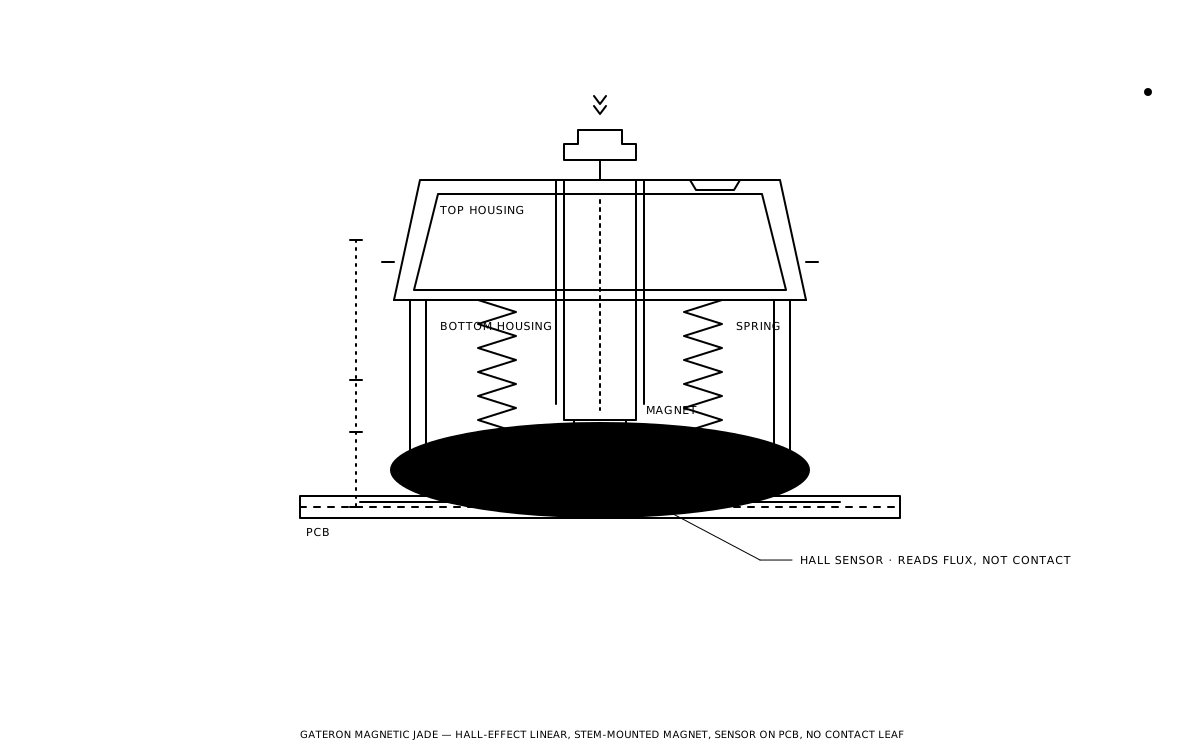
Gateron Magnetic Jade: the Hall-effect linear built to be argued about like a mechanical one
Pull a Magnetic Jade apart and the parts list reads like a mid-tier mechanical linear: polycarbonate top, nylon bottom, POM stem, factory lube. Where the leaf would be, there is a magnet. That one substitution explains the feel, the sound, and why it will not fit half the Hall-effect boards on the market.
thock11 min read
Deep Dives
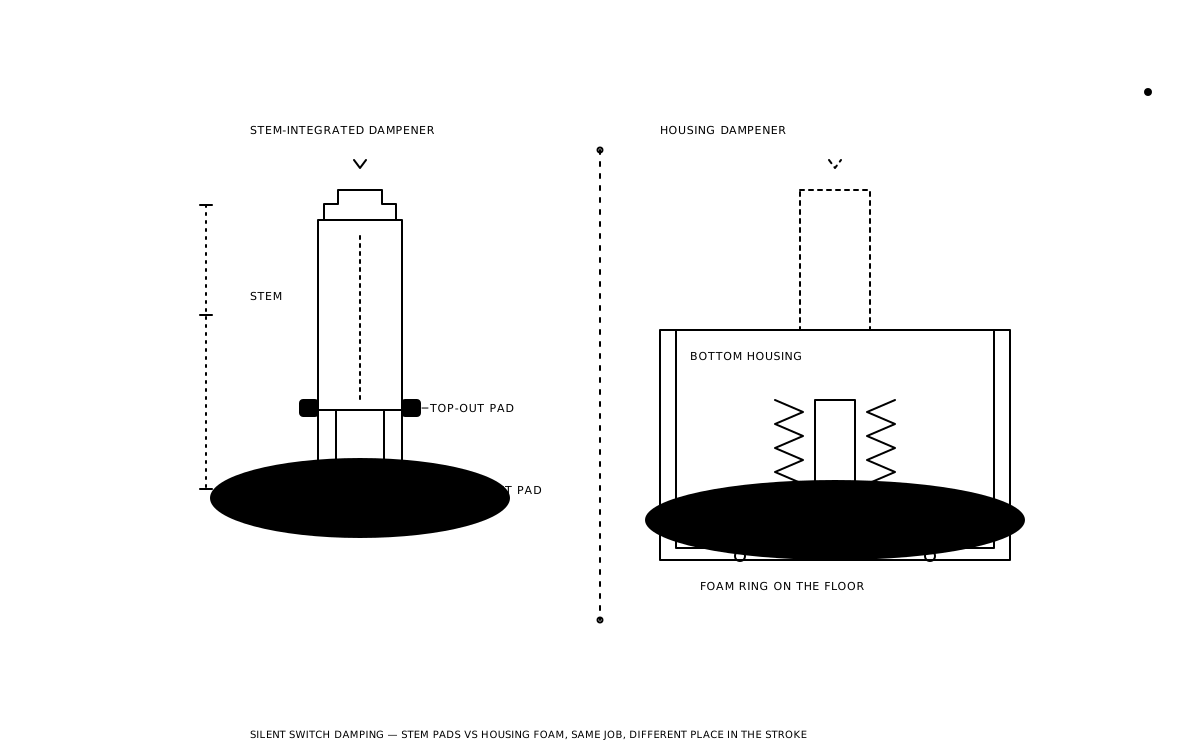
What a silent switch actually silences — and what it can't
Every keystroke lands twice — once on the floor, once on the ceiling. Cherry molds an elastomer pad onto the stem to catch both; Gazzew fits a silicone one. The undamped Boba U4T shows what either approach is buying — about 14 dB on one tester's meter — and what it costs in travel, rebound, and a bump with nowhere left to go.
thock10 min read
Deep Dives
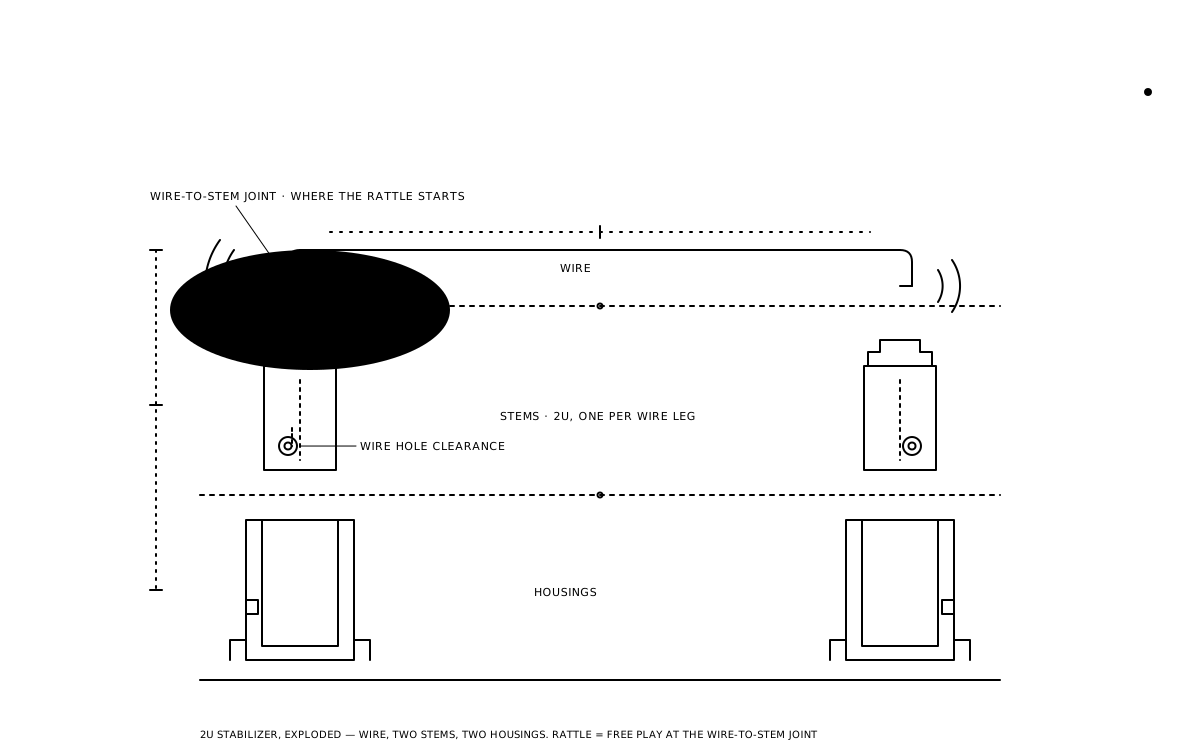
Why stabilizers rattle: the engineering behind a smooth stab
A stabilizer has to be loose enough to slide and tight enough to stay quiet, and those two requirements contradict each other at three separate interfaces. Every rattle, tick, and clunk on a spacebar is one of those interfaces losing the argument.
thock10 min read
Trends
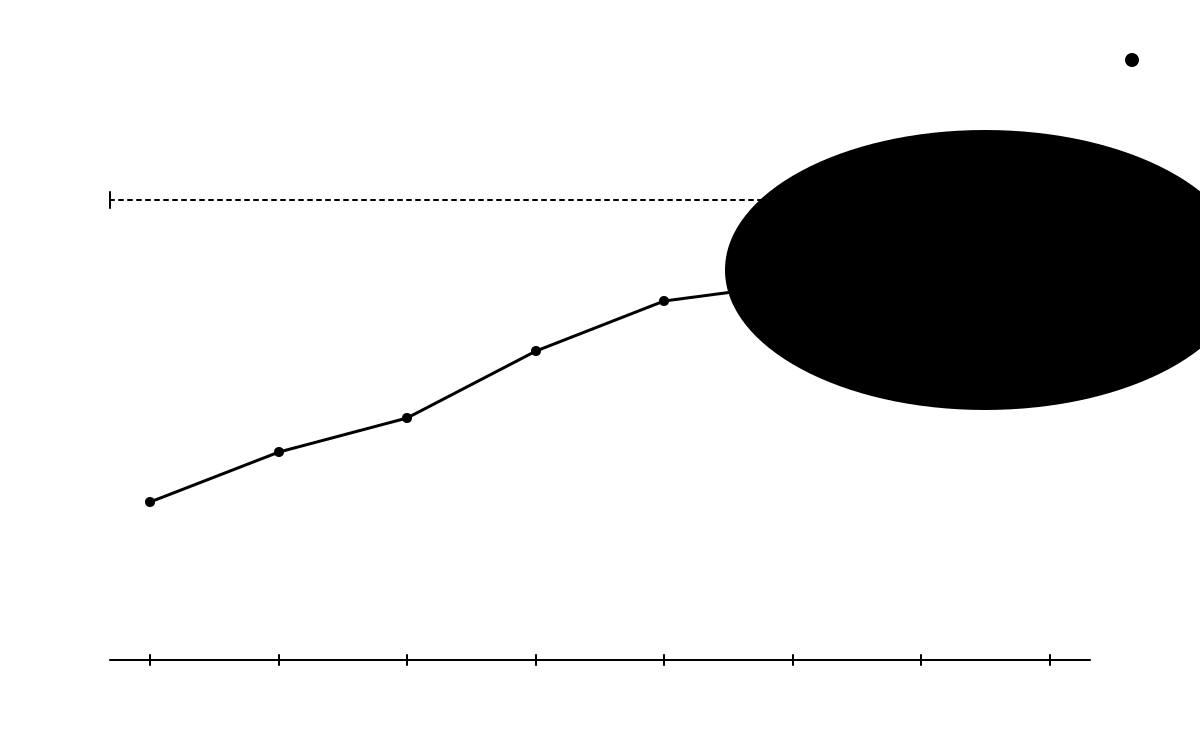
Hall-effect stopped climbing. That's not the same as cooling off.
The Hall Effect/Rapid Trigger category has held flat at 97 on thock's trends tracker for two straight weeks, after climbing from 82 in late June. A flat line at the top of the chart looks like fading interest if you're reading it as a stock ticker. Read as a market snapshot, it says something closer to the opposite.
thock6 min read
Ideas
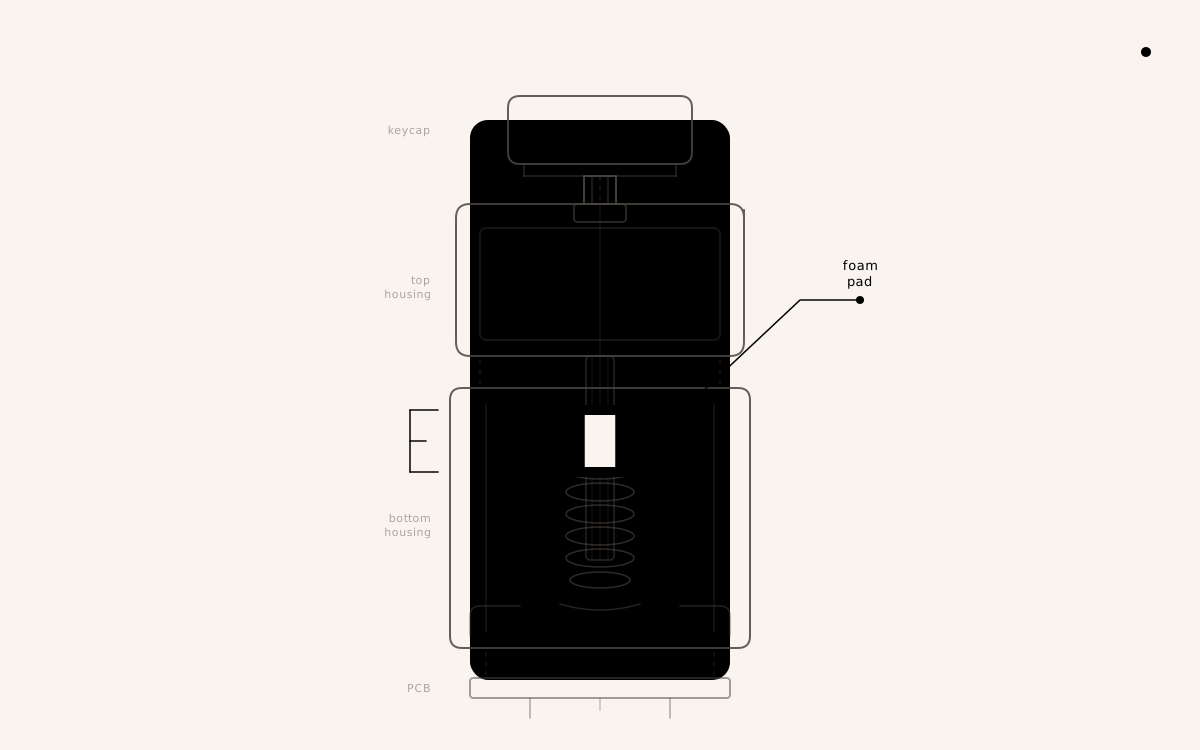
The Holee mod: what foam inside the switch actually buys you
Small pads of polyurethane foam cut and wedged inside the switch housing itself — not under the PCB, not behind it, not under the keycap. The Holee mod works at a smaller scale than every other foam mod in the hobby, and it costs proportionally more time.
thock8 min read
Deep Dives
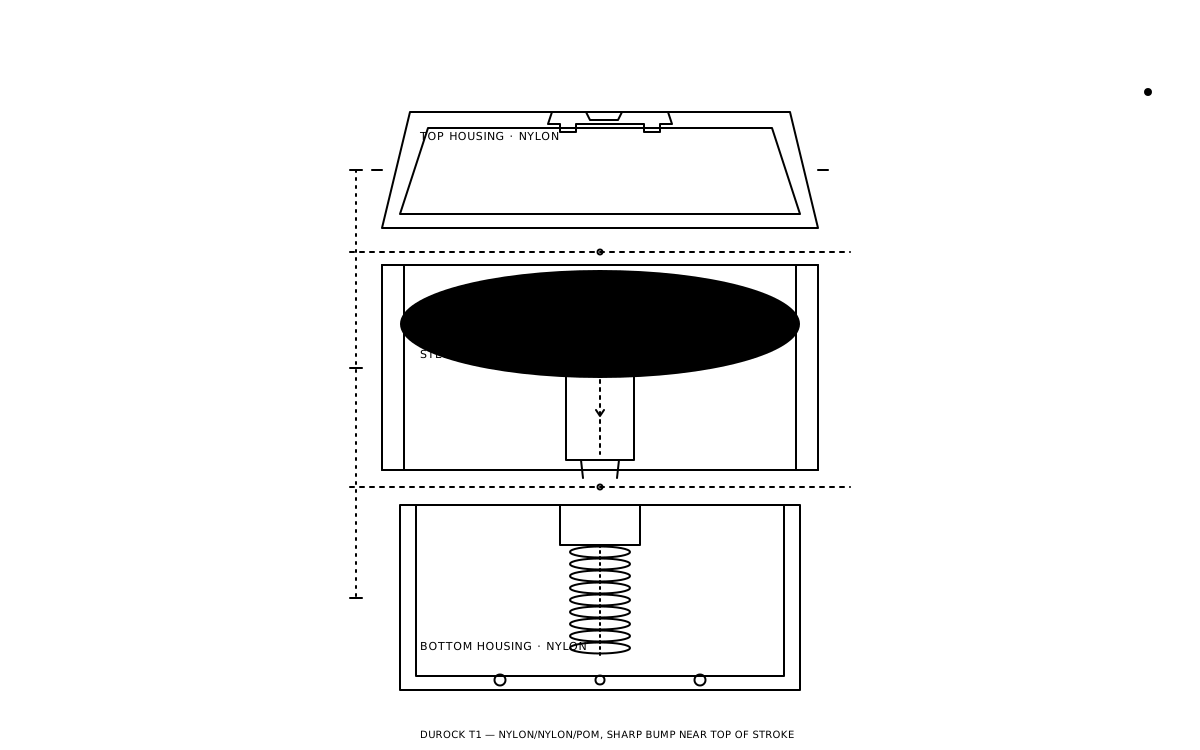
Why the Durock T1's Bump Feels the Way It Does
The Durock T1 keeps turning up as the comparison point in other switches' deep-dives — the reference a reviewer reaches for when a bump needs to read as heavy and serious. It has never had its own.
thock10 min read
Deep Dives
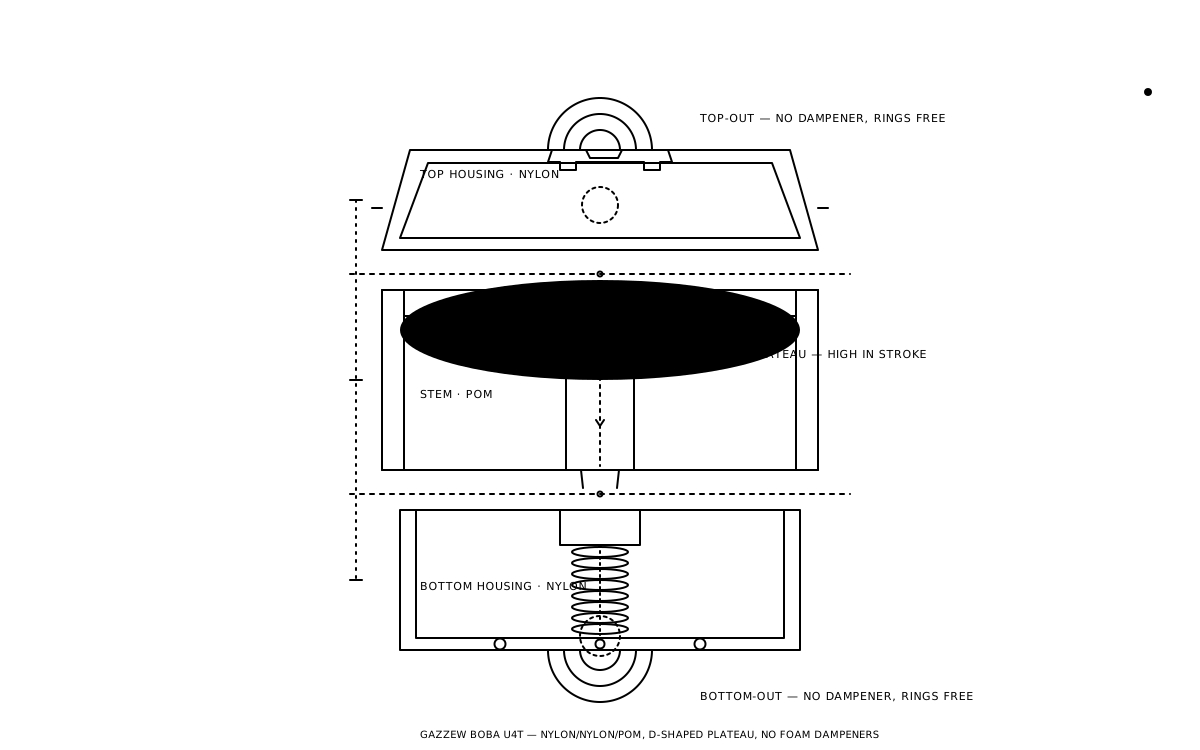
Why the Gazzew Boba U4T Rings Where the Boba U4 Stays Quiet
Same housing, same bump position — the U4T's whole personality comes down to what Gazzew left out. Pull the dampening pads from a Boba U4 and the bottom-out stops being polite.
thock11 min read
Deep Dives
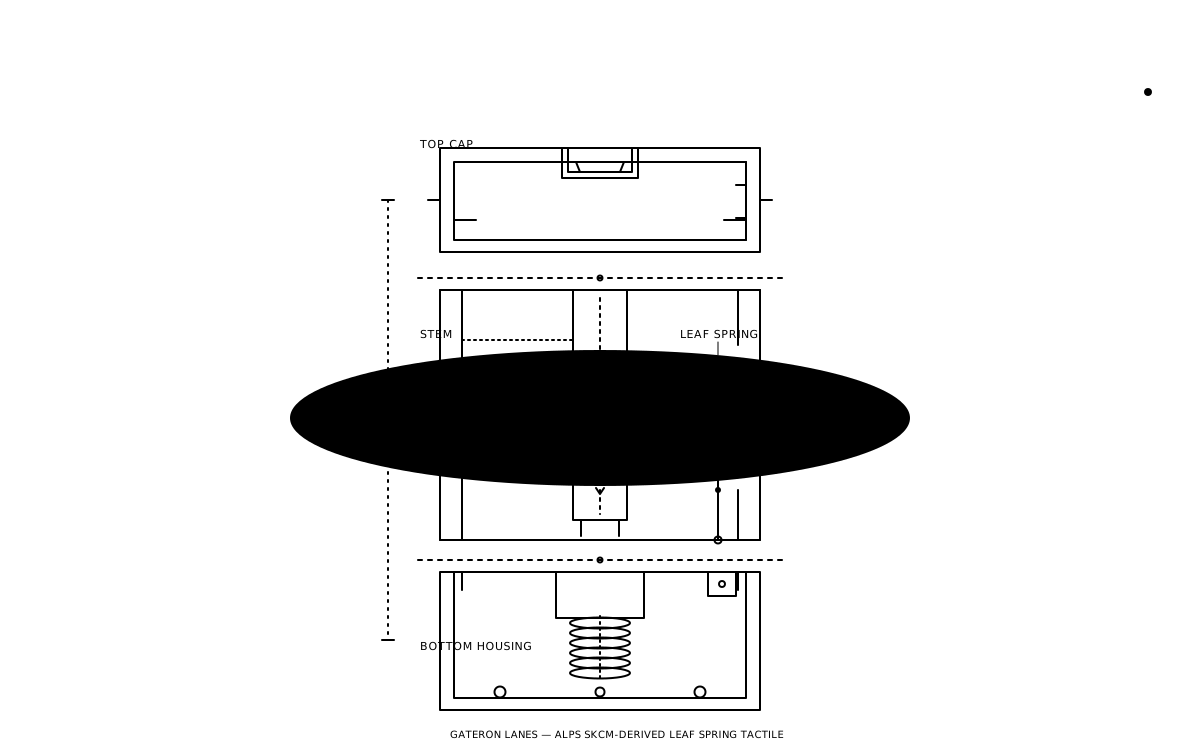
Gateron Lanes: The Alps-Inspired Tactile Taking Over the Mid-Range
Gateron's Lanes draws its DNA from the Alps SKCM Orange — one of the most loved tactile mechanisms of the 1980s — and arrived in June 2026 with enough community conviction to sell out on first drop.
thock12 min read
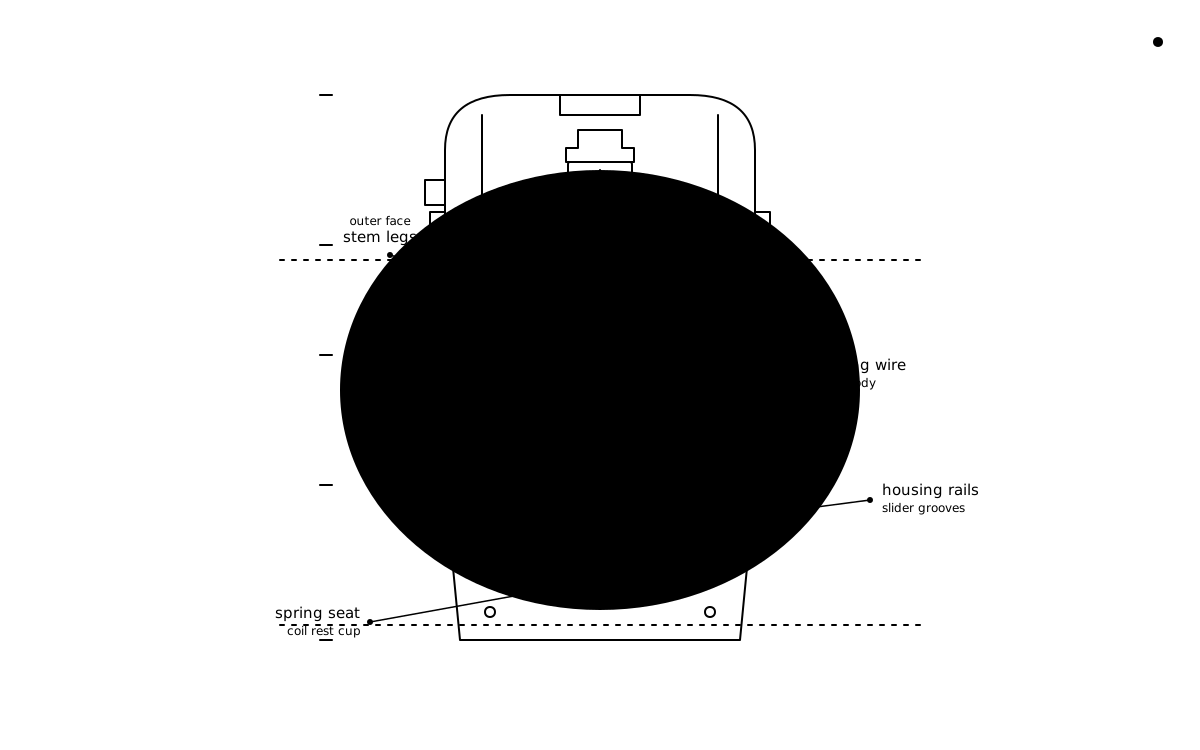
Ideas
Lubing switches: what to use, how much, and what to skip
Four lubes, four application points, and one rule that prevents most mistakes: over-lubing is irreversible, under-lubing is not. Here is the practical reference.
thock10 min read
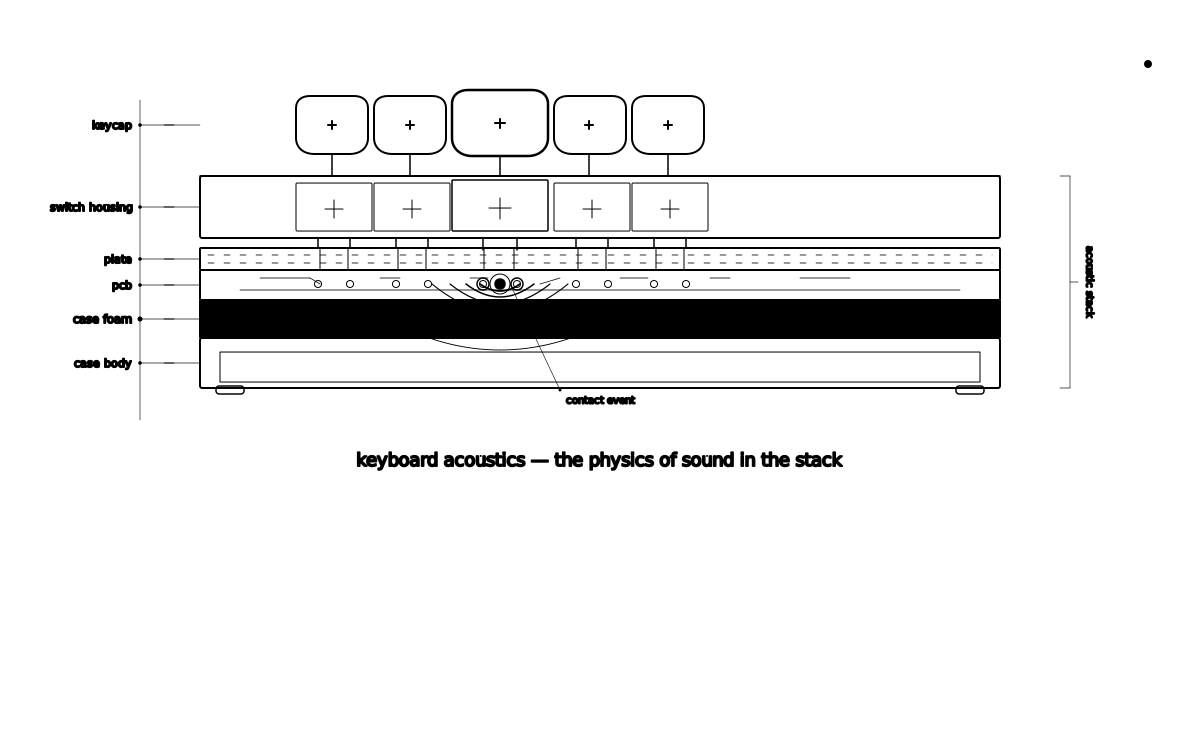
Deep Dives
The physics of thock: how every layer shapes your keyboard's sound
Every component between your fingertip and the desk makes a decision about your keyboard's sound — the switch, the plate, the case, the surface it sits on. Understanding what each layer adds or subtracts is the difference between chasing a sound blindly and engineering it deliberately.
thock16 min read
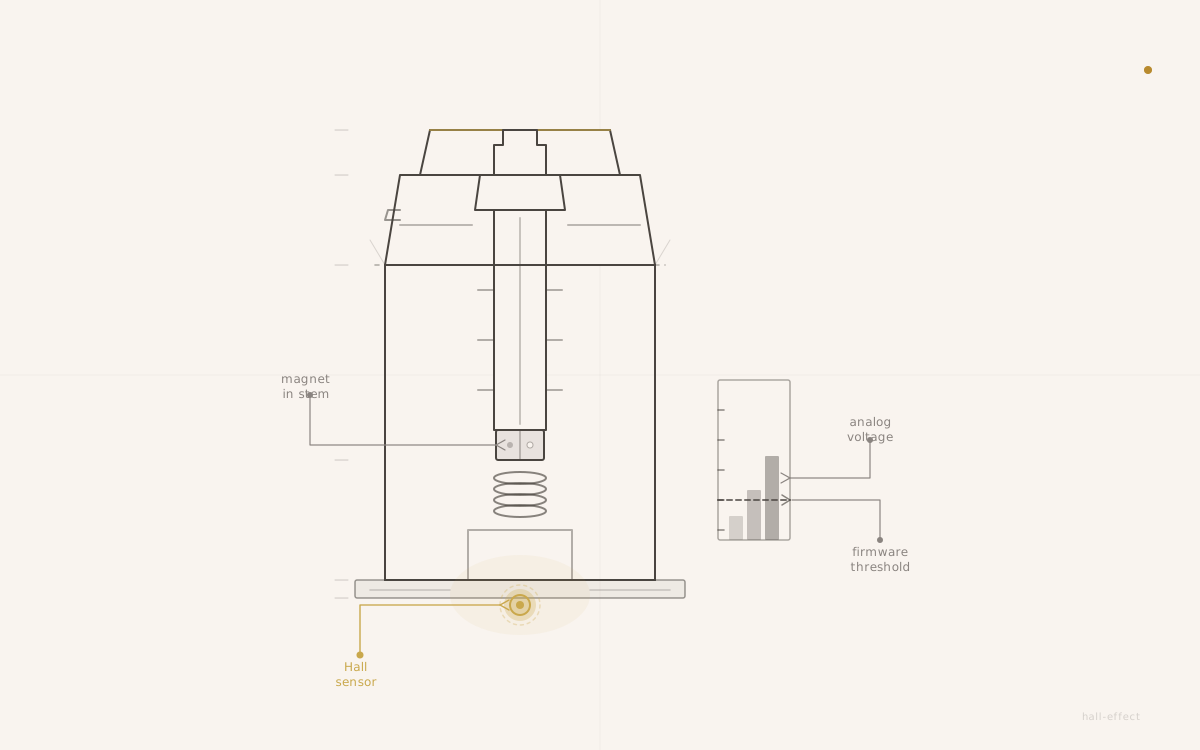
Guides
Hall-effect keyboards: a practical buyer's guide
Rapid trigger, per-key actuation depth, analog axis output — Hall-effect keyboards deliver all three, but only if the firmware matches the hardware. Here is what to look for, what to pay, and who should skip the category entirely.
thock10 min read
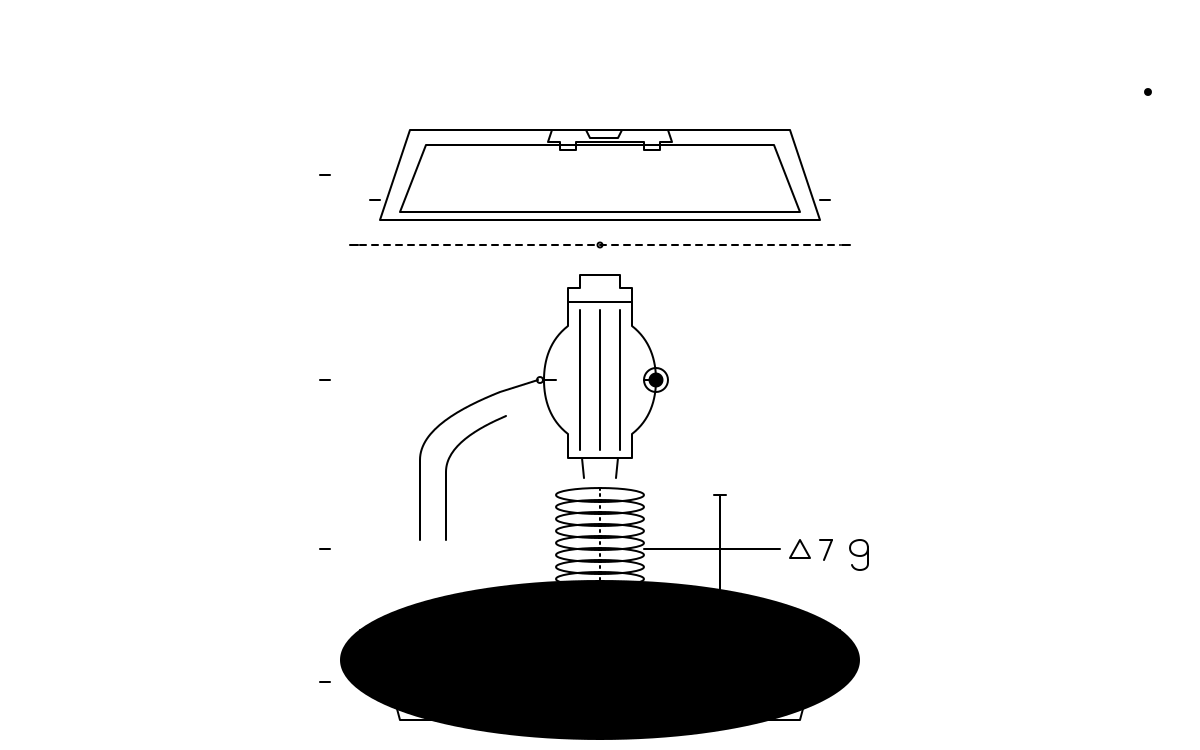
Deep Dives
Why the Drop Holy Panda X feels the way it does
The Holy Panda was a six-month frankenswitch project for most of its life. The Drop Holy Panda X is the first version where the geometry, the spring tune, the housing pairing, and the factory lube were the spec — not the mod.
thock13 min read
Deep Dives
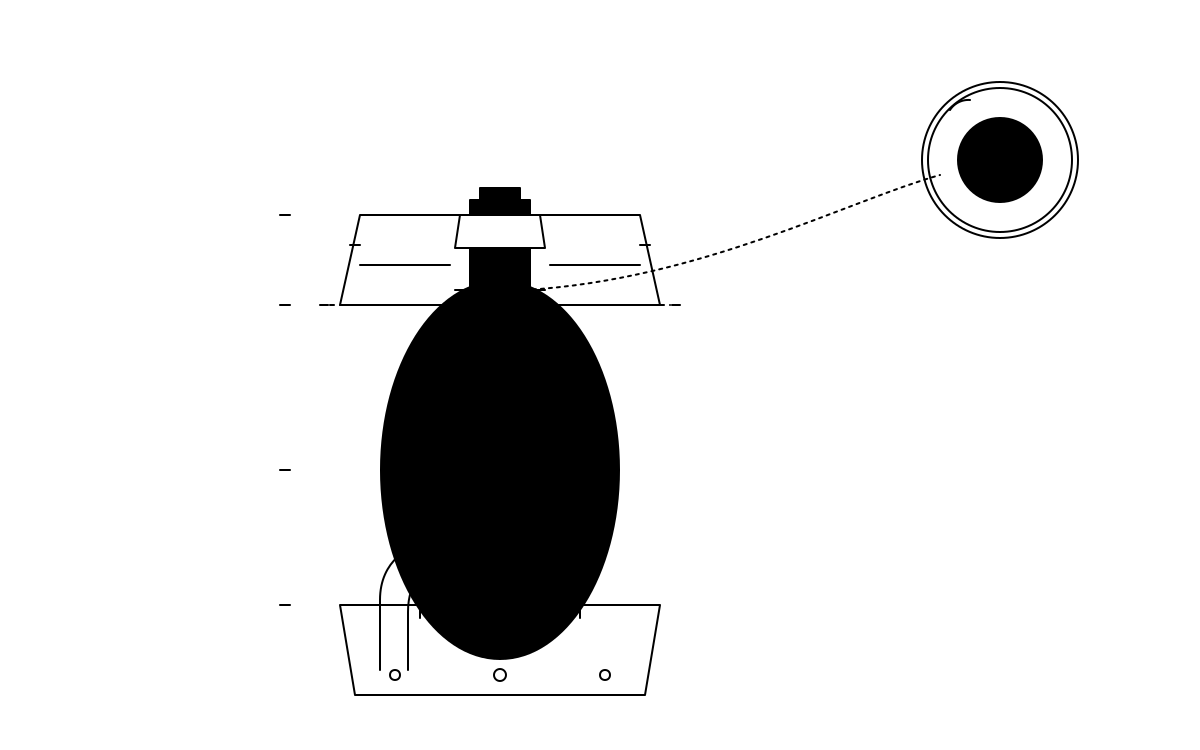
What Cherry's MX2A revision actually changed
Cherry's MX2A landed in 2023 with a real engineering update — factory lube, tighter tolerances, the same 100M-press lifespan. The reason the discourse cooled isn't that the switch failed; it's that the enthusiast slot it aimed at was already claimed by the time it arrived.
thock8 min read
Deep Dives
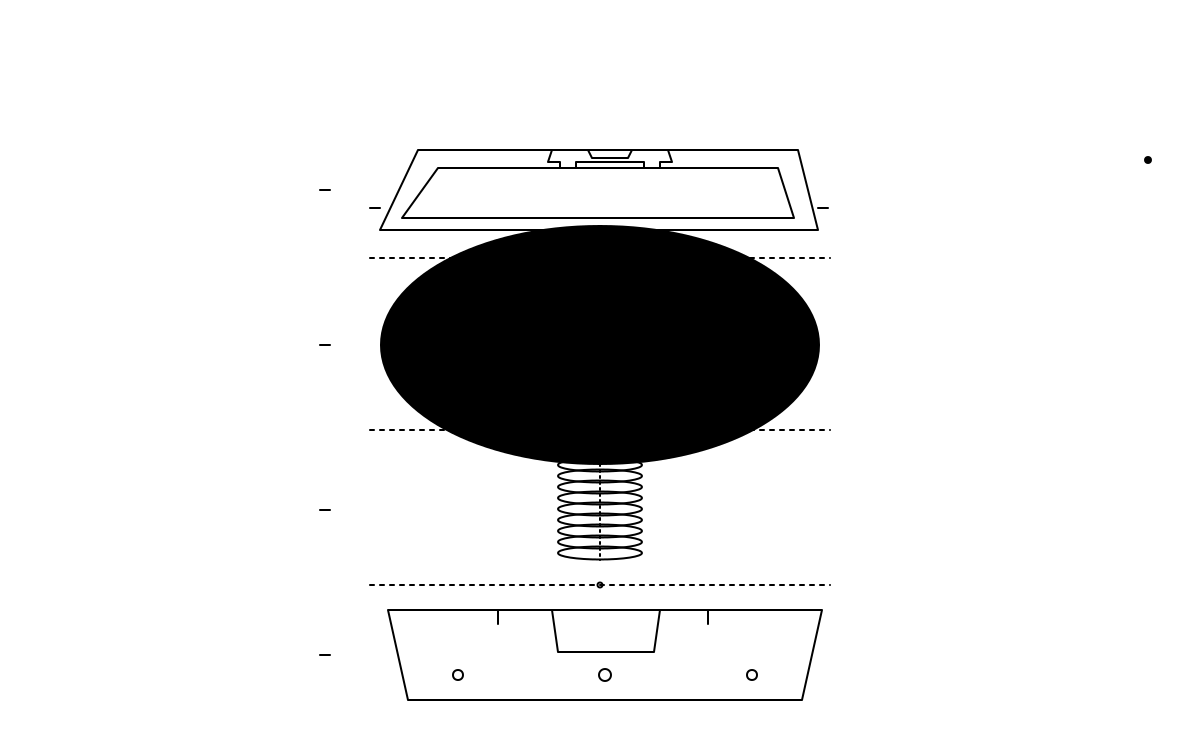
How HMX took over the mid-tier linear slot
Two years ago HMX was a name on a vendor page nobody pronounced confidently. In W19, the Cloud sat second among switches on our tracker and landed in half the $120 prebuilts the scene argues about. The rise wasn't an accident.
thock13 min read
Deep Dives
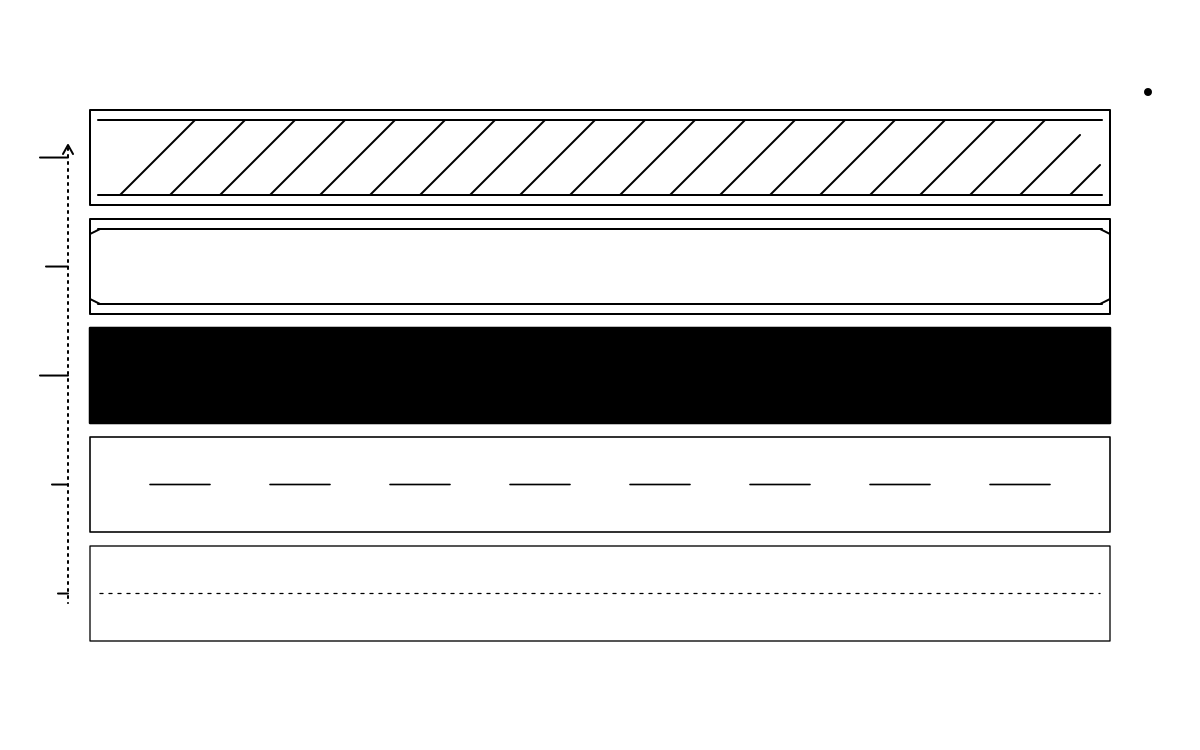
Plate materials, explained: what brass, FR4, POM, and aluminium actually change
The plate is the cheapest variable in the build and the one builders argue about hardest. Most of the heat is misdirected — but a usable fraction of it is real, and the difference is worth pinning down.
thock13 min read

Trends
Reading the Trends Tracker
thock's Trends Tracker is a weekly snapshot of what is rising, falling, or holding flat across the hobby — switches, keycaps, layouts, vendors, and brands, scored on a single -100 to 100 scale and updated each Monday. This is what the columns mean and what they do not.
thock5 min read
Ideas
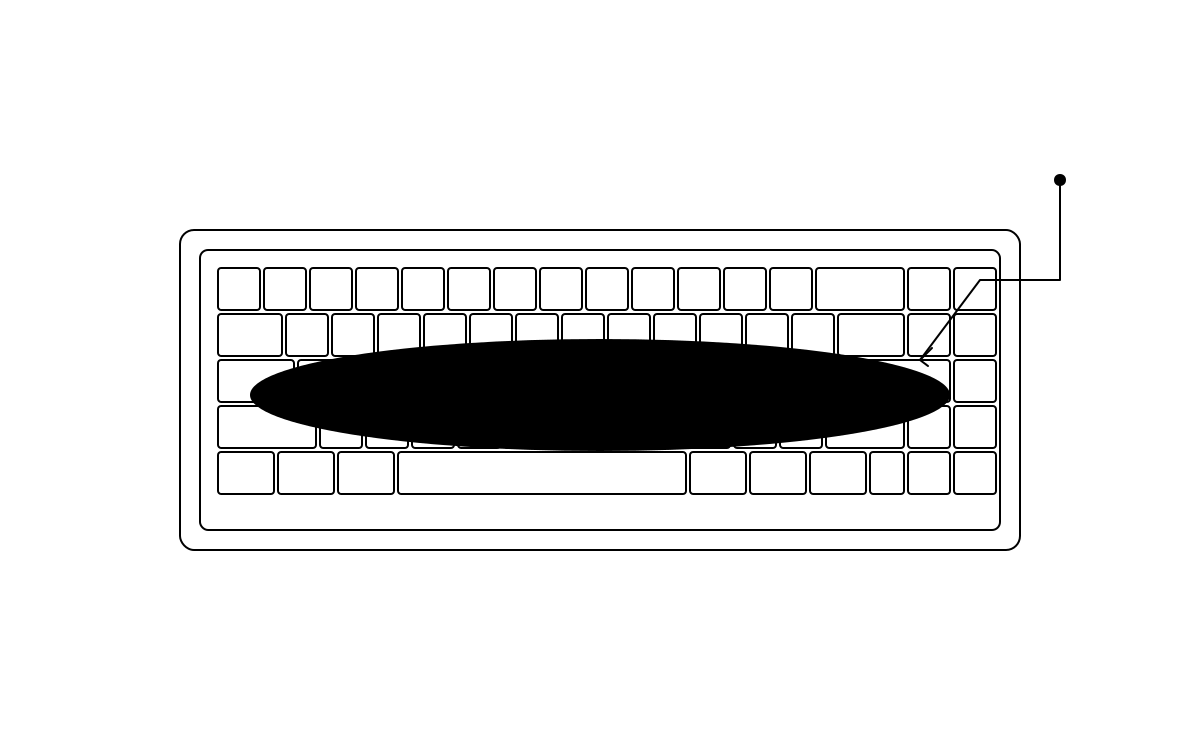
Pairing Oil Kings with the Mode Sonnet
This pairing has been on the bench for months, and a free Sunday finally made it happen. The Sonnet is a soft 75 with a block mount, and Oil Kings are a heavy factory-lubed linear — together they hit a register worth coming back to.
thock5 min read
News
Mode Sonnet R2 opened at CannonKeys
Mode's second round of its 75% Sonnet board ran at CannonKeys from 2026-06-01 through 2026-07-15 after a vendor-side timeline shift. See the in-article update for the dates and accent-weight color options; the closed entry is archived at /group-buys/past.
thock5 min read
Trends
The slow fade of Alice layouts
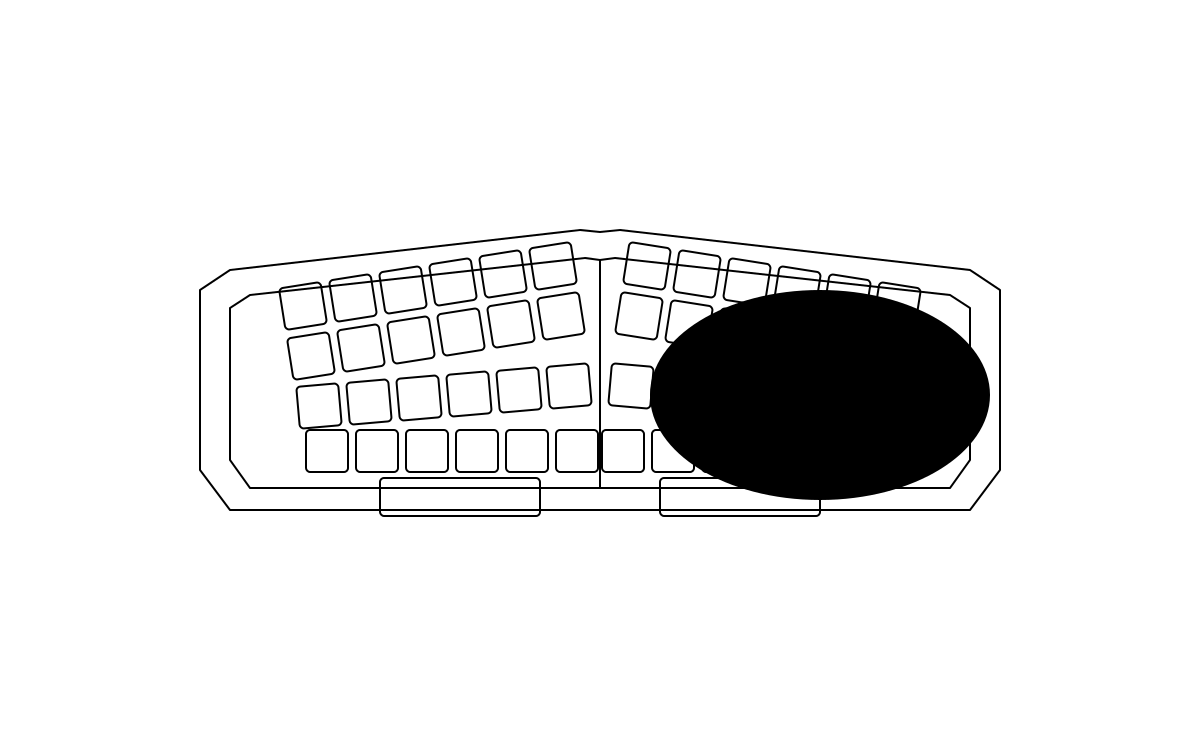
Alice mounts had a clear moment between 2021 and 2023 — the splayed alphas, the angled bar, the promise of a typing posture that didn't twist your wrists. The thock trends snapshot for 2026-W19 pegs Alice movement at -18 and trending down. The layout still has loyal users, but the curve has bent.
thock5 min read
Deep Dives
Why the Gateron Oil King sounds the way it does
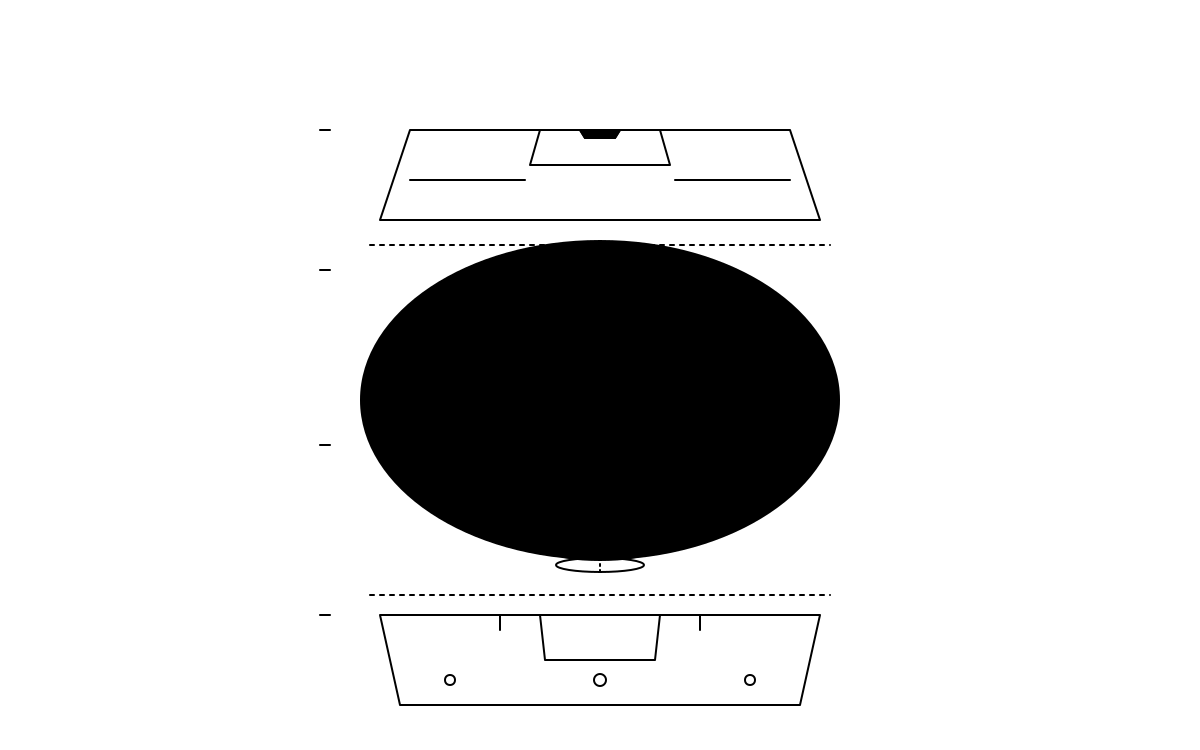
Few stock linears earn the word 'creamy' on first press. The Oil King does, and the reason is not a secret stem material or a proprietary lube — it is a careful pairing of housing resins and a factory tune that other linears under thirty cents tend to skip.
thock6 min read
Guides
Lubing 101: what matters, what doesn't, and where to stop
Lube moves the sound and feel of a switch in ways nothing else in the build can. It also chews up a Saturday and ruins switches when applied with the enthusiasm the rabbit-hole crowd recommends. Here is the version that earns its keep.
thock9 min read
Guides
A beginner's guide to picking your first switch
Switches are the single biggest factor in how a keyboard feels and sounds, and the catalog has grown overwhelming. This guide narrows the entire market into three families, explains who each one is for, and gives a three-step path from curiosity to a confident first purchase. By the end, the reader can pick a category without second-guessing.
thock8 min read
Trends
How 'thock' became an acoustic spec, not an accident
A decade ago a thocky board was the win condition of a $300 custom — the payoff for the right switches, the right lube job, the right patience. In 2026 the same sound is table-stakes for a $150 prebuilt: factory-lubed switches, silicone dampening, gasket-mounted plates, PBT doubleshot. The stack that used to be enthusiast-only is now what mid-tier vendors design toward from day one.
thock8 min read
Trends
How Hall-effect quietly became the new mid-premium default
The polling-rate hype is loud and easy to wave off — 8K, 32K, numbers chasing each other up the spec sheet. The quieter story is that the magnetic-switch tier has stopped being a Wooting-shaped niche and has settled into the $100–$230 prebuilt slot the scene actually buys from. The volume has moved, not just the marketing.
thock7 min read
Guides
Switch housings, compared: nylon, polycarbonate, POM, and the rest
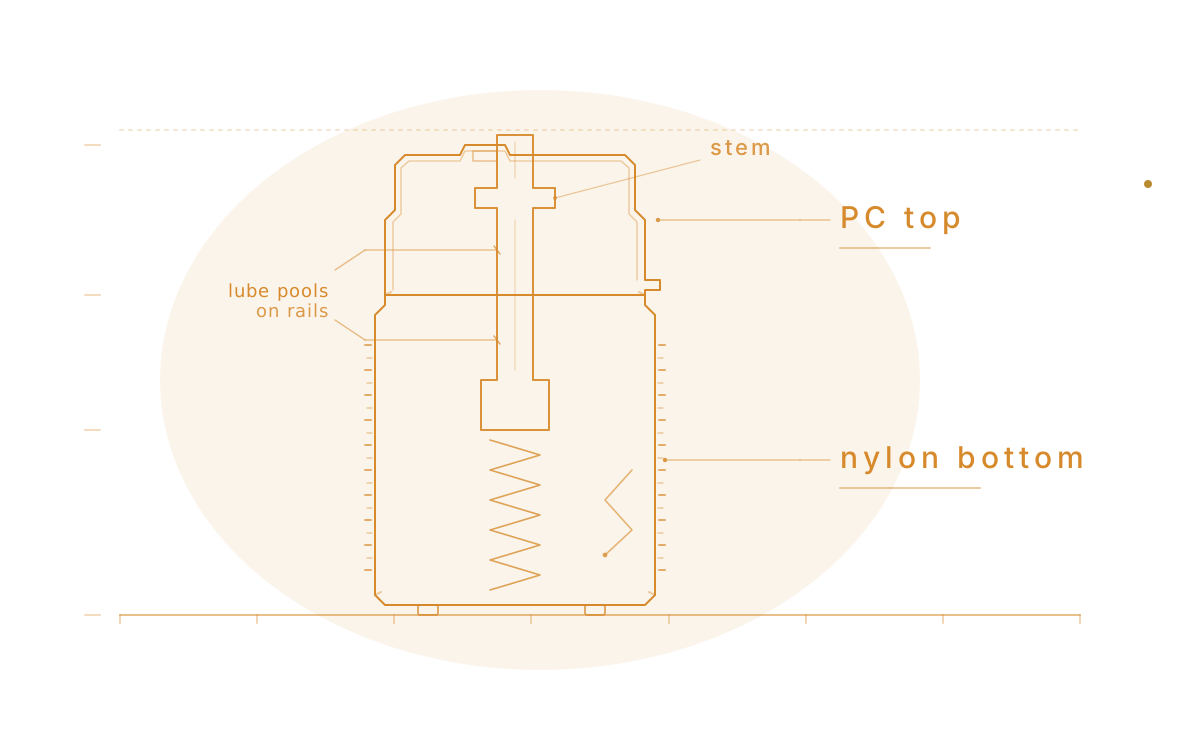
The housing line on a switch spec sheet is the second-most-important thing about a switch, after the type, and most buyers skim past it. Material decides how the switch rings, how the stem rails feel under a finger, and how much grace it gives a bad lube job. A 'PC top, nylon bottom' tag is doing more work than its three words suggest.
thock10 min read
Ideas
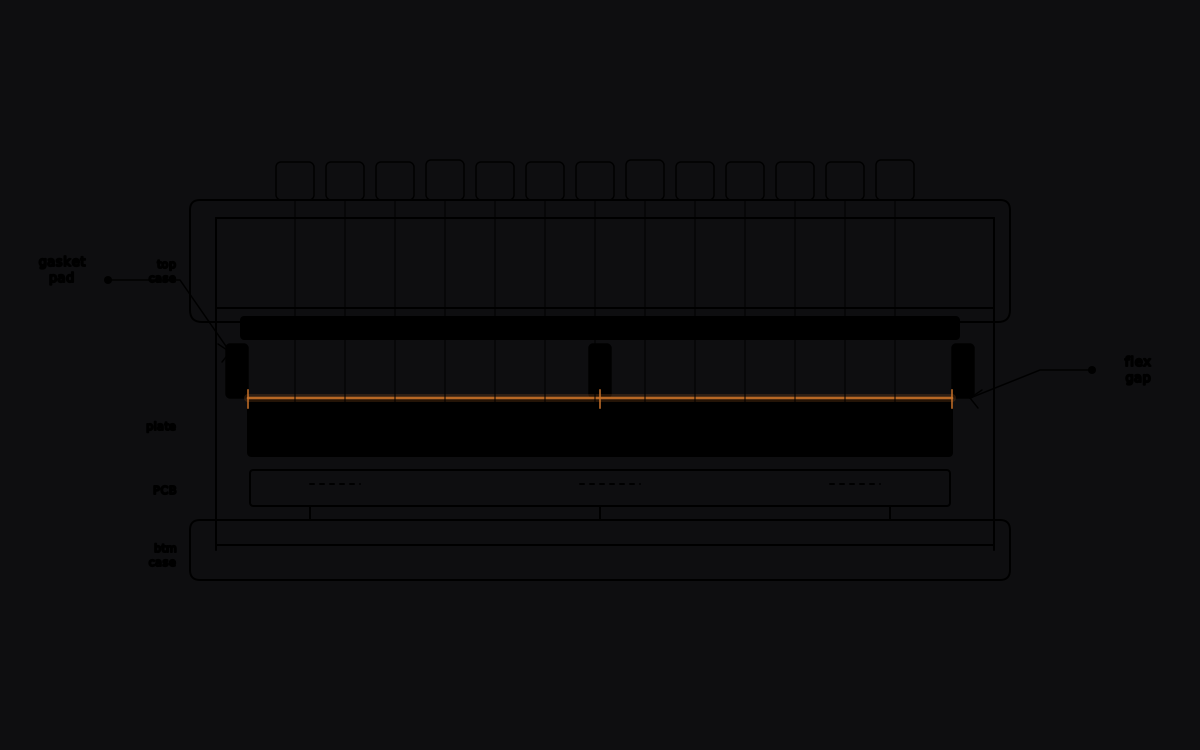
What gasket mount actually delivers (and what it doesn't)
The label appears on keyboards at every price point, from $90 prebuilts to $350 group-buy customs, but two boards with identical spec-sheet language can sound nothing alike. Here is what the term actually tells you, and what it doesn't.
thock9 min read
Ideas
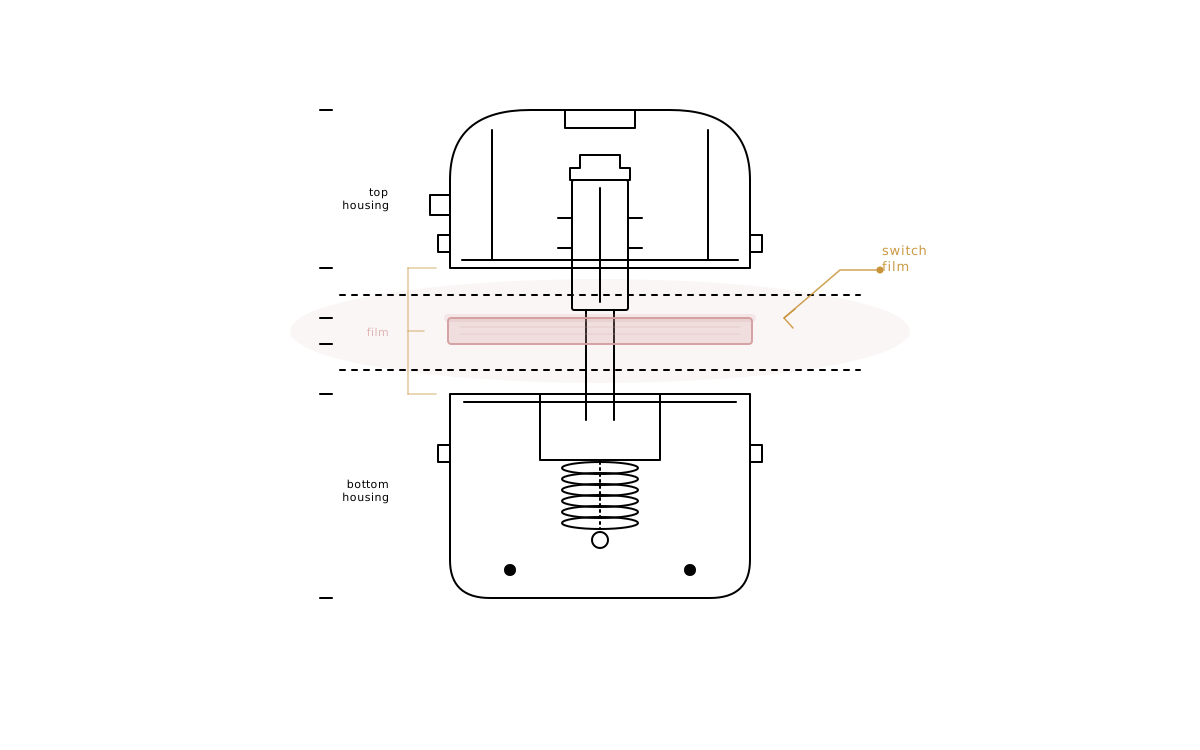
Switch films: do they actually do anything?
Thin POM shims between your switch housings cost five dollars and promise a tighter, better-sounding switch. The mechanism is real. Whether it matters on your specific switches is a separate question.
thock8 min read
Gateron Oil King appears in editor-curated build sheets.