loading · part
Spec sheet
- Layout
- 75%
- Case material
- Aluminum
- Mount style
- Gasket
- Hotswap
- yes
- Wireless
- no
- Released
- Sep 1, 2024
75 percent aluminum board from Mode Designs with hotswap PCBs and a 5.5-degree typing angle. Mode's Mounting Block System captures plate tabs in EPU41 polymer blocks rather than a silicone gasket strip, though the hobby (and this catalog) files it under gasket-mount for the soft, balanced feel it produces. Plate options run POM (stock), aluminum, carbon fiber, and copper. Mid-priced for the segment; ships with a brass weight option.
Mentioned in 19 articles
Deep Dives
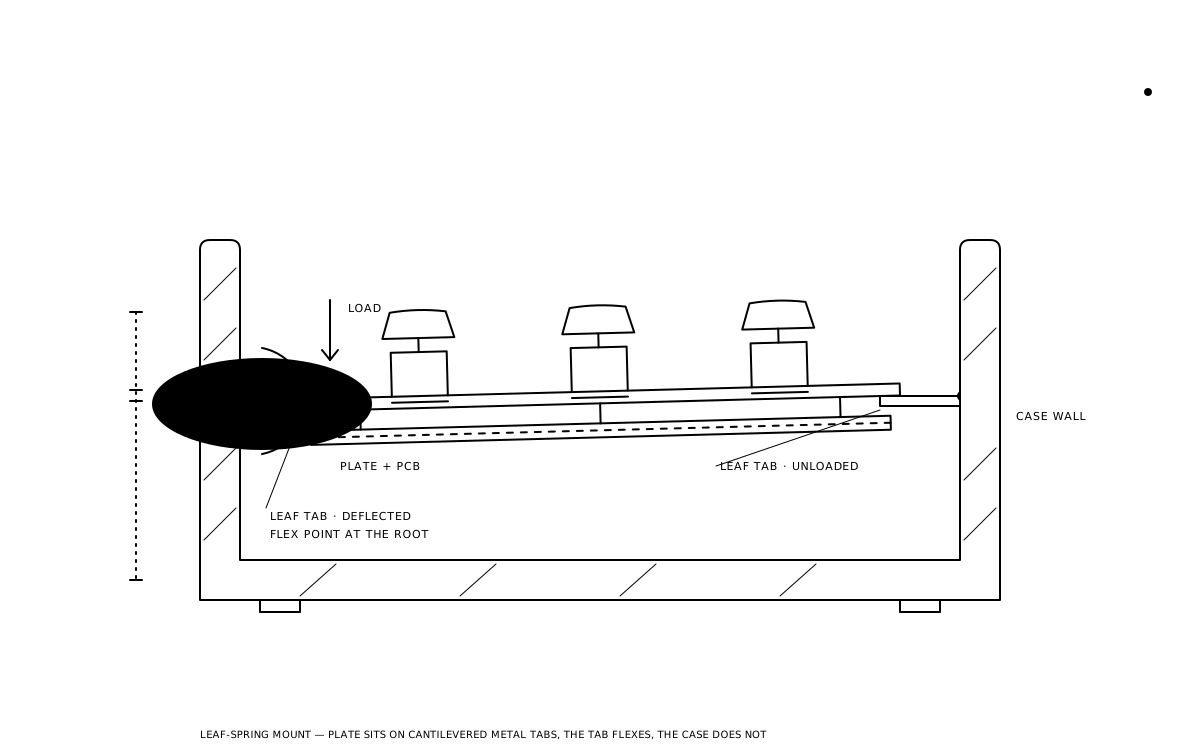
Leaf-spring mounts, explained: what a bending metal tab does that a foam strip cannot
The Nyawice's spec line and Mode's plate-tab mounting blocks both lean on one old idea — let a thin tab bend instead of a foam strip squash. The physics is textbook; the keyboard implementations are not, and the name covers more than one mechanism.
thock10 min read

Deep Dives
How the 60% became the default custom-keyboard layout
Every custom-keyboard buyer's guide since the mid-2010s opens with the same four-term vocabulary — 60%, 65%, 75%, TKL — as though it always existed. It didn't. One open-source PCB out of a geekhack thread is most of the reason that taxonomy exists at all.
thock11 min read

News
The Blaine V2: SE puts three mount systems in one kit and asks the buyer to pick
CannonKeys's F12 TKL follow-up ships with top mount, single-sided gasket, and o-ring hardware in the same box, plus a carbon-fiber bottom plate and a POM underside element it calls Volcano. The mount menu is the story.
thock7 min read
Ideas
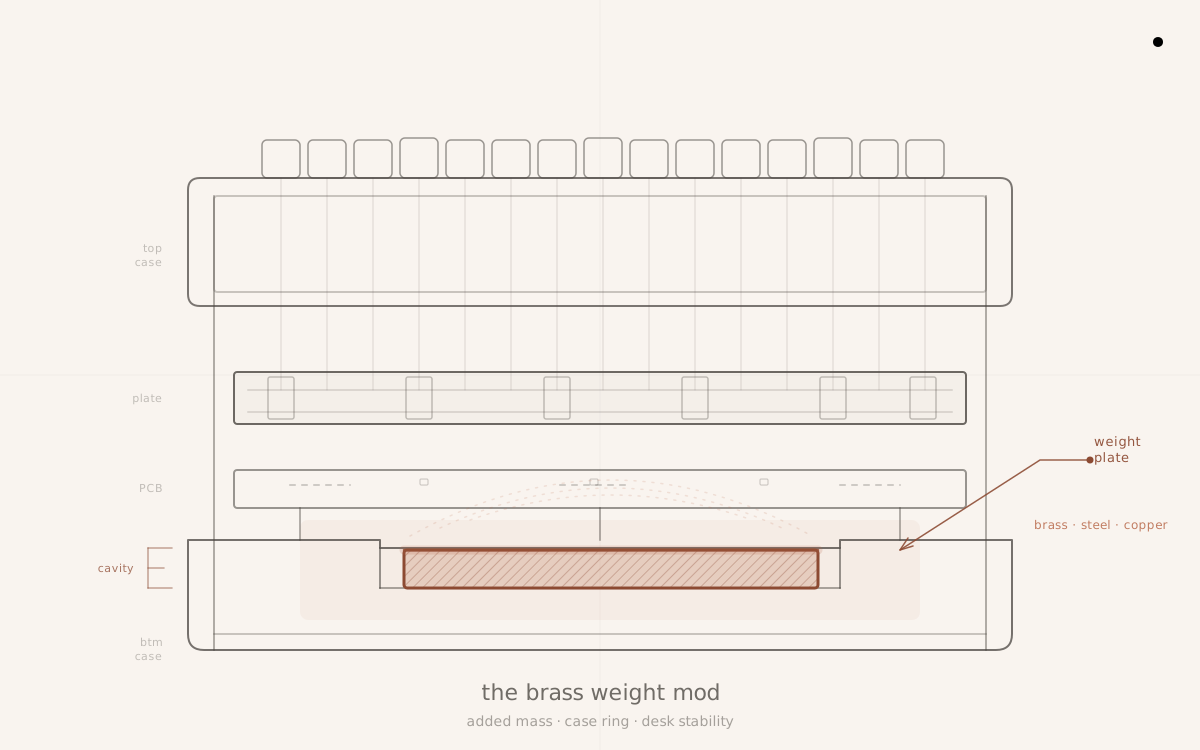
The brass weight mod: what added mass actually buys you
Bolting a half-pound of brass into the bottom of a case is one of the more expensive mods in the hobby for how little it visibly does. It changes how a board sounds and sits on a desk — just not in the ways the marketing copy implies.
thock8 min read
Trends
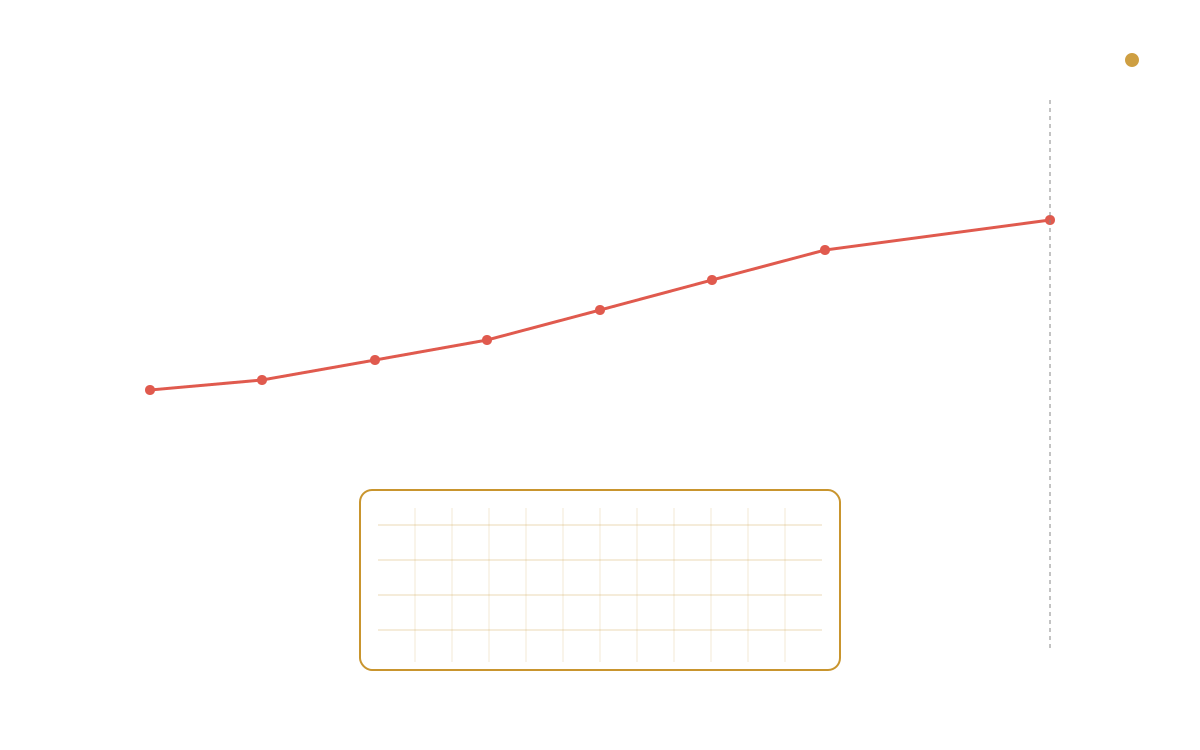
Gaming Boards Are Winning the Spec War, and Enthusiasts Are Paying Attention
Hall-effect sensors and Rapid Trigger have done what RGB lighting and polling-rate marketing never could: closed the spec gap between gaming keyboards and enthusiast builds at the hardware layer. The divide persists in culture and community, but at the switch and firmware level, the lines are dissolving.
thock8 min read
News
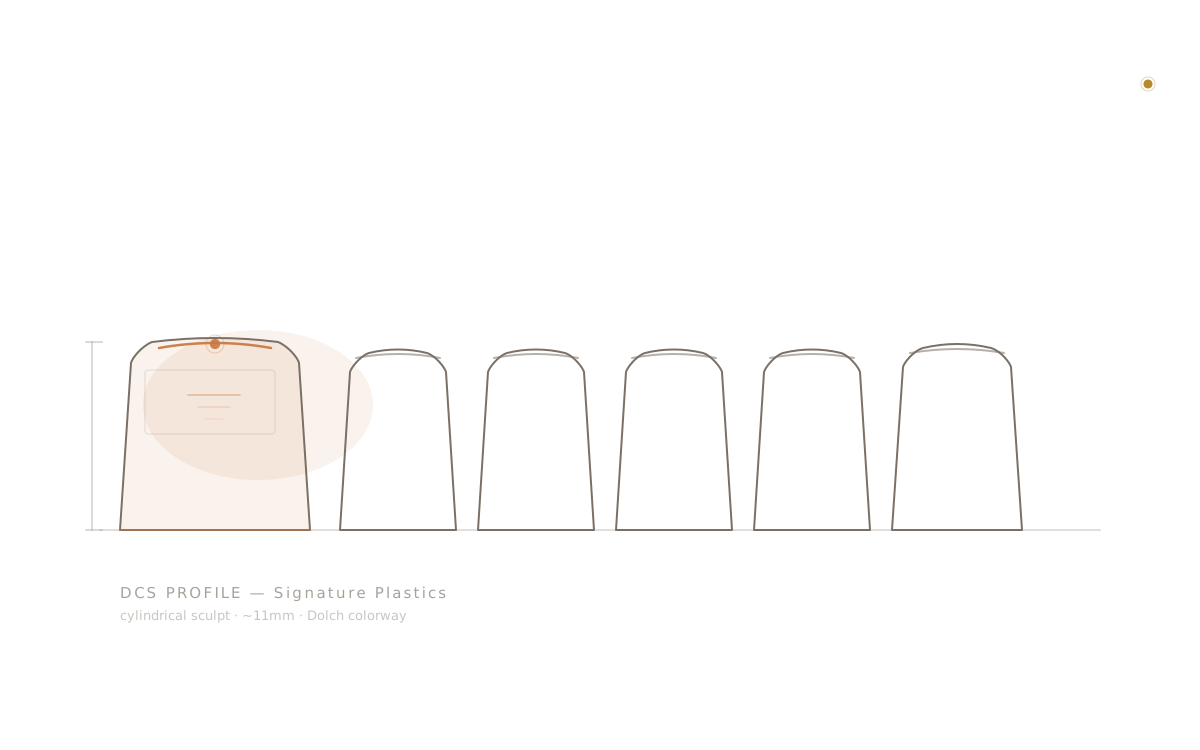
DCS Dolch closed at Divinikey — a computing-history colorway's first DCS-profile run
The Dolch colorway — dark grey alphas, lighter grey mods, named after the 1990s portable workstations — ran a four-week DCS-profile group buy at Divinikey and nine regional storefronts, closing 2026-07-01.
thock10 min read
Guides
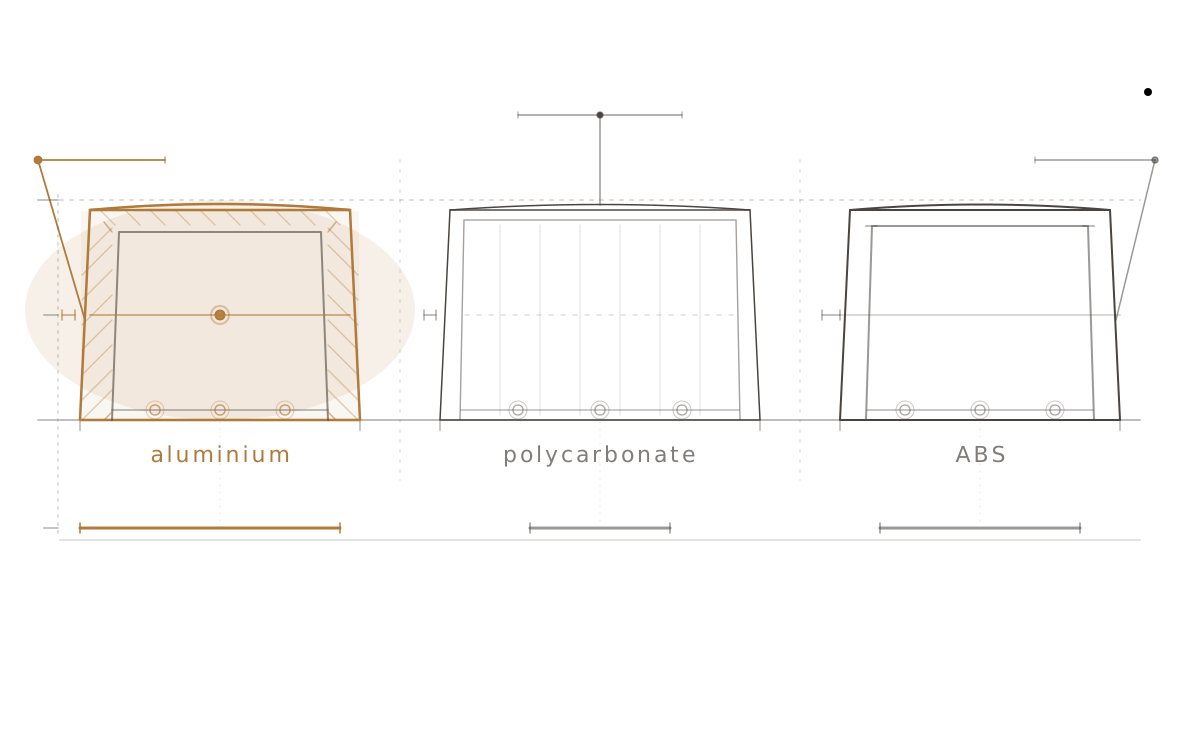
Keyboard case materials, compared: aluminium, polycarbonate, and ABS
The case is the largest resonant body in a keyboard. Aluminium, polycarbonate, and ABS each change the sound, feel, and weight profile in fundamentally different ways — here is what each material actually does.
thock11 min read
Deep Dives
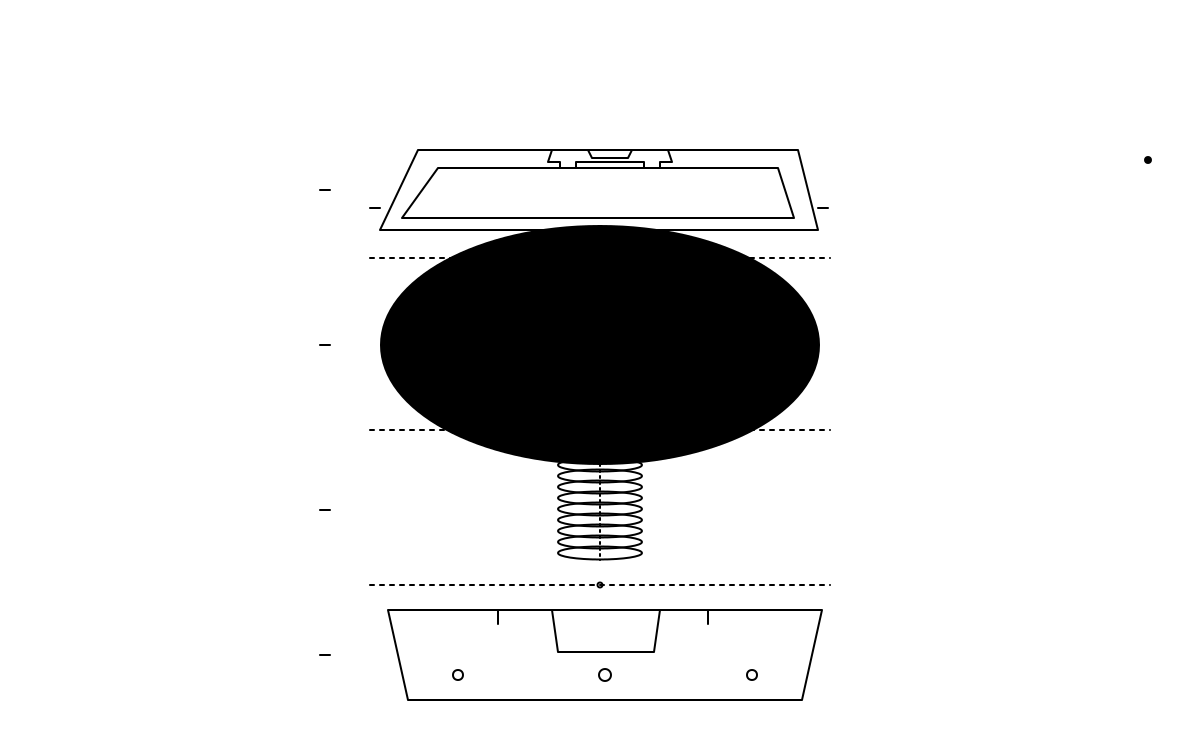
How HMX took over the mid-tier linear slot
Two years ago HMX was a name on a vendor page nobody pronounced confidently. In W19, the Cloud sat second among switches on our tracker and landed in half the $120 prebuilts the scene argues about. The rise wasn't an accident.
thock13 min read
Deep Dives
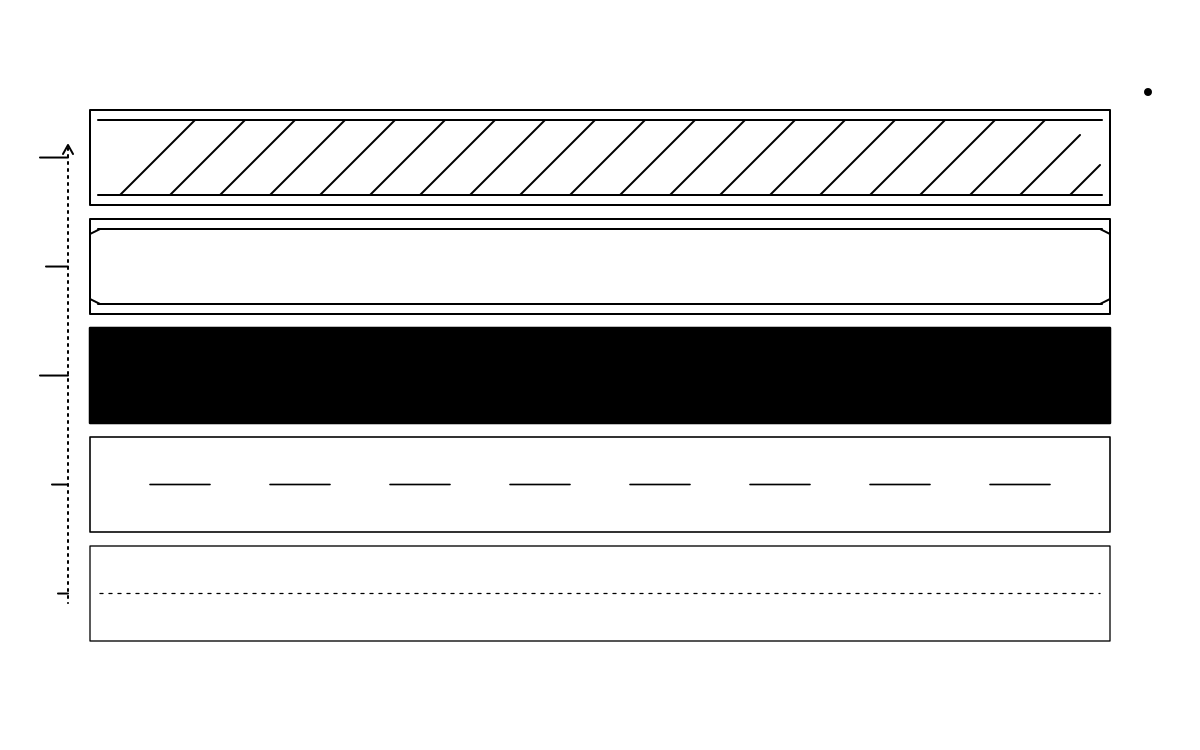
Plate materials, explained: what brass, FR4, POM, and aluminium actually change
The plate is the cheapest variable in the build and the one builders argue about hardest. Most of the heat is misdirected — but a usable fraction of it is real, and the difference is worth pinning down.
thock13 min read

Trends
Reading the Trends Tracker
thock's Trends Tracker is a weekly snapshot of what is rising, falling, or holding flat across the hobby — switches, keycaps, layouts, vendors, and brands, scored on a single -100 to 100 scale and updated each Monday. This is what the columns mean and what they do not.
thock5 min read
Ideas
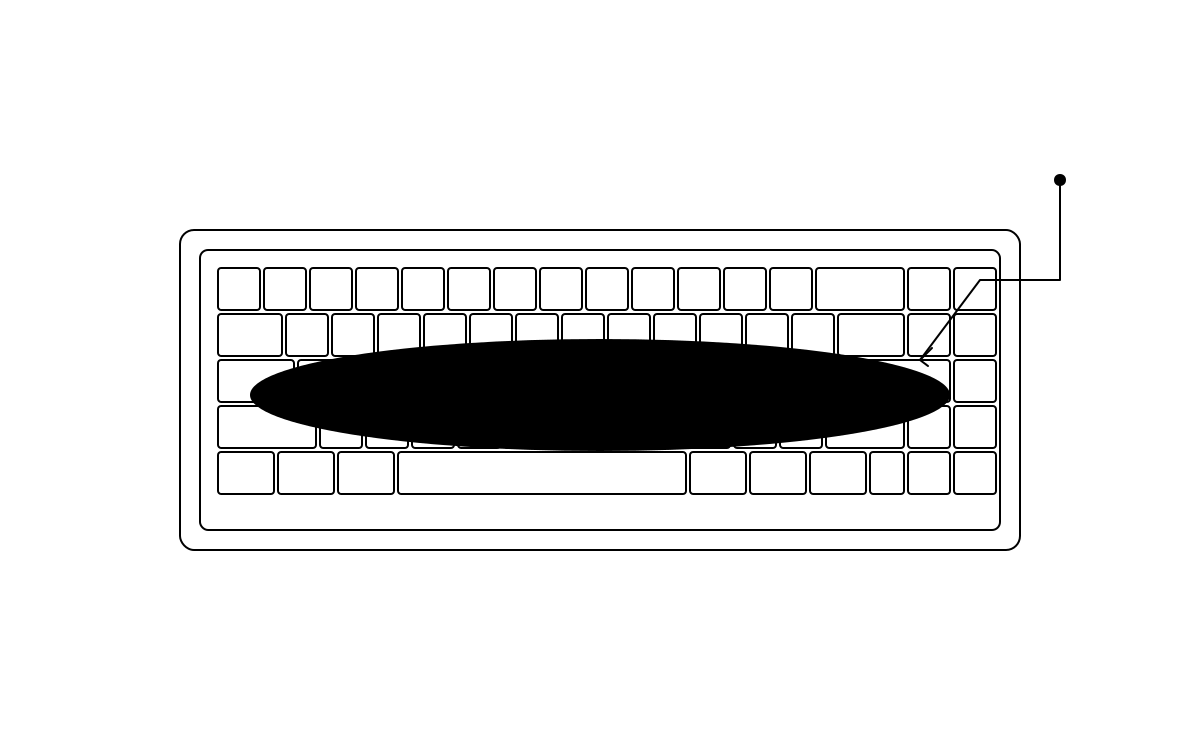
Pairing Oil Kings with the Mode Sonnet
This pairing has been on the bench for months, and a free Sunday finally made it happen. The Sonnet is a soft 75 with a block mount, and Oil Kings are a heavy factory-lubed linear — together they hit a register worth coming back to.
thock5 min read
News
Mode Sonnet R2 opened at CannonKeys
Mode's second round of its 75% Sonnet board ran at CannonKeys from 2026-06-01 through 2026-07-15 after a vendor-side timeline shift. See the in-article update for the dates and accent-weight color options; the closed entry is archived at /group-buys/past.
thock5 min read

Trends
When customs became vendor-first
From 2018 through 2022 the typical custom shipped through one host vendor and a fan of regional proxies; by 2026 the baseline custom is a configurator on a vendor's own storefront. Boards moved. Keycap group buys mostly didn't.
thock6 min read
Guides
A beginner's guide to picking your first switch
Switches are the single biggest factor in how a keyboard feels and sounds, and the catalog has grown overwhelming. This guide narrows the entire market into three families, explains who each one is for, and gives a three-step path from curiosity to a confident first purchase. By the end, the reader can pick a category without second-guessing.
thock8 min read
Guides
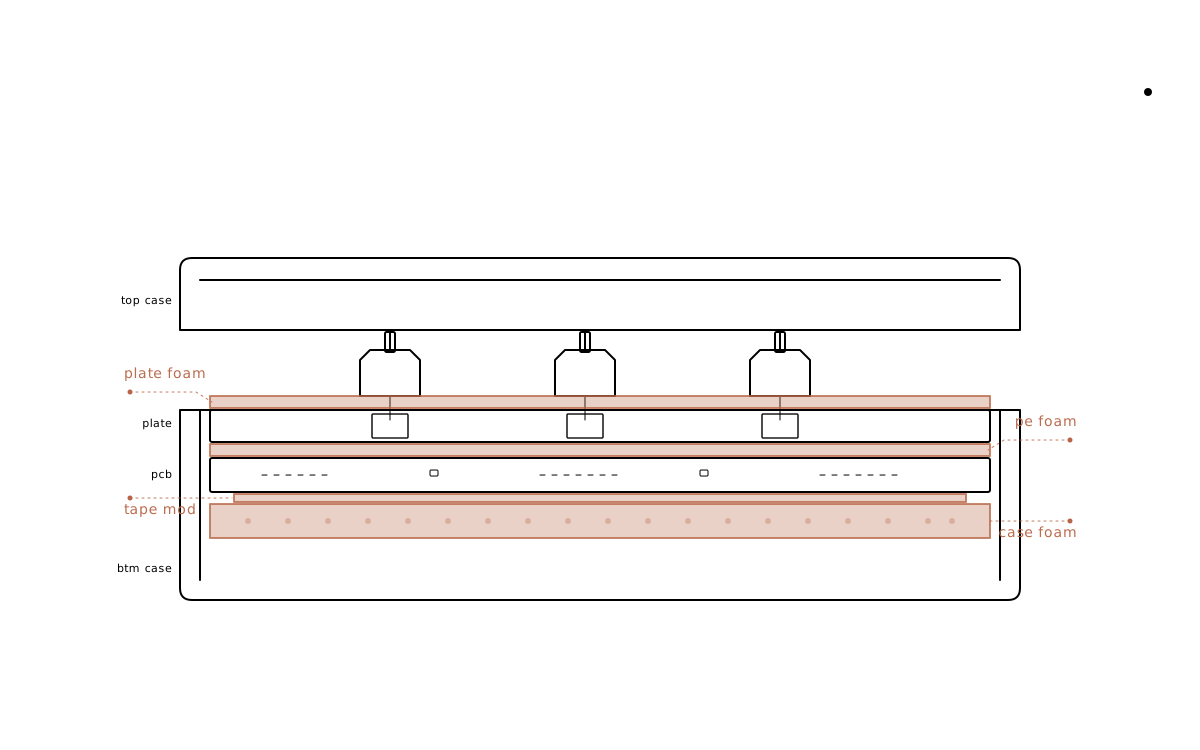
Sound dampening, compared: case foam, plate foam, PE foam, and the tape mod
Four layers, four very different jobs. Here is what each sound mod actually changes, where it sits in the build stack, and the order to stack them in if you only have time for one or two.
thock9 min read
Trends
How 'thock' became an acoustic spec, not an accident
A decade ago a thocky board was the win condition of a $300 custom — the payoff for the right switches, the right lube job, the right patience. In 2026 the same sound is table-stakes for a $150 prebuilt: factory-lubed switches, silicone dampening, gasket-mounted plates, PBT doubleshot. The stack that used to be enthusiast-only is now what mid-tier vendors design toward from day one.
thock8 min read
Guides
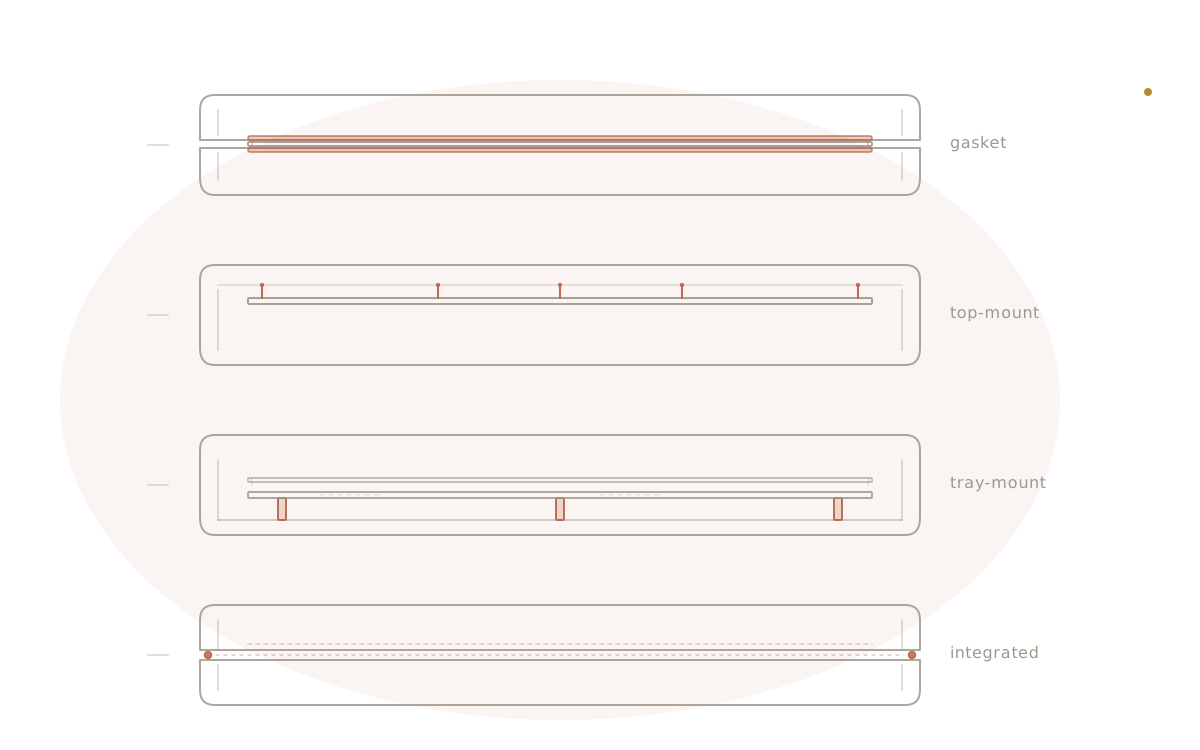
Mounting styles, compared: gasket, top-mount, tray, and integrated plate
A builder who has lubed switches and tuned stabilizers and chosen a keycap profile and still cannot place why their next board feels different from their last one is usually meeting the mount style. The plate's relationship to the case is the half of the typing feel that nobody discusses on a sound test.
thock13 min read
Trends
How Hall-effect quietly became the new mid-premium default
The polling-rate hype is loud and easy to wave off — 8K, 32K, numbers chasing each other up the spec sheet. The quieter story is that the magnetic-switch tier has stopped being a Wooting-shaped niche and has settled into the $100–$230 prebuilt slot the scene actually buys from. The volume has moved, not just the marketing.
thock7 min read
Ideas
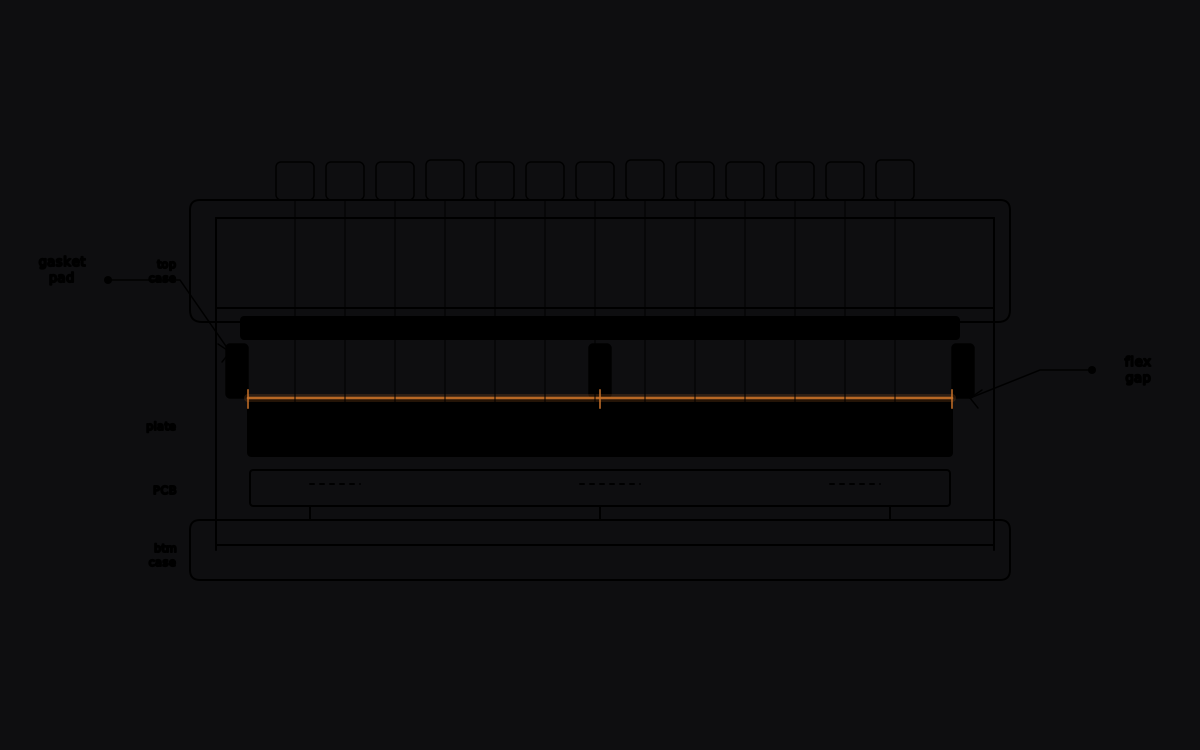
What gasket mount actually delivers (and what it doesn't)
The label appears on keyboards at every price point, from $90 prebuilts to $350 group-buy customs, but two boards with identical spec-sheet language can sound nothing alike. Here is what the term actually tells you, and what it doesn't.
thock9 min read
Mode Sonnet appears in editor-curated build sheets.