loading · tag
Archive
Every #cherry piece
Trends
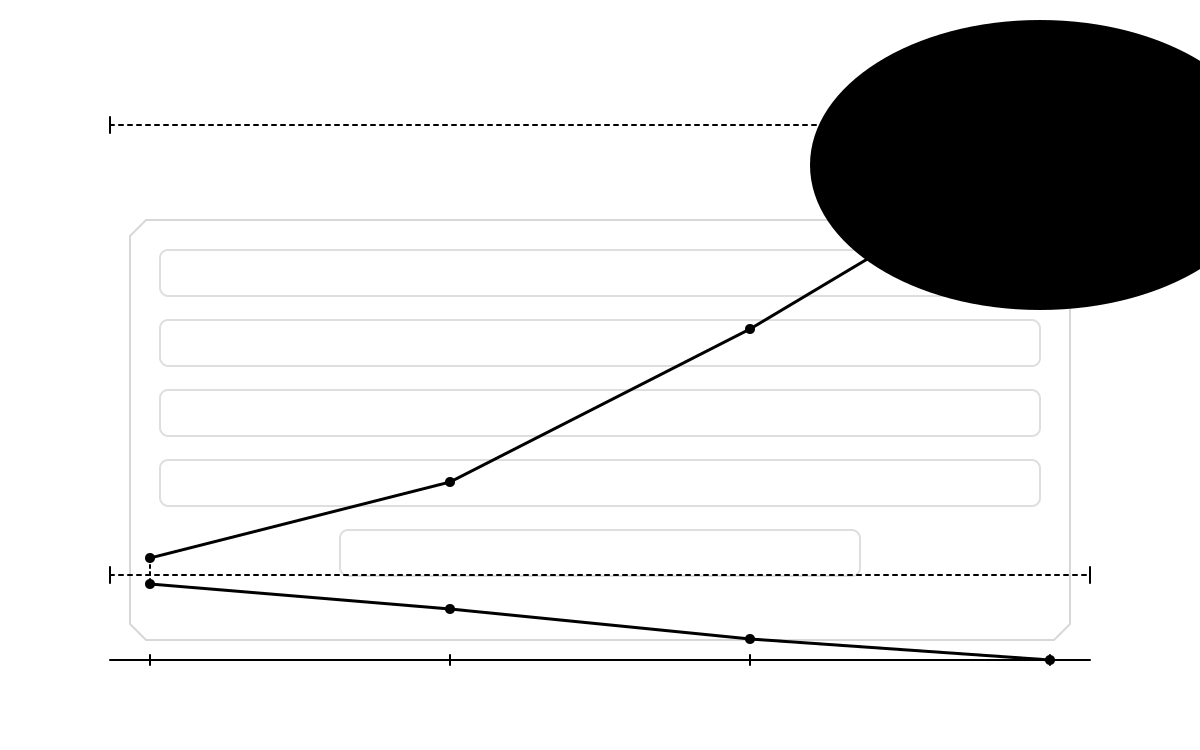
Cherry's tracker slide continues. Keychron's Kickstarter delivered.
Three weeks ago thock closed a piece with two open questions: would Cherry's brand line keep closing the gap toward positive territory, and would Keychron's V6 Ultra HE Kickstarter give the tracker something new to climb on. Both questions have answers now, and they point in opposite directions for a related reason.
thock7 min read
Trends
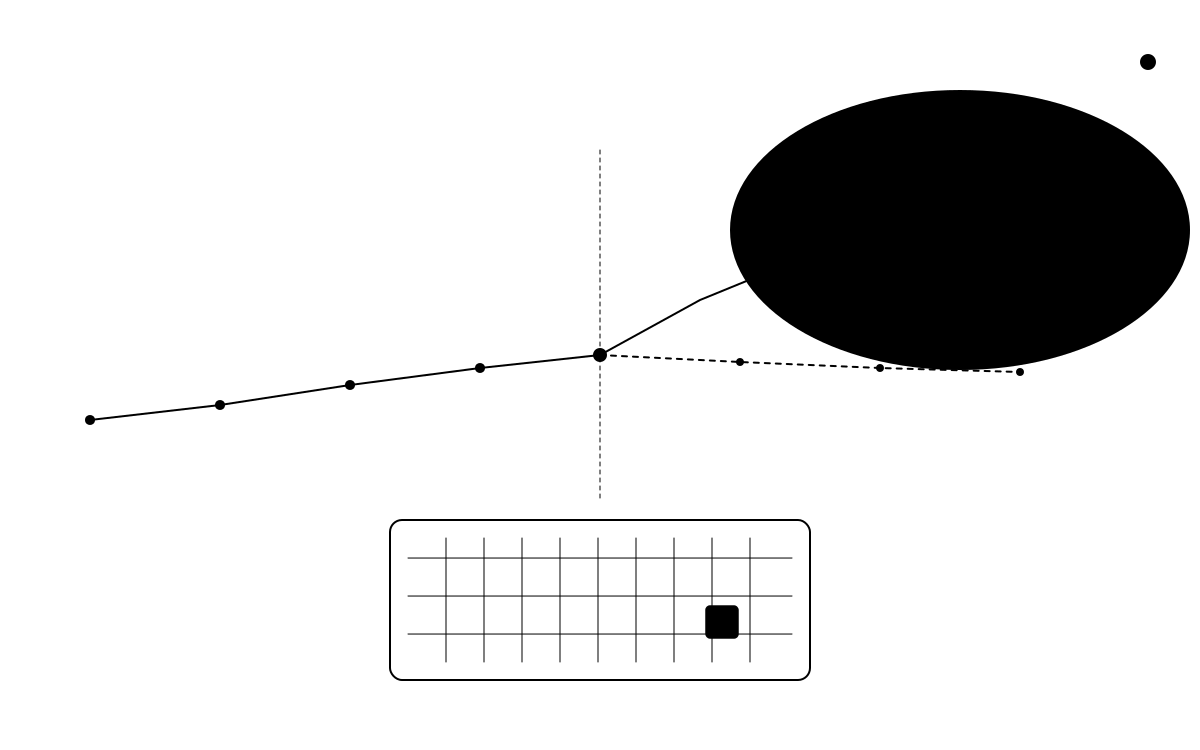
Cherry bets on magnetic: the XTRFY pivot
Cherry's mainline MX switches have spent the better part of a year losing ground on the tracker. On July 3, 2026, Cherry's gaming sub-brand XTRFY answered not with another MX revision but with a magnetic-sensing switch — and gave the parent brand its first positive tracker signal in months.
thock7 min read
Deep Dives
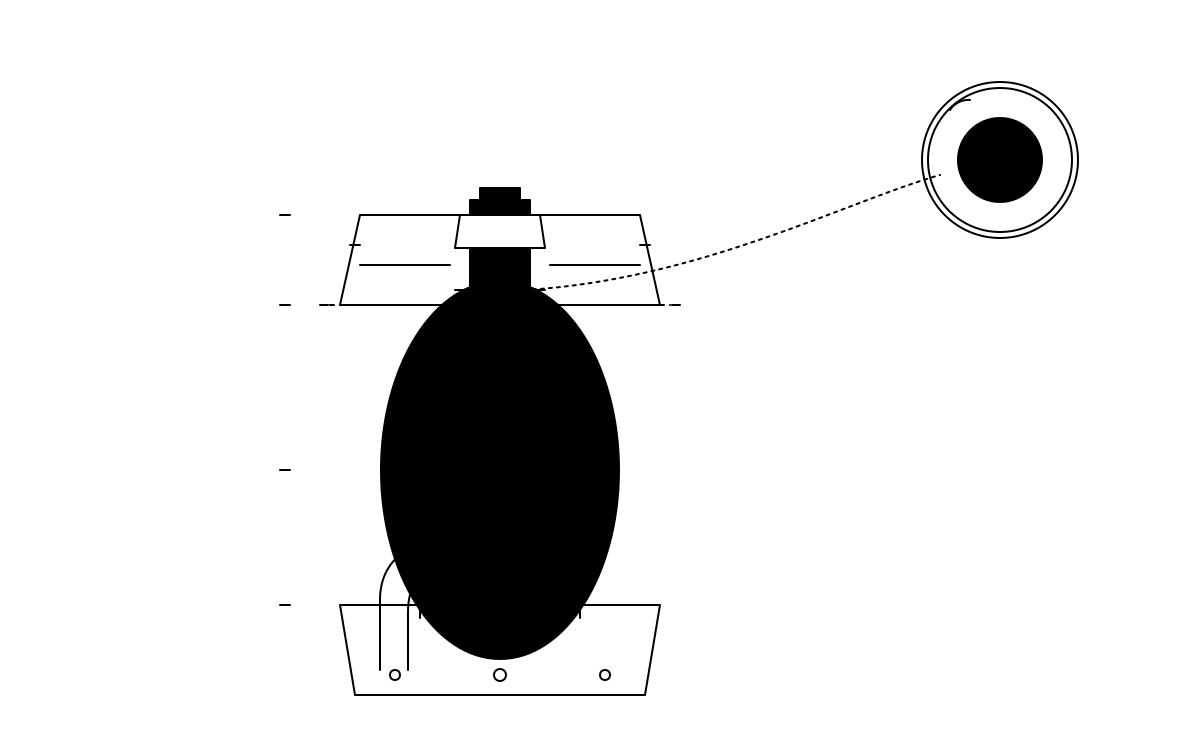
What Cherry's MX2A revision actually changed
Cherry's MX2A landed in 2023 with a real engineering update — factory lube, tighter tolerances, the same 100M-press lifespan. The reason the discourse cooled isn't that the switch failed; it's that the enthusiast slot it aimed at was already claimed by the time it arrived.
thock8 min read
Guides
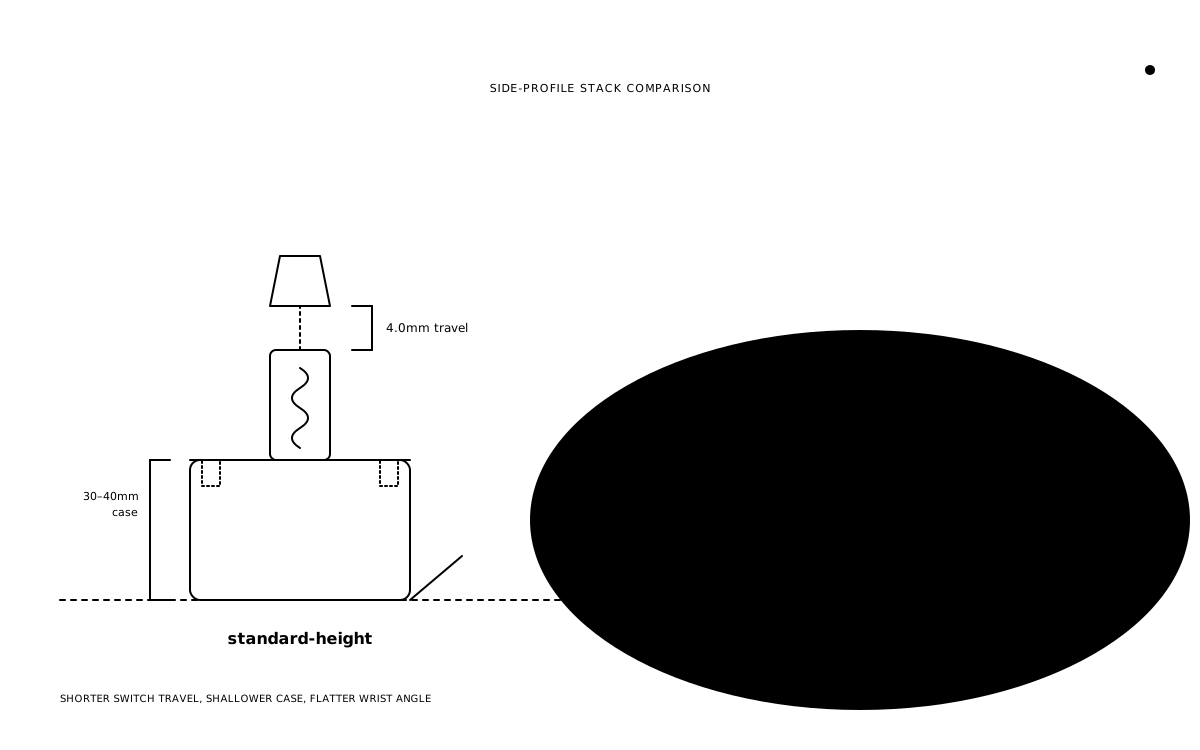
Low-profile mechanical keyboards: a buying guide
A low-profile board promises a flatter desk and a laptop-like feel, but it also quietly opts a buyer out of most of the keycap and switch catalog they already know. Here's what actually changes, and how to tell if the trade is worth it.
thock8 min read
Deep Dives
What a silent switch actually silences — and what it can't
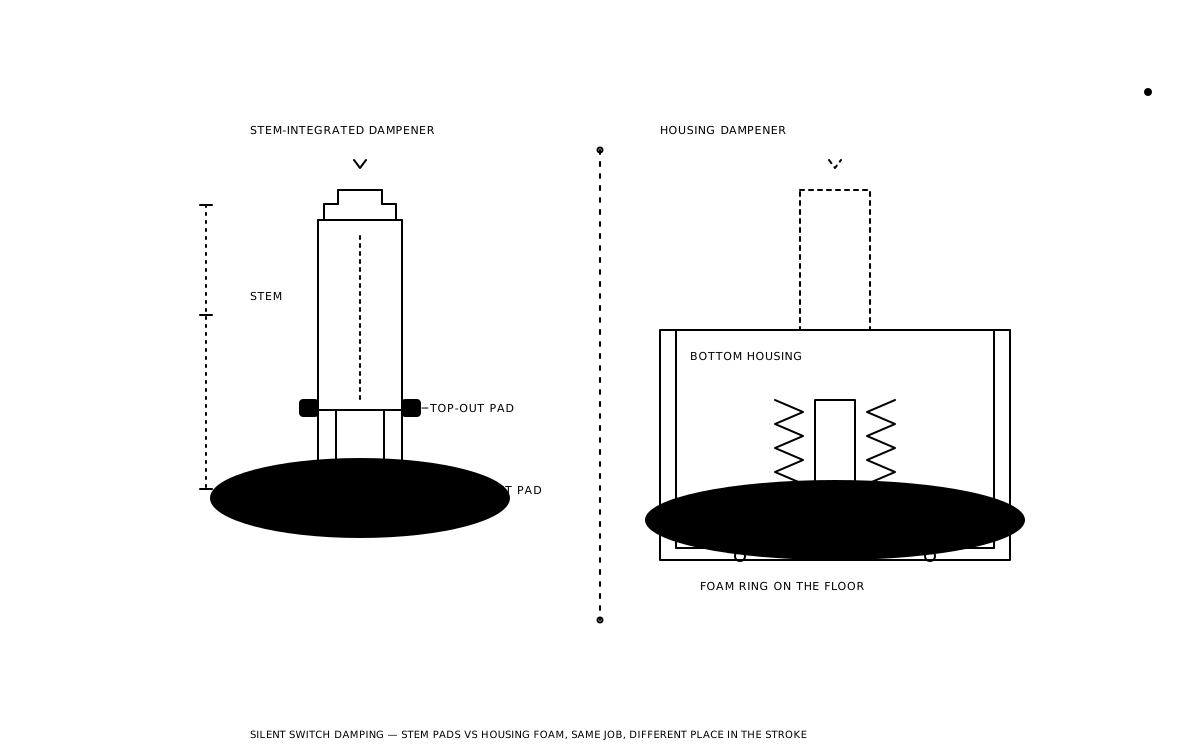
Every keystroke lands twice — once on the floor, once on the ceiling. Cherry molds an elastomer pad onto the stem to catch both; Gazzew fits a silicone one. The undamped Boba U4T shows what either approach is buying — about 14 dB on one tester's meter — and what it costs in travel, rebound, and a bump with nowhere left to go.
thock10 min read
Deep Dives
Why clicky switches still have a constituency
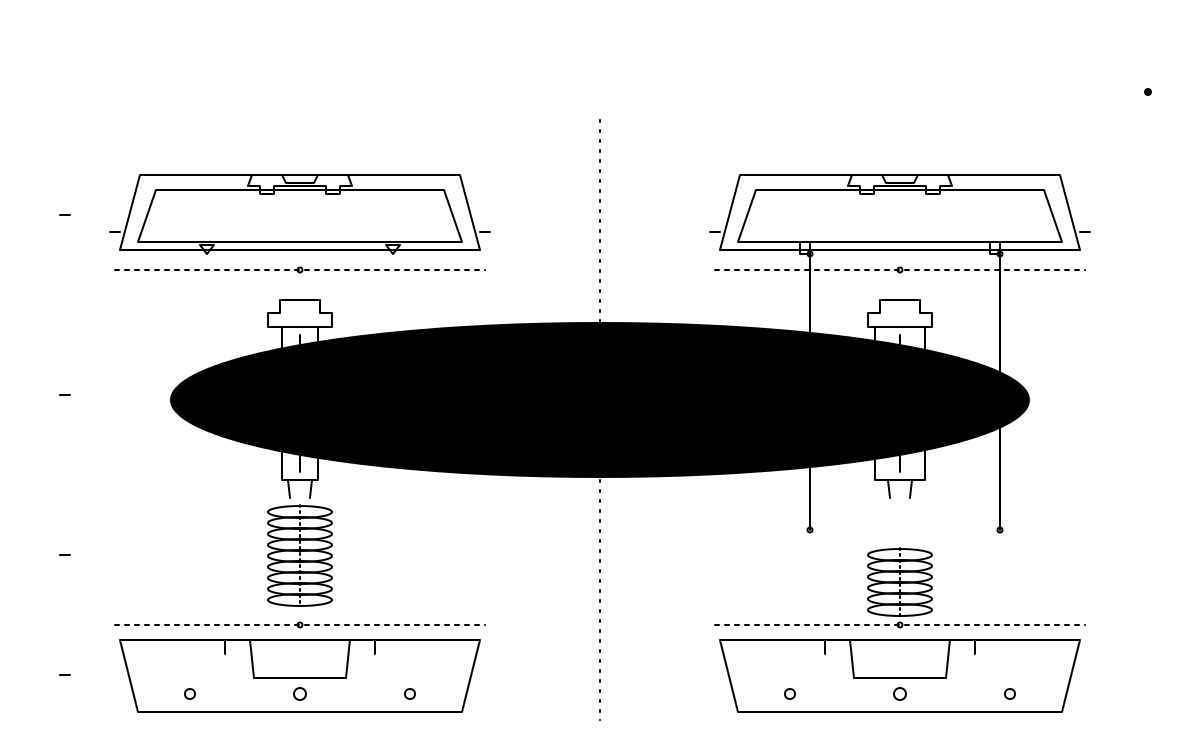
Linears and tactiles dominate the modern build conversation, and clickies barely appear in it. The reason is not that clicky switches have aged out — it is that the people who want them really want them, and the manufacturers know it.
thock10 min read