loading · tag
Archive
Every #aluminum piece

News
The Blaine V2: SE puts three mount systems in one kit and asks the buyer to pick
CannonKeys's F12 TKL follow-up ships with top mount, single-sided gasket, and o-ring hardware in the same box, plus a carbon-fiber bottom plate and a POM underside element it calls Volcano. The mount menu is the story.
thock7 min read
Ideas
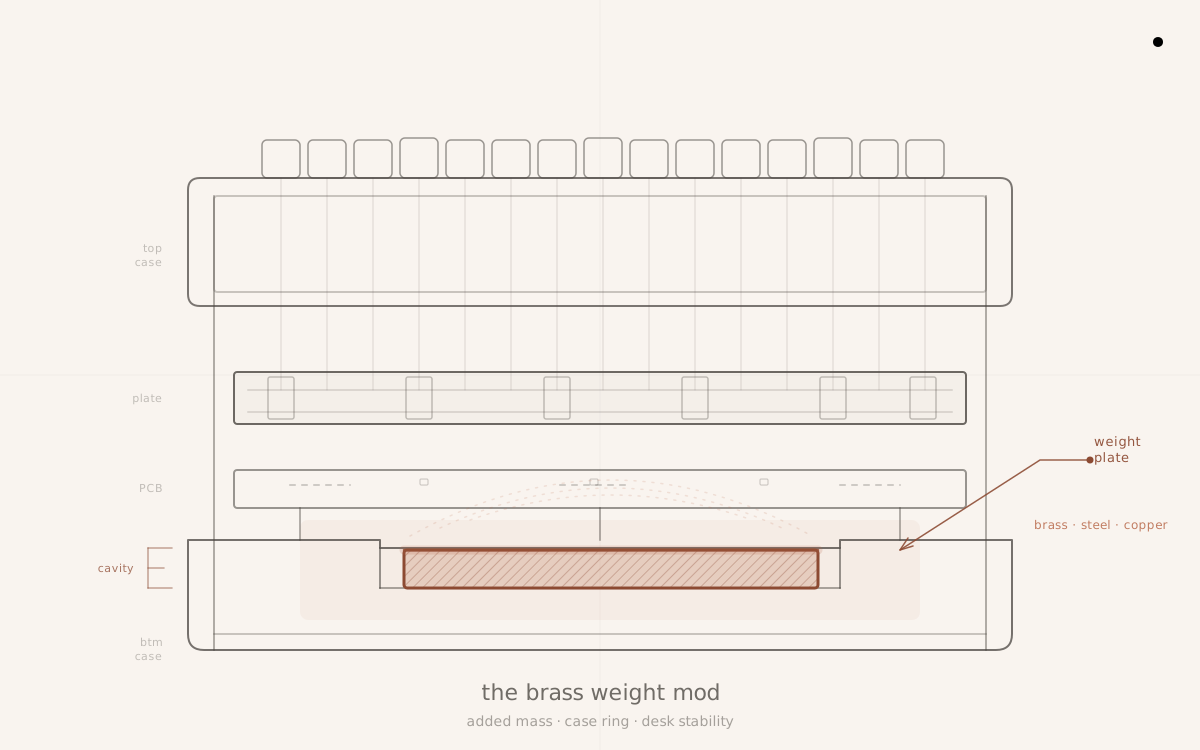
The brass weight mod: what added mass actually buys you
Bolting a half-pound of brass into the bottom of a case is one of the more expensive mods in the hobby for how little it visibly does. It changes how a board sounds and sits on a desk — just not in the ways the marketing copy implies.
thock8 min read
Guides
Choosing your first custom keyboard kit: a buyer's guide
Most first custom keyboards aren't built from loose parts and aren't bought finished — they're a barebones kit, a case-plate-PCB bundle that leaves the rest of the decision to the buyer. Here's how to make that decision without guessing.
thock8 min read
Guides
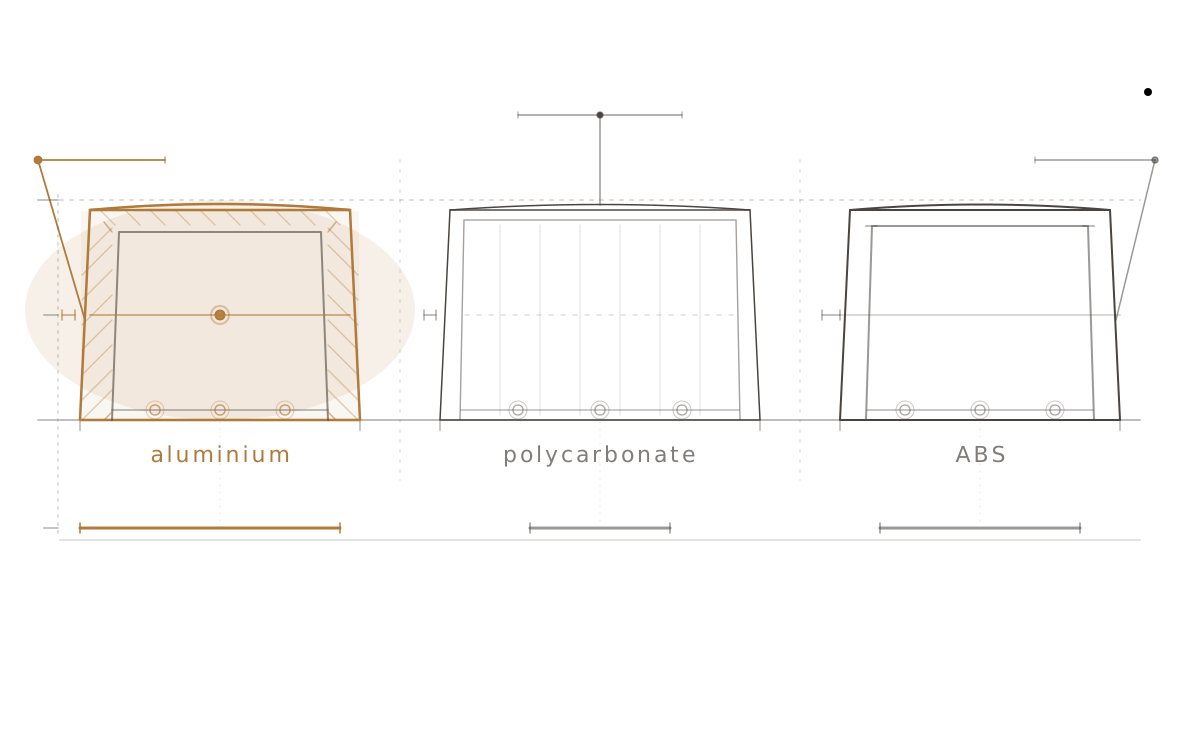
Keyboard case materials, compared: aluminium, polycarbonate, and ABS
The case is the largest resonant body in a keyboard. Aluminium, polycarbonate, and ABS each change the sound, feel, and weight profile in fundamentally different ways — here is what each material actually does.
thock11 min read
News
Mode Sonnet R2 opened at CannonKeys
Mode's second round of its 75% Sonnet board ran at CannonKeys from 2026-06-01 through 2026-07-15 after a vendor-side timeline shift. See the in-article update for the dates and accent-weight color options; the closed entry is archived at /group-buys/past.
thock5 min read
Guides
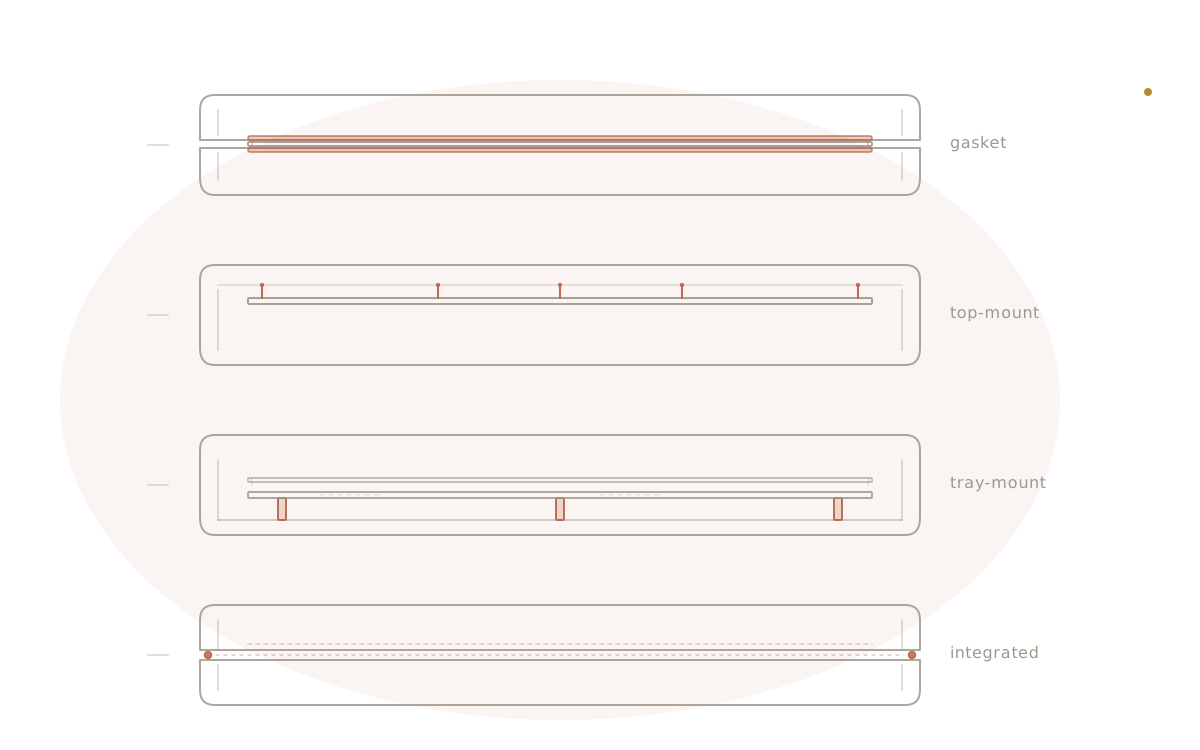
Mounting styles, compared: gasket, top-mount, tray, and integrated plate
A builder who has lubed switches and tuned stabilizers and chosen a keycap profile and still cannot place why their next board feels different from their last one is usually meeting the mount style. The plate's relationship to the case is the half of the typing feel that nobody discusses on a sound test.
thock13 min read
News
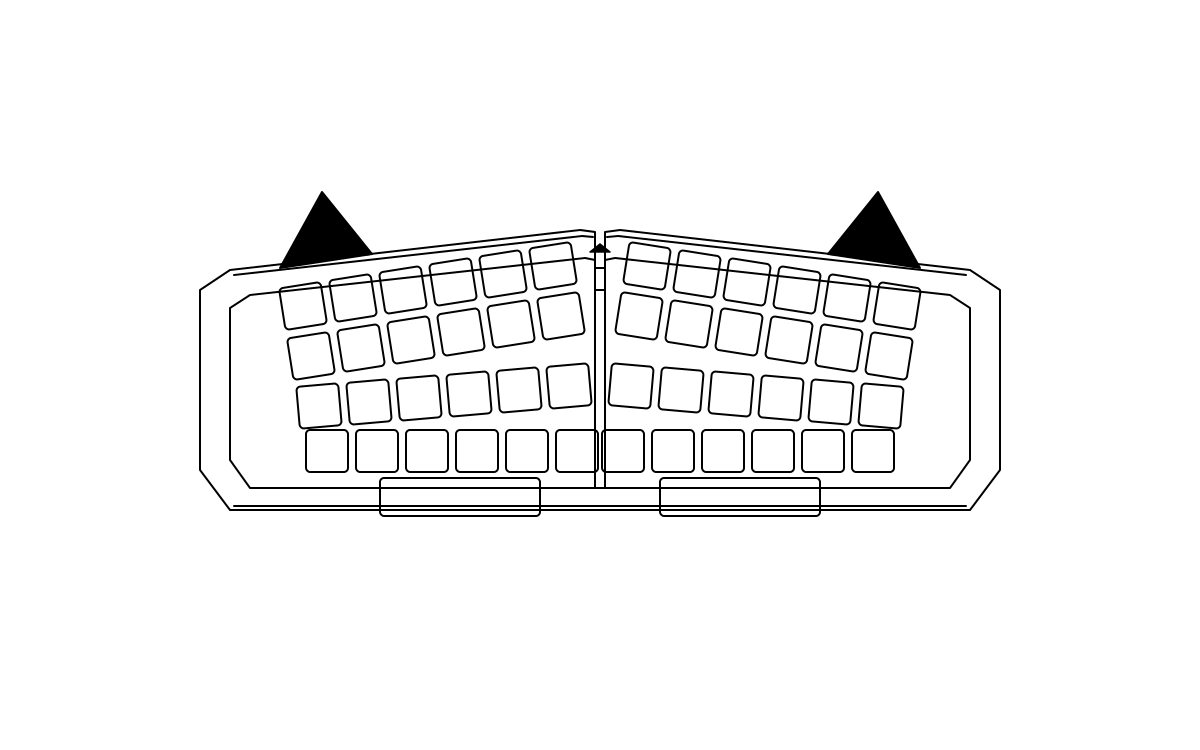
The Nyawice puts a leaf-spring F1 mount under a friction-fit-cat-ears Alice
An Alice-layout board with a leaf-spring F1 mount, a 9-degree typing angle, and four colorways of friction-fit silicone cat ears ran at CannonKeys through 2026-05-17. The mount type is the editorial story; the cat ears are the conversation.
thock6 min read