loading · tag
Archive
Every #75% piece

Trends
How 75 percent became the default custom layout
Two years ago a custom-board recommendation defaulted to 65% with a polite note about 75% as the next step up. The KBD75 v3's staying power as a default recommendation, the QK75, and a crowded mid-tier have flipped that order. 75% is now the layout customs reach for first.
thock5 min read
Guides
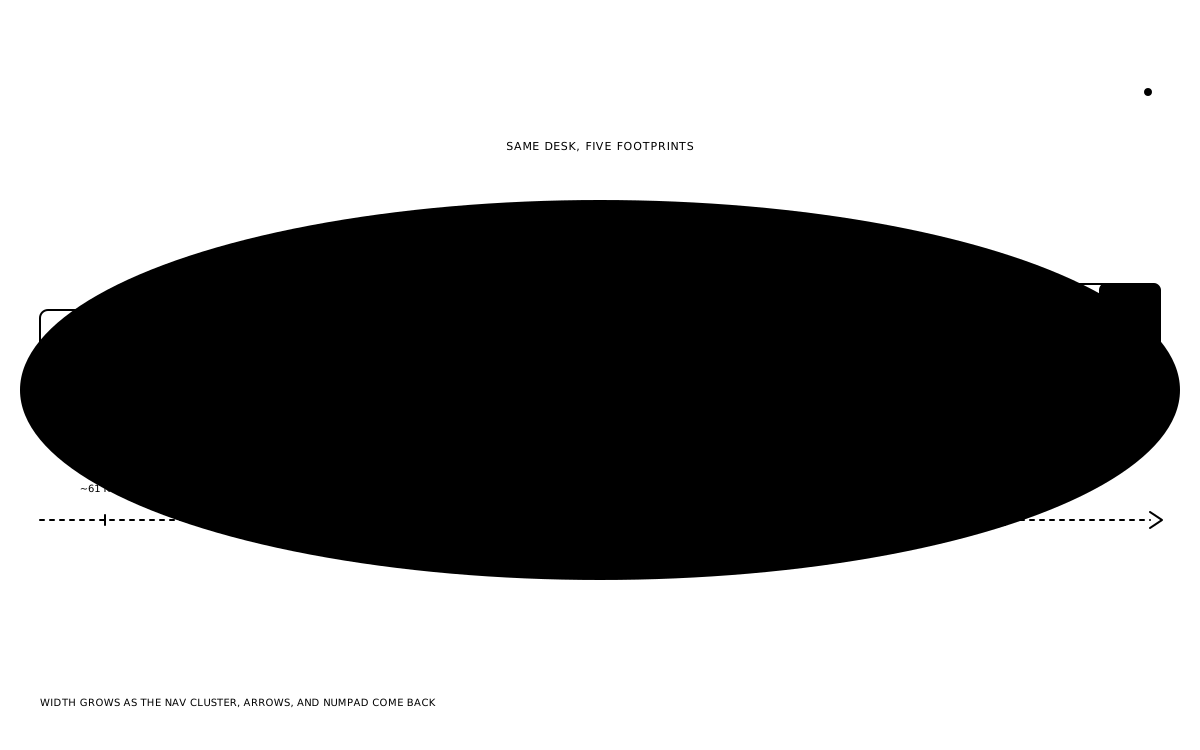
Keyboard layout sizes, compared: 60% to full-size, which fits your desk
60%, 65%, 75%, TKL, full-size — the names read like a settled taxonomy, but each cut trades away a specific cluster of keys for a specific amount of desk space. Here's what a reader actually keeps and gives up at each size, and how a firmware layer changes the math.
thock8 min read
Deep Dives
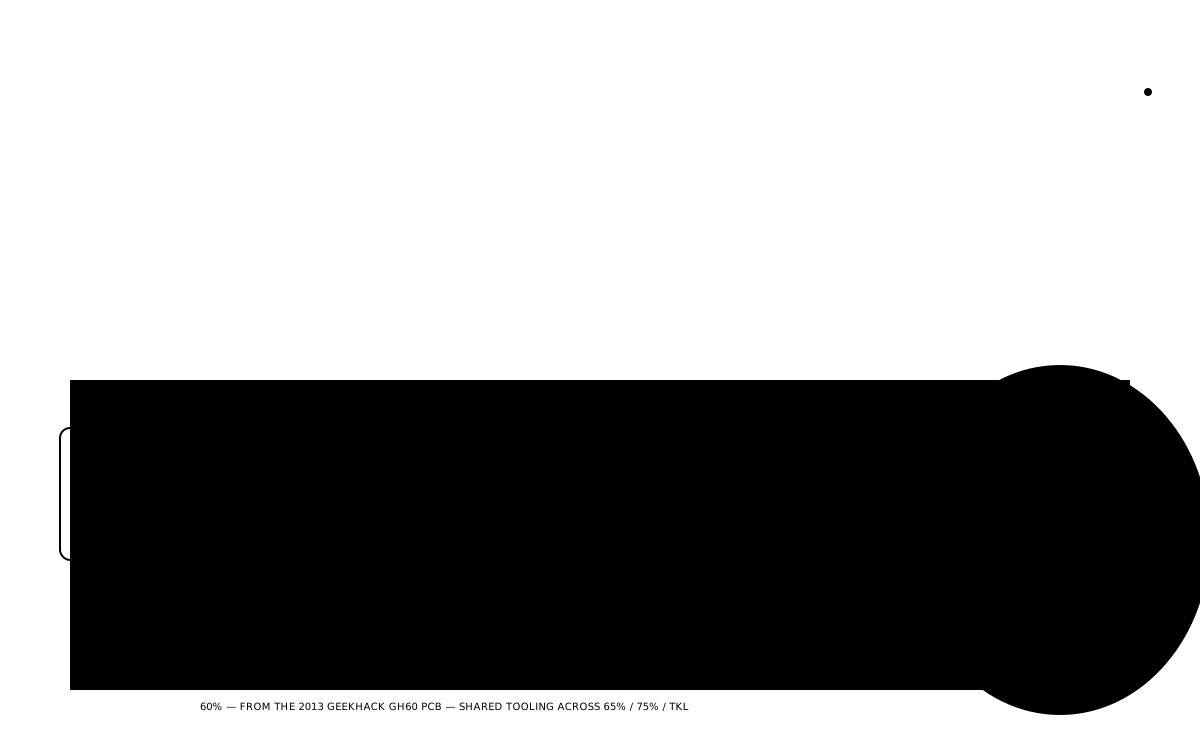
How the 60% became the default custom-keyboard layout
Every custom-keyboard buyer's guide since the mid-2010s opens with the same four-term vocabulary — 60%, 65%, 75%, TKL — as though it always existed. It didn't. One open-source PCB out of a geekhack thread is most of the reason that taxonomy exists at all.
thock11 min read
Ideas
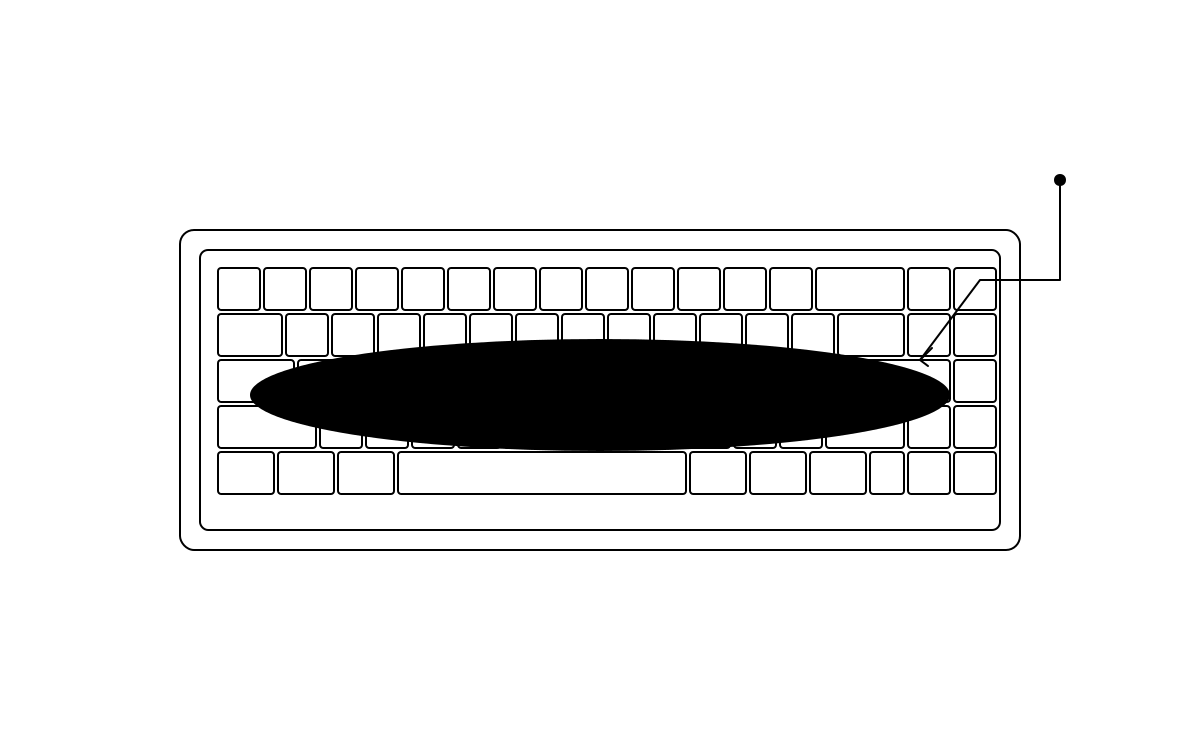
Pairing Oil Kings with the Mode Sonnet
This pairing has been on the bench for months, and a free Sunday finally made it happen. The Sonnet is a soft 75 with a block mount, and Oil Kings are a heavy factory-lubed linear — together they hit a register worth coming back to.
thock5 min read
News
Mode Sonnet R2 opened at CannonKeys
Mode's second round of its 75% Sonnet board ran at CannonKeys from 2026-06-01 through 2026-07-15 after a vendor-side timeline shift. See the in-article update for the dates and accent-weight color options; the closed entry is archived at /group-buys/past.
thock5 min read
Ideas
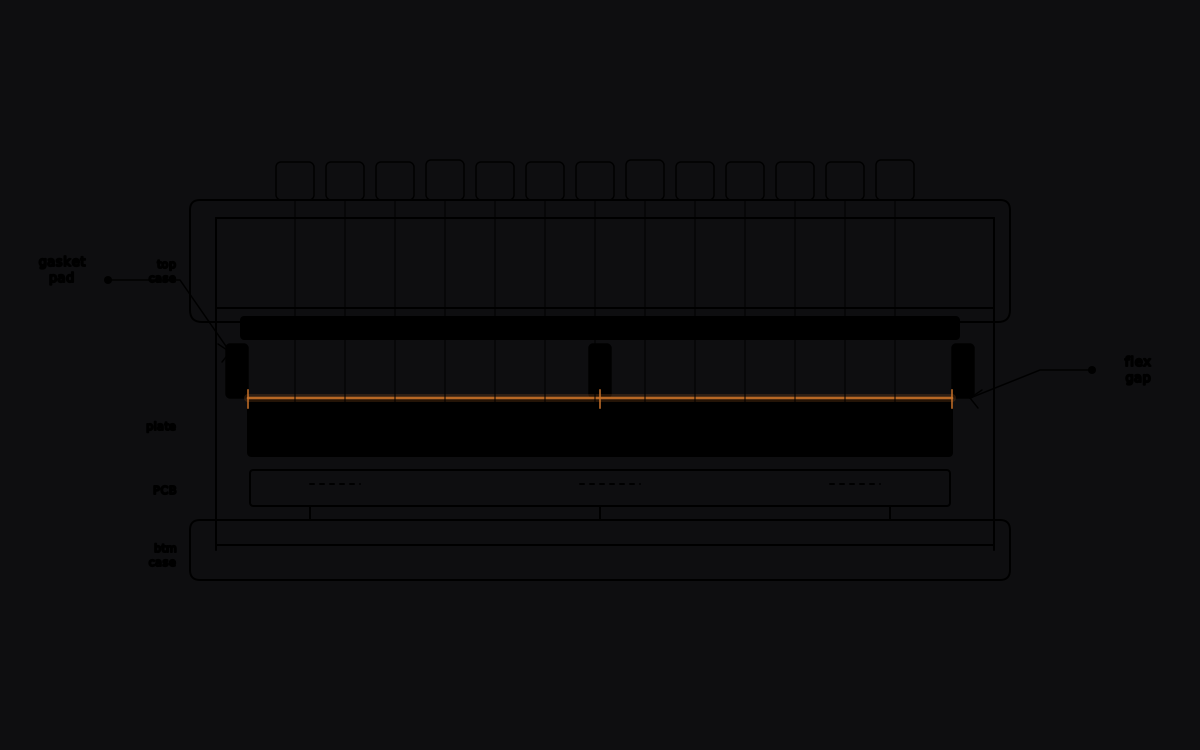
What gasket mount actually delivers (and what it doesn't)
The label appears on keyboards at every price point, from $90 prebuilts to $350 group-buy customs, but two boards with identical spec-sheet language can sound nothing alike. Here is what the term actually tells you, and what it doesn't.
thock9 min read