loading · part
Spec sheet
- Type
- Linear
- Top housing
- Nylon
- Bottom housing
- Nylon
- Stem
- POM
- Spring
- 45g actuation · 75g bottom-out
- Travel
- 4 mm
- Factory lubed
- yes
- Released
- Aug 24, 2023
Cherry's redesigned MX Red with a factory grease ring chemically similar to Krytox 205g0 and tighter stem tolerances. Smoother and quieter than the legacy MX Red while keeping the same 45g actuation and 100M-actuation lifespan.
Mentioned in 10 articles
Guides
What a switch's gram number actually tells you before you buy
Every switch spec sheet carries two gram numbers — actuation and bottom-out — and treating them as one number is the most common mistake in a first switch purchase. Here's what each one measures, what ranges actually suit typing versus gaming, and why the same number can feel completely different depending on switch type.
thock8 min read
Trends
Cherry's tracker slide continues. Keychron's Kickstarter delivered.
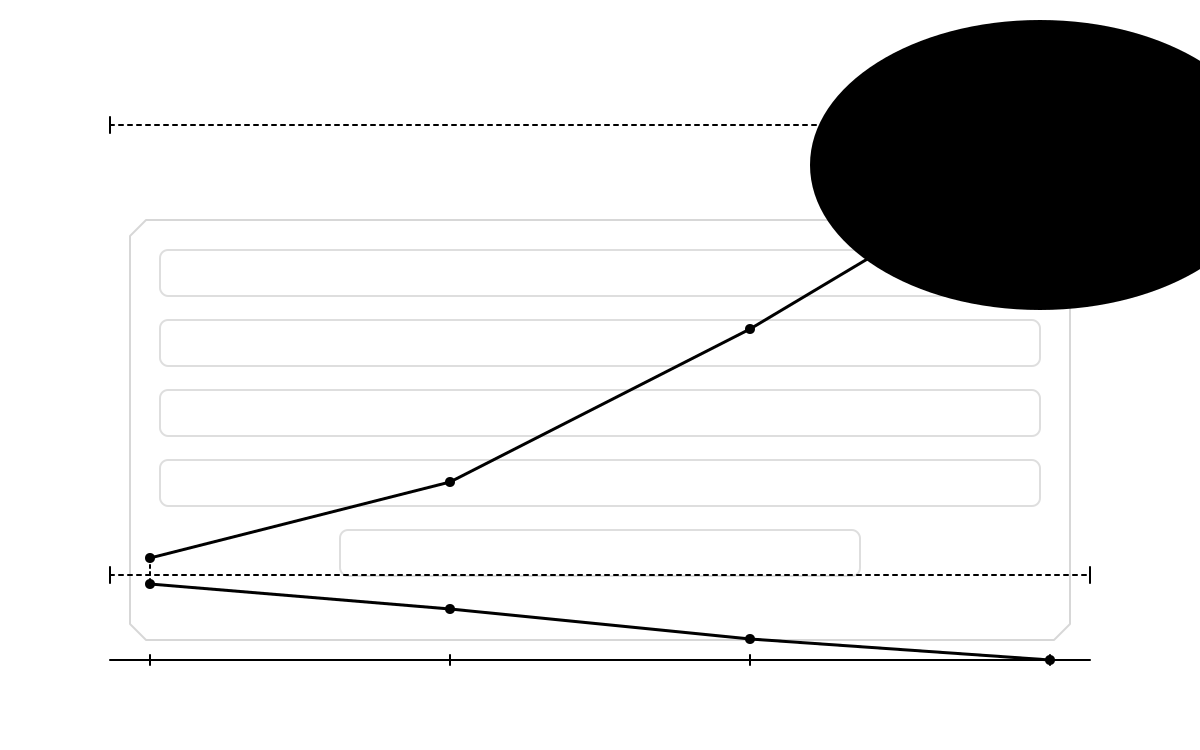
Three weeks ago thock closed a piece with two open questions: would Cherry's brand line keep closing the gap toward positive territory, and would Keychron's V6 Ultra HE Kickstarter give the tracker something new to climb on. Both questions have answers now, and they point in opposite directions for a related reason.
thock7 min read

Ideas
Parts pairing for a split build: two independent halves, two independent decisions
A split board is two keyboards that happen to share a keymap. Most builders still buy parts for it like it's one — matching switches, ordering a single sculpted keycap set, and never touching the left half's tuning differently from the right's.
thock9 min read
Deep Dives
What a silent switch actually silences — and what it can't
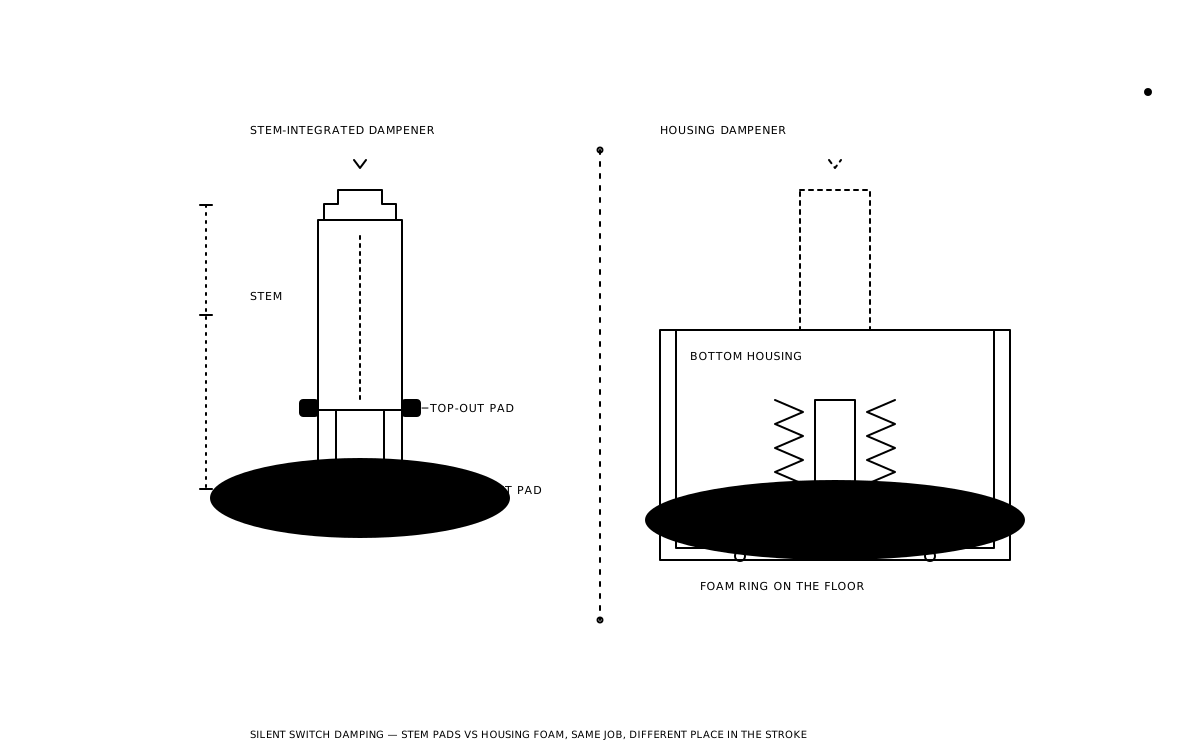
Every keystroke lands twice — once on the floor, once on the ceiling. Cherry molds an elastomer pad onto the stem to catch both; Gazzew fits a silicone one. The undamped Boba U4T shows what either approach is buying — about 14 dB on one tester's meter — and what it costs in travel, rebound, and a bump with nowhere left to go.
thock10 min read
Ideas
The Holee mod: what foam inside the switch actually buys you
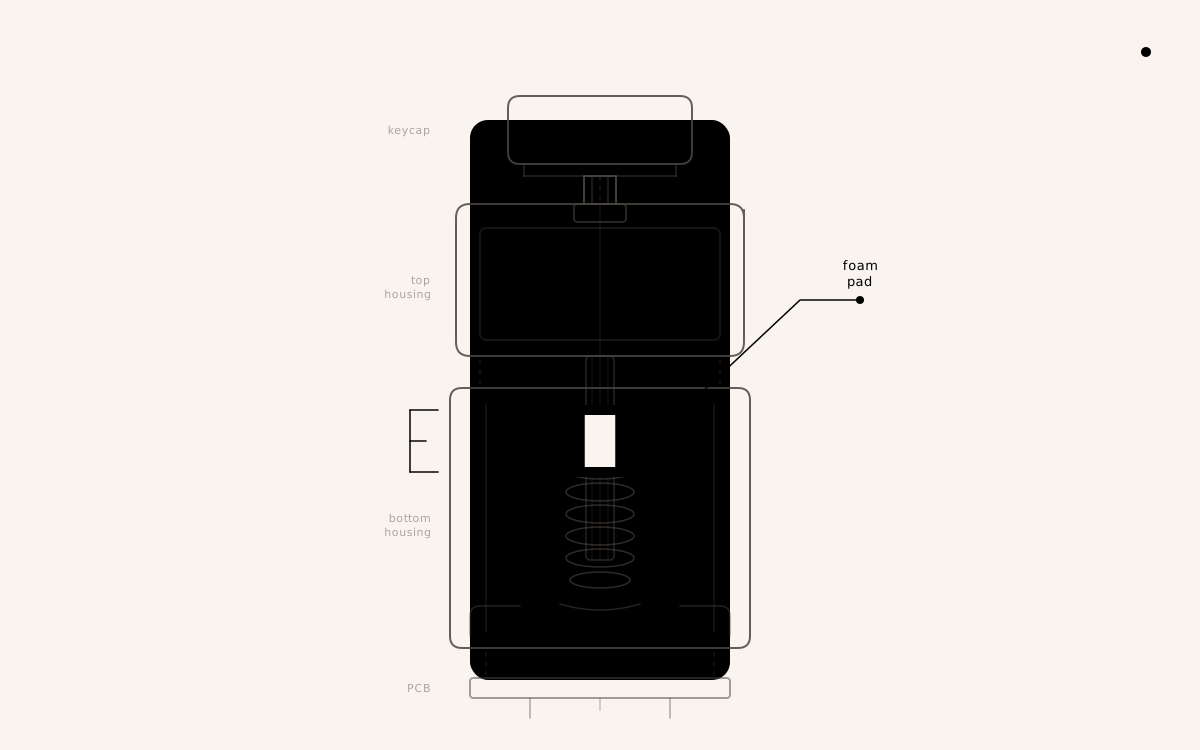
Small pads of polyurethane foam cut and wedged inside the switch housing itself — not under the PCB, not behind it, not under the keycap. The Holee mod works at a smaller scale than every other foam mod in the hobby, and it costs proportionally more time.
thock8 min read
Deep Dives
What Cherry's MX2A revision actually changed
Cherry's MX2A landed in 2023 with a real engineering update — factory lube, tighter tolerances, the same 100M-press lifespan. The reason the discourse cooled isn't that the switch failed; it's that the enthusiast slot it aimed at was already claimed by the time it arrived.
thock8 min read
Deep Dives
How HMX took over the mid-tier linear slot
Two years ago HMX was a name on a vendor page nobody pronounced confidently. In W19, the Cloud sat second among switches on our tracker and landed in half the $120 prebuilts the scene argues about. The rise wasn't an accident.
thock13 min read
Guides
Lubing 101: what matters, what doesn't, and where to stop
Lube moves the sound and feel of a switch in ways nothing else in the build can. It also chews up a Saturday and ruins switches when applied with the enthusiasm the rabbit-hole crowd recommends. Here is the version that earns its keep.
thock9 min read
Guides
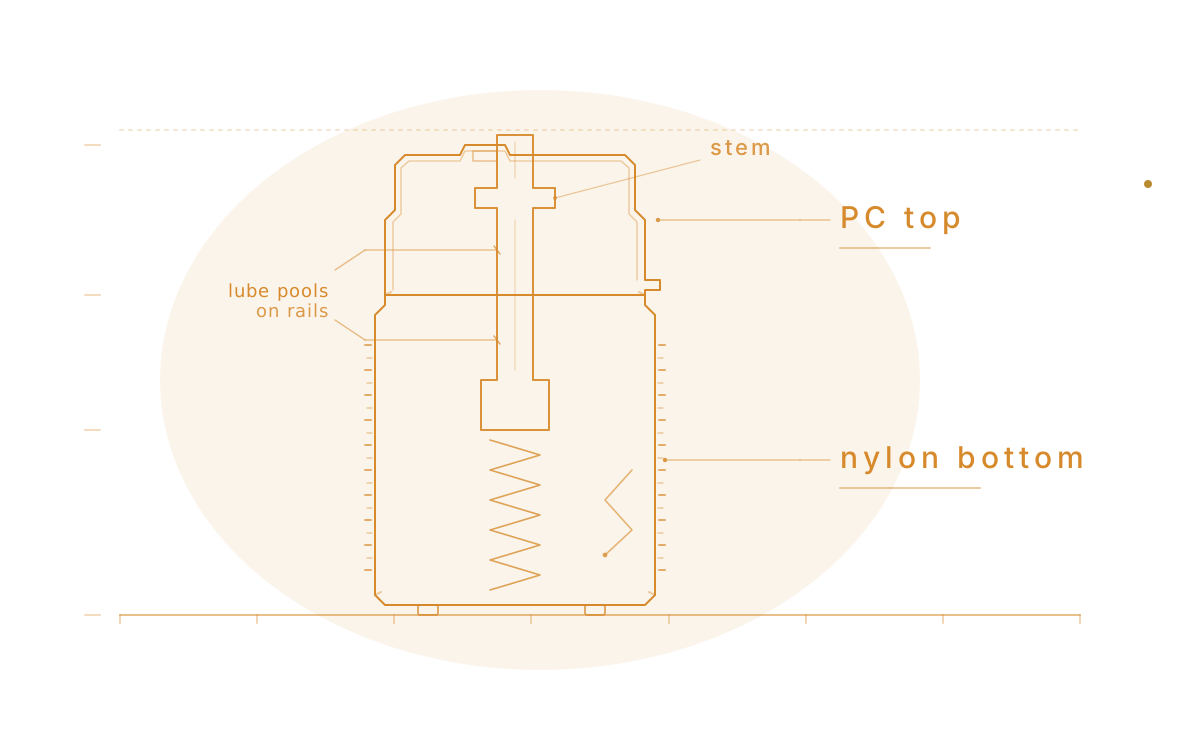
Switch housings, compared: nylon, polycarbonate, POM, and the rest
The housing line on a switch spec sheet is the second-most-important thing about a switch, after the type, and most buyers skim past it. Material decides how the switch rings, how the stem rails feel under a finger, and how much grace it gives a bad lube job. A 'PC top, nylon bottom' tag is doing more work than its three words suggest.
thock10 min read
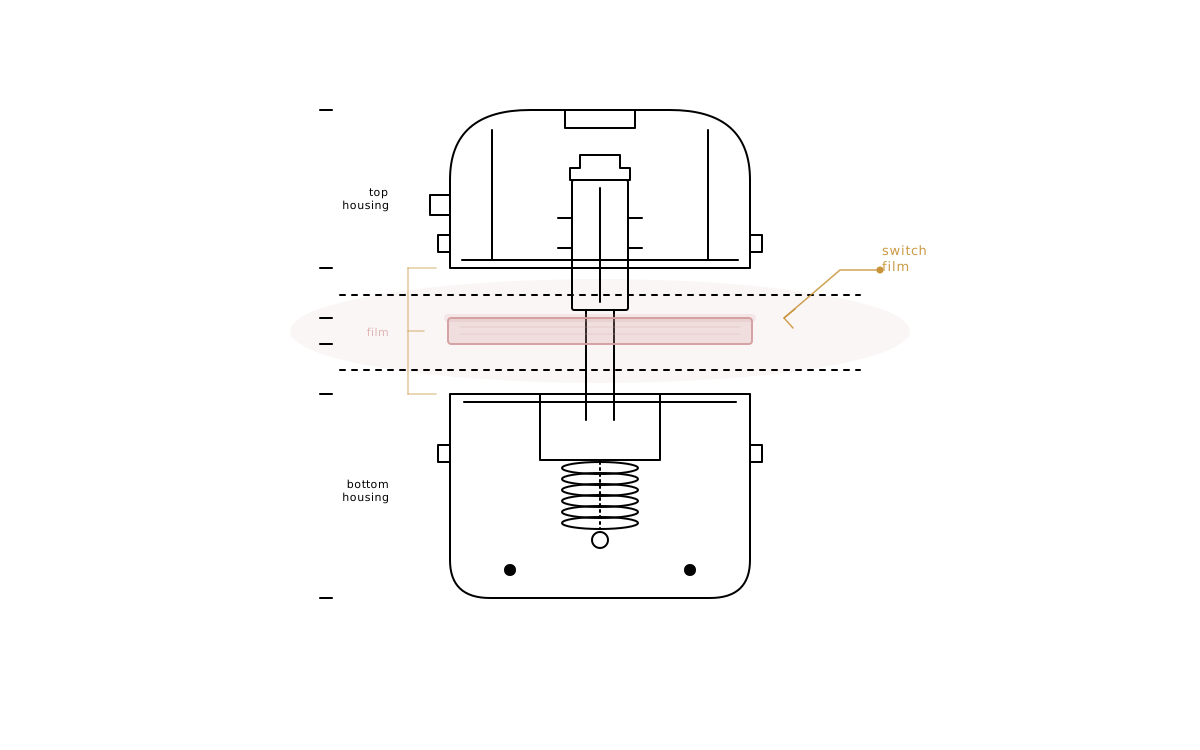
Ideas
Switch films: do they actually do anything?
Thin POM shims between your switch housings cost five dollars and promise a tighter, better-sounding switch. The mechanism is real. Whether it matters on your specific switches is a separate question.
thock8 min read
Cherry MX2A Red appears in editor-curated build sheets.