loading · part
Spec sheet
- Layout
- 65%
- Case material
- Aluminum
- Mount style
- Gasket
- Hotswap
- yes
- Wireless
- no
- Released
- Jan 8, 2022
Cast-aluminum 65% with an o-ring gasket mount, FR4 plate, and a hotswap QMK/VIA PCB. CannonKeys' evergreen budget pick at $150; the board most often recommended as a first custom.
Mentioned in 12 articles
Ideas
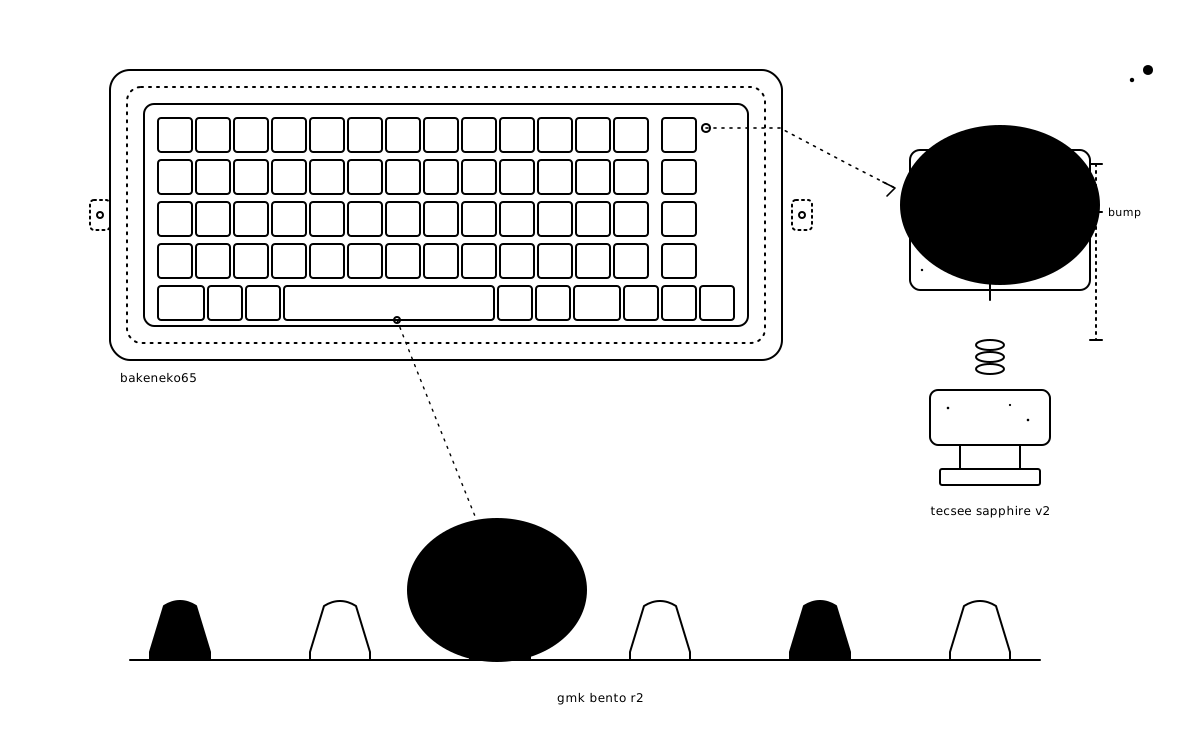
Build of the week: the Bakeneko65 stops being a budget board under GMK Bentō R2 and Tecsee Sapphire V2
A $150 evergreen hotswap board, a sold-out doubleshot ABS set, and a sparkly polycarbonate tactile aren't a mismatch — the cheap part of this build is the entry price, not the result.
thock7 min read
Deep Dives
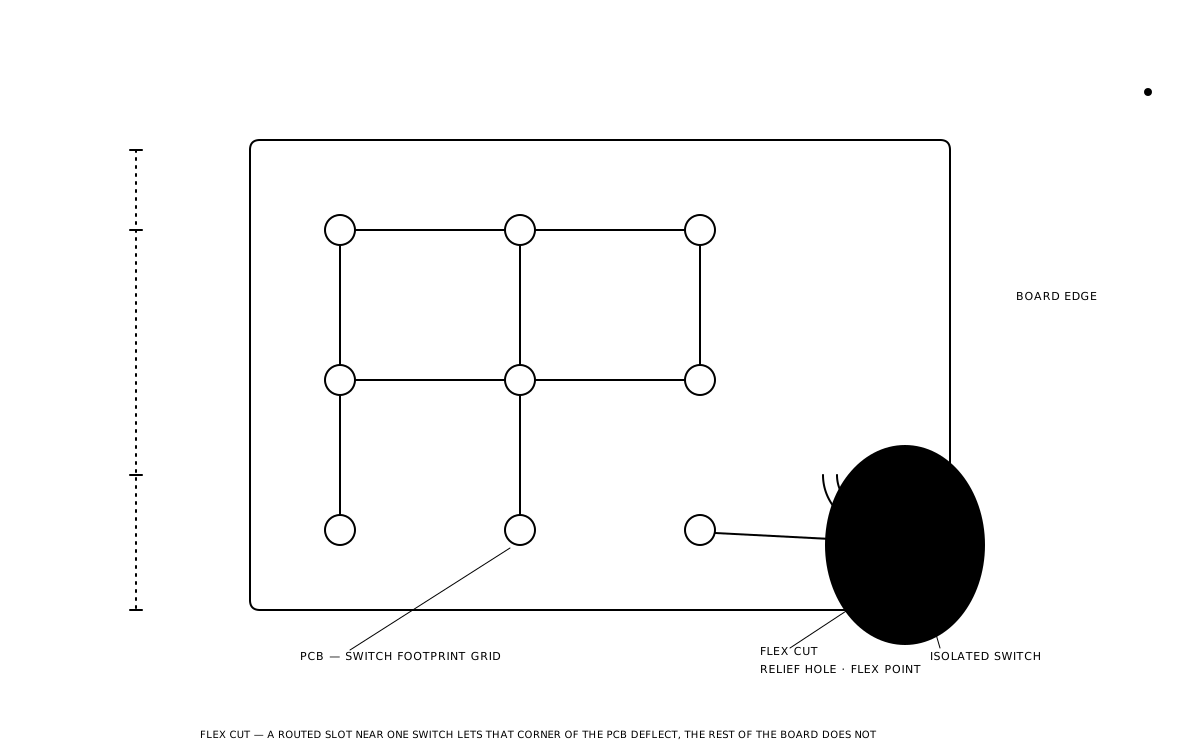
PCB flex cuts, explained: a flex budget milled straight into the board
No plate change, no gasket, no case redesign — just a slot routed through the fiberglass near a switch hole. Flex cuts are the cheapest lever a designer has for adding give to a board that otherwise has none, and the cheapness is exactly why they show up where they do.
thock10 min read
Deep Dives
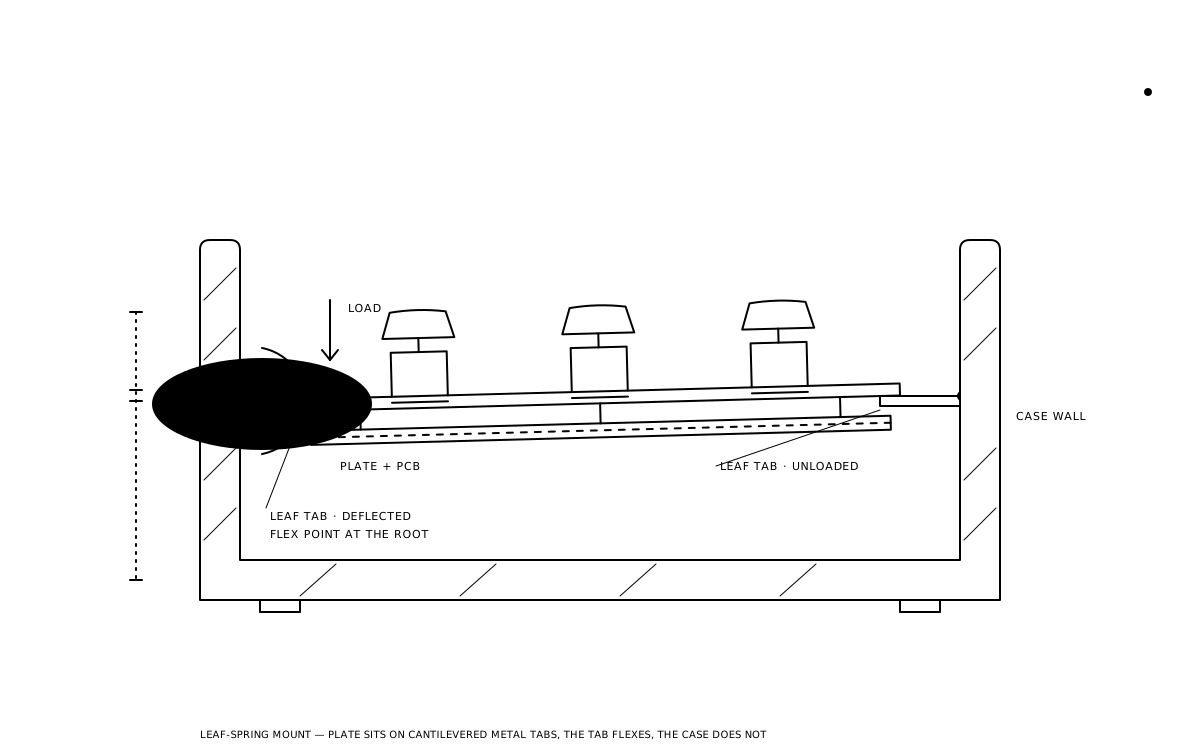
Leaf-spring mounts, explained: what a bending metal tab does that a foam strip cannot
The Nyawice's spec line and Mode's plate-tab mounting blocks both lean on one old idea — let a thin tab bend instead of a foam strip squash. The physics is textbook; the keyboard implementations are not, and the name covers more than one mechanism.
thock10 min read
Deep Dives
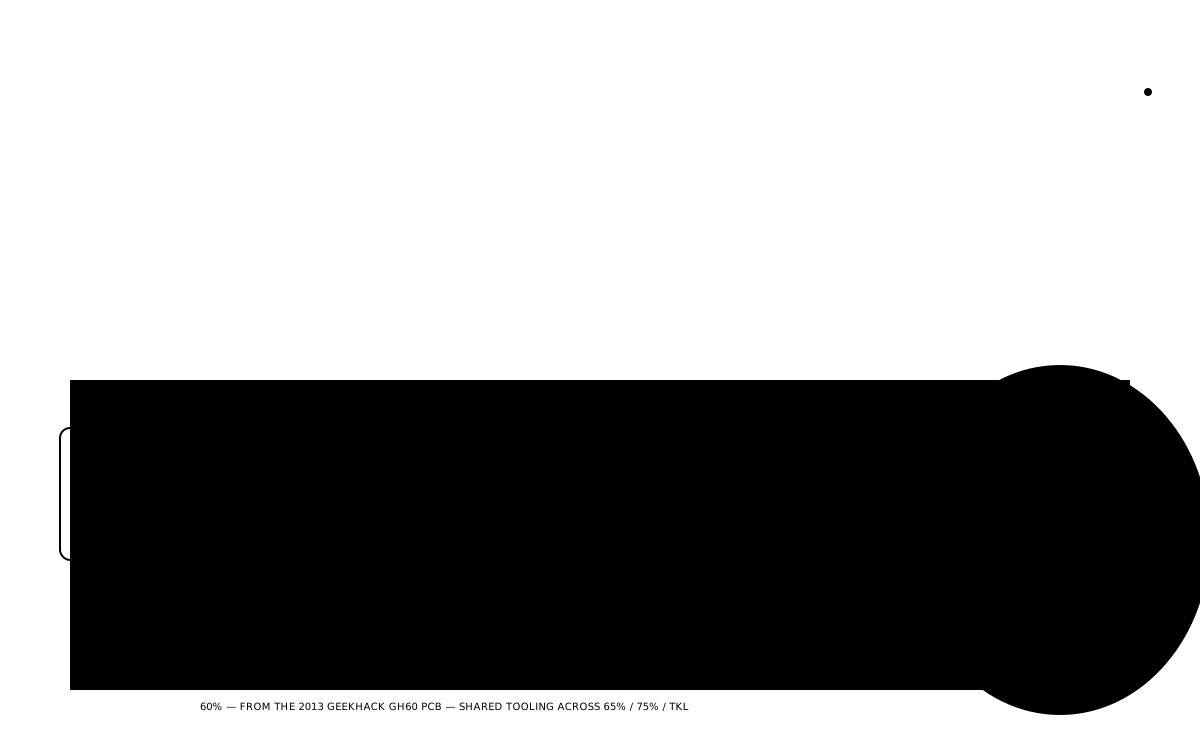
How the 60% became the default custom-keyboard layout
Every custom-keyboard buyer's guide since the mid-2010s opens with the same four-term vocabulary — 60%, 65%, 75%, TKL — as though it always existed. It didn't. One open-source PCB out of a geekhack thread is most of the reason that taxonomy exists at all.
thock11 min read
Guides
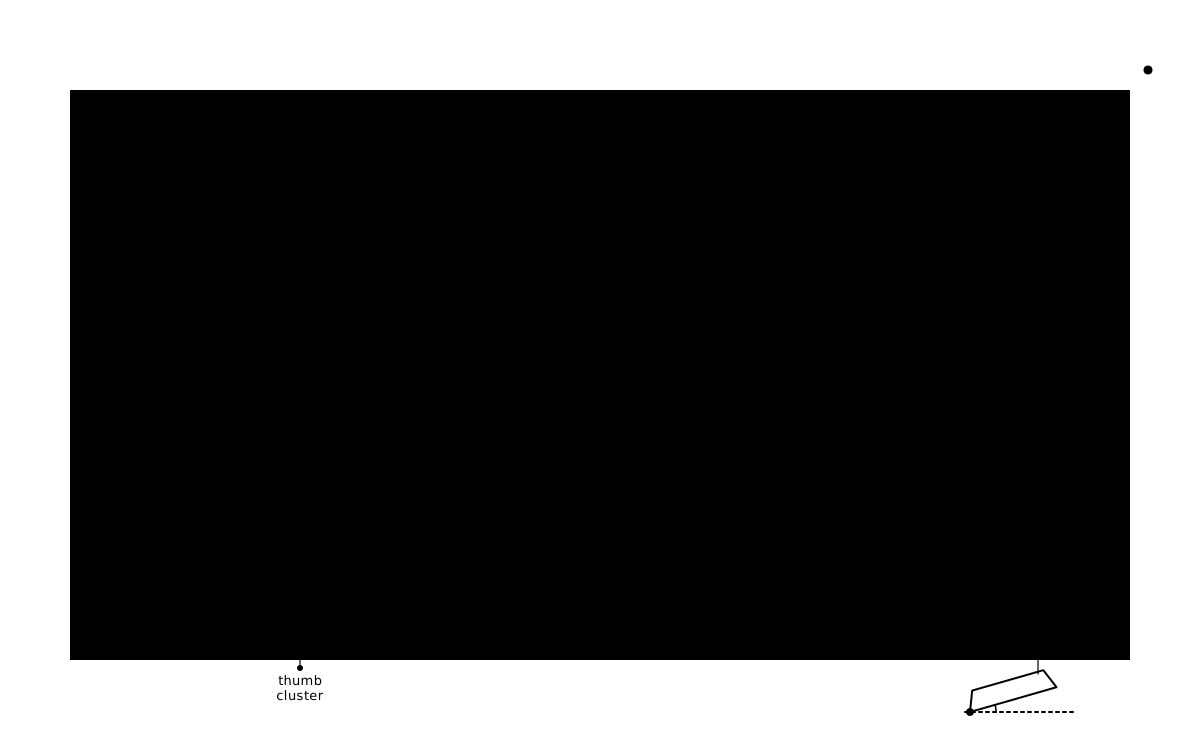
Split and ergonomic keyboards: a buyer's guide
Split doesn't automatically mean ergonomic, and ergonomic doesn't automatically mean split. Before spending money on either, a reader needs to know which of four separate design choices they're actually buying — and which one of them is solving their problem.
thock9 min read
Trends
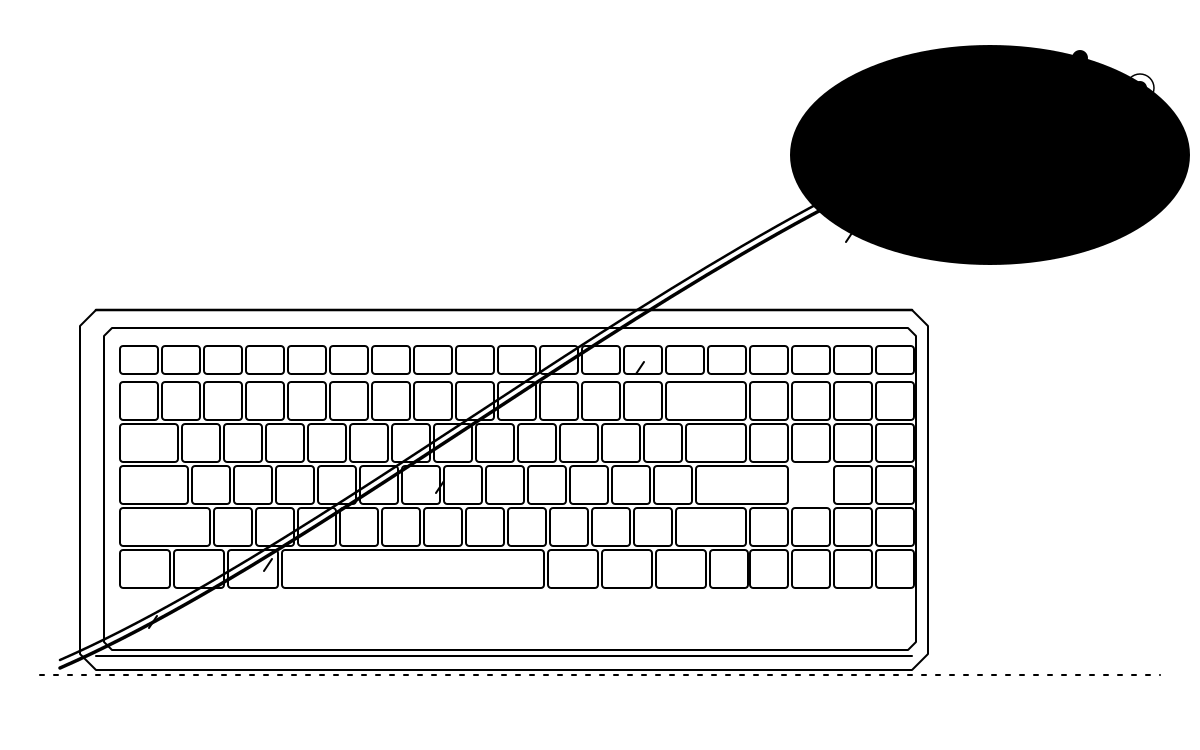
Keychron's Quiet Takeover: How One Brand Became the Mechanical Keyboard Default
Ask almost anyone — a forum regular, a YouTube comment section, a Discord server for people who just bought their first mechanical keyboard — what board to get, and you'll hear the same answer. This is how that happened.
thock10 min read
Ideas
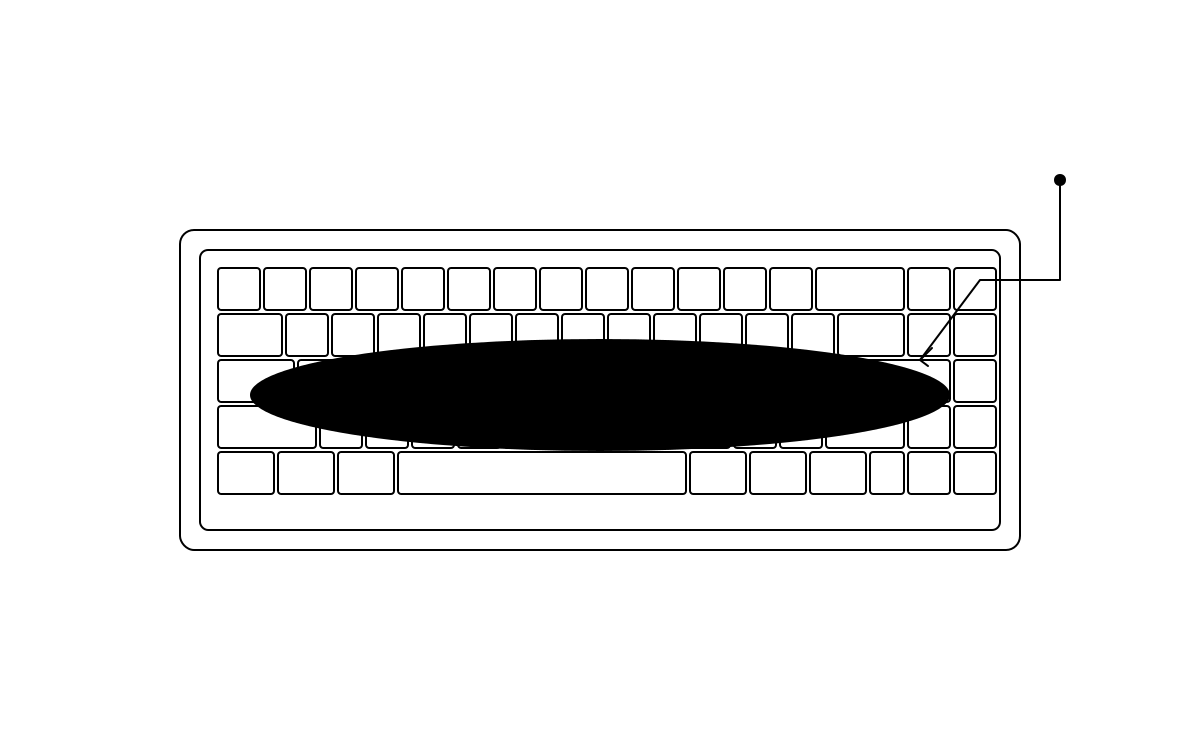
Pairing Oil Kings with the Mode Sonnet
This pairing has been on the bench for months, and a free Sunday finally made it happen. The Sonnet is a soft 75 with a block mount, and Oil Kings are a heavy factory-lubed linear — together they hit a register worth coming back to.
thock5 min read

Trends
When customs became vendor-first
From 2018 through 2022 the typical custom shipped through one host vendor and a fan of regional proxies; by 2026 the baseline custom is a configurator on a vendor's own storefront. Boards moved. Keycap group buys mostly didn't.
thock6 min read

Trends
The split/ergo cohort grew up
Split and ergonomic boards spent a decade as a hobbyist sub-cohort orbiting a stagger-majority. By 2026 the Voyager line, the Glove80, and a steady trickle of r/mk transition posts have pushed split/ergo across a visibility threshold — still a minority, but now a reference category instead of a footnote.
thock5 min read
Guides
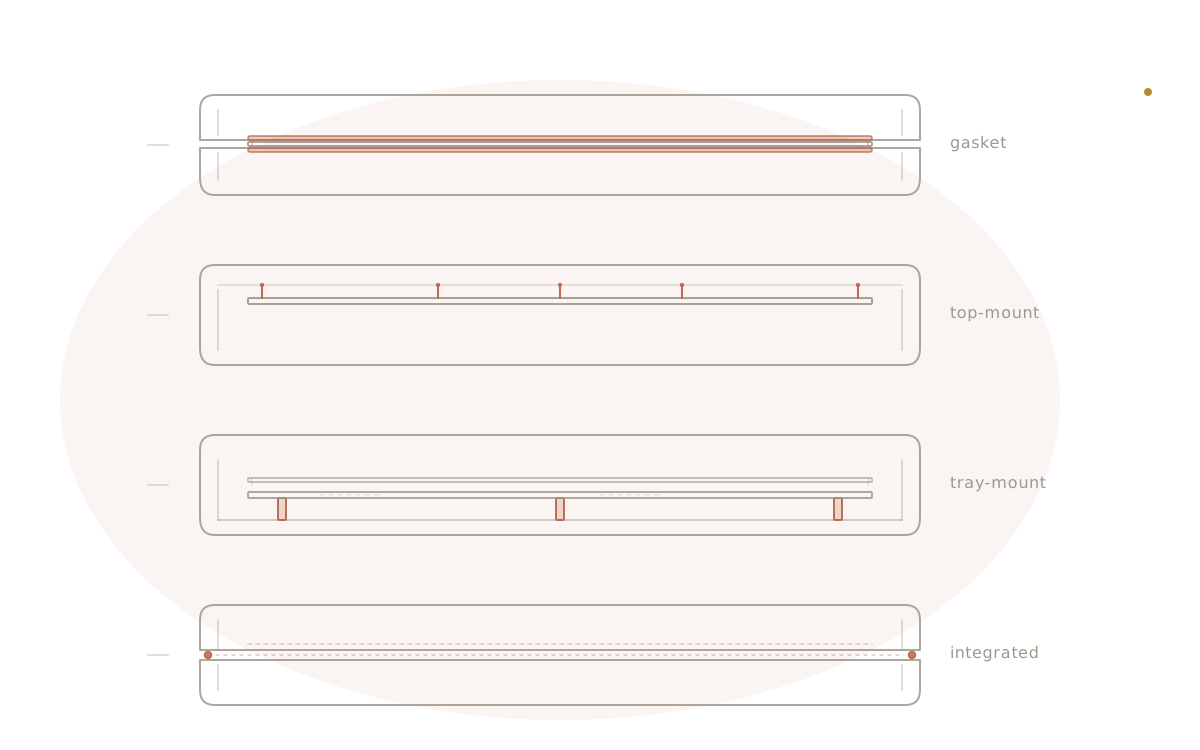
Mounting styles, compared: gasket, top-mount, tray, and integrated plate
A builder who has lubed switches and tuned stabilizers and chosen a keycap profile and still cannot place why their next board feels different from their last one is usually meeting the mount style. The plate's relationship to the case is the half of the typing feel that nobody discusses on a sound test.
thock13 min read

Trends
How 75 percent became the default custom layout
Two years ago a custom-board recommendation defaulted to 65% with a polite note about 75% as the next step up. The KBD75 v3's staying power as a default recommendation, the QK75, and a crowded mid-tier have flipped that order. 75% is now the layout customs reach for first.
thock5 min read
Ideas
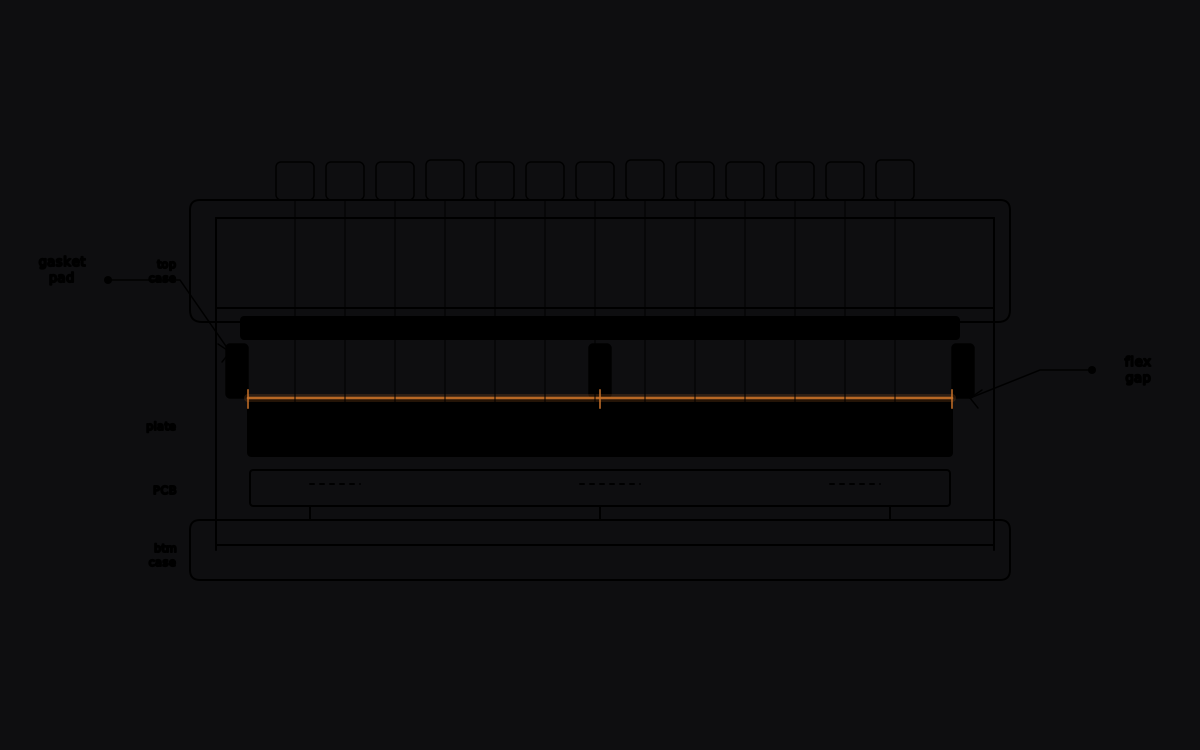
What gasket mount actually delivers (and what it doesn't)
The label appears on keyboards at every price point, from $90 prebuilts to $350 group-buy customs, but two boards with identical spec-sheet language can sound nothing alike. Here is what the term actually tells you, and what it doesn't.
thock9 min read
Bakeneko65 appears in editor-curated build sheets.