loading · tag
Archive
Every #clicky piece
Deep Dives
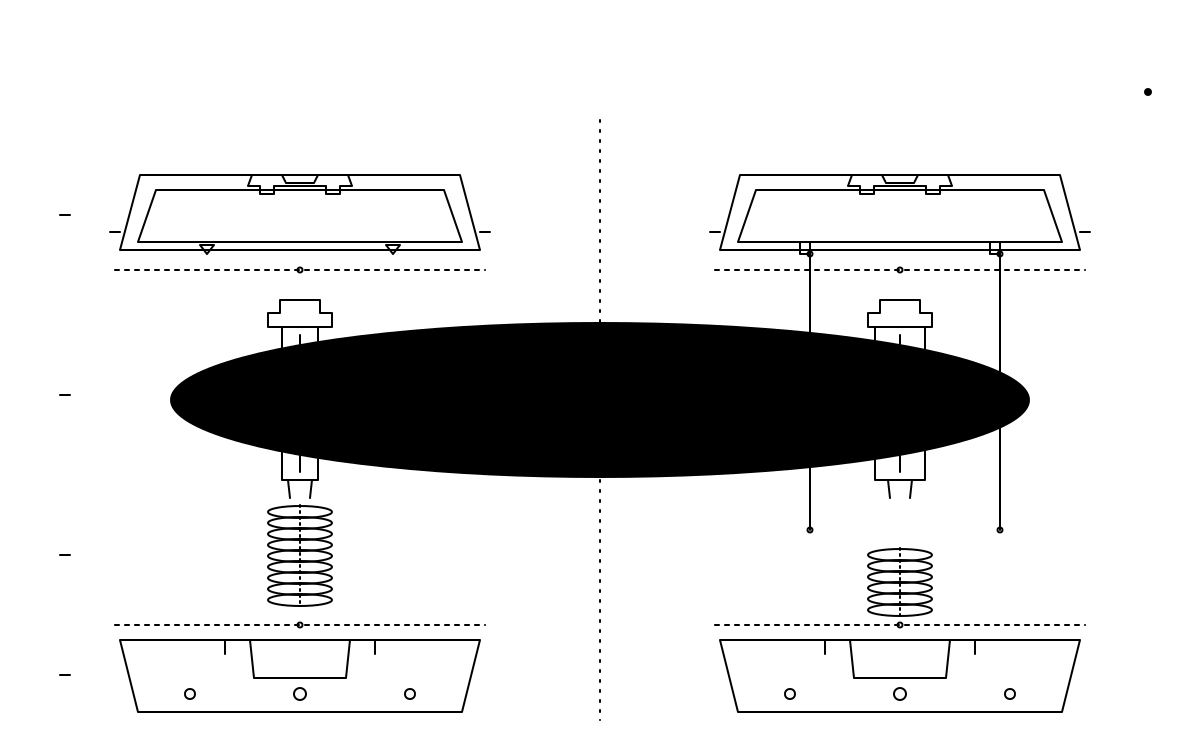
Why clicky switches still have a constituency
Linears and tactiles dominate the modern build conversation, and clickies barely appear in it. The reason is not that clicky switches have aged out — it is that the people who want them really want them, and the manufacturers know it.
thock10 min read

Guides
What a switch's gram number actually tells you before you buy
Every switch spec sheet carries two gram numbers — actuation and bottom-out — and treating them as one number is the most common mistake in a first switch purchase. Here's what each one measures, what ranges actually suit typing versus gaming, and why the same number can feel completely different depending on switch type.
thock8 min read
Ideas
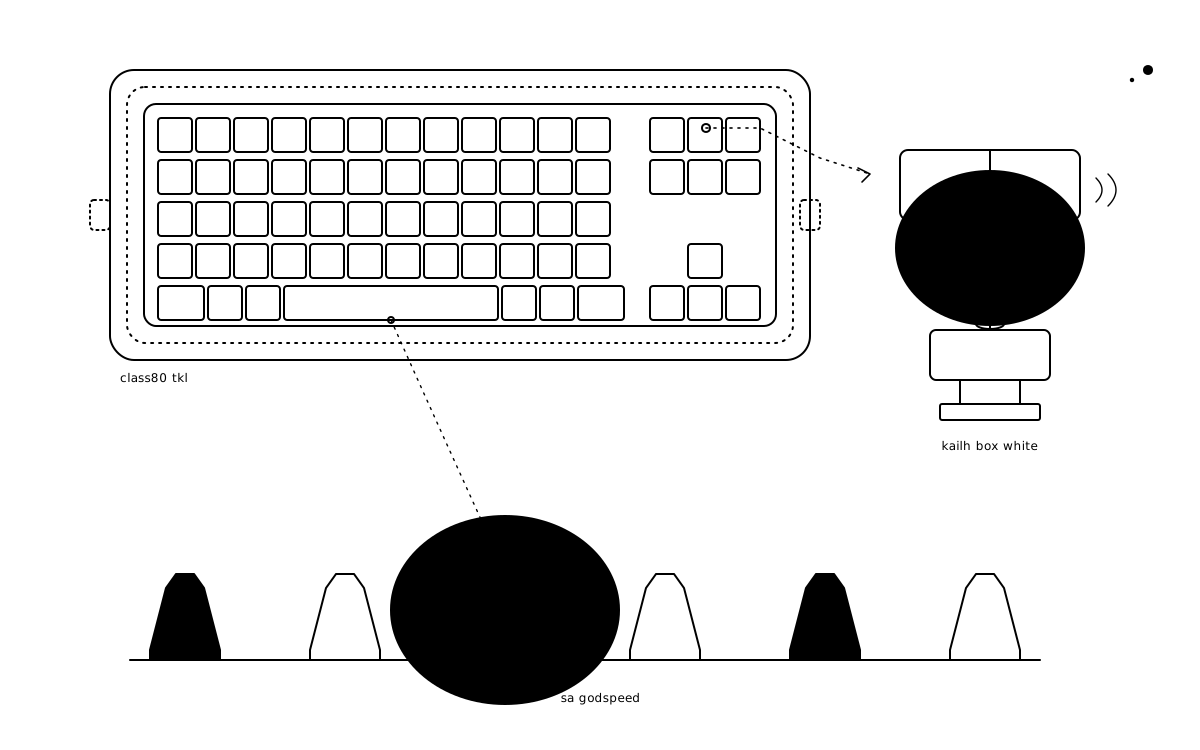
Build of the week: the mission control desk, in Class80, Godspeed, and Box White
A retro TKL, a steel-blue-and-cream SA set, and a clicky box-stem switch aren't three separate purchases here — they're one decision, made three times, that only works because each part solves a problem the other two create.
thock7 min read
Deep Dives
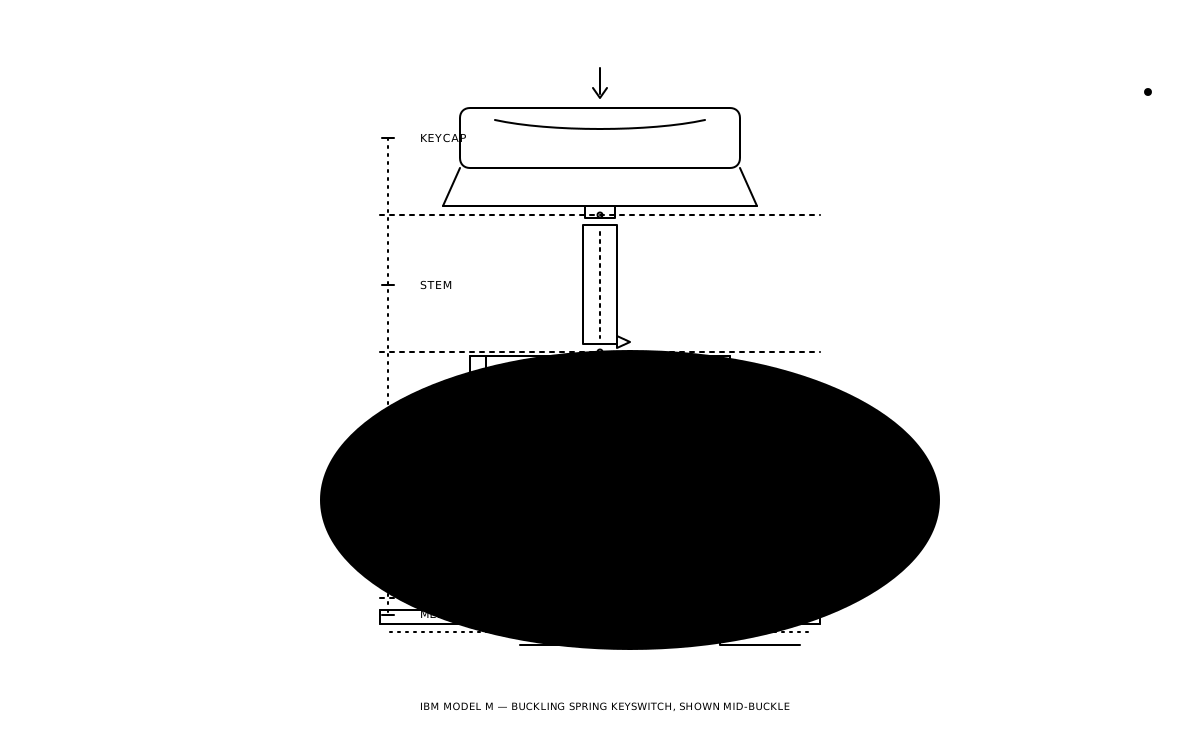
How buckling-spring switches actually work
thock has already reached for the buckling-spring snap twice — once to describe a Topre dome, once to describe a click-bar's sharpness — without ever explaining what a buckling spring actually is. The mechanism predates both, and it is stranger and more mechanically honest than either.
thock10 min read
Guides
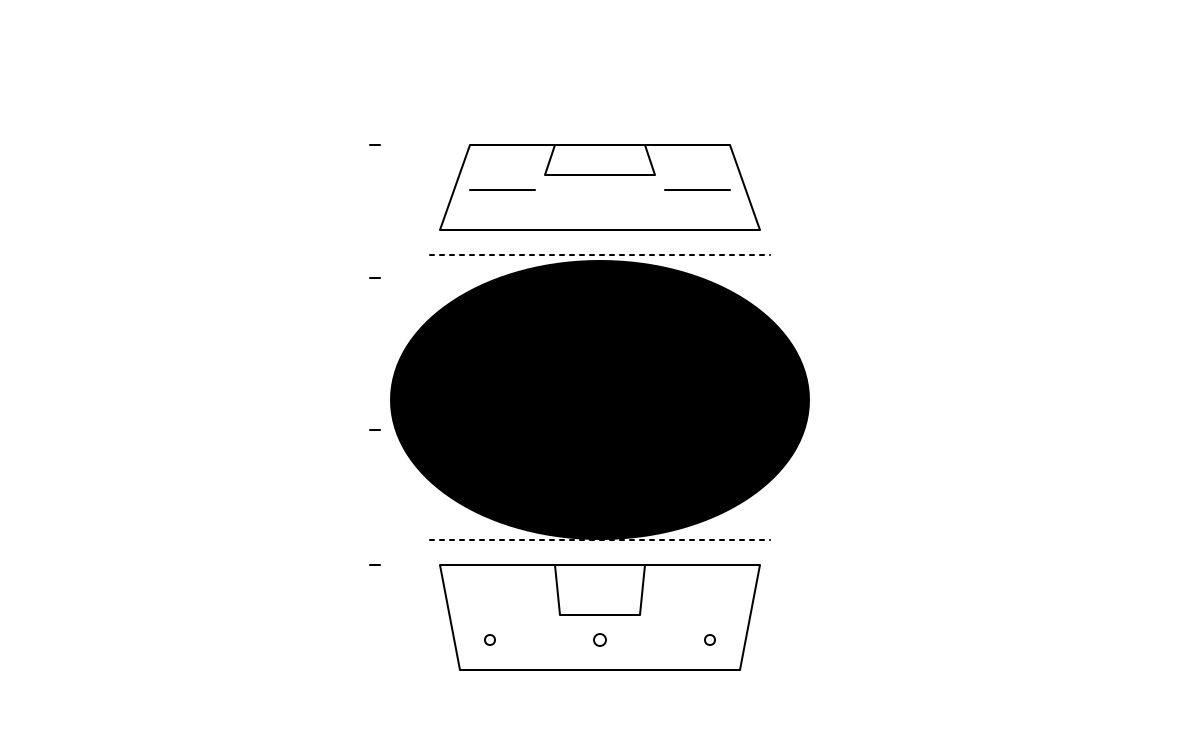
A beginner's guide to picking your first switch
Switches are the single biggest factor in how a keyboard feels and sounds, and the catalog has grown overwhelming. This guide narrows the entire market into three families, explains who each one is for, and gives a three-step path from curiosity to a confident first purchase. By the end, the reader can pick a category without second-guessing.
thock8 min read