loading · part
Spec sheet
- Layout
- 75%
- Case material
- Aluminum
- Mount style
- Gasket
- Hotswap
- yes
- Wireless
- yes
- Released
- Apr 1, 2026
75-percent wireless gasket-mounted aluminum prebuilt anchoring Keychron's Q Ultra series. Ships with magnetic Hall-effect switches and ZMK firmware, positioned at the 8K polling tier alongside Keychron's 660-hour battery claim. The HE variant reached reviewers in April 2026 as the headline SKU of the Q Ultra launch, placing Keychron directly against Wooting and Razer in enthusiast-prebuilt Hall-effect territory.
Mentioned in 7 articles
Deep Dives
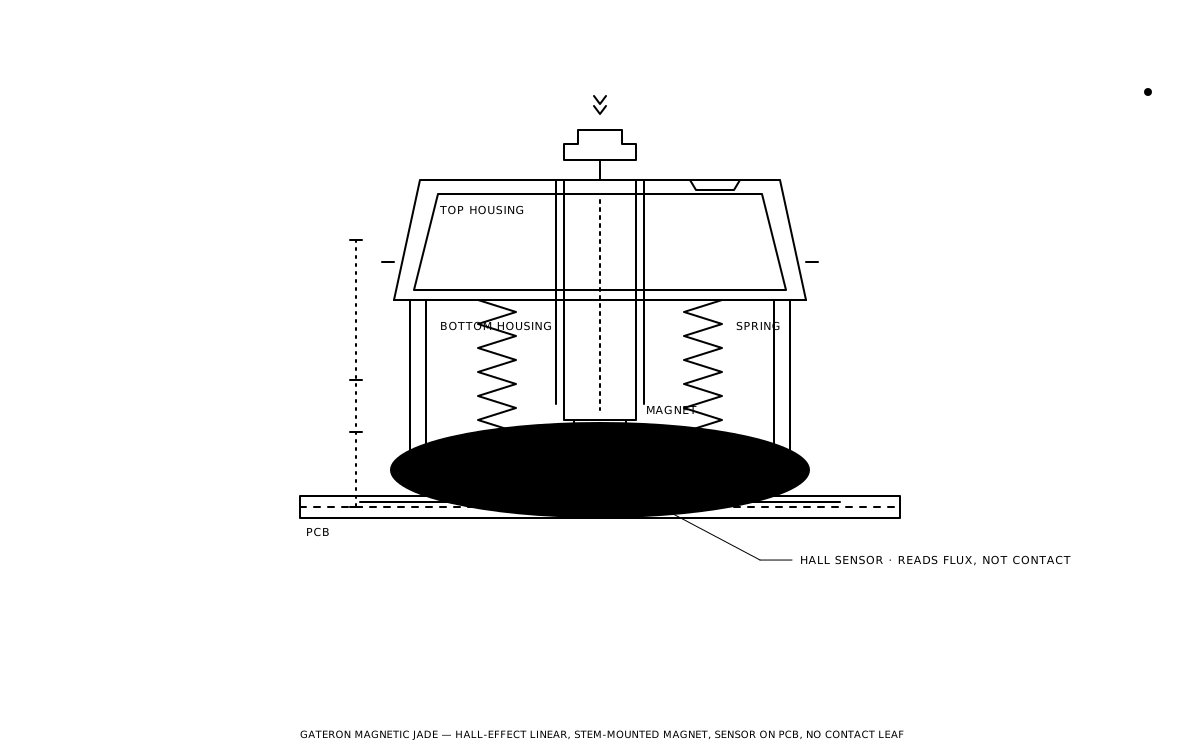
Gateron Magnetic Jade: the Hall-effect linear built to be argued about like a mechanical one
Pull a Magnetic Jade apart and the parts list reads like a mid-tier mechanical linear: polycarbonate top, nylon bottom, POM stem, factory lube. Where the leaf would be, there is a magnet. That one substitution explains the feel, the sound, and why it will not fit half the Hall-effect boards on the market.
thock11 min read
Trends
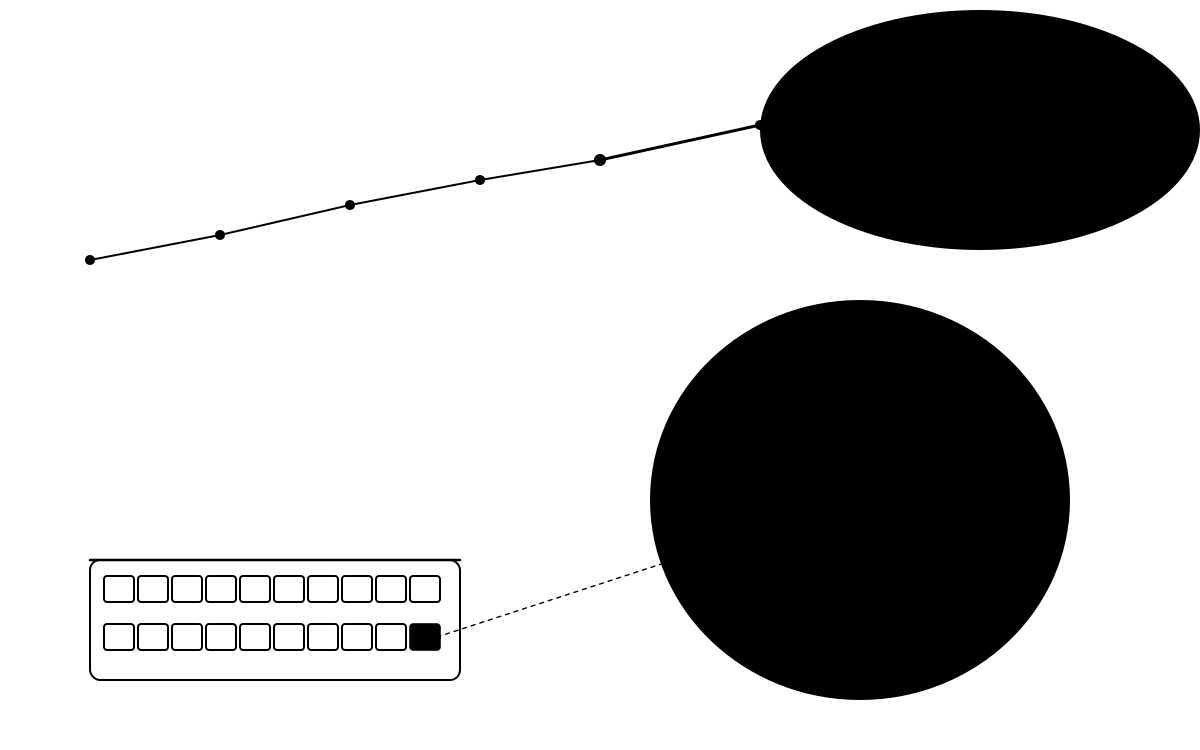
Nova Socket: Keychron's bet on not choosing a switch technology
A single hot-swap socket that accepts a standard mechanical switch or a TMR magnetic switch, decided per key, is a strange thing for a mainstream prebuilt brand to ship. It's also exactly the move Keychron has been building toward all year.
thock8 min read
Guides
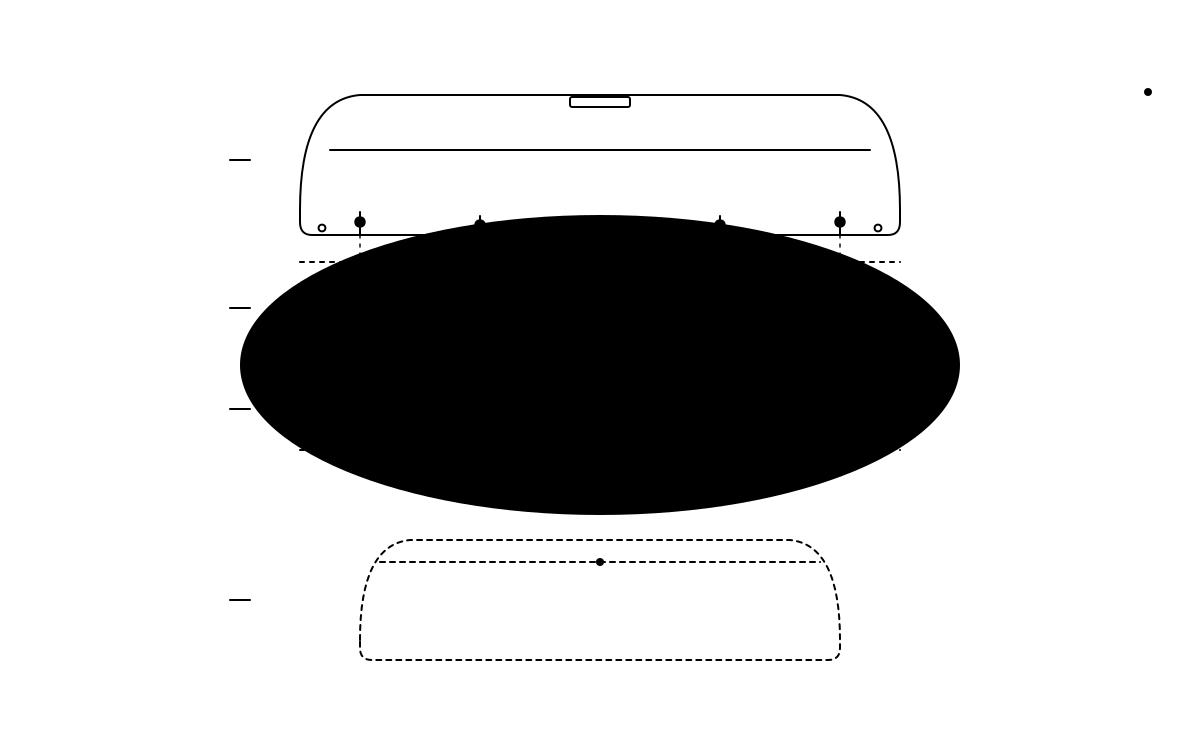
Choosing your first custom keyboard kit: a buyer's guide
Most first custom keyboards aren't built from loose parts and aren't bought finished — they're a barebones kit, a case-plate-PCB bundle that leaves the rest of the decision to the buyer. Here's how to make that decision without guessing.
thock8 min read
News
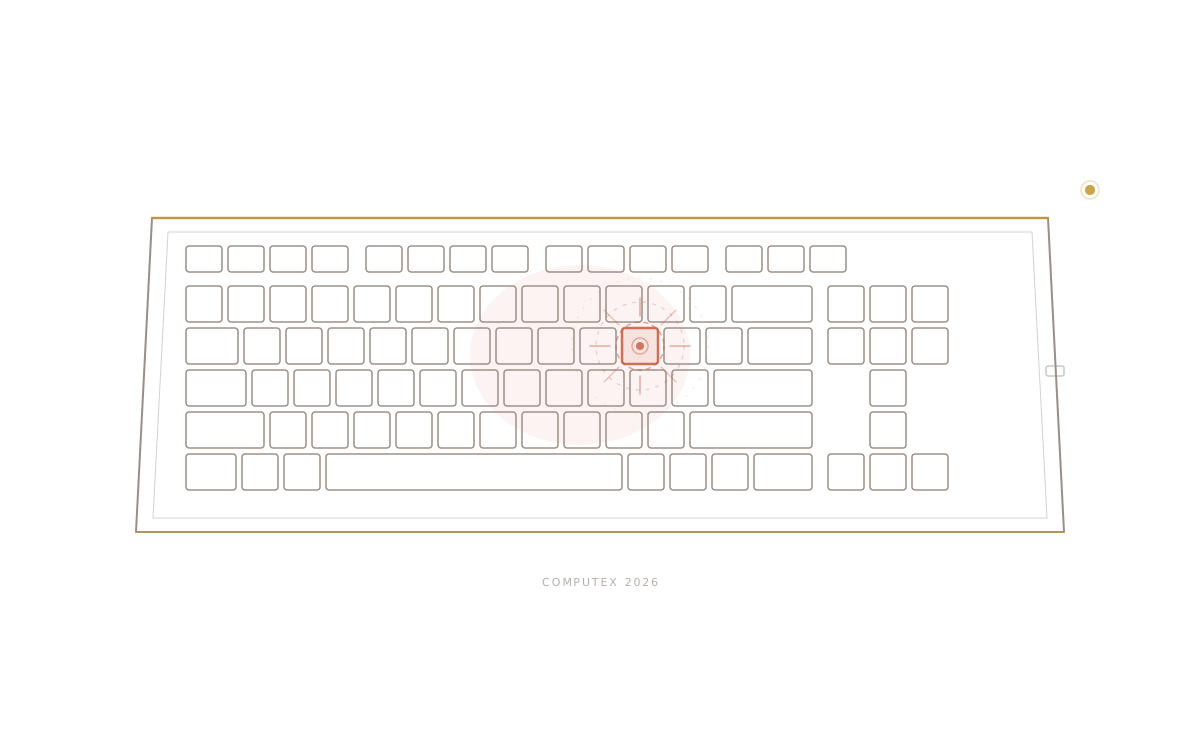
Computex 2026: hall-effect keyboards enter the enthusiast conversation
Computex 2026 (May 20–24) was the week hall-effect stopped being a gaming-peripheral curiosity and walked into the same room as enthusiast-grade chassis. Two boards made that argument concrete.
thock8 min read
News
Keychron's Q Ultra ZMK series brings 660h battery to the prebuilt-premium tier
Keychron used CES 2026 to announce the Q Ultra line — five prebuilts (Q1, Q2, Q3, Q5, Q6) running ZMK rather than QMK/VIA. The 660h battery claim is the headline; the firmware swap is the actual story.
thock4 min read
Trends
How Hall-effect quietly became the new mid-premium default
The polling-rate hype is loud and easy to wave off — 8K, 32K, numbers chasing each other up the spec sheet. The quieter story is that the magnetic-switch tier has stopped being a Wooting-shaped niche and has settled into the $100–$230 prebuilt slot the scene actually buys from. The volume has moved, not just the marketing.
thock7 min read
Trends
ZMK is becoming the wireless default for premium prebuilts
A five-board flagship lineup running ZMK isn't a niche move; it's a market signal that an open-source firmware that lived in DIY-wireless territory for half a decade has crossed into mainstream-prebuilt anchor status. The vendor side has finally caught up with where the cohort already was.
thock9 min read
Keychron Q1 HE 8K Marble appears in editor-curated build sheets.