loading · part
Spec sheet
- Layout
- TKL
- Case material
- Aluminum
- Mount style
- Top mount
- Hotswap
- yes
- Wireless
- no
- Released
- Oct 1, 2018
Compact TKL in an aircraft-grade aluminum case with a top-mount PCB, hot-swap QMK/VIA support, and per-key RGB. Drop's flagship board since 2018; accessible price for a full-metal TKL with hotswap PCBs. The top-mount gives a firmer, more direct typing feel than the gasket boards in the same price range.
Mentioned in 5 articles
Ideas
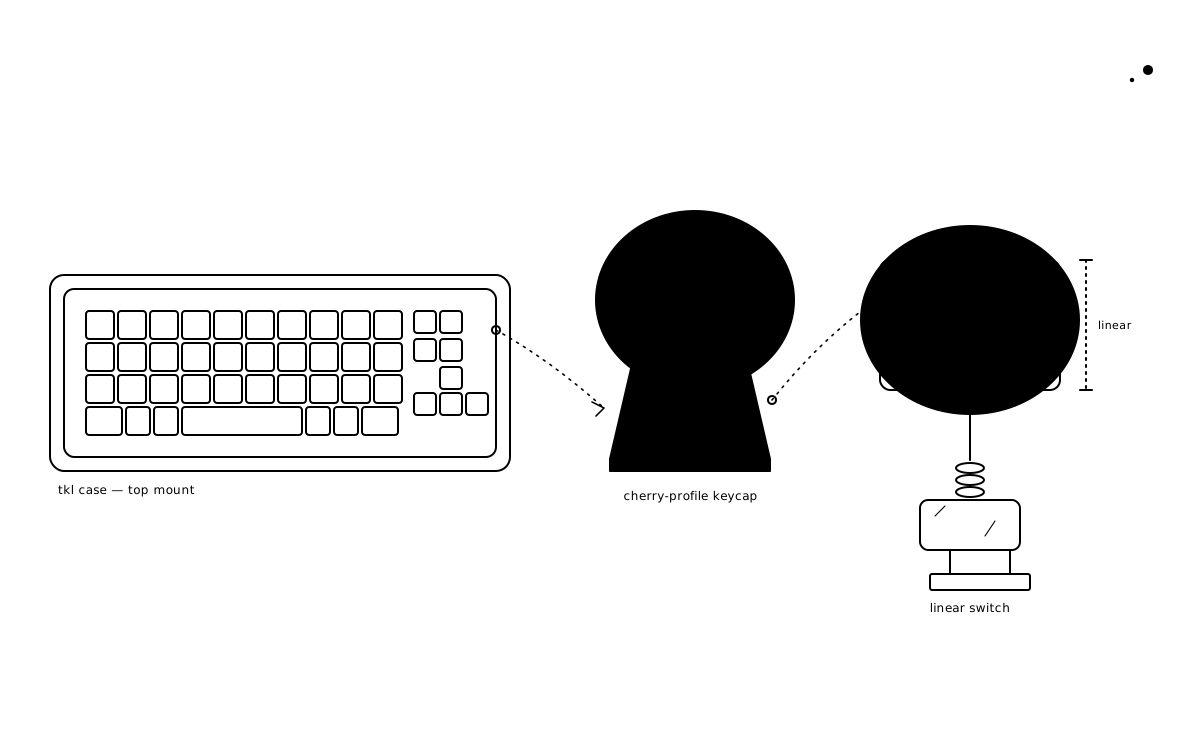
Build of the week: the Drop CTRL goes synthwave under GMK Laser and Ink V2 Yellow
A board tuned for directness, a switch tuned for speed, and a keycap set tuned for attention — the gap between the first two and the third is the entire reason this build works.
thock7 min read
Deep Dives
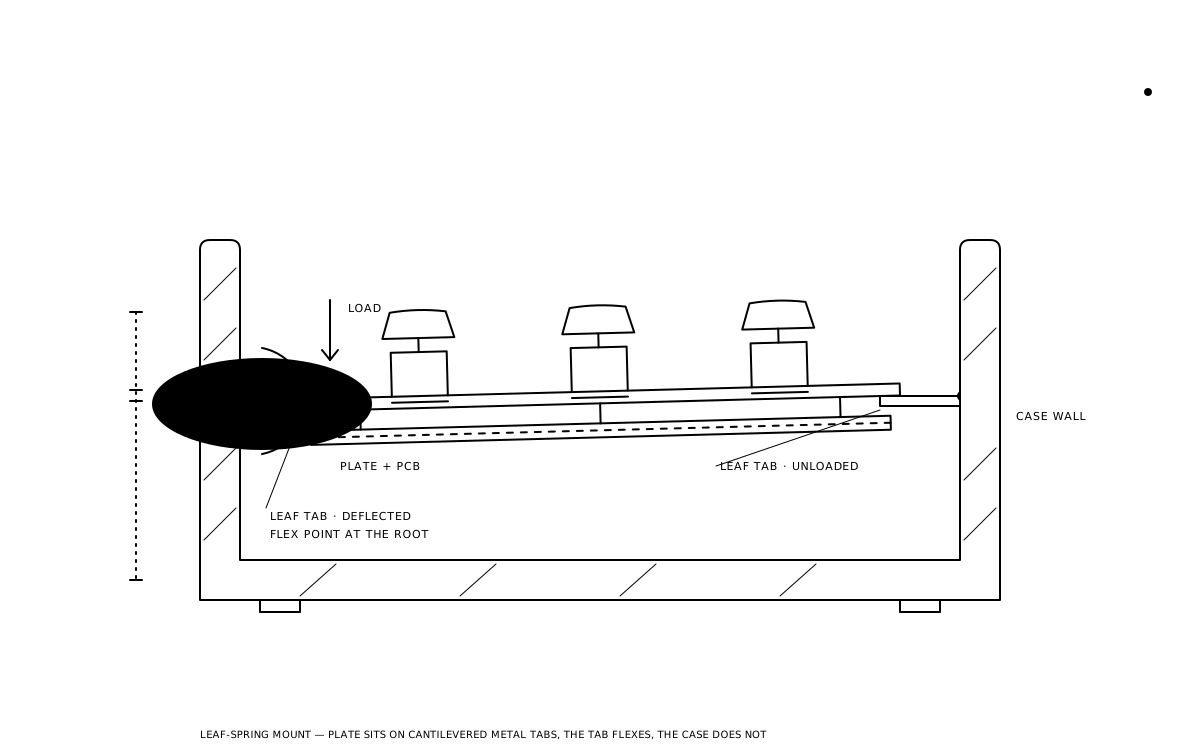
Leaf-spring mounts, explained: what a bending metal tab does that a foam strip cannot
The Nyawice's spec line and Mode's plate-tab mounting blocks both lean on one old idea — let a thin tab bend instead of a foam strip squash. The physics is textbook; the keyboard implementations are not, and the name covers more than one mechanism.
thock10 min read
Deep Dives
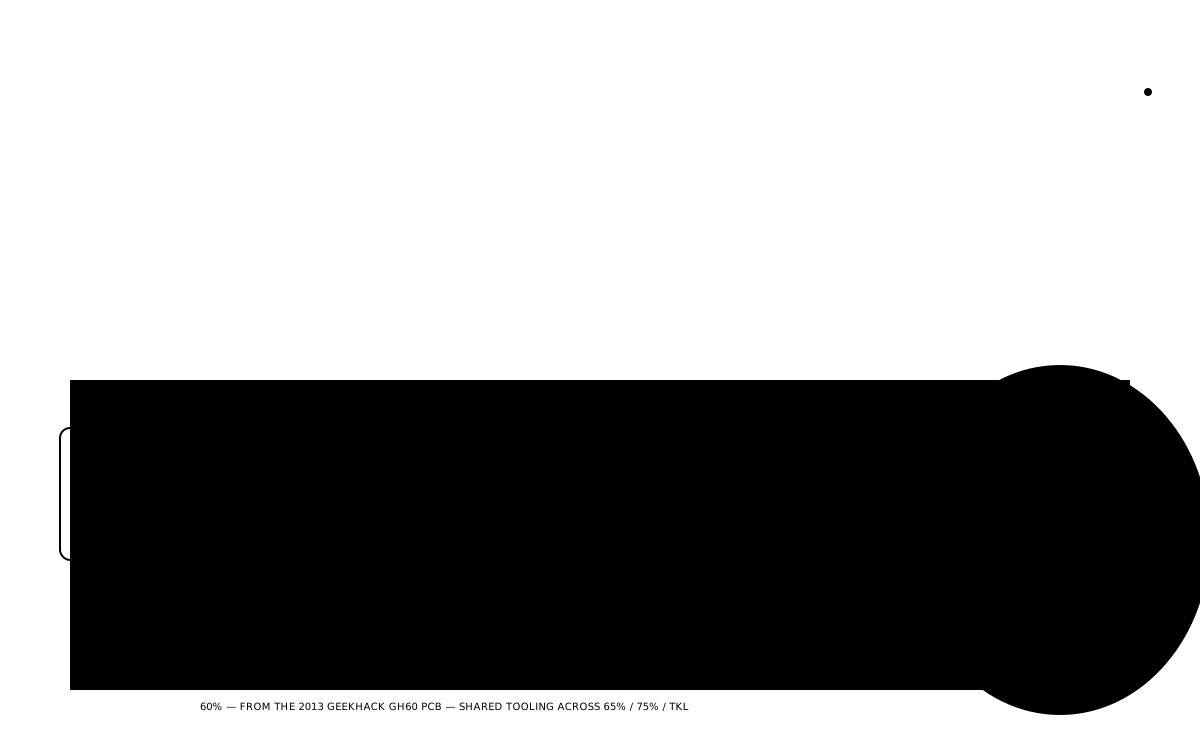
How the 60% became the default custom-keyboard layout
Every custom-keyboard buyer's guide since the mid-2010s opens with the same four-term vocabulary — 60%, 65%, 75%, TKL — as though it always existed. It didn't. One open-source PCB out of a geekhack thread is most of the reason that taxonomy exists at all.
thock11 min read
Guides
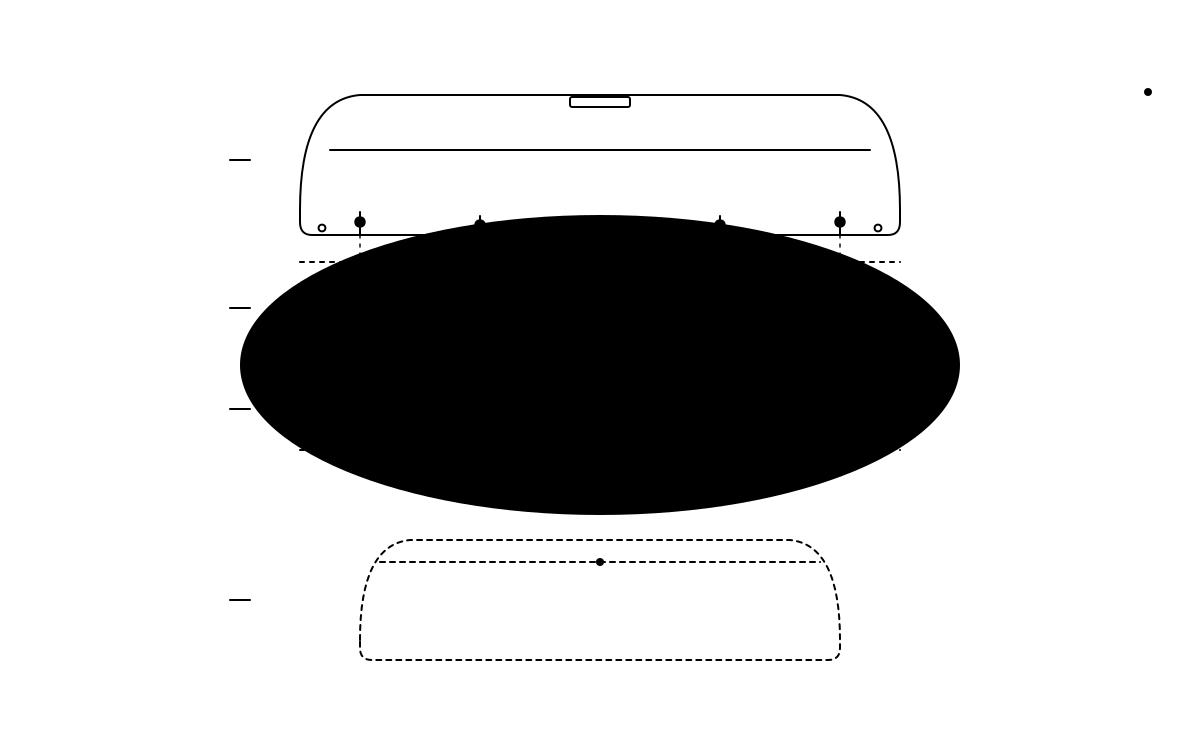
Choosing your first custom keyboard kit: a buyer's guide
Most first custom keyboards aren't built from loose parts and aren't bought finished — they're a barebones kit, a case-plate-PCB bundle that leaves the rest of the decision to the buyer. Here's how to make that decision without guessing.
thock8 min read
Guides
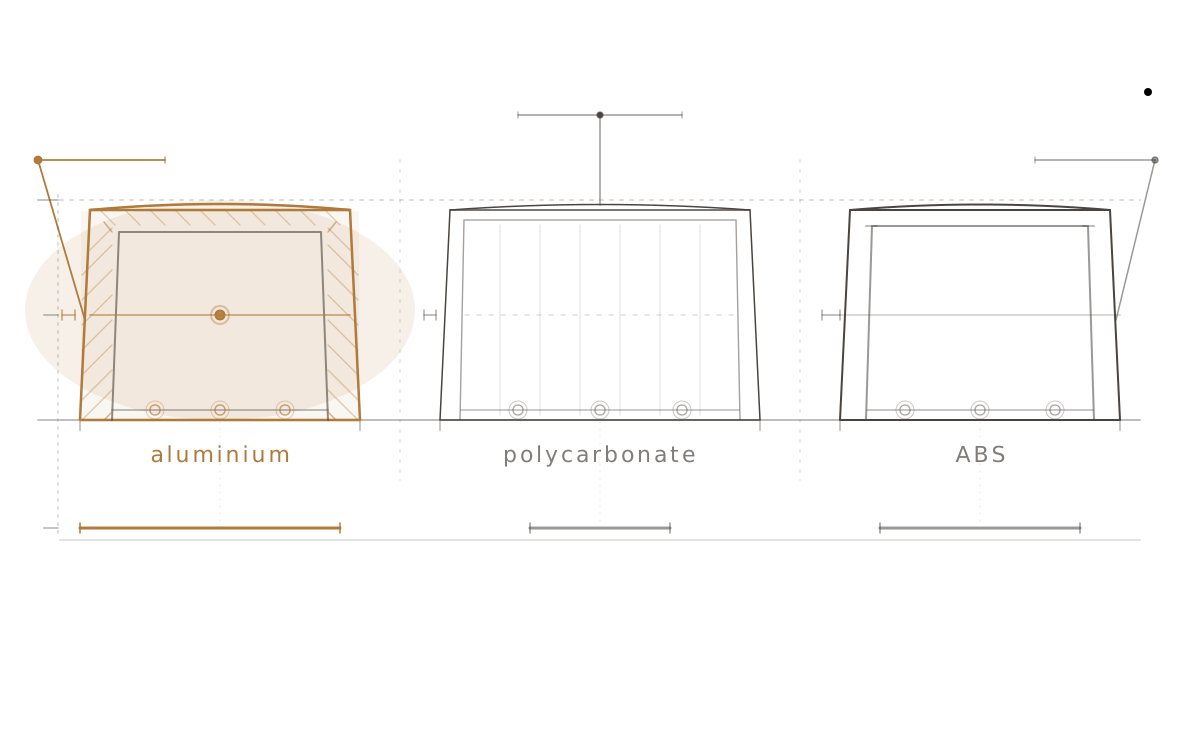
Keyboard case materials, compared: aluminium, polycarbonate, and ABS
The case is the largest resonant body in a keyboard. Aluminium, polycarbonate, and ABS each change the sound, feel, and weight profile in fundamentally different ways — here is what each material actually does.
thock11 min read
Drop CTRL appears in editor-curated build sheets.